
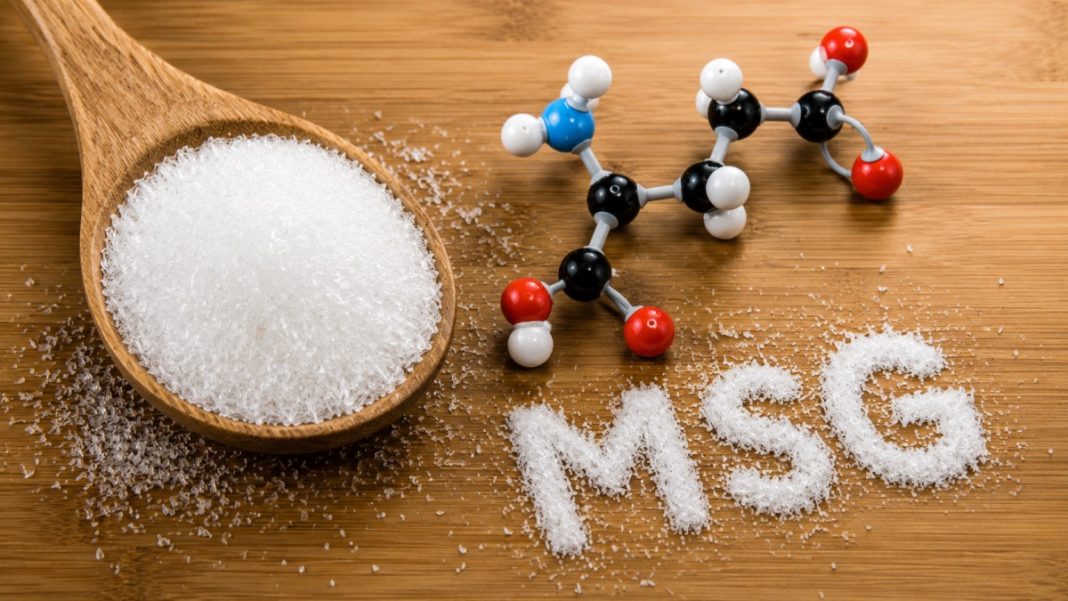

Few seasonings carry as much cultural baggage as monosodium glutamate. In many Nigerian markets, its white crystals are sold as “white Maggi”, sometimes scooped from large sacks into unlabelled bags. Some cooks consider it indispensable. Others believe it causes cancer, damages the brain or gradually destroys the body.
The science tells a less frightening, but more nuanced, story. MSG is considered safe for most people when consumed in normal quantities. However, the source of the product, the amount used and the rest of a person’s diet still matter.
What Exactly Is MSG?
Monosodium glutamate is the sodium salt of glutamic acid, an amino acid found naturally in foods such as tomatoes, mushrooms, meat, fish and mature cheese. The body encounters the same glutamate molecule whether it comes from a tomato or a packet of seasoning.
Commercial MSG is generally produced by fermenting carbohydrate sources such as sugar cane, sugar beet or molasses. This process is broadly comparable to the fermentation used to make yoghurt or vinegar. Once purified, the substance forms small white crystals.
“White Maggi” is only a Nigerian nickname. MSG is not a white version of Maggi cubes, and products sold under that informal name are not necessarily manufactured by the Maggi brand.
Why It Makes Food Taste Better
MSG intensifies umami, the savoury taste associated with broths, grilled meat, fermented foods and rich soups. It does not simply make food saltier. Glutamate activates taste receptors that signal depth and savouriness.
This is why a small quantity can make stews, sauces, noodles and soups taste fuller. It also explains why cooks should be careful when combining MSG with salt and seasoning cubes. Each ingredient may improve flavour, but several of them may also contribute sodium.
Is MSG Safe?
For most people, yes.
The United States Food and Drug Administration classifies MSG as generally recognised as safe. The Joint FAO and WHO Expert Committee on Food Additives assigned glutamic acid and its salts an acceptable daily intake “not specified”. This means the available evidence did not justify a numerical limit under normal conditions of use.
The European Food Safety Authority adopted a more conservative group limit for glutamates used as food additives. This does not mean that ordinary servings are poisonous. It reflects a different regulatory method and concerns that people with especially high consumption may exceed its recommended benchmark.
The common message from these authorities is that MSG can be used safely in food, but it should not be consumed without restraint.
What About Headaches, Flushing and Palpitations?
Some people report headaches, tingling, flushing, nausea or a racing heartbeat after eating food containing MSG. These reactions are commonly grouped under the term “MSG symptom complex”.
According to the FDA’s review, mild and temporary symptoms may occur in some sensitive individuals who consume three grams or more without food. That is a relatively large amount to take at once.
A systematic review of human studies found that a causal relationship between MSG and headaches had not been established. Studies in which MSG was eaten with food generally failed to show a consistent effect. Positive findings appeared more frequently when unusually concentrated solutions were consumed without food.
Individual experiences should not be dismissed. Someone who repeatedly develops symptoms after eating a particular meal can reduce or avoid the suspected ingredient and consider whether another part of the meal may be responsible.
Does MSG Cause Cancer or Brain Damage?
There is no convincing evidence that customary dietary consumption of MSG causes cancer or brain damage in humans. Conventional feeding studies have not demonstrated specific cancer causing effects, according to a widely cited safety evaluation.
Claims about neurological damage frequently rely on animal experiments involving very high doses or injections. These forms of exposure do not resemble the way people consume MSG in food.
Glutamate also functions as a neurotransmitter in the brain, but this does not mean that glutamate from food automatically enters the brain and overstimulates it. The digestive system processes much of the glutamate people consume, while the brain carefully regulates its own supply.
Does MSG Cause Weight Gain?
The research is less conclusive. Some observational studies have found an association between MSG consumption and obesity, while others have not.
Observational research cannot easily separate MSG from the wider diet. A person who eats large quantities of instant noodles, processed meats, takeaway meals and salty snacks may consume more MSG, but those foods can also be rich in calories, fat and refined carbohydrates.
A review of the human evidence concluded that normal dietary use was unlikely to affect energy intake, body weight or fat metabolism. Research continues, but the available evidence does not prove that MSG itself causes obesity.
MSG Still Contains Sodium
MSG contains considerably less sodium by weight than table salt, but it is not free of sodium. When used strategically, it may help food remain appetising while the amount of salt is reduced.
Controlled food studies have found that MSG can improve the acceptability of dishes containing less salt. This could be useful for people trying to reduce their overall sodium intake.
That advantage disappears when MSG is added on top of the usual quantities of salt and seasoning cubes. Anyone monitoring sodium should consider the entire recipe, not one ingredient in isolation.
How to Use MSG Wisely
Buy MSG in sealed and properly labelled packaging from a traceable manufacturer. Consumers in Nigeria can consult NAFDAC’s registered products resources instead of assuming that loose crystals from an open sack are pure or safely handled.
Follow the directions on the packaging and use only enough to improve flavour. Where appropriate, reduce the amount of salt or other salty seasonings in the recipe.
A healthy diet cannot be created or destroyed by one seasoning. The frequency with which a person eats processed foods, the total amount of sodium consumed and the overall balance of the diet are more important than the presence of MSG alone.
The Bottom Line
MSG’s sinister reputation is not supported by the strongest available evidence. For most people, modest quantities in food are safe. The more realistic concerns are excessive total sodium, unusually large doses, genuine individual sensitivity and unregulated products sold without reliable labelling.
MSG is neither a miracle ingredient nor a hidden poison. It is a flavour enhancer that is best used thoughtfully.