WASHINGTON, United States — The Trump administration has threatened to suspend US intelligence sharing with Ukraine unless Kyiv stops attacking Russian oil refineries and other energy facilities.
Washington has also warned that it could block European purchases of American weapons intended for Ukrainian forces.
The warnings were delivered to Ukrainian and European officials by the US State Department and Pentagon, according to two European officials who spoke to CNN.
American military officials also communicated the demands directly to Ukrainian commanders.
The threats were reported on Sunday, October 11, 2026, as President Donald Trump announced what he described as an immediate ceasefire covering Russian and Ukrainian energy infrastructure.
Ukraine expressed support for a reciprocal ceasefire but said it had not received details of an agreement.
Russia has continued attacking Ukrainian energy facilities, while Trump has denied that Washington has stopped sharing intelligence with Kyiv.
Washington Threatens Weapons Purchases and Intelligence Support
The American warnings concern two forms of assistance that remain important to Ukraine’s military operations.
The first is intelligence collected by US surveillance and satellite systems, which Ukrainian forces use to track Russian military activity and prepare their defences against missile attacks.
The second is a NATO-coordinated weapons procurement programme that allows European governments to buy American military equipment for Ukraine.
Under the Prioritised Ukraine Requirements List, known as PURL, European allies and other partners finance the purchase of US-manufactured weapons identified as urgently needed by Ukrainian forces.
The programme was introduced in July 2025 after Washington shifted much of the financial responsibility for supplying Ukraine to European governments.
According to NATO, participating countries have committed more than $6 billion through the arrangement.
The equipment includes munitions and other defence systems that European manufacturers cannot immediately supply in sufficient quantities.
American officials have warned that the procurement mechanism could be suspended if Ukraine continues striking Russian energy targets.
The Financial Times first reported the warnings, citing European officials who had received calls from Washington or been briefed on the discussions.
CNN subsequently confirmed the threats with two European officials.
The White House, State Department, and Pentagon did not immediately provide public responses to CNN’s requests for comment.

Trump Announces Energy Ceasefire Without Confirmed Russian Agreement
The warnings accompanied a diplomatic initiative by Trump to halt attacks on energy infrastructure.
In a post on Truth Social, the American president declared that Russia and Ukraine had agreed to stop striking each other’s energy facilities.
“Effective immediately, there is an ENERGY CEASEFIRE in the War between Russia and Ukraine. Both parties have agreed. Do not break it!” Trump wrote.
The announcement appeared to surprise Ukrainian officials.
President Volodymyr Zelenskyy said Kyiv supported the proposal but was awaiting information from Washington about its terms.
In an official presidential address, Zelenskyy said Ukraine was prepared to suspend attacks on Russian energy facilities if Moscow made the same commitment.
He stressed that the arrangement needed to operate on a reciprocal basis.
Russia did not publicly confirm that it had agreed to the ceasefire.
Kremlin spokesman Dmitry Peskov subsequently said discussions were continuing, without providing details of a completed agreement.
Russian military strikes on Ukrainian infrastructure continued after Trump’s announcement.
Ukraine Says Russian Attacks Have Continued
Zelenskyy accused Moscow of continuing its attacks despite Ukraine’s willingness to observe the proposed energy ceasefire.
Speaking at the Warsaw Security Forum, he said Russian drones had struck a power station in Kharkiv shortly after Trump’s announcement.
Other attacks damaged gas production facilities and disrupted electricity and water supplies in parts of Kyiv.
The Ukrainian president said the continuing bombardment demonstrated the need for stronger international pressure on Russia.
At the same time, Kyiv reported that it had refrained from striking Russian oil refineries following Trump’s proposal.
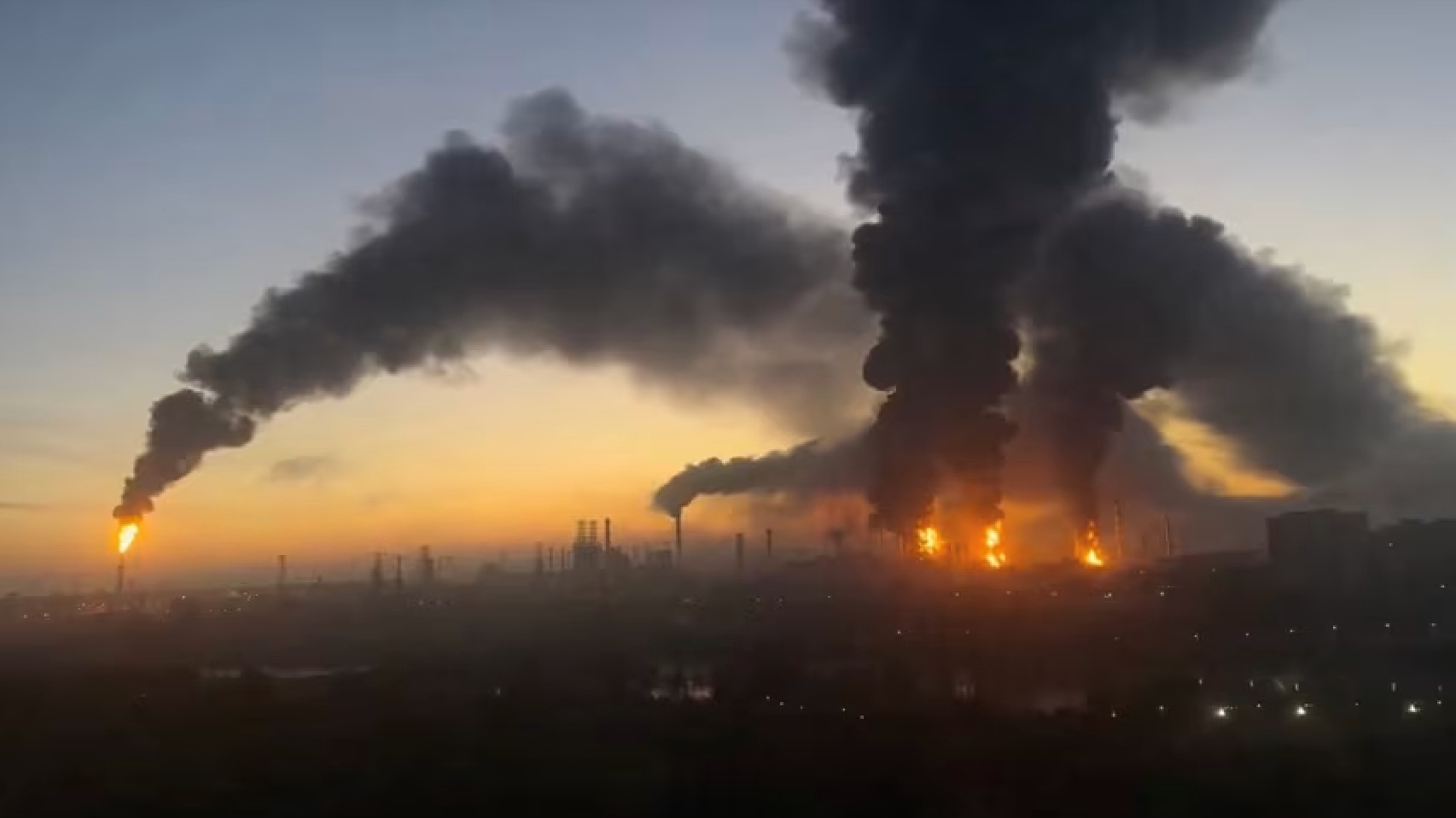
Ukraine has targeted Russian energy installations in recent months as part of its campaign against facilities that supply fuel and revenue to Moscow.
Those attacks have disrupted refinery operations and contributed to fuel shortages in Russia.
The Kremlin has condemned the strikes and accused Ukraine of targeting civilian infrastructure.
Kyiv maintains that Russian oil revenues help finance the war and that attacks on energy installations are intended to reduce Moscow’s military capabilities.
The United States has increasingly pressed Ukraine to end those operations.
Zelenskyy Reports Missing Intelligence Warnings
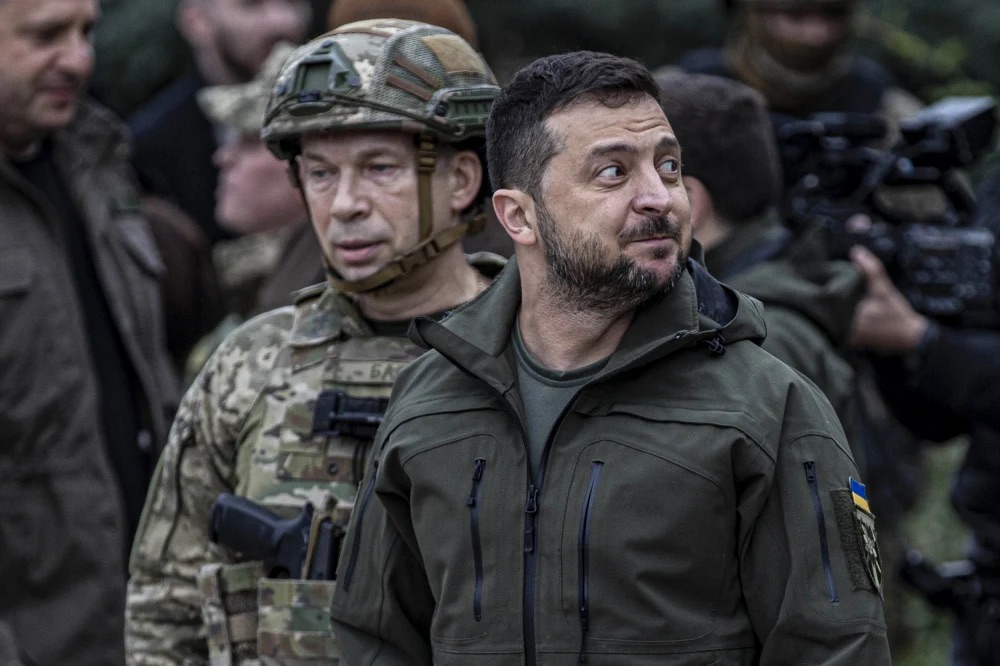
Questions about American intelligence cooperation intensified after Russian ballistic missiles struck Kyiv without advance warnings from Ukraine’s international partners.
Zelenskyy said Ukrainian authorities had received no early warning of five missiles launched towards the capital.
He did not identify which countries had failed to provide the information.
According to The Associated Press, the president said advance intelligence about ballistic missile launches was essential for protecting civilians.
US surveillance systems can detect missile launches and provide information that helps Ukraine activate its air defences and warn residents to seek shelter.
The absence of warnings raised questions about whether intelligence cooperation had already been restricted.
Trump denied that Washington had suspended the service.
“We are helping them, and we are sharing intel,” he told reporters at the White House.
A senior Ukrainian official also indicated that the failure to provide advance warning may have been caused by technical or operational circumstances rather than a deliberate decision.
The Ukrainian Air Force later confirmed that its international partners had provided warnings during subsequent waves of Russian missile attacks.
The distinction is significant because the reported American threats have not been confirmed as a complete suspension of intelligence sharing.
Russian Strikes Leave 600,000 Without Electricity
The intelligence dispute comes as Russia intensifies attacks on Ukraine’s electricity network.
Russian missile and drone strikes on Wednesday damaged energy installations in Kyiv, Kharkiv, and surrounding regions.
Ukrainian authorities reported that at least 600,000 people were left without electricity.
Russia’s Defence Ministry acknowledged attacking six Ukrainian power facilities, describing them as infrastructure supporting military operations.
The Ukrainian government said the strikes damaged facilities supplying electricity and heating to civilian populations.
According to Reuters, Ukraine intercepted only four of the 39 missiles launched during one of the attacks.
The difficulty of intercepting ballistic missiles has increased pressure on Ukraine’s air defence systems, particularly as supplies of US-made Patriot interceptors remain constrained.
The attacks have also renewed concerns about Ukraine’s ability to protect its electricity network during the approaching winter.
Russian Diesel Agreement Adds to Dispute
The disagreement over Ukrainian attacks on oil refineries follows a separate energy arrangement between Washington and Moscow.
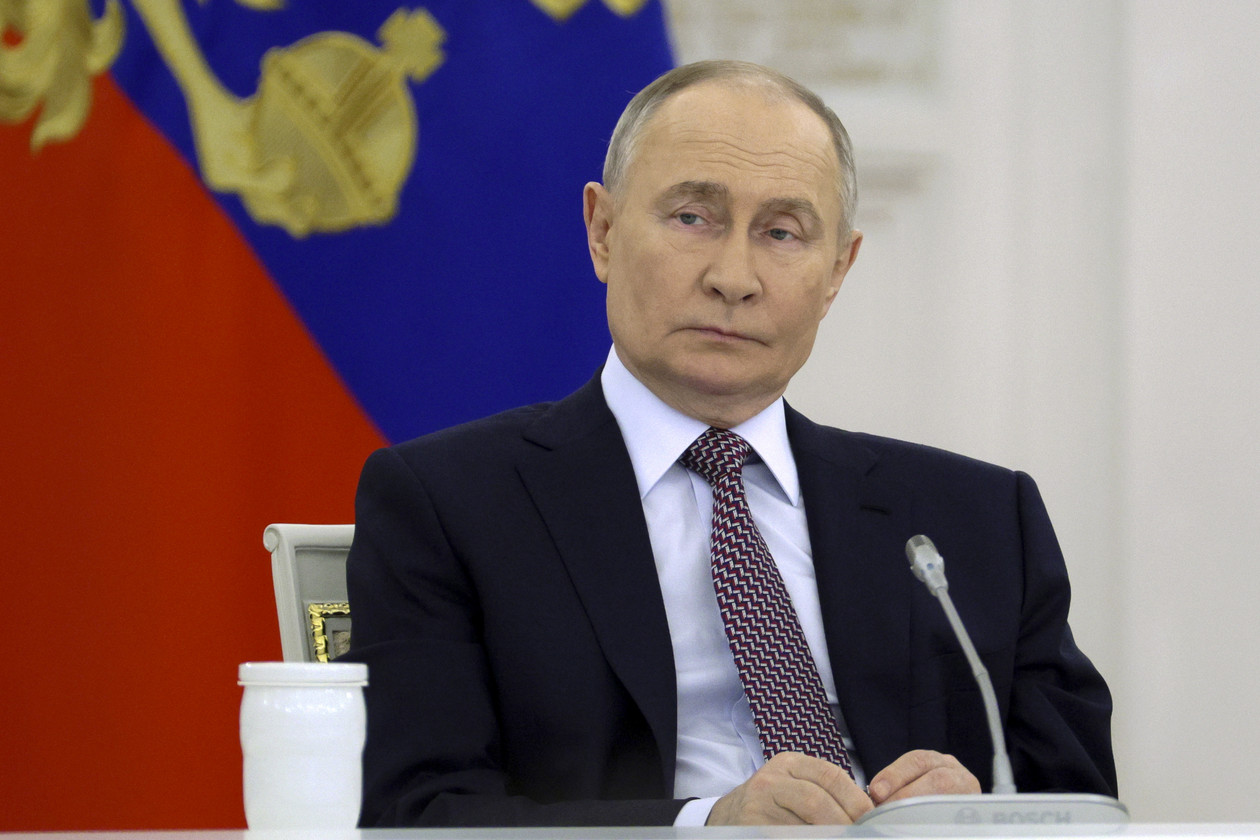
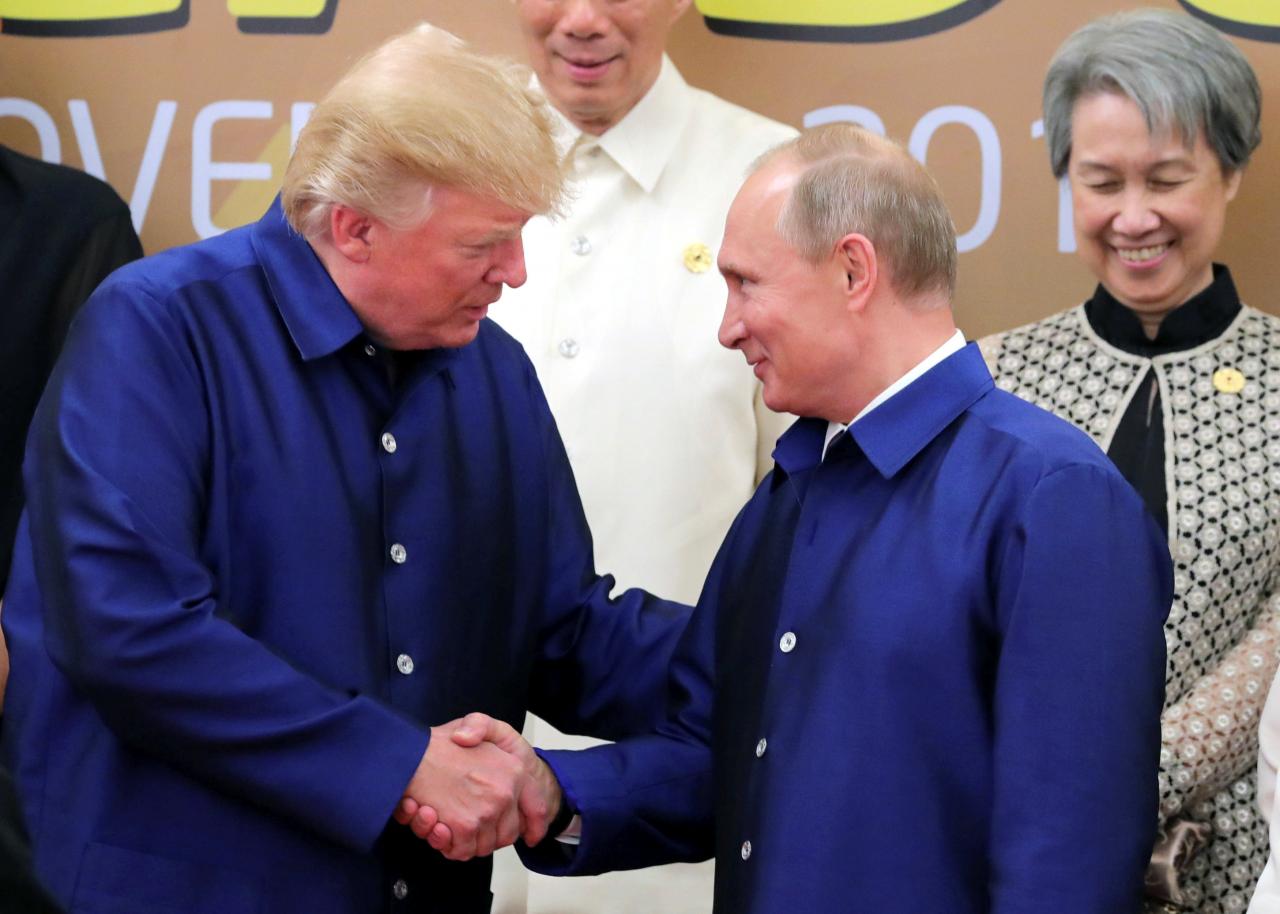
Trump recently agreed with Russian President Vladimir Putin to permit additional Russian diesel exports in an effort to ease high fuel prices.
The agreement includes plans to release more than 300,000 metric tonnes of Russian diesel into international markets.
Washington also eased certain restrictions on Russian energy exports.
Trump has argued that attacks on Russian refineries are contributing to higher diesel prices.
However, the arrangement has drawn criticism from lawmakers in both major American political parties and from European officials who say additional Russian energy revenue could support Moscow’s war.
Italian Prime Minister Giorgia Meloni described the agreement as a risky decision that could undermine efforts to pressure Russia into ending the conflict.
The administration has defended its approach as part of efforts to reduce fuel prices and negotiate an end to the war.
Trump has also publicly criticised Zelenskyy’s leadership, arguing that Ukraine needs a different president to advance peace negotiations.
Zelenskyy has responded that Ukraine’s political leadership must be determined by Ukrainians.

European Allies Face Questions Over Continued Support
The possibility of restrictions on American weapons sales has raised concerns among European governments financing military assistance to Ukraine.
The PURL programme depends on the United States approving and supplying equipment purchased by allied countries.
A suspension would therefore affect weapons paid for by European governments rather than simply ending direct American financial assistance.
It could also complicate the delivery of air defence missiles and other equipment that Ukraine cannot readily obtain from alternative suppliers.
European leaders have continued to express support for Ukraine while seeking clarity about Washington’s intentions.
British Prime Minister Andy Burnham pledged additional military assistance during Zelenskyy’s visit to London, including faster deliveries of air defence equipment.
The Ukrainian president has also held discussions with European leaders about continued weapons deliveries and protection of civilian infrastructure.
For now, the American warnings remain a threat rather than a confirmed termination of military and intelligence cooperation.
Trump has said intelligence sharing is continuing, while Ukrainian authorities maintain that their military still requires reliable access to American information and equipment.
The dispute remains unresolved as Russia continues its attacks and the proposed energy ceasefire has yet to take effect.