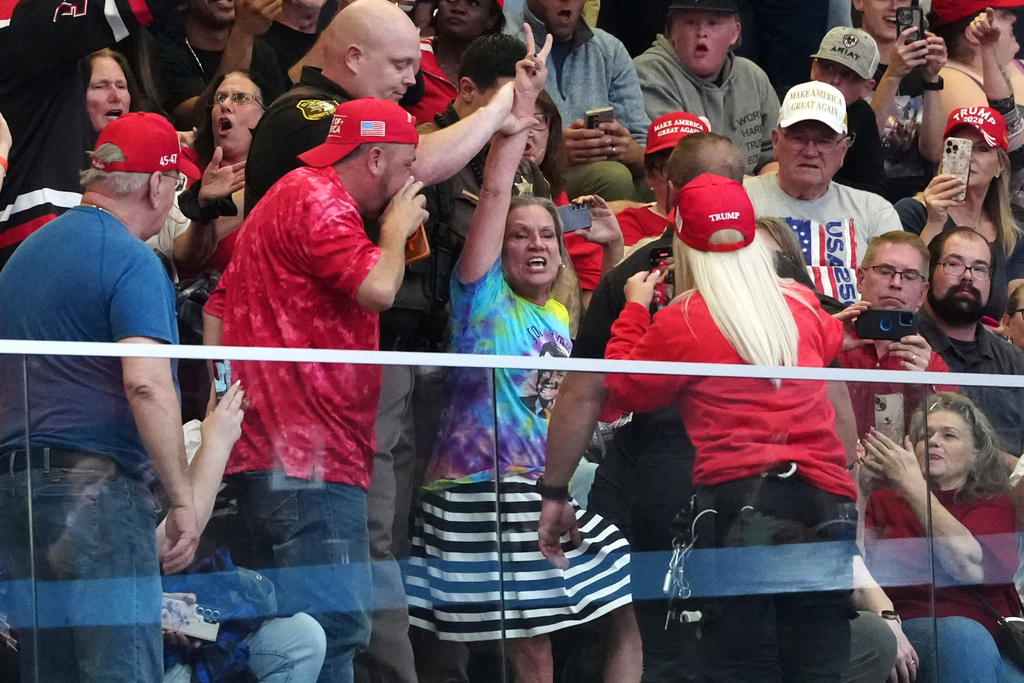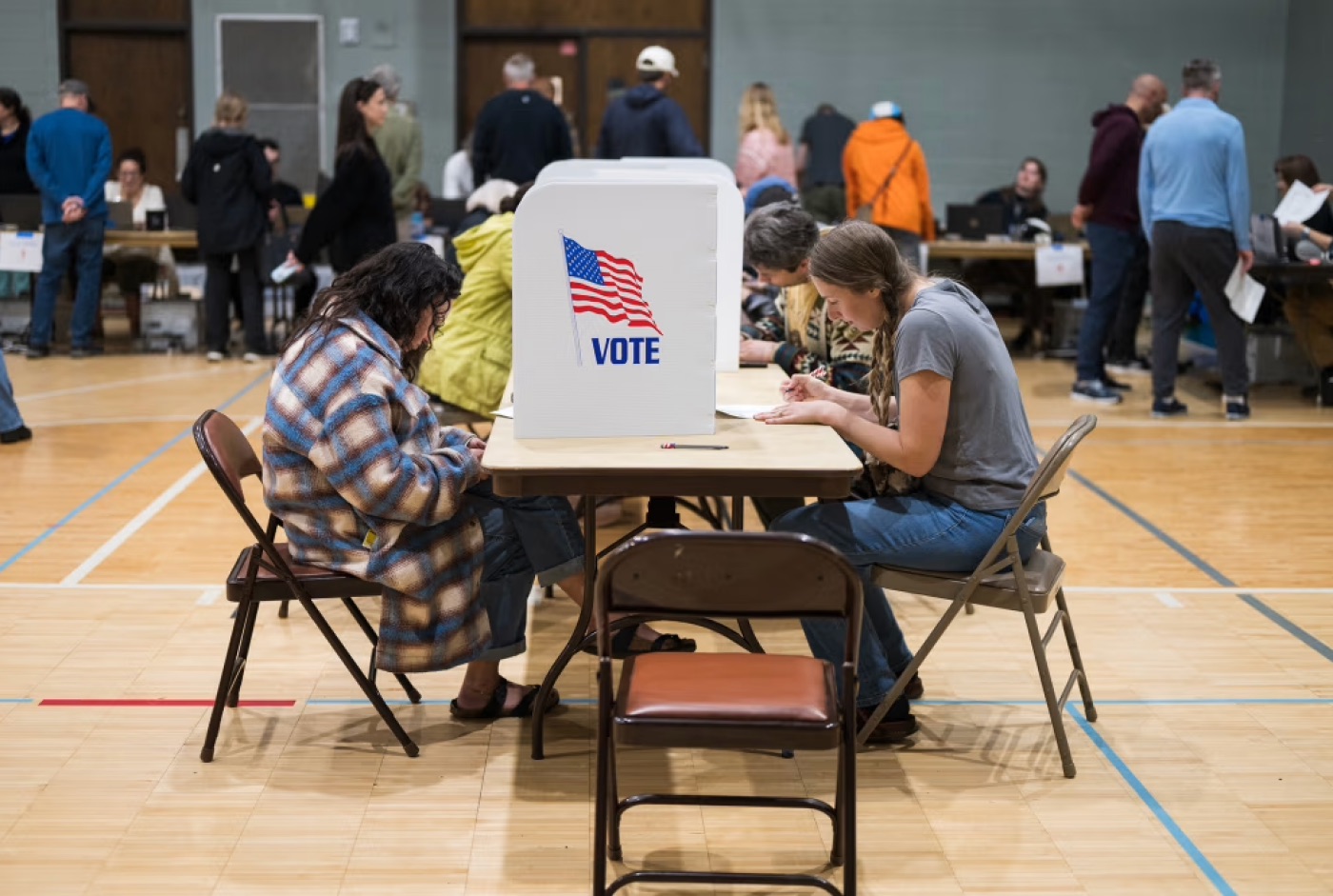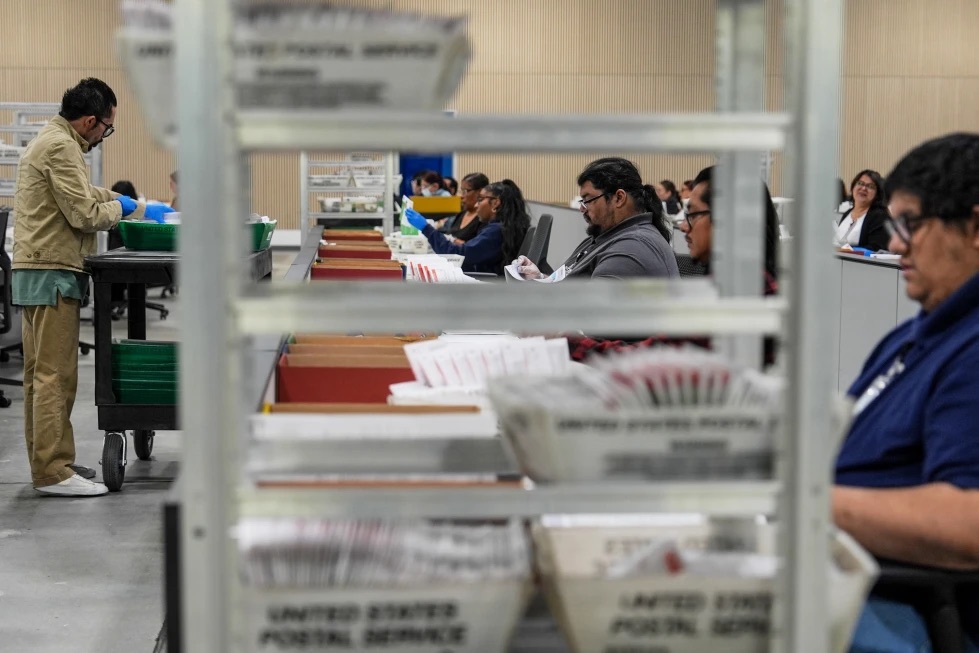


WASHINGTON, United States — The Democratic Party’s victory in the US midterm elections is reshaping expectations about American foreign policy.
Governments in Europe, Asia, and the Middle East are assessing what the results could mean for President Donald Trump’s wars, tariffs, and relations with US allies.
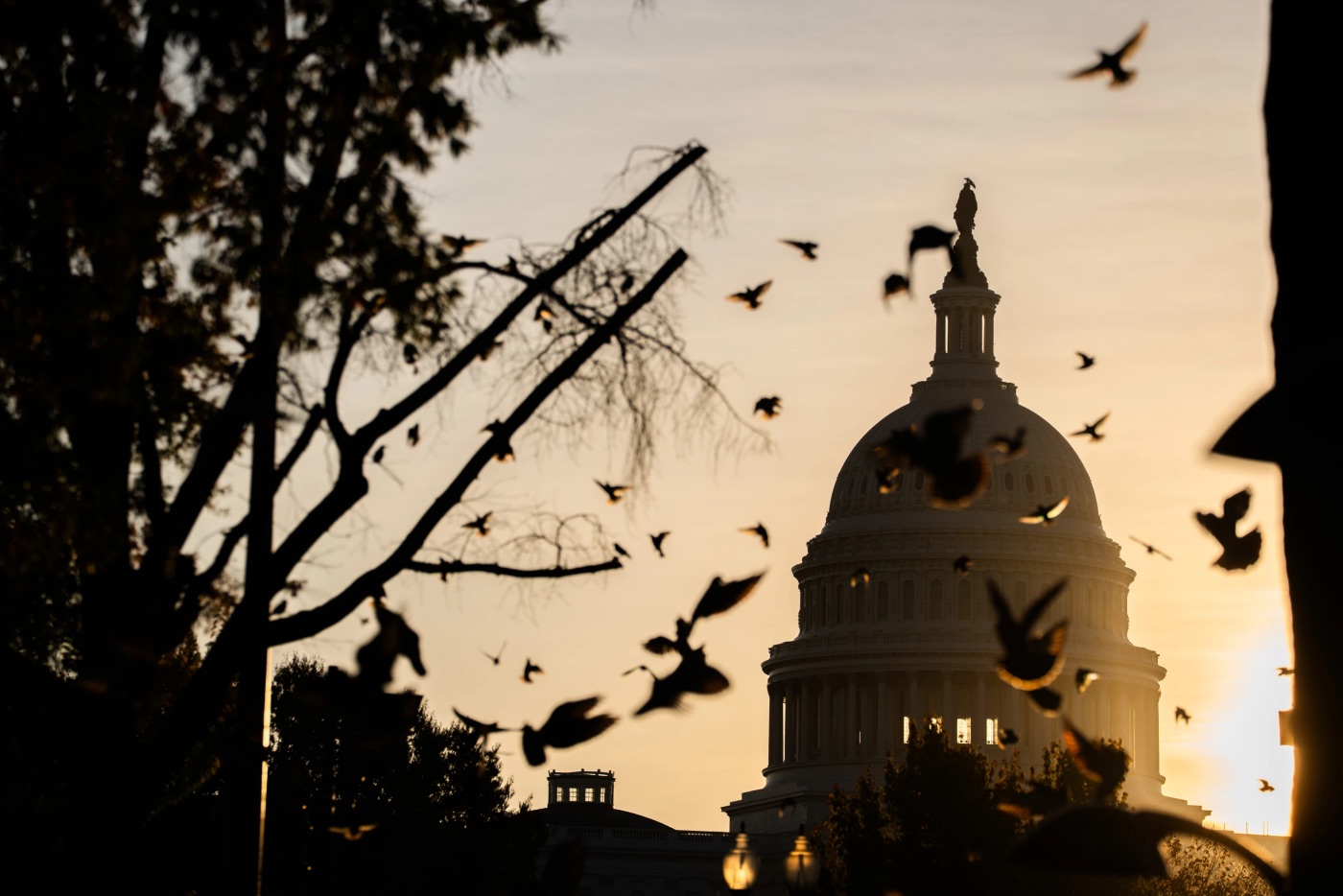
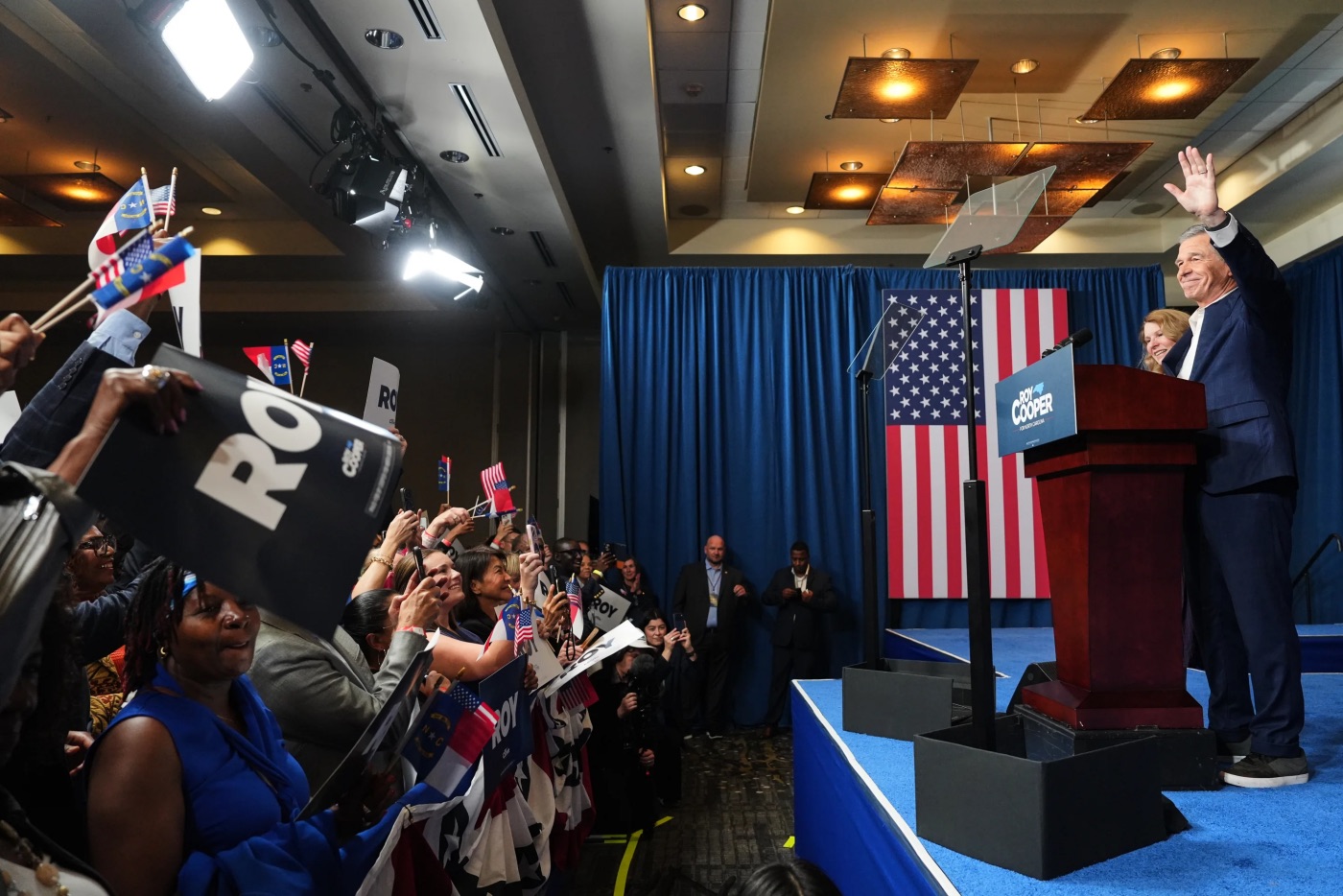
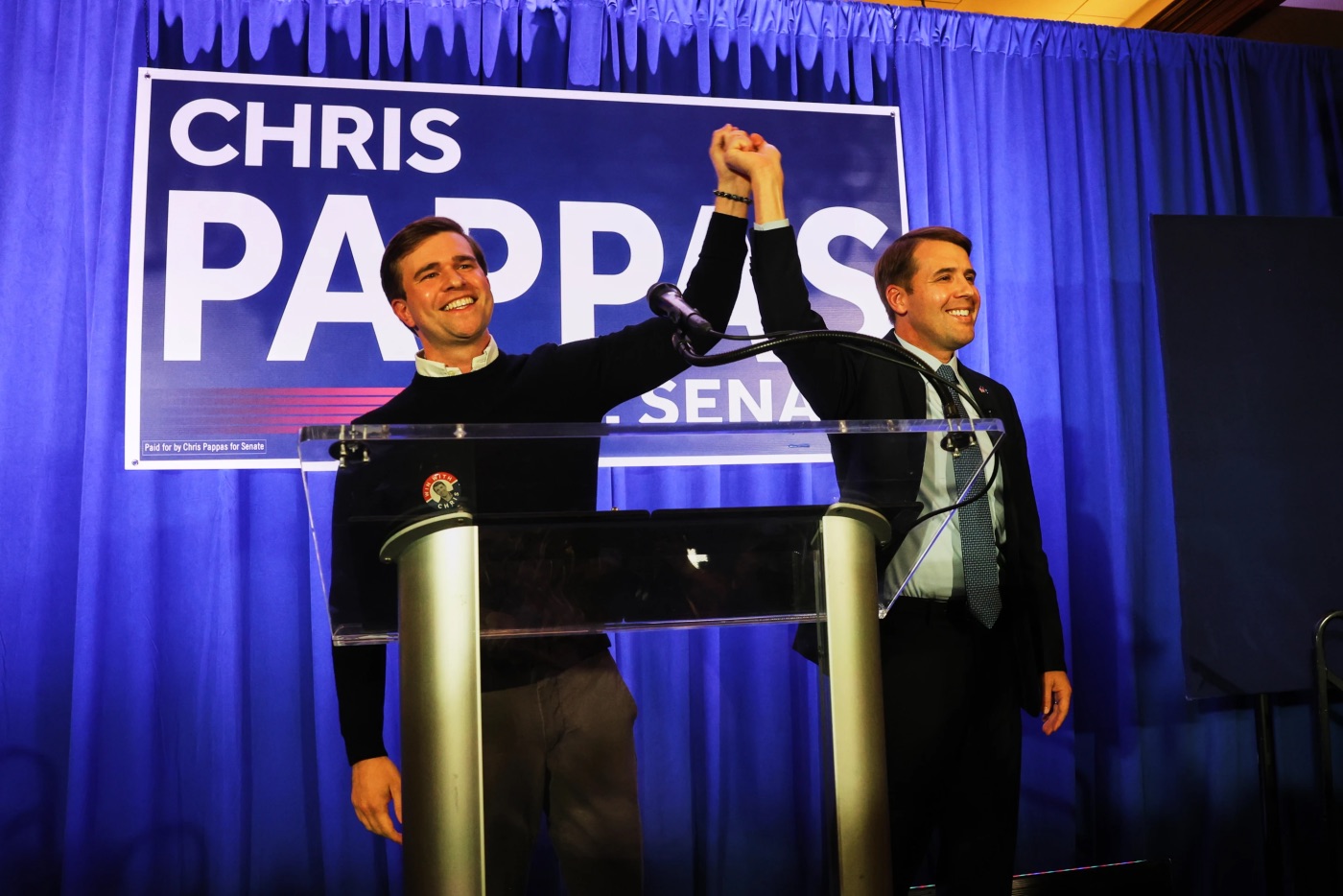
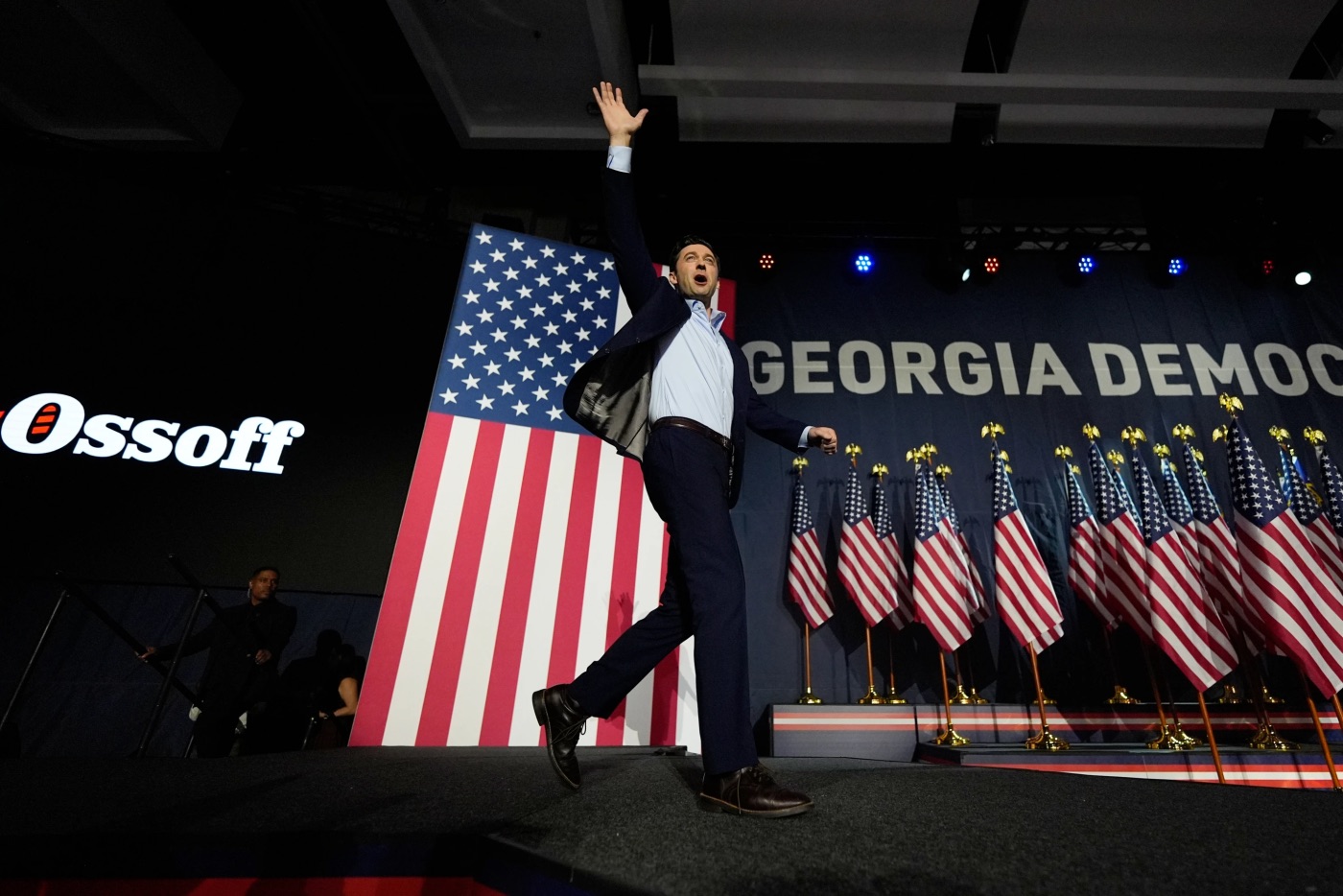
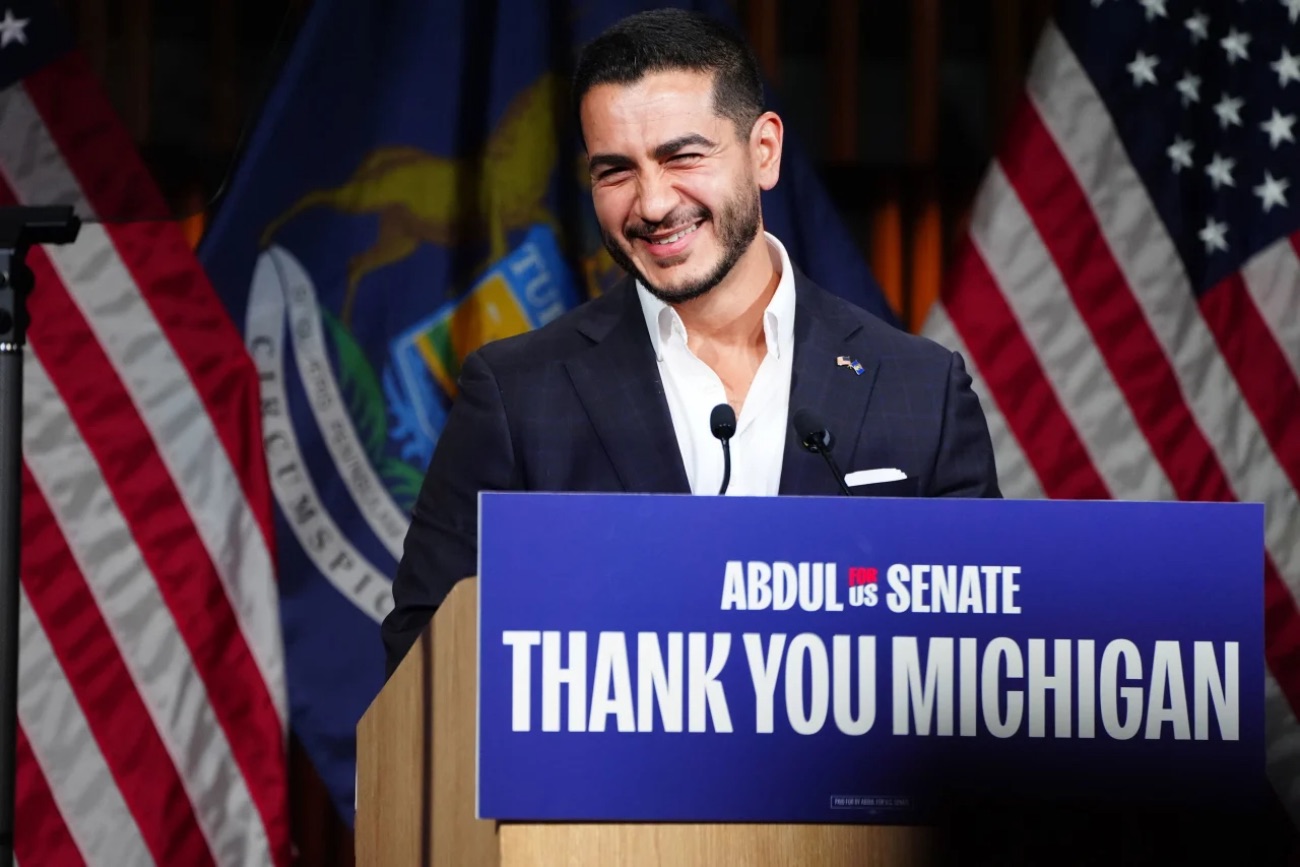
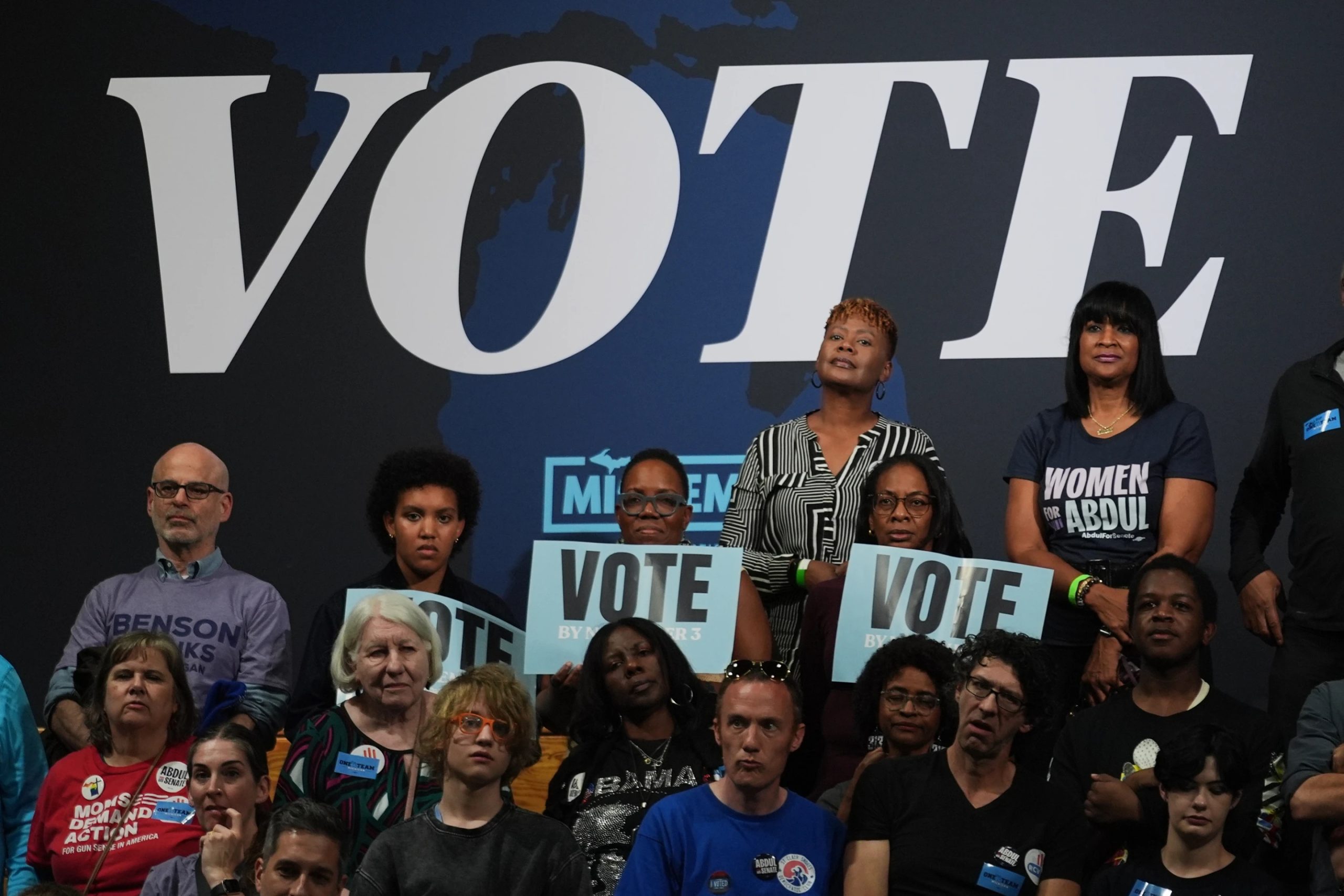
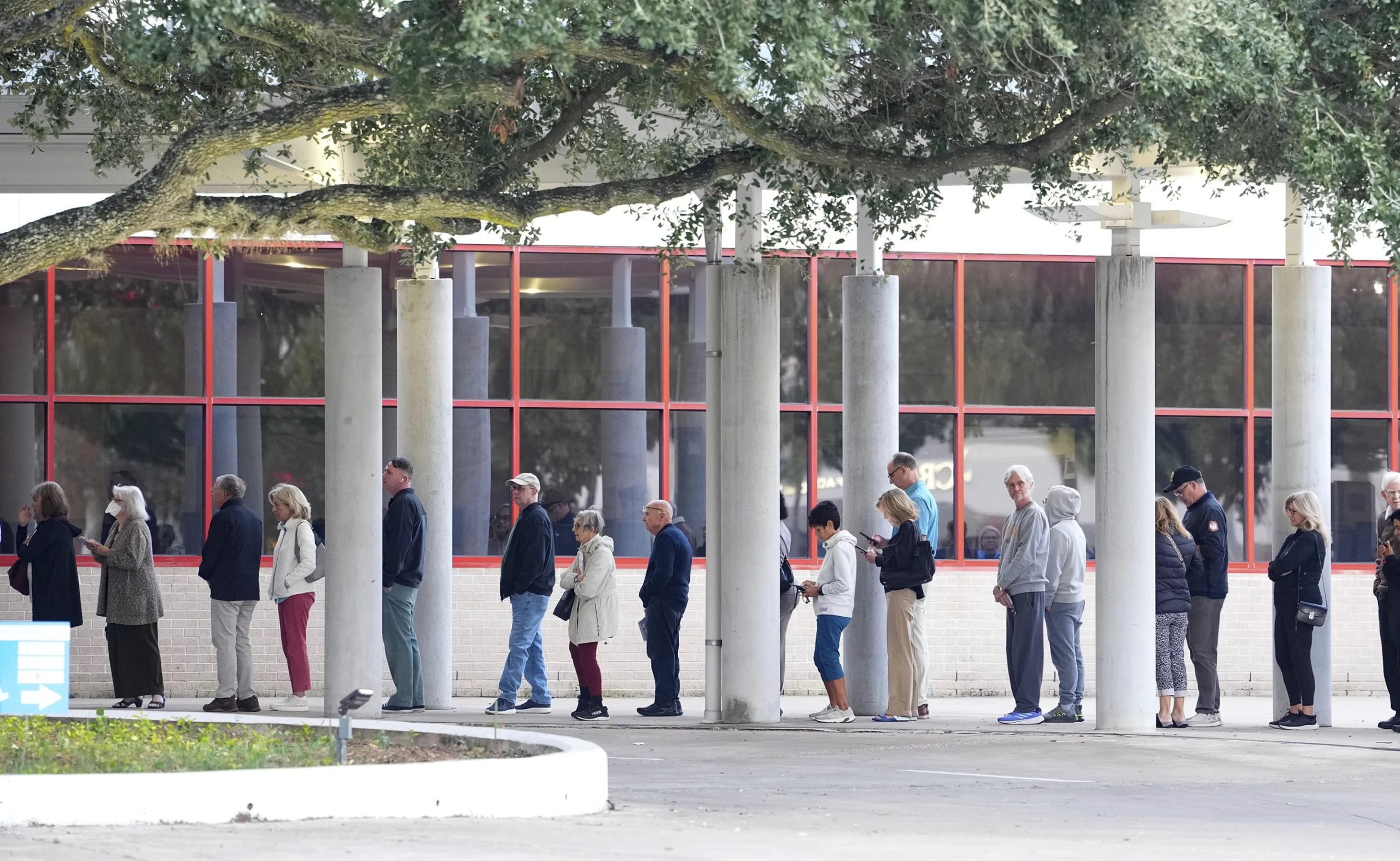
Democrats have won control of both the House of Representatives and the Senate. The victory ends Republican control of Congress and gives the opposition new powers to challenge the president.
The international response became evident on Wednesday, November 4, 2026, when oil prices fell sharply and financial markets reacted to the political shift in Washington.
But the election does not remove Trump from office. He will remain president until January 2029, with substantial authority over military operations, diplomacy, and trade.

Oil Prices Fall as Markets Look Towards Iran Peace Talks
The most immediate international reaction came from energy markets.
Oil prices fell by more than 8 per cent on Wednesday as investors considered whether Trump’s election setback could encourage him to negotiate an end to the war with Iran.
Brent crude dropped 8.7 per cent to $94.62 a barrel. US West Texas Intermediate fell 8.3 per cent to $88.12.
Both benchmarks recorded their lowest closing prices since August.
The eight-month conflict involving the United States, Israel, and Iran has disrupted oil and liquefied natural gas supplies from the Gulf.
Those disruptions have contributed to higher fuel costs internationally.
According to Reuters, officials in some Gulf countries believe the Democratic victory gives Trump a stronger incentive to pursue a negotiated settlement.
Two sources familiar with regional government discussions said another large American military offensive against Iran now appeared less likely.
However, analysts warned that Tehran could interpret the election results differently.
Ebtesam al-Ketbi, president of the Emirates Policy Center, said the outcome could encourage negotiations if Iranian officials believed Washington was genuinely interested in an agreement.
But she cautioned that a perception of American weakness could also produce further military escalation.
The political uncertainty has therefore created competing possibilities for the conflict.

Israel Faces Prospect of Greater Congressional Scrutiny
Israel could also face changes in its relationship with Washington.
Democratic control of Congress gives lawmakers greater authority to examine American military assistance and arms sales to Israel.
The party could also increase scrutiny of Israeli military operations in Iran, Gaza, and Lebanon.
Such investigations would not automatically result in reduced military assistance. Any legislative restrictions could face a presidential veto.
The election results have nevertheless entered Israel’s domestic political debate.
Opponents of Prime Minister Benjamin Netanyahu have criticised his handling of relations with the United States, arguing that Israel has lost some of the bipartisan support it previously enjoyed in Washington.
Their criticism follows Israel’s inconclusive parliamentary election in October, which left Netanyahu’s political bloc without a governing majority.
Political leaders are now attempting to form a new coalition.
The Democratic victory in Washington has added another consideration to those negotiations.

Ukraine Sees Opening for Renewed American Support
Ukraine’s government and its European supporters are also examining the implications of the election.
Trump has largely halted direct American financial and military assistance to Kyiv during its war with Russia.
His administration has also relaxed certain restrictions on Russian energy exports, drawing criticism from some Republican and Democratic lawmakers.
Democrats could now introduce legislation providing additional assistance to Ukraine.
They could also pursue measures to restore sanctions against Russian energy products.
Representative Gregory Meeks of New York has already introduced bipartisan legislation intended to prevent Russian diesel from returning to international markets under the administration’s revised policies.
However, securing congressional approval would not guarantee that additional assistance reaches Ukraine.
Trump could veto legislation he opposes.
Overriding a presidential veto would require a two-thirds majority in both chambers of Congress.
Ukraine also faces a shortage of American-made Patriot air defence interceptors, which are needed to protect cities and energy infrastructure from Russian attacks.
Any new assistance approved by Congress would take time to implement.
The Kremlin has meanwhile expressed hope that the election results will not interfere with Trump’s negotiations over the conflict.
Russian officials have defended the administration’s diplomatic efforts, despite disagreements over the terms of a possible settlement.

Asian Governments Reassess Trade Agreements
The Democratic victory has created uncertainty for countries negotiating trade agreements with Washington.
Trump has used tariffs to pressure trading partners into making investment commitments and accepting changes to existing arrangements.
Some governments are now examining whether the new Congress could constrain those policies.
India is among the countries watching developments closely.
Negotiations over a US-India trade agreement have faced delays because New Delhi is seeking to protect its agricultural sector.
Anup Wadhawan, a former Indian trade secretary, told Reuters that Trump’s ability to impose tariffs could face stronger congressional opposition.
The US Constitution gives Congress authority over international commerce.
However, federal laws also allow the president to impose tariffs under certain national security and trade provisions.
Democratic lawmakers could attempt to restrict those powers, although Trump would retain the ability to veto legislation.
China is also assessing the consequences.
Chim Lee, an industrial policy analyst at the Economist Intelligence Unit, said broader economic relations between Washington and Beijing could remain in a state of “fragile stability”.
Analysts believe some Asian governments may slow the implementation of investment commitments negotiated with Trump if they conclude that his bargaining position has weakened.
Those assessments remain possibilities rather than announced policy changes.

Canada Says Its Trade Strategy Will Continue
Canada has taken a more definite position.
Dominic LeBlanc, the minister responsible for trade relations with the United States, said Ottawa would not alter its negotiating strategy because of the election.
LeBlanc confirmed plans to speak with US Commerce Secretary Howard Lutnick and Trade Representative Jamieson Greer.
The two countries remain engaged in negotiations over tariffs and broader commercial relations.
Prime Minister Mark Carney has also been pursuing closer trade relationships outside North America.
According to a separate Reuters report, LeBlanc said the election results would not significantly affect the Canadian government’s work.
His comments indicate that Ottawa intends to continue negotiating with the Trump administration rather than wait for Democrats to assume congressional control.

Europe Faces New Questions Over Tariffs
European governments are also examining whether the Democratic victory could influence future US trade measures.
Trump has threatened to impose tariffs of 100 per cent on European countries that levy digital services taxes on major American technology companies.
The administration has also questioned a €3 billion loan from the European Investment Bank to Airbus.
The dispute threatens to complicate trade arrangements that have helped stabilise relations between Washington and the European Union since 2025.
Democratic control of Congress could give European governments additional political contacts in Washington.
However, it does not guarantee changes to the president’s trade policies.
European leaders must still negotiate with the White House, which retains substantial authority over the implementation of existing trade laws.
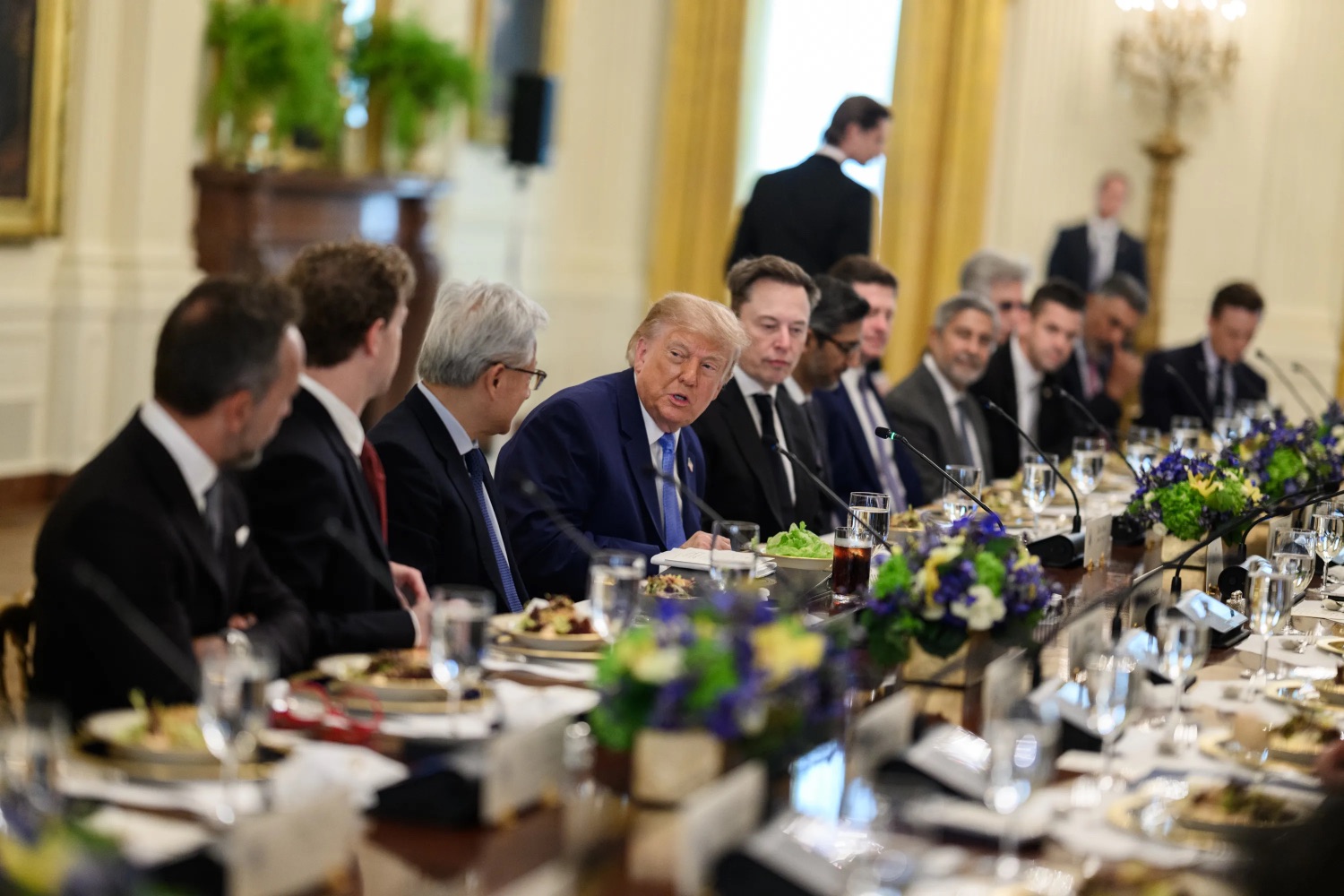
Artificial Intelligence Industry Faces Regulatory Uncertainty
The election results have also affected technology companies.
Investors are concerned that Democrats could introduce additional regulations affecting artificial intelligence and the construction of data centres.
Exit polling identified concerns among American voters about the rapid expansion of AI infrastructure.
Large data centres require substantial electricity and water supplies, prompting debates in some communities about their environmental and economic effects.
Shares in several major Asian technology companies declined following the election.
They included Taiwan Semiconductor Manufacturing Company, Samsung Electronics, SK Hynix, and Kioxia.
American data centre operators also recorded losses in pre-market trading.
Jake Dollarhide, chief executive of Longbow Asset Management, told Reuters that Democratic control of Congress could lead to greater regulatory scrutiny of the industry.
However, no new federal AI restrictions had been enacted as a result of the election.
The market reaction reflected investor expectations rather than an immediate change in the law.
Trump’s Presidential Powers Remain Intact
The international consequences of the Democratic victory will depend partly on how Congress uses its new authority.
Democrats can chair congressional committees, conduct investigations, summon government officials, and scrutinise foreign policy decisions.
They can also propose legislation governing trade, military assistance, sanctions, and federal spending.
The Senate will have authority to approve or reject presidential nominees for senior government and diplomatic positions.
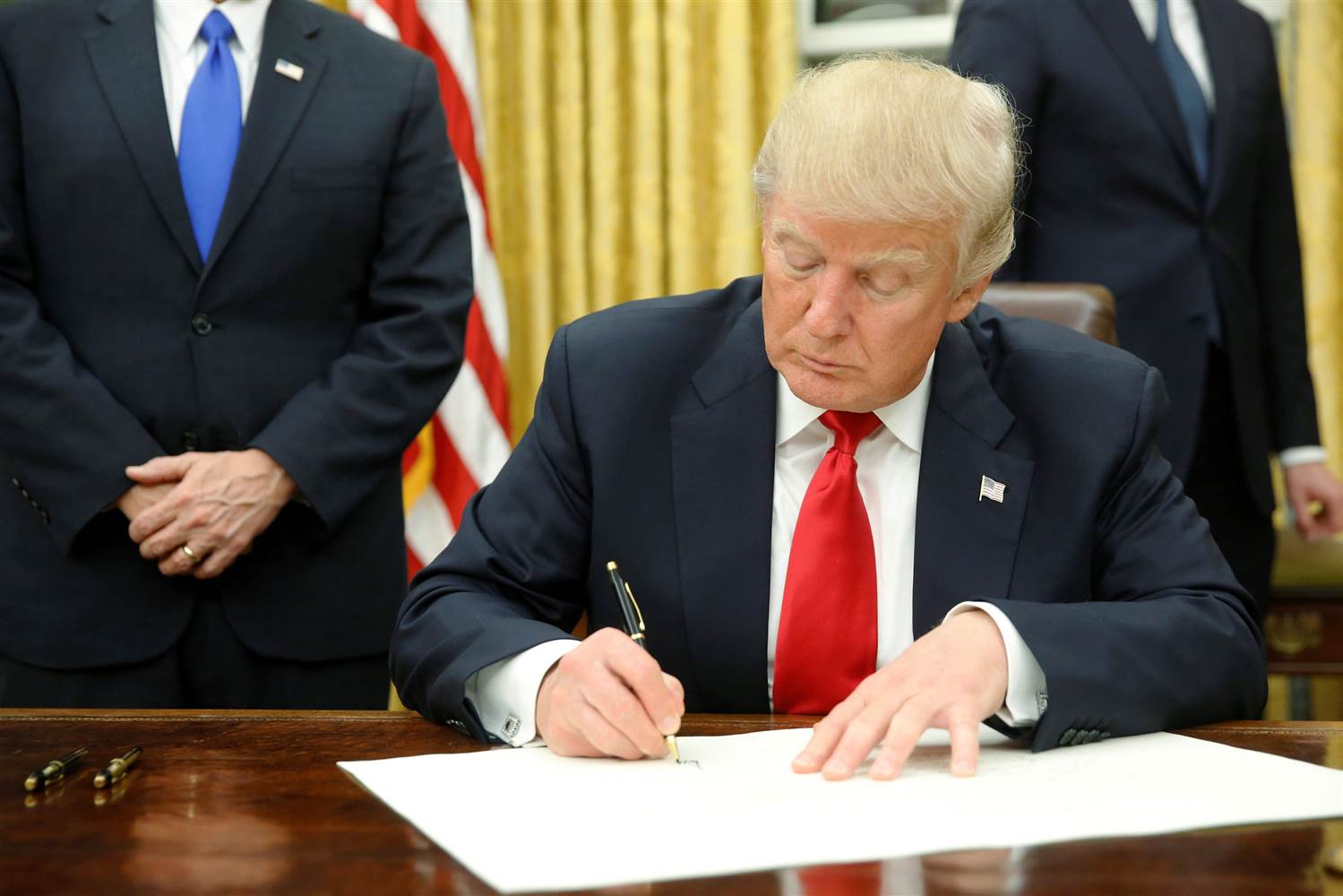
But Trump retains his constitutional powers as president.
He will continue to direct American diplomacy and military operations within the limits of US law.
He can also veto legislation passed by Congress.
Democrats would need substantial Republican support to override those vetoes.
The result is a new balance of power in Washington, rather than an immediate transfer of foreign policy control.
For America’s trading partners, allies, and adversaries, the election has introduced new political constraints and opportunities.
Whether those changes lead to revised trade agreements, additional assistance to Ukraine, or an end to the Iran war remains unresolved.