
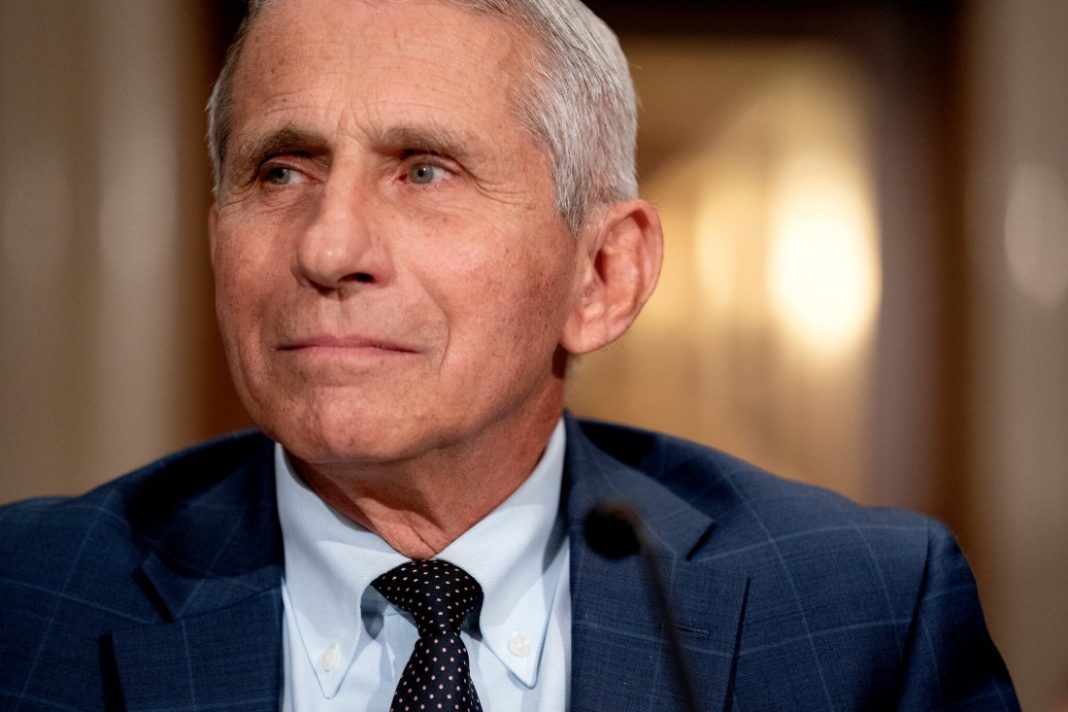

WASHINGTON, United States — A Senate inquiry into the origins of COVID-19 became a constitutional confrontation on Wednesday after Anthony Fauci refused to answer questions, saying the committee’s Republican chairman was attempting to create grounds for a criminal case against him.
Fauci invoked the Fifth Amendment at a hearing of the Senate Homeland Security and Governmental Affairs Committee on Wednesday, July 29, 2026.
The constitutional provision protects witnesses from being compelled to give testimony that could expose them to prosecution.
The former director of the National Institute of Allergy and Infectious Diseases said his decision followed legal advice and reflected his belief that Senator Rand Paul had called the hearing to advance a longstanding campaign to have him prosecuted.
Fauci Accuses Paul of Seeking an Incriminating Statement
Fauci used his opening remarks to challenge the purpose of the hearing before declining to participate in questioning.
He cited Paul’s previous calls for his prosecution, public accusations that he had lied to Congress and the release of his unredacted personal journal.
“The only conclusion I can reach is that the sole reason he is calling me before this committee is to get me to say something that could vindicate his repeated public pledges that I end up, in his words, ‘behind bars,’” Fauci said.
“Any reasonable person who has followed his unhinged obsession with me would readily come to the same conclusion,” he continued.
Fauci said the decision was difficult because he had spent decades responding to congressional inquiries and regarded legislative oversight as an important part of government accountability.
“Therefore, although it pains me to do so because of the respect that I have for the legislative branch of government and my decades long record of cooperating with Congress, under the advice of my attorneys, I will invoke my right under the 5th Amendment of the Constitution to refrain from answering your questions.”
He subsequently declined to provide substantive responses as Paul questioned him about the government’s handling of the pandemic and research connected to the origins of the coronavirus.
Paul Says Truthful Testimony Carries No Perjury Risk
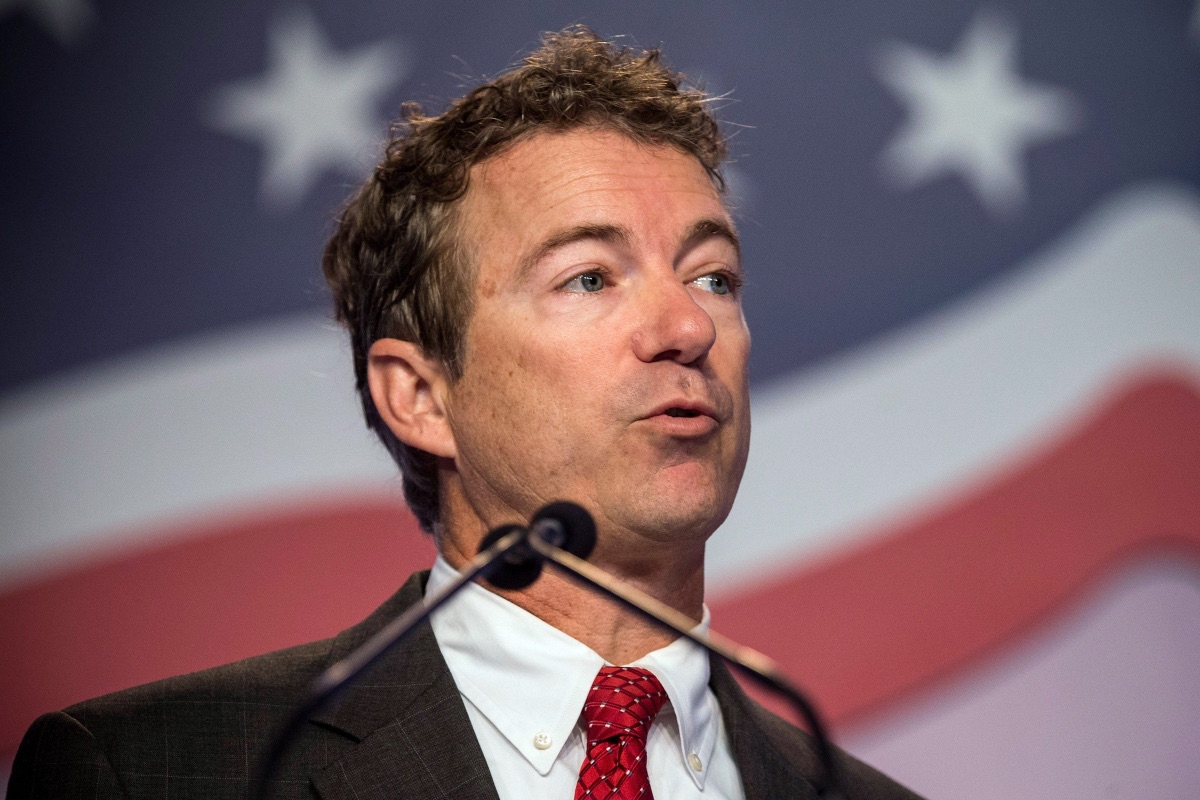
Paul has repeatedly accused Fauci of giving Congress false information about research supported by the National Institutes of Health.
The Kentucky senator has focused much of his criticism on whether American funding supported research at the Wuhan Institute of Virology that could be described as gain-of-function work.
Fauci has denied lying to Congress and has disputed Paul’s characterisation of the research.
Before the hearing, Paul rejected suggestions that he was attempting to manoeuvre Fauci into committing perjury.
“There’s no risk to perjury if you tell the truth,” Paul said. “In fact, he can even admit to not telling the truth in the past. He can admit destroying records. He can admit to, you know not adequately presenting both sides of equations, which isn’t really a crime. He can admit to anything. The only thing he can’t do is lie again.”
No criminal charge has been filed against Fauci in connection with his previous congressional testimony.
Paul nevertheless indicated that he believed the hearing could establish whether further legal action was warranted.
Fauci maintained that the senator had already reached a conclusion and was using the committee process to seek material that might support it.
Biden Pardon Does Not Cover New Testimony
The legal risk surrounding the hearing was complicated by a pardon issued by President Joe Biden before he left office in January 2025.
The pardon covered possible federal offences connected to Fauci’s government service from January 1, 2014, through the date it was issued.
It included his work as director of the National Institute of Allergy and Infectious Diseases, a member of the White House Coronavirus Task Force and chief medical adviser to the president.
At the time, Fauci said he had been “the subject of politically motivated threats of investigation and prosecution.” He also said he had “committed no crime.”
The pardon would not protect Fauci from an allegation arising from statements made after it was granted, including any accusation that he provided false testimony at Wednesday’s hearing.
That distinction formed part of his lawyers’ concern about allowing him to answer questions from a chairman who had repeatedly raised the possibility of prosecution.
Paul suggested before the hearing that questions remained about the pardon and whether its validity or scope might be contested.
“I think there are a couple of questions,” Paul said, adding that “we’re going to find out” at the hearing.
“Whether that will be challenged, I don’t know,” he said.
Covid Origins Dispute Returns to Congress
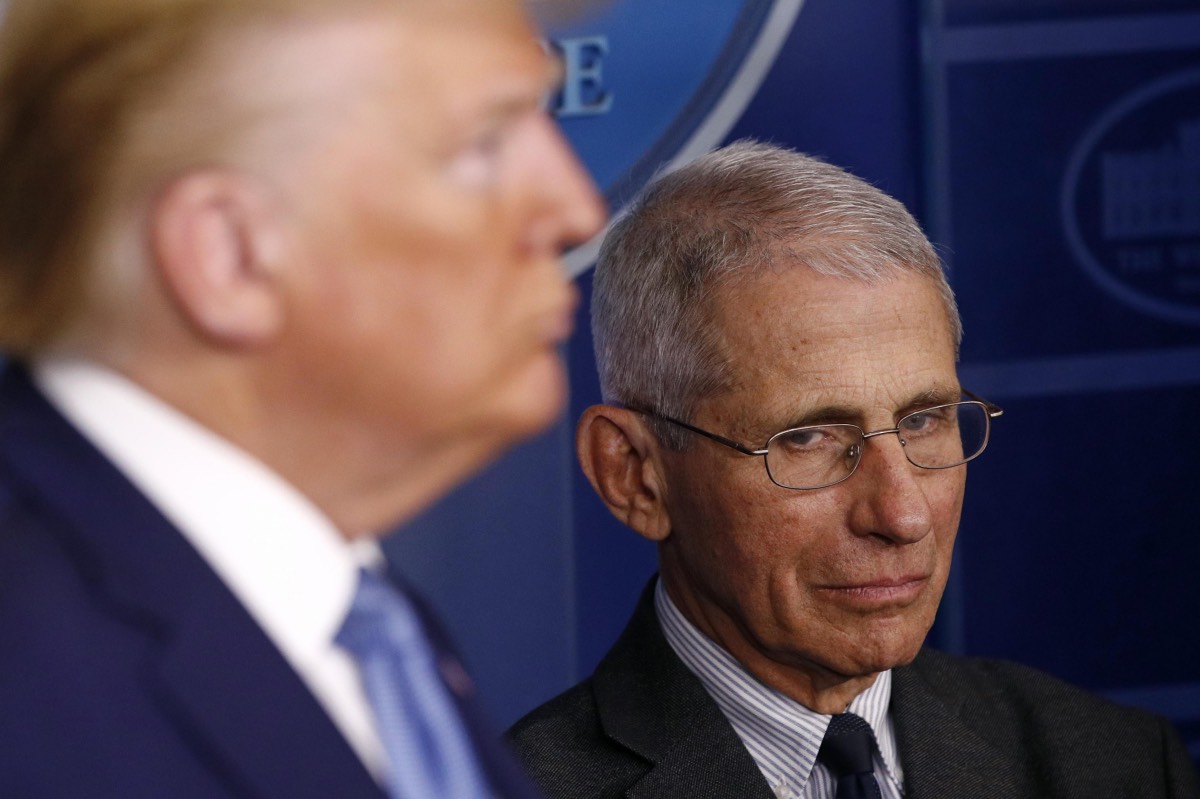
The hearing revived a conflict that repeatedly placed Fauci and Paul on opposite sides of televised Senate exchanges during the pandemic.
Paul has alleged that Fauci misrepresented the nature of research supported by American funding and failed to provide a complete account of discussions about the possible origins of Covid-19.
Fauci has consistently rejected claims that he concealed evidence, participated in a cover-up or knowingly misled lawmakers.
The disagreement also involves competing uses of the term gain-of-function, which can refer broadly to research that changes the characteristics of a pathogen but is defined more narrowly under certain federal regulatory rules.
Paul argues that the work in Wuhan fell within the term; Fauci has said it did not meet the applicable government definition.
The origin of Covid-19 remains unresolved.
American intelligence agencies have reached differing assessments about whether the virus emerged through natural transmission or from a laboratory-related incident. No publicly available evidence has conclusively settled the question.
Fauci’s refusal meant the hearing produced no new testimony from the former health official on those disputes.
Instead, the proceeding underscored how questions surrounding the pandemic have shifted from disagreements over scientific evidence and public-health policy into a prolonged political and legal battle between Fauci and one of his most determined congressional opponents.