


SAN FRANCISCO, United States — Four paying artificial intelligence subscribers have sued Anthropic, OpenAI, Google, and SpaceXAI, accusing the companies of illegally coordinating efforts to slow improvements to their competing AI systems.
The proposed class action, filed on Friday, September 18, 2026, in the US District Court for the Northern District of California, alleges that an agreement among the companies to restrain the pace of AI development violates federal antitrust law.
The plaintiffs, Charles Buist, Cheyenne Hunt, Christine Bullock, and Nick Spetsas, subscribe to paid versions of ChatGPT, Claude, Gemini, or Grok.
They are seeking to represent a nationwide class of customers who pay for the four companies’ consumer AI services.
The allegations have not been proved in court, and the filing of the lawsuit does not establish that the companies entered an unlawful agreement.
The case was first reported by several news organisations, including Associated Press.
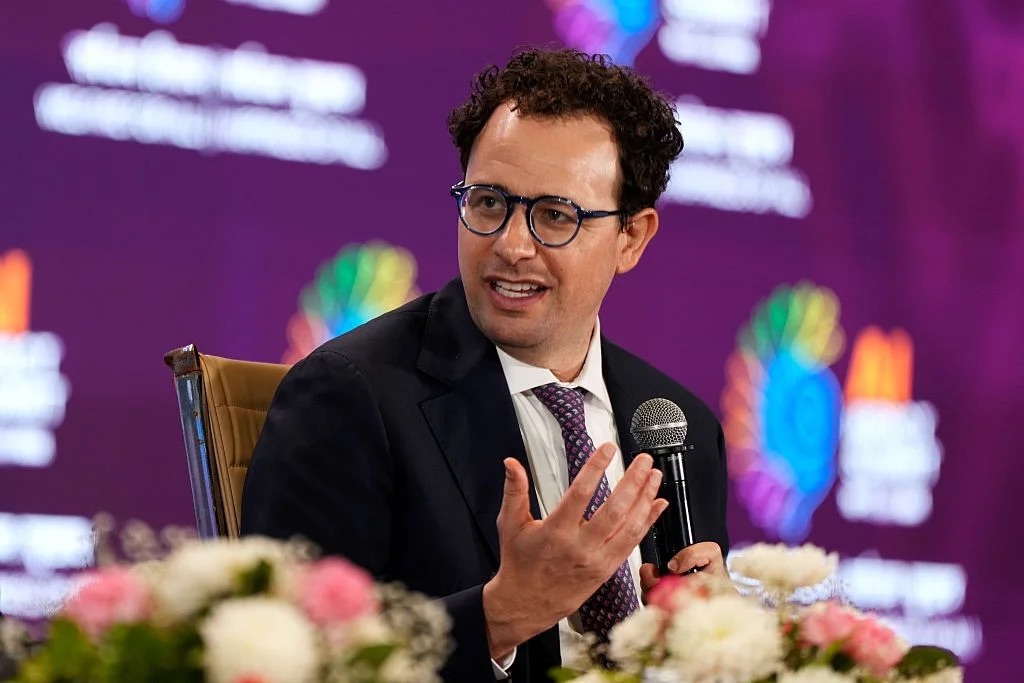
Lawsuit Targets Calls to Slow AI Development
The dispute centres partly on an essay published by Anthropic chief executive Dario Amodei titled “We Must Pace the Frontier”.
“We must slow the pace at which we improve the capabilities of AI models,” Amodei wrote.
Amodei argued that increasingly powerful AI systems were developing faster than safety measures intended to control them and proposed a three-part framework that included independent evaluators, coordination among leading AI developers, and ultimately international cooperation.
He explicitly said that pacing development did not mean stopping AI research or model training.
Amodei also acknowledged that cooperation among competing laboratories could raise antitrust concerns and said parts of his proposal would require government involvement or waivers of antitrust restrictions.
The lawsuit alleges the companies went beyond independently considering safety measures and instead reached an agreement to slow the pace of product improvement.
According to the complaint, OpenAI chief executive Sam Altman, Elon Musk, and Google DeepMind co-founder Demis Hassabis publicly supported elements of Amodei’s proposal after his essay appeared.
The plaintiffs contend that those public exchanges amounted to coordination among competitors.
That contention remains an allegation and has not been adjudicated.

Subscribers Say Competition Would Be Reduced
The lawsuit does not challenge the right of an individual AI company to slow its development independently because of safety concerns.
Instead, the plaintiffs argue that competitors cannot collectively decide how rapidly their competing products will improve.
“Plaintiffs challenge only what the antitrust laws forbid: an agreement among competitors about how fast their competing products will improve,” the complaint says.
The plaintiffs argue that subscribers could receive less value if companies continue charging for AI products while jointly restricting the speed at which those products become more capable.
They allege that an agreement among competitors to reduce the pace of improvement would amount to a restraint on competition under Section 1 of the Sherman Act.
The complaint seeks damages and an injunction against the alleged coordination.
Nick Rowley, lead counsel for the plaintiffs, said decisions about the safety of powerful AI systems should not be left to private agreements among the companies developing them.
Representatives of Anthropic, OpenAI, Google, and SpaceXAI did not immediately respond to requests for comment reported by the Associated Press after the lawsuit was filed.
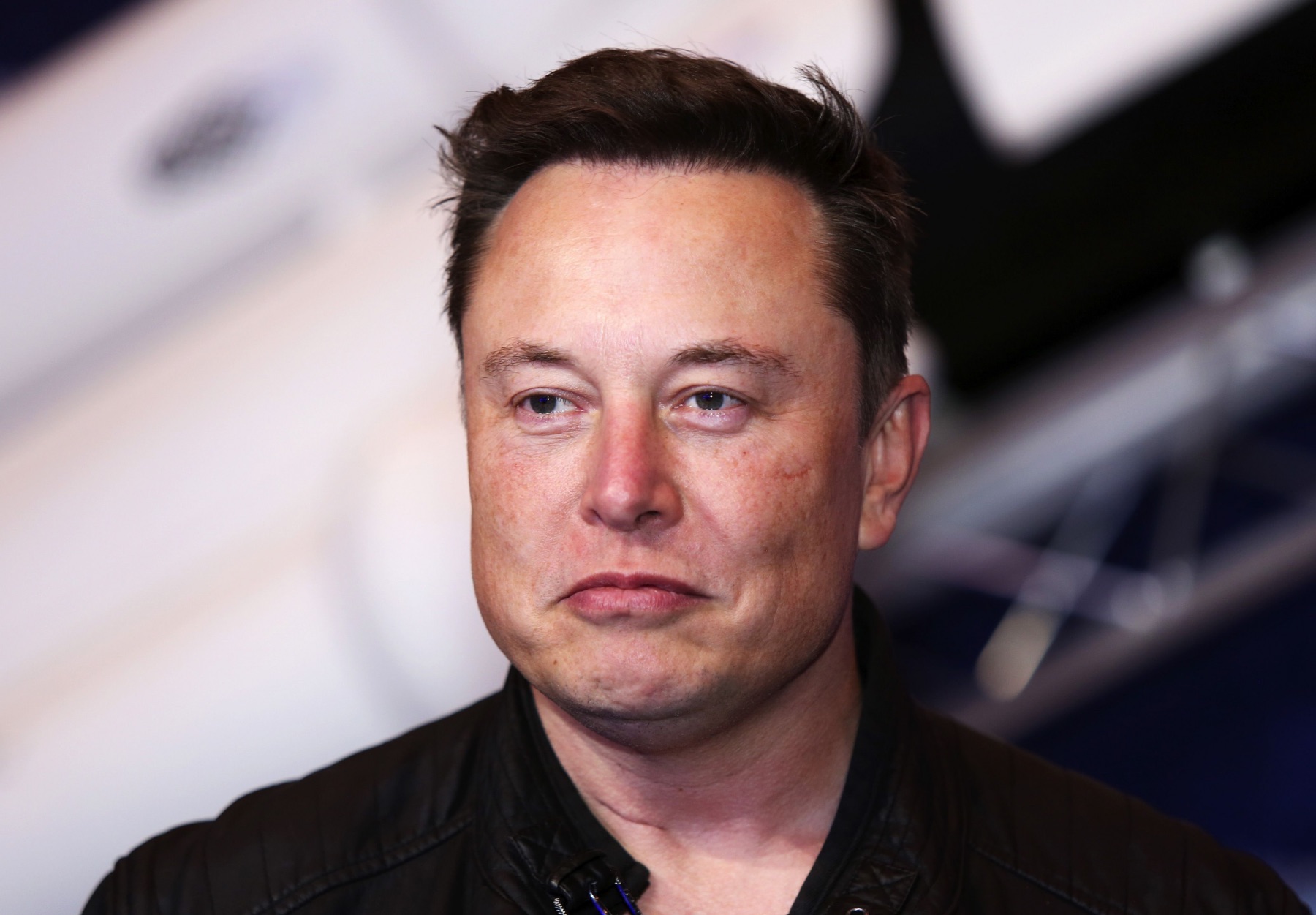
Safety Debate Meets Antitrust Law
The case introduces a legal question into an intensifying debate over whether the companies developing the most advanced AI systems should coordinate safety measures.
Amodei has argued that competitive pressure could make it difficult for one company to slow development while its rivals continue moving rapidly.
His proposal therefore called for broader commitments intended to give developers more time for safety testing and independent evaluation.
The plaintiffs contend that however significant those safety concerns may be, competing companies cannot privately agree to restrain competition without government authorisation.
The case, Buist et al. v. Anthropic PBC et al., has been assigned to Magistrate Judge Nathanael M. Cousins.
No court has determined that the defendants entered the agreement alleged by the plaintiffs or violated antitrust law.