


LONDON, United Kingdom — Bank of England Governor Andrew Bailey has warned that the surge of money into artificial intelligence could expose financial markets to sudden shocks, saying regulators must ensure the financial system can withstand them.
In an interview with the BBC published on Thursday, October 1, 2026, Bailey said the central bank was monitoring the scale of investment in the technology “very carefully” as valuations of some companies connected to the AI boom have climbed sharply.
Asked whether an AI investment bubble could eventually burst, Bailey said: “You could see some correction of asset prices at some point.”
He nevertheless described AI as a potentially important source of economic expansion, saying it had “great potential to strengthen growth in our economies”.
“But it also brings with it substantial risks and so we have to be on top of both of those,” he said.
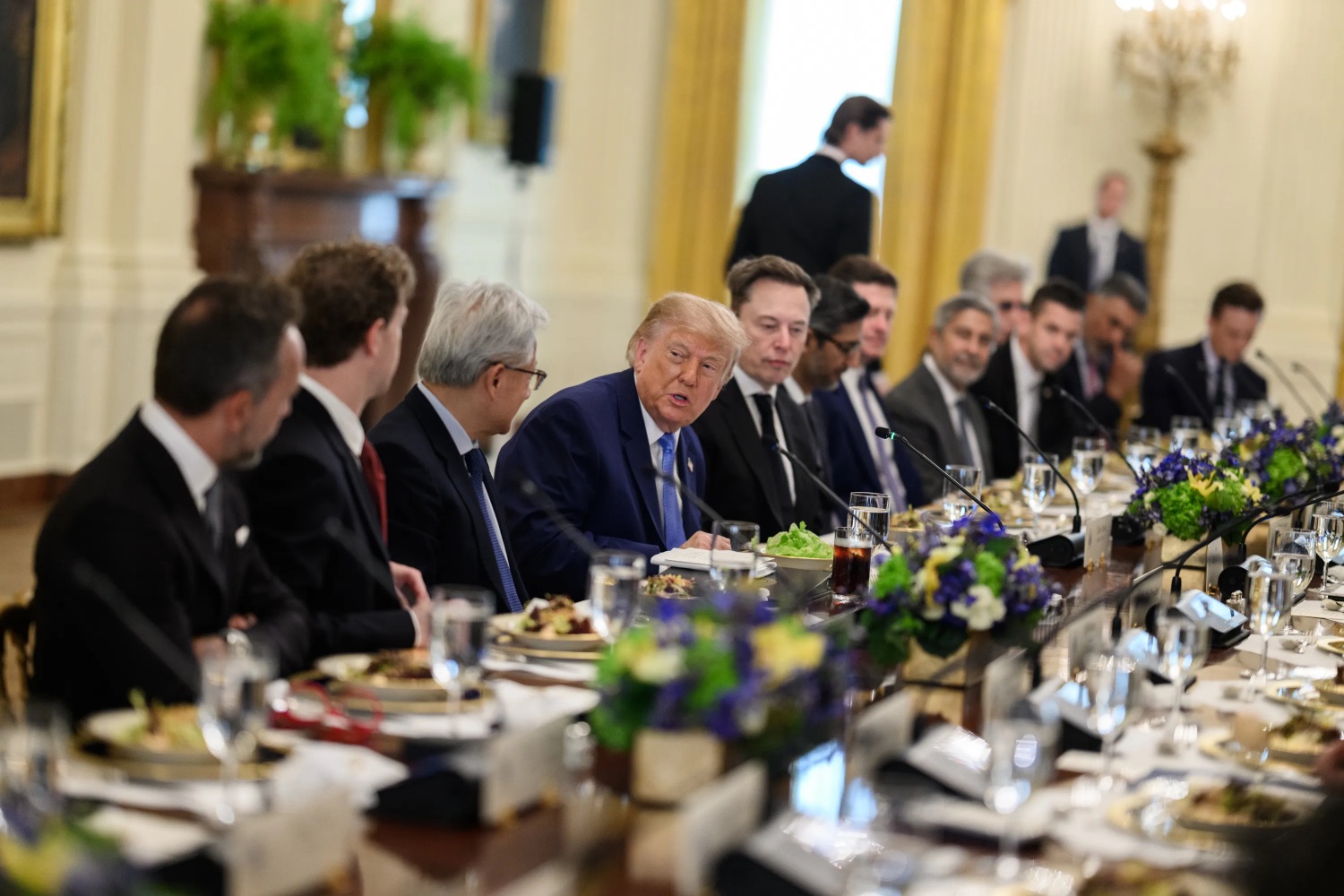
Billions Flow Into Artificial Intelligence
Technology companies and investors have committed enormous sums to the development of AI infrastructure, computing capacity, and new models.
Nvidia, whose chips have become central to the development of advanced AI systems, is the world’s most valuable publicly traded company, with a market capitalisation of about $5.5 trillion, or £4.14 trillion.
Alphabet, Meta, Microsoft, and Amazon are also spending hundreds of billions of dollars on AI, while Anthropic and OpenAI are preparing for potential listings on the United States stock market.
Bailey said the investment reflected expectations that artificial intelligence would become an important source of economic growth.
“There is a large, very large, amount of investment going into this sector now, and of course that’s natural because it’s a major area of growth,” he said.
Higher valuations for companies developing the technology, he added, reflected expectations about the returns AI could ultimately generate.
But Bailey cautioned against assuming that every company receiving high valuations today would emerge as a long-term winner.
“Everybody is currently priced to be a winner,” he said.
Bailey pointed to the history of the internet industry, where early leaders did not necessarily retain their dominance.
“Google was not the first market leader in internet search. It was Netscape. Nobody can remember Netscape today. It doesn’t exist. So not everybody always wins.”
He said the Bank was preparing for possible periods of instability resulting from changing expectations about AI companies.
“We are prepared for the fact that there will be, I think, some shocks come along to markets and we have to deal with that. We have to make sure the system is resilient.”

Cybersecurity Risks Also Draw Concern
Bailey identified cybersecurity as another area in which advances in artificial intelligence could create risks.
AI systems, he said, have provided a “much more powerful way of uncovering vulnerabilities” in software.
“In the wrong hands… it’s a very powerful, potentially very powerful, weapon,” he said.
The governor also raised concerns about deepfakes and other AI-generated material designed to imitate real people.
Bailey himself has been depicted in fabricated images. In June, false images purporting to show him fighting Nigel Farage circulated on X.
He said identifying the origin of such material remained difficult.
“We’ve got to be able to trace these things back. And we need a lot of help from the tech sector to do that,” Bailey said.
Bailey Sees Uses for AI at the Bank
Despite the risks, Bailey said artificial intelligence could improve some of the work carried out inside the Bank of England.
He cited the potential for AI to accelerate analysis supporting the Monetary Policy Committee, which sets British interest rates.
Bailey stressed that the technology would assist policymakers rather than replace their judgement.
“It’s not taking a decision, but it’s a tool in the hands of the policy maker and that’s good,” he said.