
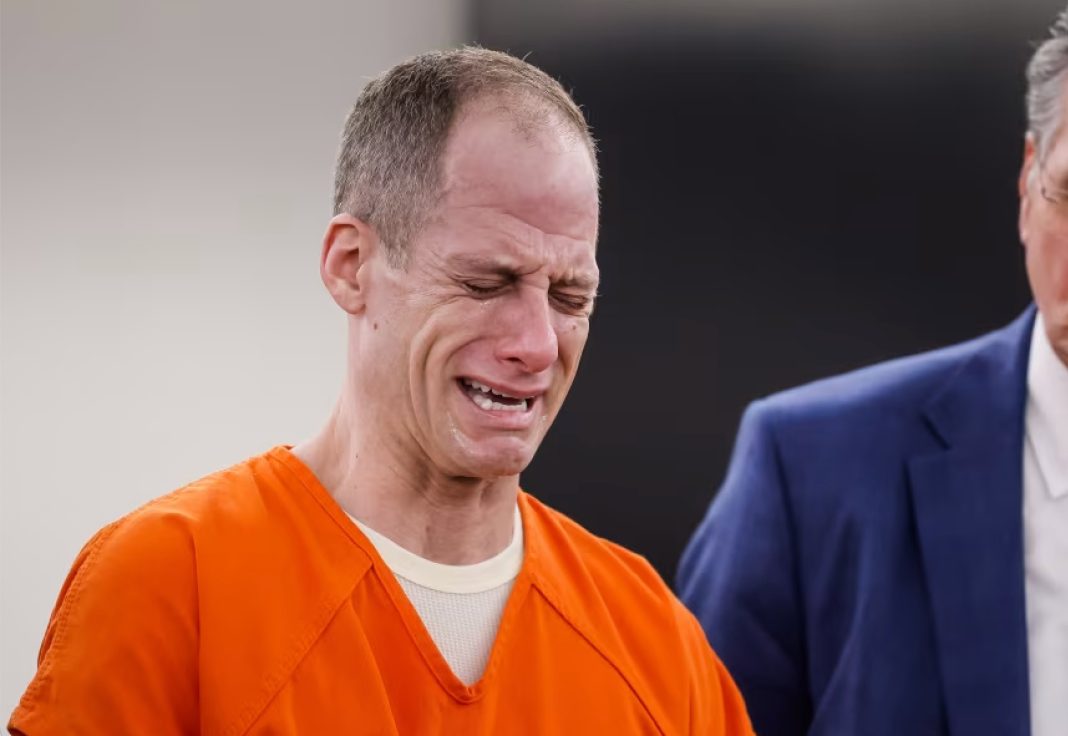

TIPP CITY, United States — To people at his Ohio church, Caleb Flynn was a music pastor and worship leader. At home, he was a husband and father of two. Years earlier, he had appeared on American Idol, an audition he said his wife had encouraged him to pursue.
But Flynn was also carrying on a secret affair with a young woman he had met through the church.
Over more than a year, Flynn and Alleigha Botner exchanged more than 100,000 messages. In those private conversations, jurors would later hear, he complained about his wife, Ashley Flynn, talked about wanting her dead, considered ways she might be killed without him going to prison, and described a future with Botner.
The night before Ashley was killed, the messages took on a new urgency.
“I choose you. I’m free. Actions will come tomorrow,” Flynn wrote to Botner, according to prosecutors.
Hours later, Ashley, a 37-year-old teacher, volleyball coach, and mother of two, was shot twice in the back of the head as she lay in bed inside the family’s Tipp City home.
Flynn called 911 and said an intruder had killed his wife.
Investigators came to believe that no intruder existed.
What followed was an investigation that exposed a private world far removed from Flynn’s public identity: an affair with a church intern, matching tattoos, secret communications, arguments over divorce, talk of killing his wife, love songs made for his mistress, and concerns about the children, money, employment, and his standing in the church.
By the time Flynn went on trial, prosecutors argued that Ashley’s death had offered him something divorce could not: a way to keep the life he feared losing while being free to pursue another woman.
A jury agreed that he had murdered his wife.
But the story that emerged in court was about far more than the verdict. It was the account of a marriage coming apart privately while, publicly, Flynn remained a husband, father, and Christian worship leader.
The Church Intern
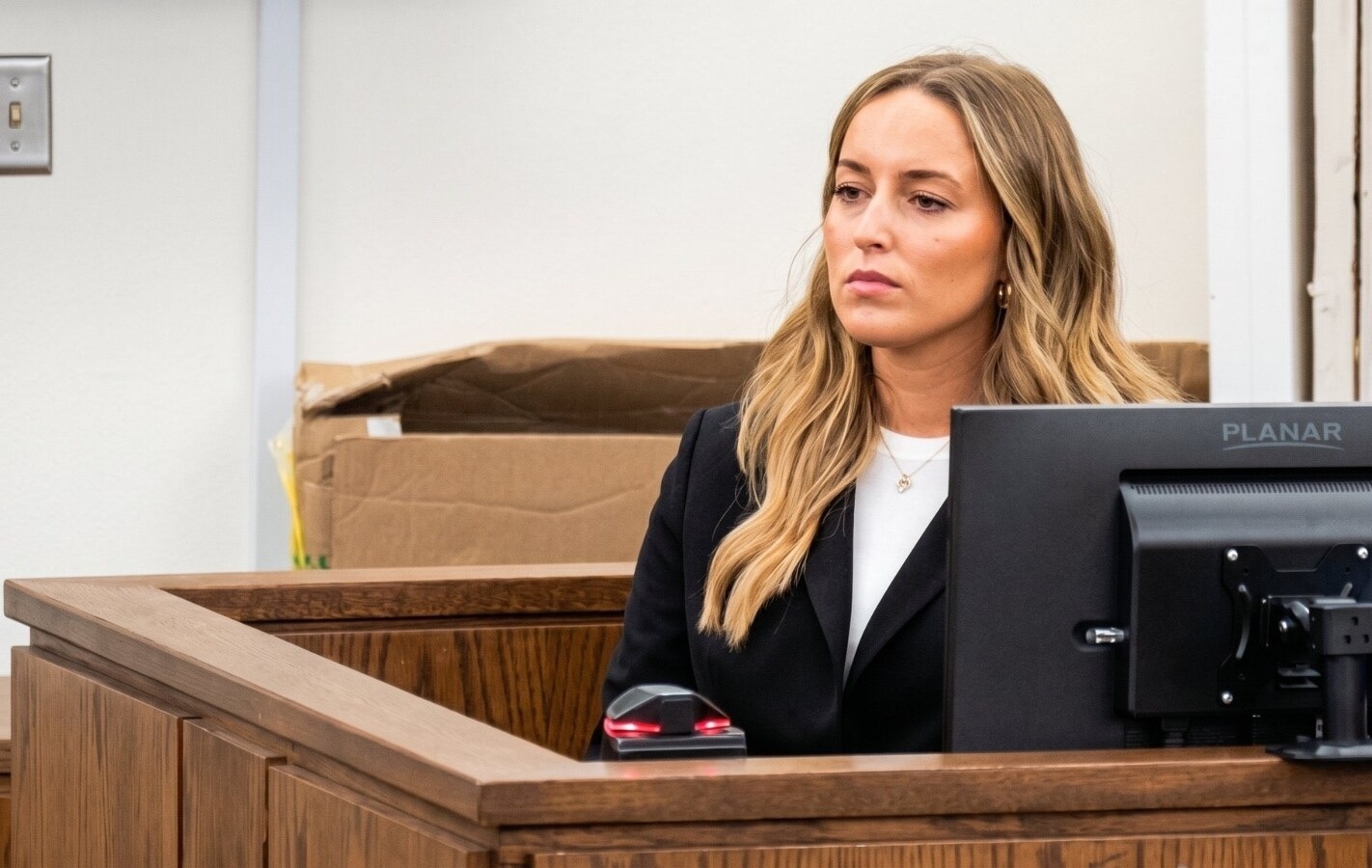
Alleigha Botner was 20 when she met Flynn in 2022 while interning at Christian Life Church.
Flynn was part of the worship team. Botner was working under the church’s main worship leader.
She testified that she did not initially realise Flynn was married because he did not wear his wedding ring.
By the time their relationship became sexual in 2024, however, she knew he had a wife.
“It was completely wrong, and I shouldn’t have,” Botner told jurors.
She was 24 when she took the witness stand against him.
According to Botner, Flynn portrayed his marriage as emotionally dead. He told her that Ashley had been unfaithful, that he viewed his wife more as a roommate, and that he remained in the marriage largely because of their daughters.
An FBI agent later testified that investigators found no evidence on Ashley’s phone supporting Flynn’s allegation that she had been having an affair.
The relationship between Flynn and Botner developed into more than a clandestine sexual affair.
They discussed a future together.
They got matching lightning-bolt tattoos.
Flynn made songs for Botner, including recordings recovered by investigators and played during the trial.
And in an extraordinary archive of electronic communications, the two discussed Ashley again and again.
‘Thinking of Ways to Kill Her’
Some of those conversations went well beyond complaints about an unhappy marriage.
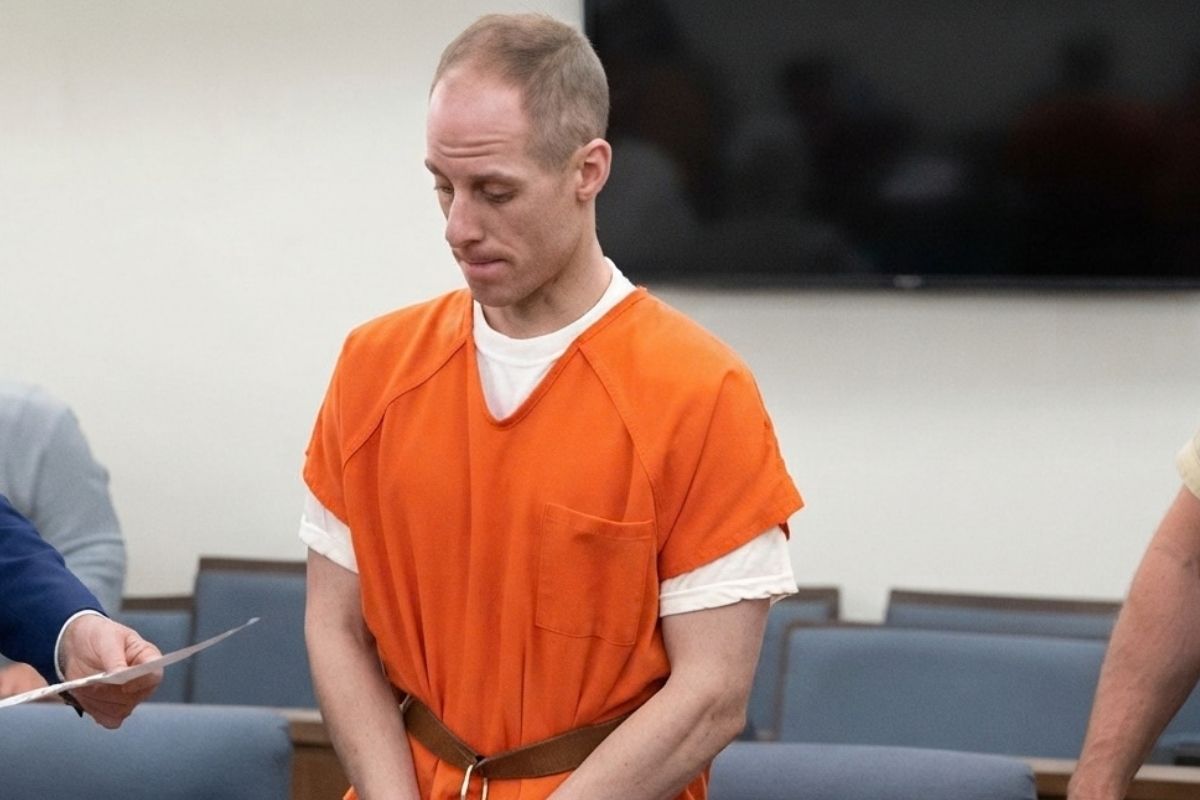
In August 2025, Flynn sent Botner a message saying he had stayed awake until 4 a.m. crying and “literally thinking of ways to kill her and not go to jail”.
In another message, he wrote: “I just want her dead and gone.”
Botner also sent messages expressing hatred towards Ashley and, at one point, said she wanted to kill her. Flynn responded that the feeling was mutual.
On the witness stand, Botner said she had not literally intended to kill Ashley.
She also testified that when she spoke about wanting Ashley “gone”, she meant that she wanted Flynn to end his marriage.
Other messages showed Botner repeatedly pressing Flynn to make a choice.
Flynn repeatedly delayed.
At one point, according to Botner’s testimony, he said he would undertake a 40-day fast to seek guidance from God about whether he could leave his wife.
He later told Botner that he had received the answer he was seeking and could leave the marriage.
Still, he did not.
The issue was not merely romantic.
There was a family, a job, money, a church position, and Flynn’s concern over what might happen to his relationship with his daughters.

What Divorce Could Cost Him
Flynn worked for his father-in-law’s flooring and furnishings business.
Ashley’s sister, Kayla Keyt, testified that Flynn was earning about $200,000 a year.
The family business was also expected eventually to pass to Ashley and her sister. Evidence presented at trial showed projections under which the two families could each eventually receive hundreds of thousands of dollars annually if the company continued to grow.
Prosecutors said Flynn understood that divorce could jeopardise his position in the family business.
He was also concerned about custody.
Messages showed that he wanted his daughters full time and feared what separation from Ashley could mean for his access to them.
There was also the church.
A divorce arising from an affair with a young woman connected to the worship ministry threatened the public identity Flynn had built there, prosecutors argued.
Miami County Assistant Prosecutor Matthew Joseph told jurors during closing arguments that portraying himself as the surviving victim of a random killing could allow Flynn to keep his job, benefit from Ashley’s life insurance, remain a worship leader without damage to his reputation, retain his daughters, and continue his relationship with Botner.
The defence rejected that theory as an attempt to convert an affair and an unhappy marriage into proof of murder.
Flynn’s lawyers did not dispute the infidelity.
They argued that being a bad husband did not make him a killer.
Pressure to Leave His Marriage
As 2025 gave way to 2026, the messages showed increasing pressure within the affair.
Botner wanted Flynn to leave Ashley.
Flynn repeatedly spoke about doing so.
In messages presented at trial, he described his desire to be with Botner while also keeping his daughters.
“I want my girls full time in a life with you, but I can’t have both,” Flynn wrote in one exchange presented by prosecutors.
He said he had weighed his options.
He chose Botner.
By February, according to testimony, Flynn was telling her that he would finally confront Ashley and end the marriage.
Botner sent him information about divorce and about the potential consequences an affair could have for custody.
She also sent information concerning the deletion of messages from a phone.
Botner testified that she feared exposure of the affair could damage her own career and reputation.
Then came Sunday, February 15.
In one message, Flynn said he needed to rid himself of Ashley so that he could be completely free and give himself fully to Botner.
Later, he sent the message prosecutors would return to during the trial:
“I choose you. I’m free. Actions will come tomorrow.”
Another portion of the exchange showed Flynn saying that he was frightened of hurting his daughters but could not imagine living without Botner.
Botner testified that she understood him to mean that he was finally going to tell Ashley he wanted a divorce.
Before the next morning, Ashley was dead.
Two Shots in the Bedroom
In the early hours of Monday, February 16, 2026, Ashley was in the couple’s bedroom.
Evidence from the scene indicated that she had been lying on her side in bed when she was shot.
Two 9mm cartridge casings were recovered from the bedroom floor. A fired bullet and fragments were found in the pillow.
Prosecutors said Flynn shot his wife twice in the back of the head while she was sleeping.
The couple’s two daughters were inside the house.
They were nine and 11 at the time.
Neither was physically harmed.
At about 2:31 a.m., Flynn called 911.
He said there had been a break-in.
He told authorities that someone had entered through the garage and shot Ashley.
When police arrived, body-camera footage showed a distraught Flynn asking officers whether his wife was dead.
His account was that he had not been in the bedroom when Ashley was killed.
Flynn told investigators that Ashley had been coughing, prompting him to leave their bedroom. He later went into one of his daughters’ rooms, where he said he fell asleep.
He said gunshots woke him.
Investigators began testing that account against what they found inside and outside the house.
Problems emerged.
A Break-In That Did Not Look Like One
Flynn had pointed investigators towards a side door of the garage as the apparent entry point.
The door showed damage.
But investigators testified that the damage did not resemble a genuine forced entry.
David Hammond, a senior special agent with Ohio’s Bureau of Criminal Investigation, said there were no pry marks or tool marks around the locks. The latch and deadbolt remained functional.
Damage appeared on the inside of the frame rather than in places investigators expected to find it if someone had broken in from outside.
Wood chips were also found inside the garage.
Hammond testified that the scene appeared more consistent with damage inflicted while the door was open.
FBI Special Agent Sarah Deamron gave similar testimony.
She said she found no evidence that the door had been pried, kicked, or rammed open from outside.
Prosecutors argued that the damage had been created to give police an intruder to search for.
The defence challenged parts of the forensic case and emphasised that investigators could not identify a tool definitively used to damage the door.
No stranger was ultimately linked to the killing.
The Missing 9mm
Investigators also looked for Flynn’s gun.
Evidence at trial showed that he owned a 9mm handgun that he normally kept in the centre console of his vehicle.
Ashley had been shot with 9mm ammunition.
The handgun was missing. It has never been recovered. That absence cut both ways at trial.
Prosecutors presented the missing weapon as part of the circumstantial case against Flynn.
The defence argued that without the gun, investigators could not establish through firearms testing that Flynn’s weapon had fired the bullets that killed Ashley.
His lawyers repeatedly stressed that there was no eyewitness to the shooting and no direct evidence showing Flynn pulling a trigger.
The state’s case therefore depended on multiple pieces of circumstantial evidence fitting together.
One of the most important came from Flynn’s own devices.
His Watch Was Recording Movement
Flynn told investigators he had been asleep during much of the period surrounding the killing.
His electronics told investigators that his devices were active.
Forensic examination of his Apple Watch recorded periods of movement in the early hours of the morning.
His phone also showed activity close to the time of the 911 call.
Prosecutors argued that those records contradicted Flynn’s claim that he had been sleeping until the sound of gunfire woke him.
The digital evidence did not show what Flynn was doing during each movement or provide a visual record of his actions.
But investigators could place those timestamps alongside his account, the bedroom evidence, the alleged break-in, and the messages he had been sending Botner.
They also recovered evidence that applications had been deleted from Flynn’s phone on February 15, the day before Ashley was killed.
The deleted applications included Instagram, GroupMe, and ChatGPT, according to testimony about the forensic extraction of the device.
The same examination recovered audio connected to songs Flynn had created for Botner.
The Lover Learns Ashley Is Dead
Botner learned that Ashley had been killed hours after she had been exchanging messages with Flynn about the future of their relationship.
Her reaction became part of the prosecution’s case.
She testified that she sent Flynn a message asking whether he had been responsible for Ashley’s death.
She later deleted it.
Botner told jurors she asked because Ashley had died on the same day Flynn had indicated that something was finally going to change.
She initially told FBI agents she did not believe Flynn had killed his wife.
Her position later changed.
On the witness stand, asked how she felt about the man with whom she had been involved for more than a year, Botner said she hated him.
She said she believed he had killed Ashley.
Botner has not been charged in connection with the murder.
She testified that prosecutors had made no promises to her in exchange for her testimony.
Legal experts interviewed by NBC News after Flynn’s conviction said the publicly known evidence was unlikely to support a murder charge against her.
The Defence: An Affair Is Not Murder
Flynn did not take the witness stand.
His lawyers called no witnesses.
Instead, the defence concentrated on what prosecutors could not show directly.
There was no recovered murder weapon.
There was no eyewitness who saw Flynn shoot Ashley.
There was no video of the killing.
His lawyers argued that investigators had fixed on Flynn and interpreted everything that followed through the assumption that he was guilty.
They also tried to separate the ugliness of his private communications from the question jurors actually had to decide.
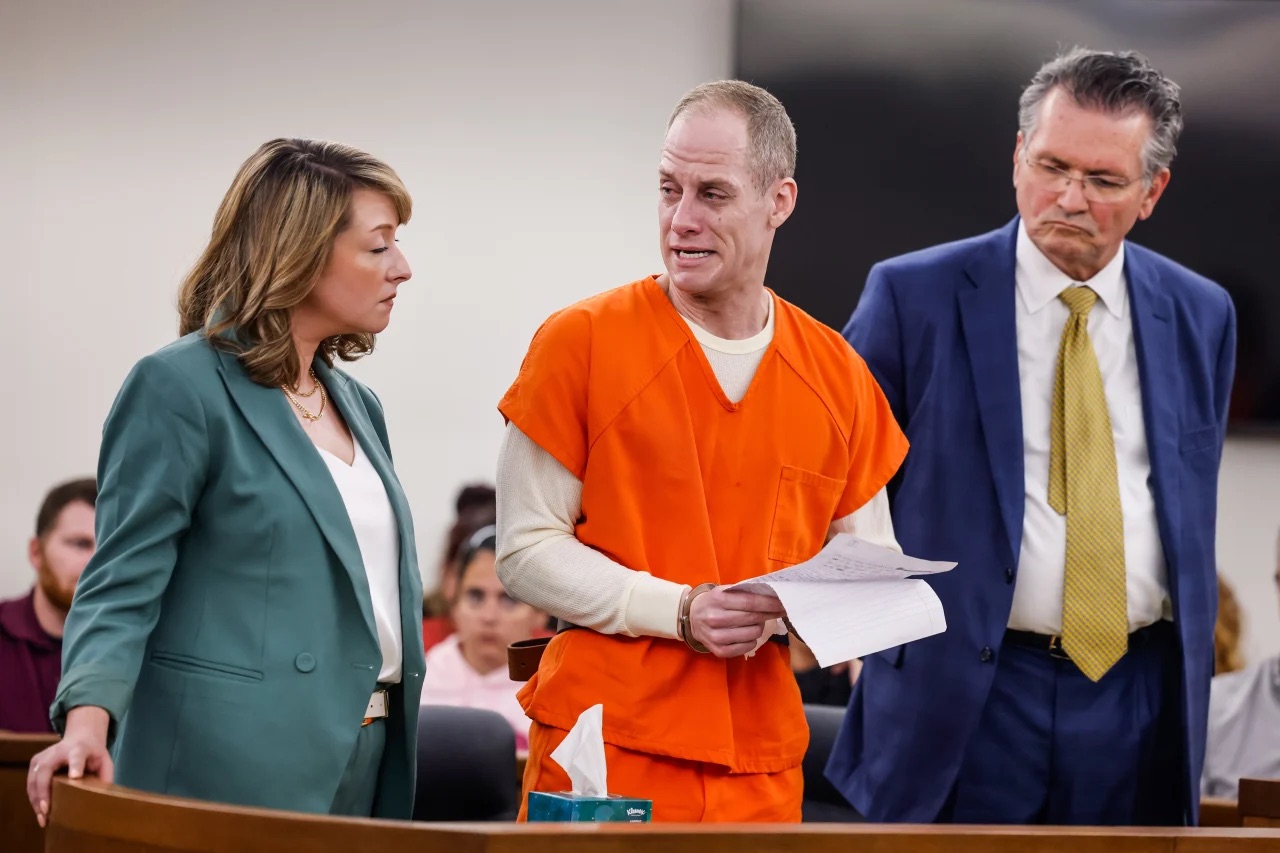
“Caleb is not on trial for being a bad husband,” defence lawyer Emily Smith told the jury at the beginning of the case.
His lawyers acknowledged that Flynn had cheated on Ashley and sent disturbing messages.
But they argued that infidelity, dishonesty, and cruel words were not proof beyond a reasonable doubt that he committed murder.
Another defence lawyer, Patrick Mulligan, made the point more succinctly during closing arguments.
“His being unfaithful doesn’t equal murder,” he said.
Prosecutors agreed that the affair alone did not prove the killing.
They argued that the significance lay in how the affair connected with everything else.
There were the statements about wanting Ashley dead.
There was the discussion of killing her without going to prison.
There was the pressure to leave the marriage.
There was the message announcing that actions would come the following day.
Then Ashley was shot.
The gun was missing.
The supposed point of forced entry did not appear to investigators to have been forced from outside.
And Flynn’s devices recorded activity during a period when he said he had been asleep.
The jury deliberated for roughly two and a half hours.
It found Flynn guilty on all nine counts before it, including aggravated murder, murder, felonious assault, and tampering with evidence.
The Associated Press reported that his lawyers said they intended to appeal.
A Pastor Before a Jury
The revelations at trial stood in stark contrast to the identity Flynn had presented publicly.
He had served in Christian worship ministry.
He had once appeared on one of America’s most famous television talent competitions.
When Flynn auditioned for American Idol in 2013, Ashley was part of the story he told about himself.
He spoke of his love for his wife and credited her with encouraging him to pursue the audition.
Thirteen years later, jurors were listening to a very different record of the marriage.
There were texts saying he hated Ashley.
There were texts about wanting her dead.
There were discussions about a secret future with another woman from his church.
And there was testimony that, while deciding whether to leave his wife for that woman, the worship leader had told his lover he was undertaking a 40-day fast to seek God’s direction.
The evidence did not establish that Botner knew Flynn intended to kill Ashley.
It did establish that the affair occupied an enormous part of his private communications and that he had repeatedly discussed his wife’s death with the woman he hoped to be with.
The Daughters in the House
For prosecutors and Ashley’s family, the consequences extended well beyond the affair and the marriage.
The couple’s daughters were sleeping inside the home when their mother was killed.
At Flynn’s sentencing, prosecutors disclosed further allegations about what happened after the shooting.
According to a sentencing memorandum, the girls told investigators that their father tried to influence what they would say in forensic interviews, including telling them their answers could determine whether he lived or died.
The children ultimately gave statements to investigators.
When Flynn returned to court on Monday, October 5, 2026, their words were again before him.
Statements from both daughters were read aloud.
Ava Flynn described her mother as the perfect person and asked her father what Ashley had done to make him hate her so much.
Her older sister, Alyssa Flynn, accused him of selfishness and said she did not intend to visit him in prison.
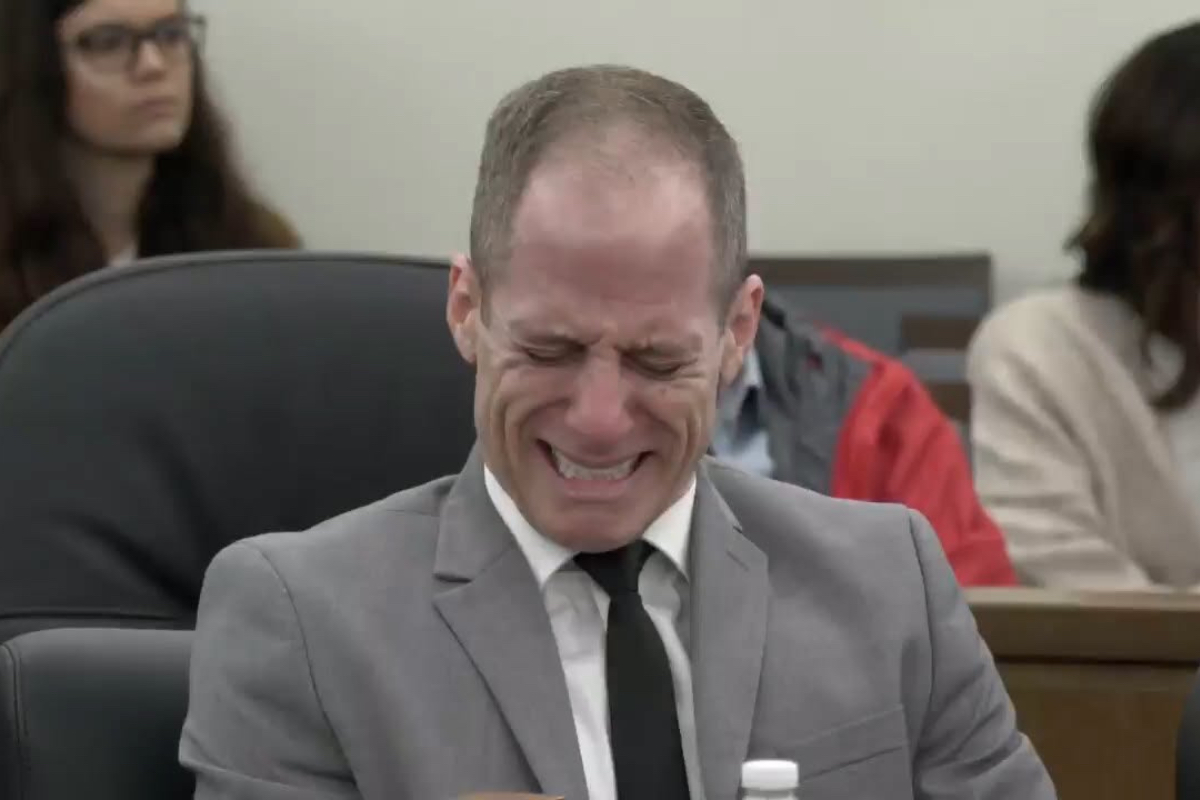
Flynn cried as the statements were read.
Ashley’s relatives also spoke.
Her sister said the murder had affected children throughout their church community, some of whom had become frightened that their own fathers might kill their mothers.
The family told the court that they had forgiven Flynn but supported the maximum punishment.
‘I Did Not Kill My Wife’
When Flynn finally spoke at sentencing, he acknowledged lies, infidelity, and the pain his actions had caused.
He apologised to Ashley’s family and addressed his daughters.
He did not admit killing their mother.
“I did not kill my wife,” Flynn said.
He maintained that he was innocent and indicated that he would continue challenging the conviction.
Judge Jeannine Pratt was unmoved.
She sentenced him to life in prison without the possibility of parole, with additional terms attached to other counts and firearm specifications.
The sentencing was covered by NBC News and the Associated Press.
But by then, the legal outcome was only the final chapter of what the trial had exposed.
Ashley Flynn had entered February 16 as a wife, mother, teacher, and coach sleeping inside her own home.
The man convicted of shooting her had spent months telling another woman that he wanted a different life.
In the private record of more than 100,000 messages that ultimately reached a courtroom, Caleb Flynn had talked about love, divorce, faith, his children, his future, and his desire to be free of his wife.
Then, on the night before Ashley was murdered, the pastor told his lover he had made his choice.