


DUBAI, United Arab Emirates — The United Arab Emirates has announced it will withdraw from Organization of the Petroleum Exporting Countries, OPEC, and the broader OPEC+ alliance effective May 1, 2026, according to a statement released by the state news agency WAM.
“This decision aligns with the United Arab Emirates’ long-term strategic and economic vision and the development of its energy sector, including accelerating investment in domestic energy production,” the statement said.
Strategic Shift in Energy Policy
The move marks a significant change in the country’s energy policy and follows what officials described as a review of its current and future production strategy.
The UAE also confirmed it would leave OPEC+, a wider coalition of oil-producing countries that includes Russia.
Suhail Al Mazrouei said the decision reflects evolving priorities in the global energy market.
“The UAE’s decision to exit from OPEC reflects a policy-driven evolution aligned with long-term market fundamentals,” he said.
“We remain committed to energy security, providing reliable, responsible, and lower-carbon supply while supporting stable global markets.”
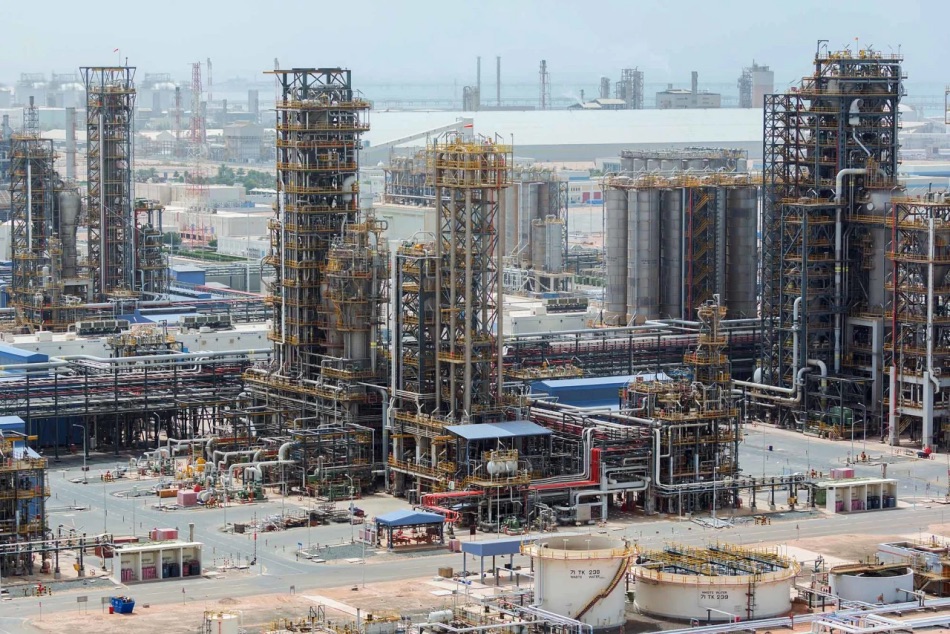
Implications for OPEC
The departure of the UAE, one of the world’s largest oil producers, is expected to affect the organisation’s influence over global supply.
OPEC and its allies collectively account for a substantial share of global oil production and reserves.
Analysts say the move could allow the UAE greater flexibility to expand production independently, rather than operating within the quota system set by the group.
The decision is seen as a setback for OPEC and its leading member, Saudi Arabia, which has historically played a central role in coordinating output levels among member states.
Background and Membership
OPEC was established in 1960 by a group of major oil-producing countries to coordinate production policies and influence global oil prices.
The UAE joined the organisation in 1967 and has remained a member for more than five decades.
The UAE currently ranks among the world’s top oil producers, contributing roughly 3 to 4 per cent of global output.
Officials said the country would continue to engage with international energy markets following its withdrawal, while pursuing an independent production strategy aligned with its long-term economic plans.