


ITHACA, United States — Protests have shaken Cornell University over its handling of an alleged gang rape. Faculty members have now voted no confidence in the university’s leadership.
The Faculty Senate approved the resolution by 75 votes to 50 on Friday, November 6, 2026. Five senators abstained, while another five did not vote.
The decision followed weeks of demonstrations and demands for accountability after a former student accused seven fraternity members of sexually assaulting her in 2024.
The allegations have placed Cornell President Michael Kotlikoff under intense scrutiny. Students and faculty members have questioned the university’s response to the complaint and its wider approach to sexual violence.
The vote does not remove Kotlikoff from office. Cornell’s Board of Trustees, which has the authority to appoint or dismiss the president, has reaffirmed its support for him.

Faculty Rebukes University Leadership
The resolution was introduced by Paul Ortiz, a professor of labour history at Cornell’s School of Industrial and Labour Relations.
It declares that the Faculty Senate has lost confidence in the administration’s ability to address sexual assault on campus.
The measure received support from 55.6 per cent of the 135 faculty senators.
The resolution published on Cornell’s website was supported by 165 faculty signatories.
More than 260 faculty members also signed a separate letter criticising the university’s handling of the allegations.
Speaking after the vote, Ortiz said the decision reflected concerns raised by students, staff, alumni, and faculty members.
He said the university needed to confront longstanding problems involving sexual violence and the treatment of complainants.
The resolution’s supporters argued that the administration had failed to respond adequately to those concerns.
According to NBC News, the vote followed weeks of debate over the university’s disciplinary procedures and the responsibilities of senior administrators.
Some faculty members opposed the resolution, arguing that it did not identify specific reforms or explain how a vote of no confidence would improve campus safety.
Others wanted the Senate to await the findings of an independent investigation before passing judgment.
The Senate rejected an attempt to delay the vote.

Alleged Gang Rape Sparks Campus Protests
The controversy began after a former student filed a civil lawsuit in September.
The woman, identified in court documents as Jane Doe, alleged that seven men sexually assaulted her at a Chi Phi fraternity party in October 2024.
She said she had been drugged with ketamine before the alleged assault.
The lawsuit names Cornell University, the fraternity chapter, and seven former fraternity members.
The defendants have denied the allegations. Some maintain that the sexual activity was consensual, while others deny participating.
The lawsuit also accuses Cornell of failing to protect the student and adequately address her complaint.
Its publication prompted protests on campus and demonstrations elsewhere in the United States.
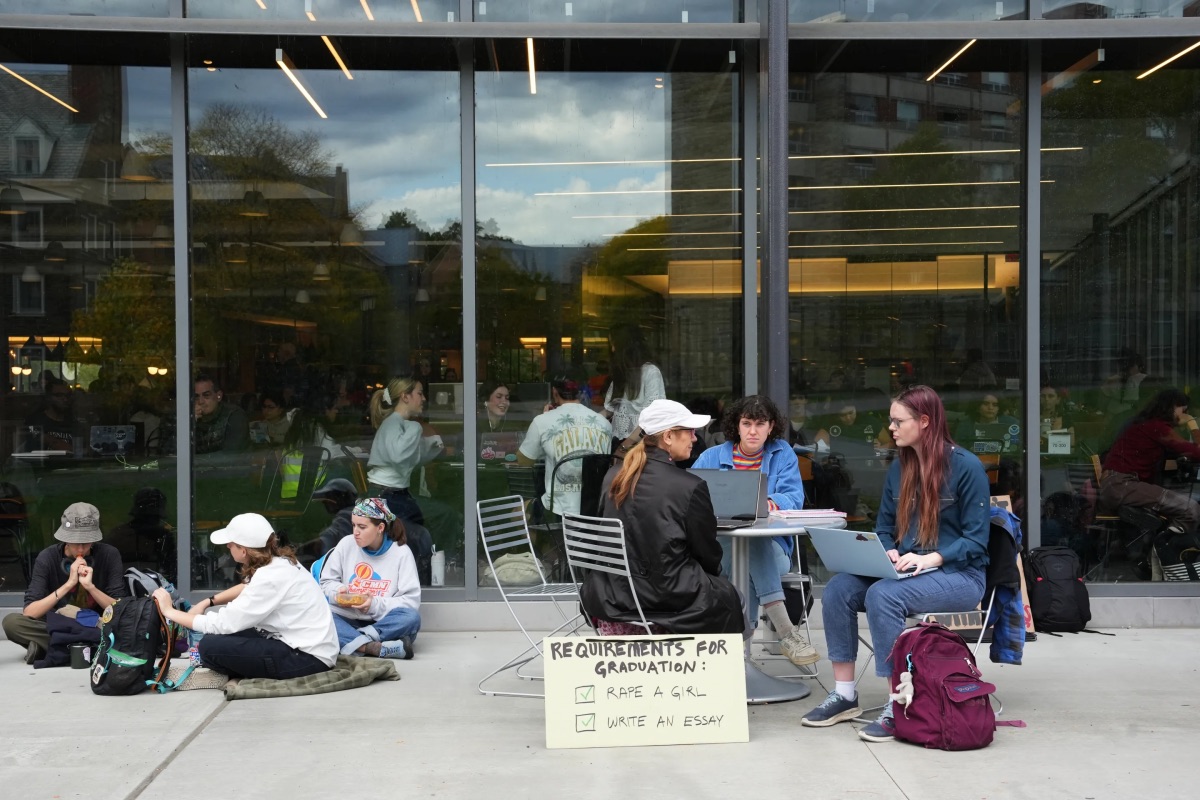
Students demanded stronger protections against sexual violence and greater accountability from university officials.
Some called for Kotlikoff’s resignation and restrictions on fraternity activities.
The protests also prompted other students and former students to share their experiences and concerns about sexual misconduct at Cornell.

Cornell Expelled Two Students After Investigation
Cornell conducted an internal investigation under Title IX, the federal law prohibiting sex discrimination in educational institutions receiving federal funding.
The university imposed disciplinary measures against several men named in the complaint.
Two students were expelled. Two others received suspensions and probation.
Another two were required to complete written reflection assignments and bystander training.
A seventh man had already graduated and was barred from campus.
The disciplinary decisions did not result in criminal convictions.
The initial criminal investigation was closed after local prosecutors concluded that the available evidence did not establish a crime.
However, the case has since been reopened.
New York Attorney General Letitia James is overseeing the renewed investigation, with former federal prosecutor Jacqueline Kelly appointed to help lead the inquiry.
The criminal proceedings remain separate from the woman’s civil lawsuit against Cornell and the former fraternity members.
University President Defends His Response
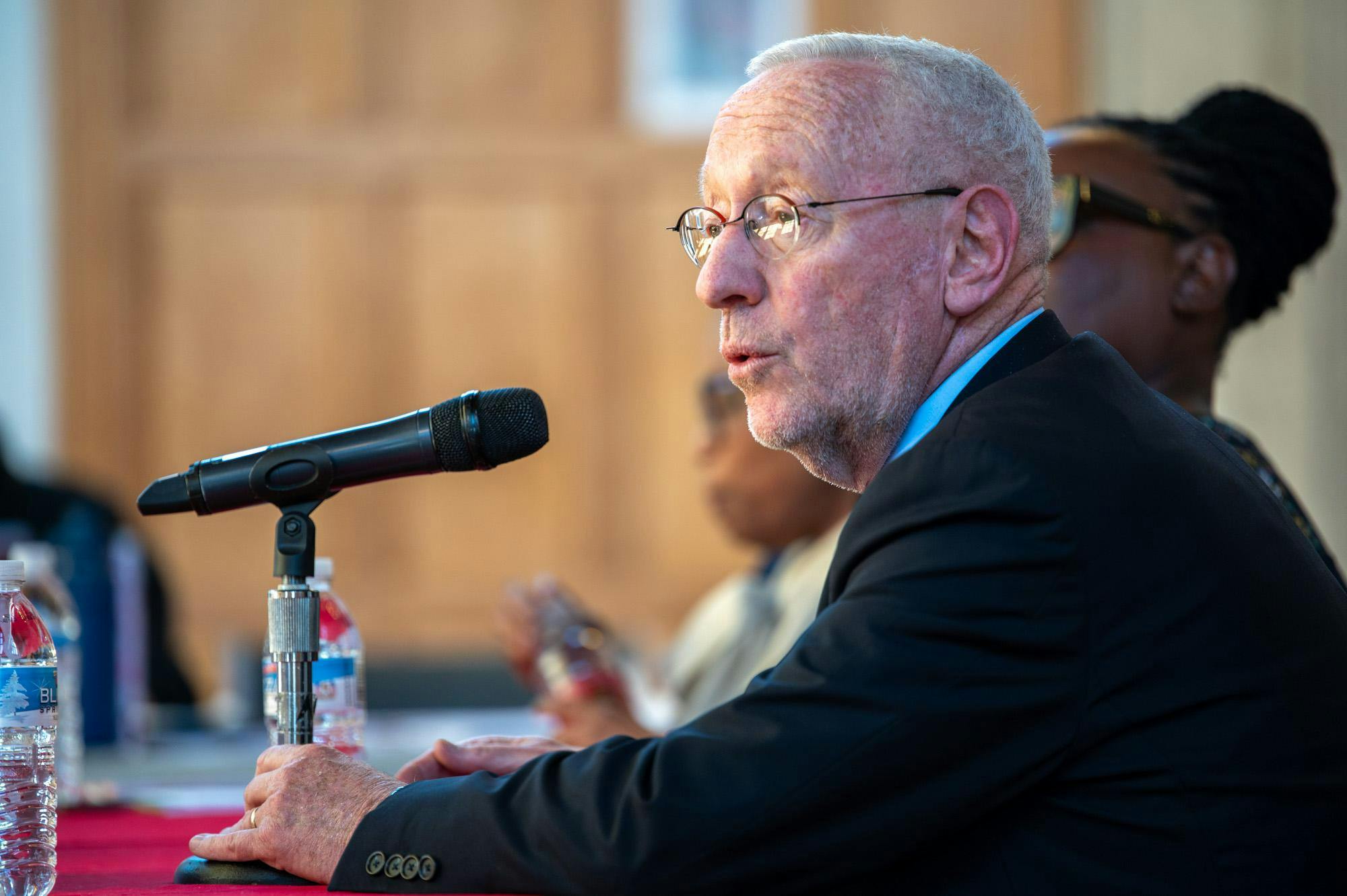
Kotlikoff has rejected suggestions that he failed to take the allegations seriously.
Addressing faculty members during an earlier Senate meeting, he defended the university’s response and asked for time to implement reforms.
He acknowledged that he had not read the campus police report concerning the allegations.
Kotlikoff explained that university policy prevented senior administrators from interfering in criminal investigations.
He also disputed accusations that he was indifferent to the former student’s experience.
The president argued that replacing senior university officials would not necessarily resolve the underlying problems.
He said decisions about the future of fraternities should be informed by evidence and a careful examination of campus culture.
His administration has since introduced measures intended to strengthen student protection.
They include additional staff in the Office of Civil Rights, expanded sexual assault prevention education, and greater support for students reporting sexual violence.
Cornell has also suspended Interfraternity Council social events for the remainder of the academic year.
Trustees Stand by Kotlikoff
Despite the faculty vote, Cornell’s governing board has maintained its confidence in the president.
Anne Meinig Smalling, chair of the Board of Trustees, acknowledged the anger surrounding the allegations.
However, she said the board believed Kotlikoff and his administration remained capable of addressing the university’s problems.
In a statement reported by the Associated Press, Smalling reaffirmed the board’s support for the president.
She pointed to the university’s measures to improve student safety and support complainants.
The trustees have also commissioned an independent review led by Sally Yates, a former US deputy attorney general.
The investigation will examine Cornell’s response to the 2024 allegations and its broader policies for preventing and addressing sexual misconduct.
The review remains under way.
Separately, Cornell announced an arrangement with New York State Police allowing students who report sexual assaults to choose whether criminal investigations are handled by state police or Cornell’s own police department.
Students and Faculty Demand Further Action
The no-confidence vote has intensified pressure on Cornell’s leadership.
Faculty members supporting the resolution say the university must do more to restore trust among students and staff.
The woman’s lawyer, Thomas Giuffra, welcomed the vote as a development in the campaign for institutional accountability.
He expressed hope that it would encourage the university to strengthen its response to sexual assault.
Other faculty members have called for more specific reforms, including changes to disciplinary procedures and closer examination of fraternity culture.
Cornell has said it is committed to improving campus safety and providing stronger support for students who report misconduct.
Under university procedures, Kotlikoff has 30 days to respond formally to the Faculty Senate’s resolution.
The independent review and renewed criminal investigation are also continuing.
For now, the president remains in office with the trustees’ backing, despite the faculty’s vote of no confidence.