

WASHINGTON, United States — Disney and its ABC television network have sued the Federal Communications Commission, accusing the agency of using its regulatory authority to punish the broadcaster for programming opposed by President Donald Trump.
The complaint, filed on Tuesday, August 18, 2026, in the United States District Court for the District of Columbia, alleges that the FCC’s investigations and early review of eight ABC station licences violate the First Amendment.
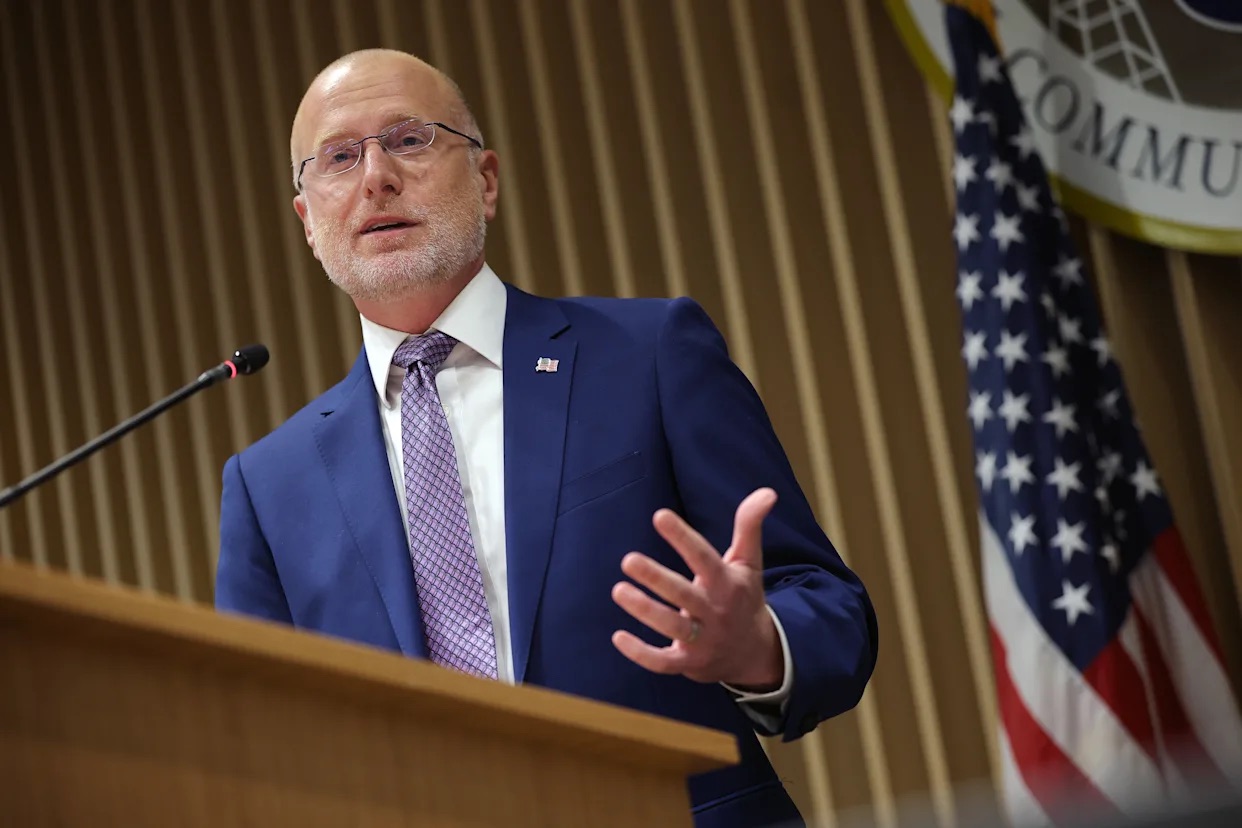
The Disney FCC lawsuit seeks a temporary restraining order and preliminary injunction preventing the agency and its chairman, Brendan Carr, from advancing the licence proceedings while the case is before the court.
The administration “has waged a retaliatory campaign against ABC for a single reason: it disapproves of what ABC broadcasts,” the complaint alleges.
“This Court’s intervention is necessary to stop the Federal Communications Commission’s extraordinary assault on free speech,” it states.
The FCC rejects Disney’s account and says its examination of the company concerns possible discrimination and broadcasters’ obligation to serve the public interest.
A Dispute Over Eight Station Licences
More than 200 television stations across the United States are affiliated with ABC, but most belong to other companies.
The contested proceedings involve eight stations owned directly by Disney.
The FCC regulates those stations because they transmit programming over public airwaves. Broadcast licences ordinarily run for eight years and are rarely revoked.
In April, Carr directed the Disney-owned stations to submit renewal applications several years before their licences were due to expire.
The order was the first early renewal demand issued by the commission in decades.
Disney argues that the timing and nature of the order show that the agency was responding to political pressure over ABC’s programming.
The FCC says the review is connected to an investigation into Disney’s diversity, equity and inclusion policies.
Carr has raised the possibility that the company engaged in “illegal DEI discrimination.”
The confrontation intensified after conservatives criticised a joke made by ABC late-night host Jimmy Kimmel.
Trump called on Disney to dismiss Kimmel, but the company continued broadcasting his programme.
Carr subsequently ordered the early licence filings. He has said the timing was coincidental and that the action arose from the DEI investigation.
Trump has repeatedly criticised ABC, denounced some of its journalists and called for broadcast licences to be withdrawn.
Investigation Changes Decisions at ‘The View’
A separate FCC inquiry concerns whether ABC’s daytime programme “The View” violated the equal time rule governing appearances by political candidates.
The programme regularly features political discussion and guests who are critical of Trump.
Carr’s investigation invokes a rule requiring broadcasters to provide comparable opportunities to competing candidates, although ABC maintains that “The View” qualifies for a news programme exemption.
Disney told the court that the inquiry has already influenced editorial decisions.
According to the complaint, the programme has become “more circumspect in booking political candidates” and has not hosted a candidate since February 2.
ABC also said it abandoned several possible bookings and declined to broadcast video clips that might have been classified as candidate appearances under the FCC’s interpretation.
Disney argues that these changes demonstrate an immediate effect on protected editorial choices, even before the commission has issued a final ruling.
FCC Denies Political Retaliation
An FCC spokesperson said the agency had been investigating claims involving Disney’s DEI policies for more than a year.
“Disney is obviously very concerned about the FCC’s proceeding, as evidenced by their ongoing campaign of disinformation as well as their decision to ask a court to stop the FCC from further pursuing matters,” the spokesperson said.
The agency said it would continue examining the evidence and applicable law.
Disney, in turn, said it had approached the court reluctantly and had no way to end the alleged pressure other than submitting to the administration’s demands.
The company also argues that the dispute extends beyond ABC because other broadcasters could alter their journalism and entertainment programming to avoid regulatory scrutiny.
The complaint alleges that ABC is the immediate target but that the intended message is directed at the wider broadcasting industry.
Free Speech Groups Divide Over the Case
First Amendment organisations have criticised the proceedings against ABC, arguing that the government should not use licence reviews to influence editorial decisions.
Some conservative organisations have defended Carr and said the commission is entitled to examine whether stations are operating in the public interest.
“It is not in the public interest for ABC to operate as an arm of the DNC,” Daniel Suhr, president of the Center for American Rights and an ally of Carr, said earlier in the year.
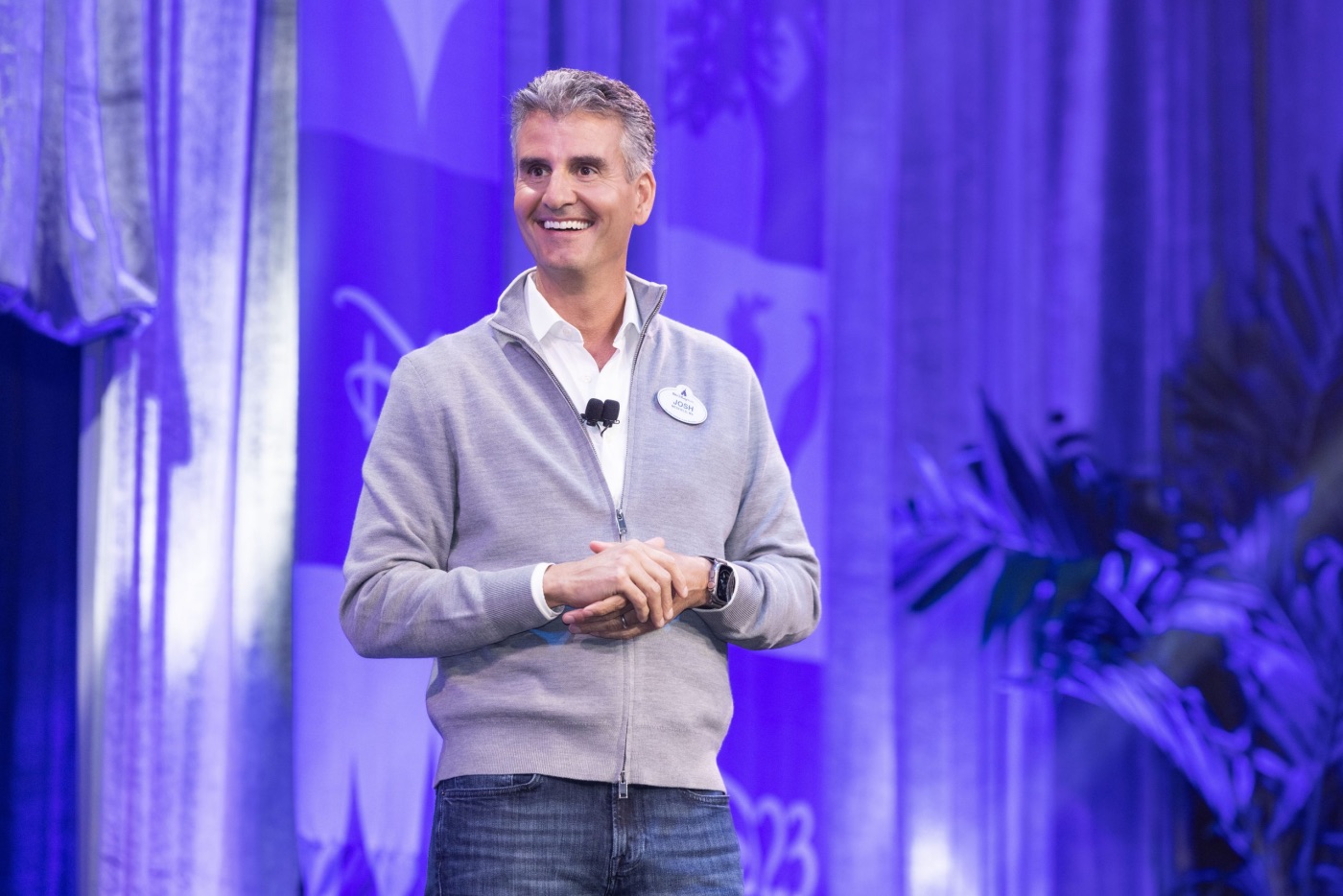
Disney chief executive Josh D’Amaro has defended the network’s editorial independence.
“We’re not going to be told how to run that side of our business,” D’Amaro said in an interview with CNBC.
He also cited ABC’s “journalistic integrity” and said the company would remain committed to its storytelling and media operations.
The federal court is being asked to determine whether the FCC’s actions constitute legitimate regulatory oversight or unlawful retaliation against speech protected by the First Amendment.