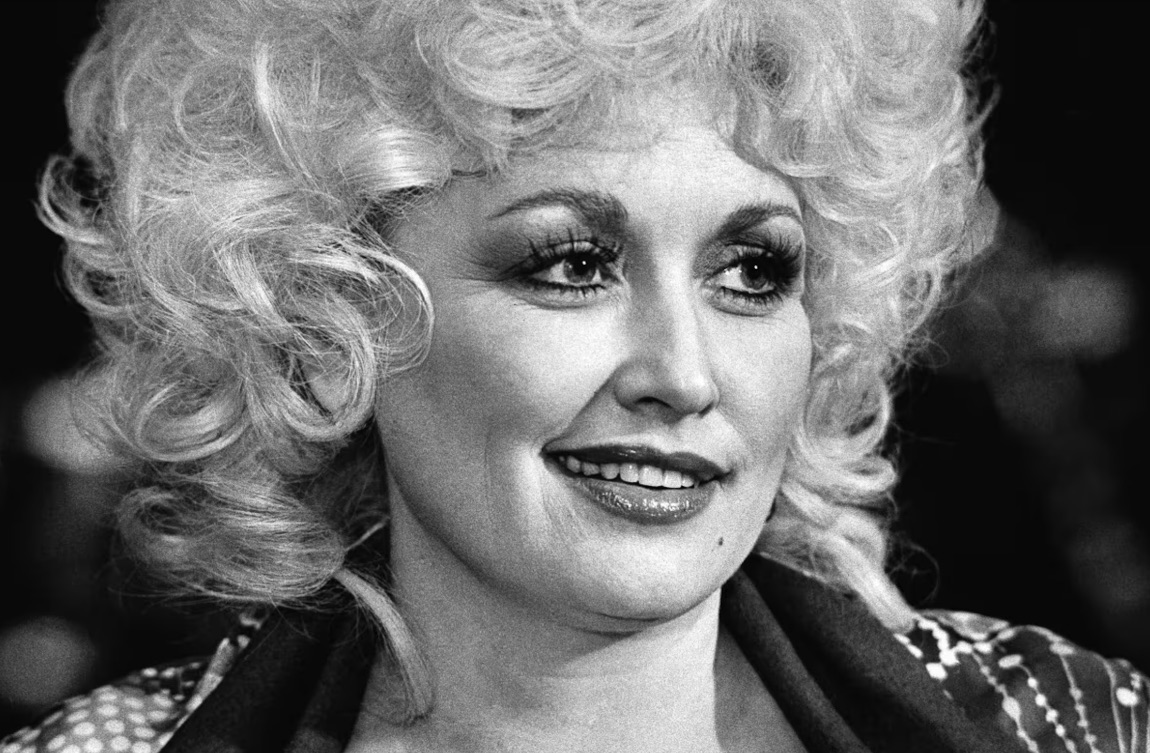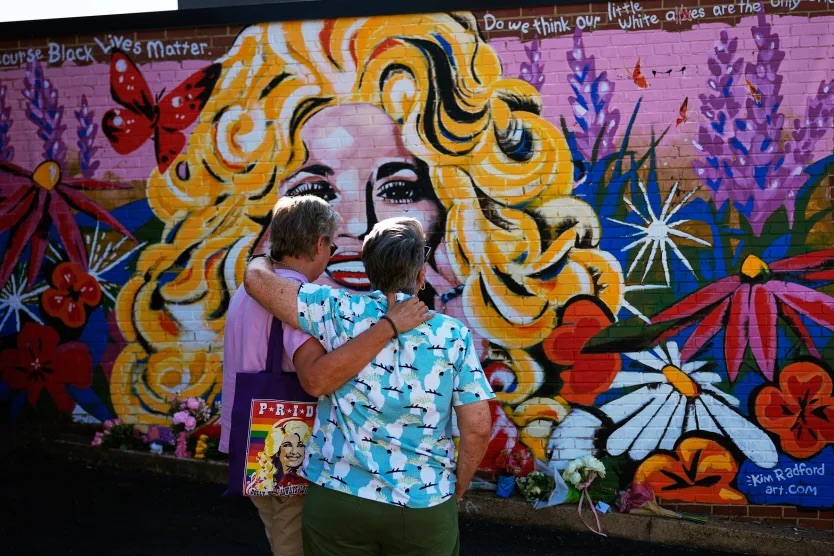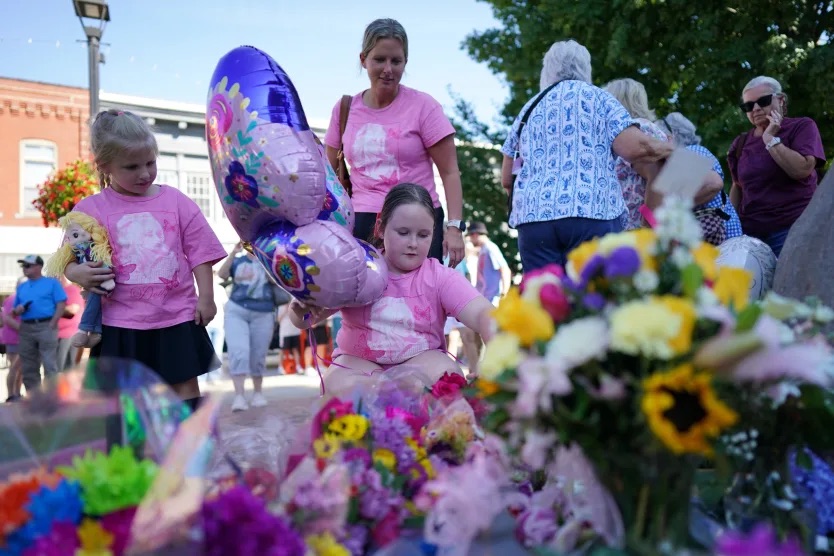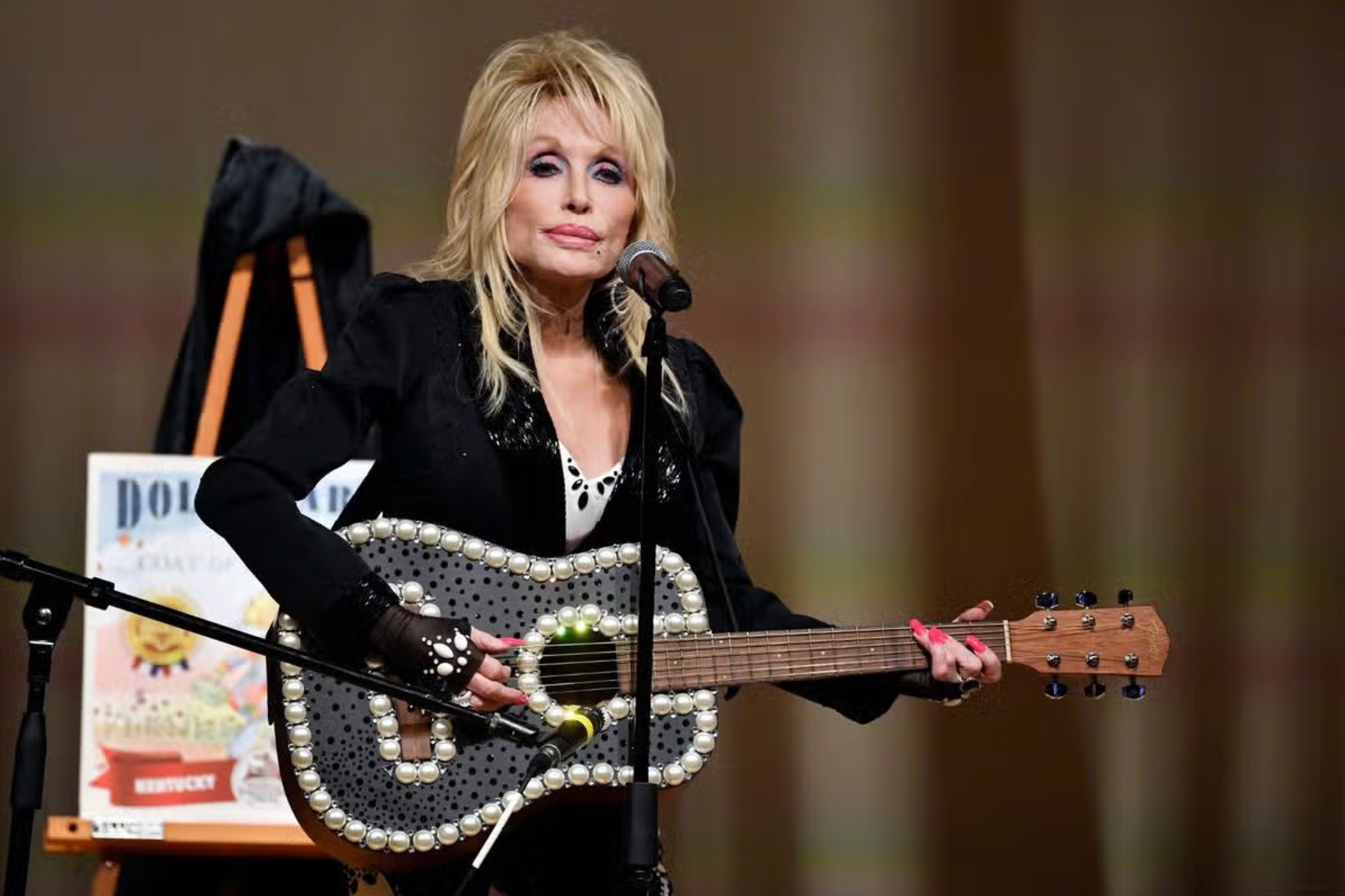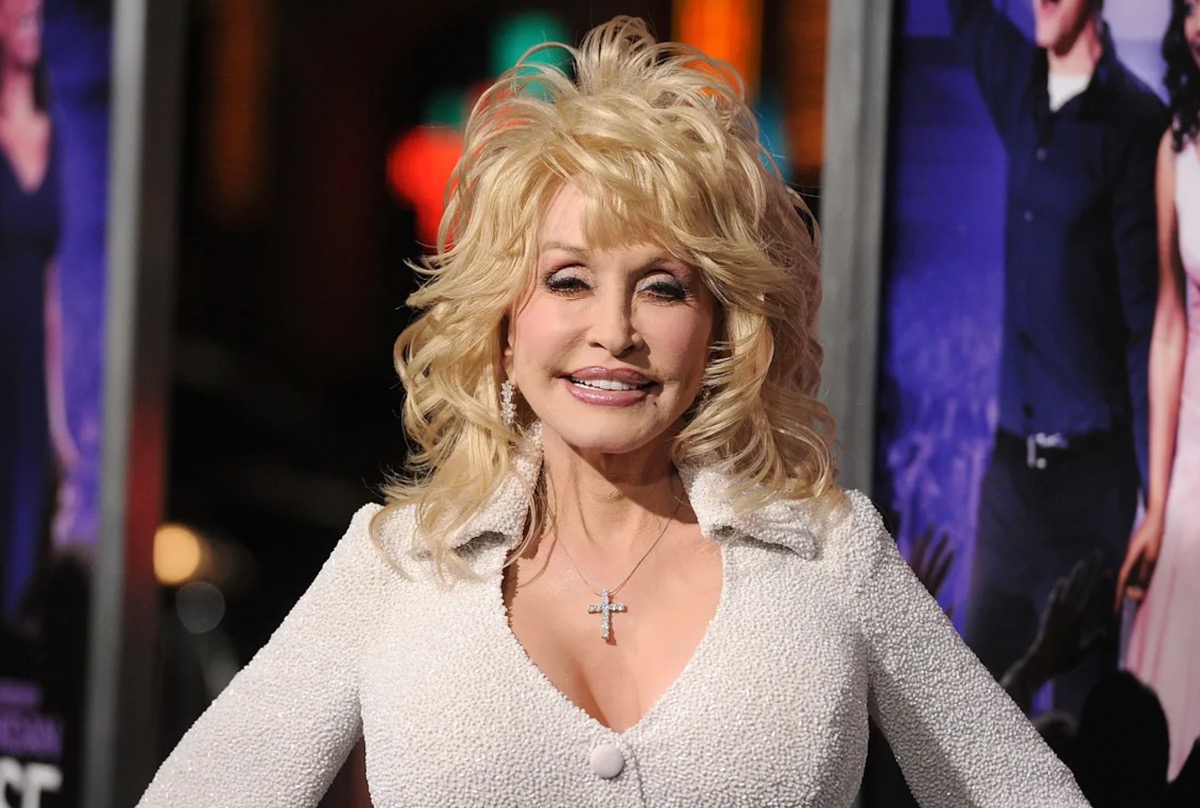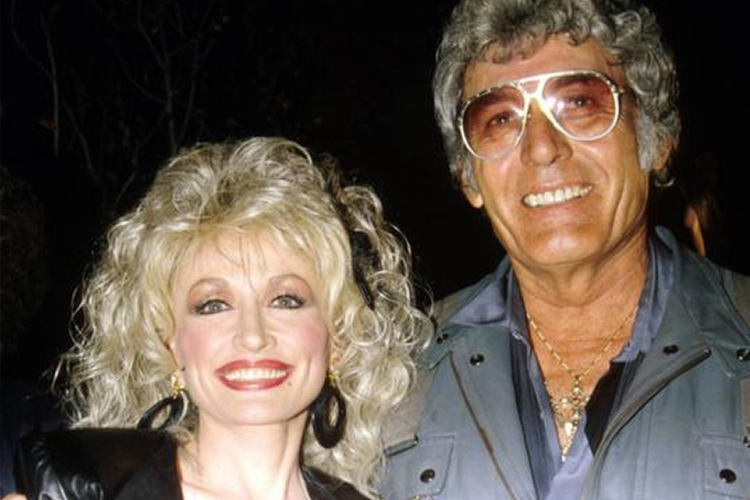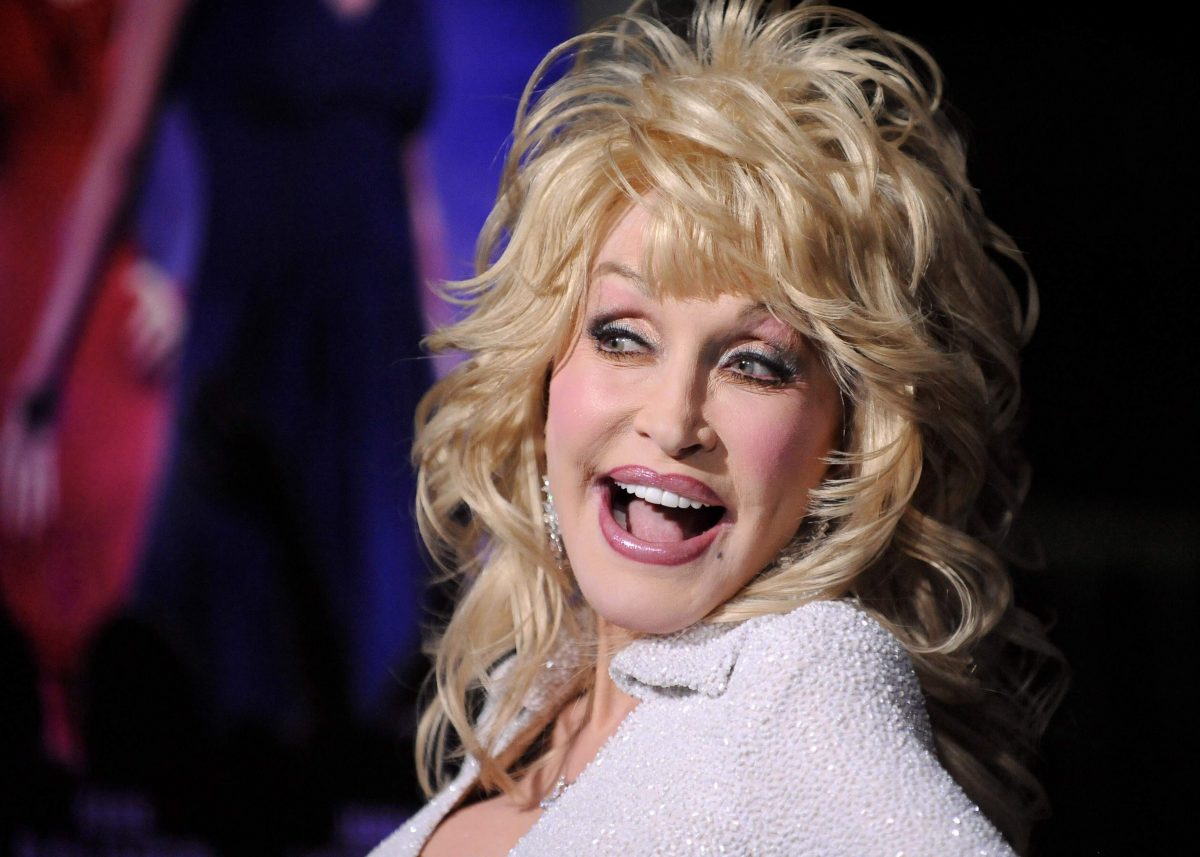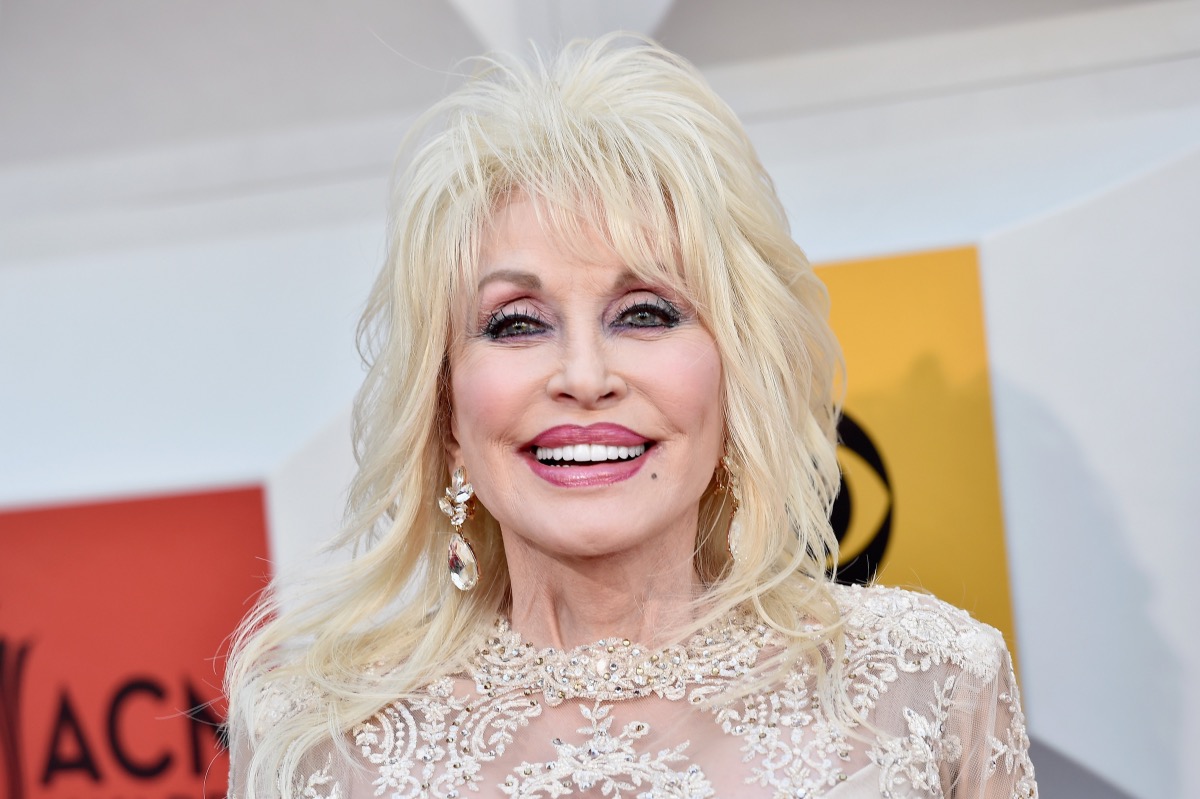
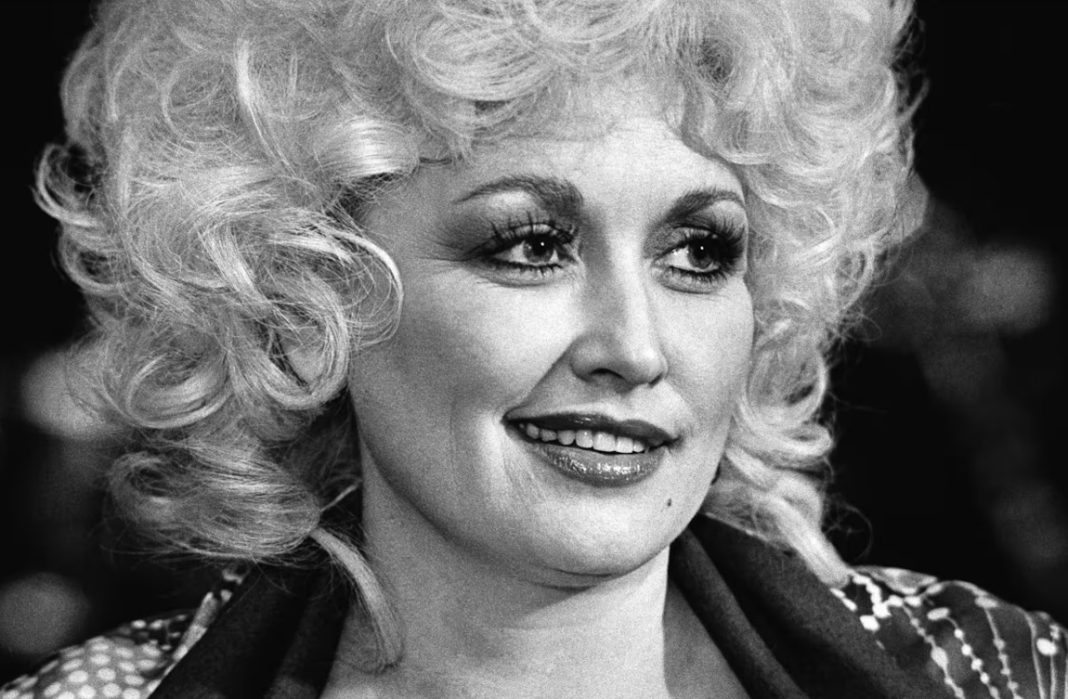

NASHVILLE, United States — Dolly Parton died last Tuesday after decades as one of America’s most widely embraced entertainers. Her death brought together admirers across political, cultural and religious divides that have increasingly separated the country.
Parton cultivated an unusual position in American public life.
She avoided identifying herself closely with either political party while occasionally speaking on contentious issues, and her music and public persona found devoted audiences among country and pop fans, conservatives and liberals, religious communities and LGBTQ people.
President Donald Trump said after her death that American flags would be lowered to half-staff in her memory.
“There has never been anyone like her, and never will,” Trump said in a statement posted on social media.
Former President Barack Obama had expressed surprise in 2020 when asked why Parton had not received the Presidential Medal of Freedom, the nation’s highest civilian honour.
“I’m shocked,” Obama said at the time. “That was a screw-up.”
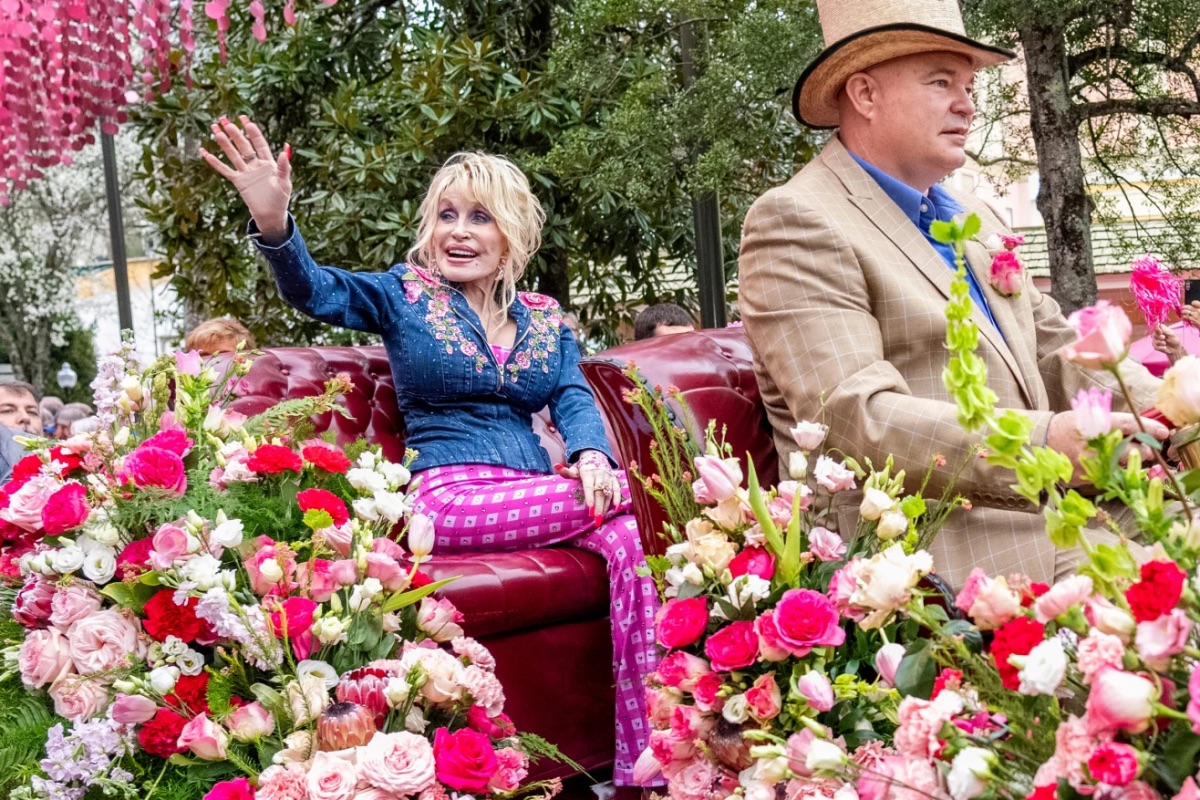
A public figure who avoided partisan labels
Parton’s ability to maintain relationships with people on opposite sides of American politics was partly rooted in her refusal to make partisan politics central to her public identity.
In 2016, after reports incorrectly suggested that she had endorsed Hillary Clinton for president against Mr. Trump, Parton clarified that she had not endorsed either candidate.
She joked that if she became political, she might as well enter the presidential race herself.
“I try not to get political but if I am, I might as well just run myself ‘cause I’ve got the hair for it, it’s huge, and they could always use more boobs in the race,” she wrote.
She followed the joke by saying that she had not decided whom she would support and added a reference to “Presidential Mood Swings.”

Parton later told USA Today that her audience included supporters of both major political parties.
“I have as many Republican fans as I do Democrats,” she said. “I don’t want to offend anybody, I have a right to myself.”
Her reluctance to adopt a partisan identity did not prevent her from addressing particular social questions.
In 2016, as a dispute over access to public bathrooms for transgender people drew national attention, Parton said people should be able to use the facilities in which they felt comfortable.
“I try not to get too caught up in the controversy of things,” she said. “I hope everybody gets a chance to be who and what they are.”
She then reduced the issue to one of her characteristic jokes: “I just know if I have to pee, I’m going to pee. I don’t care where it’s going to be.”
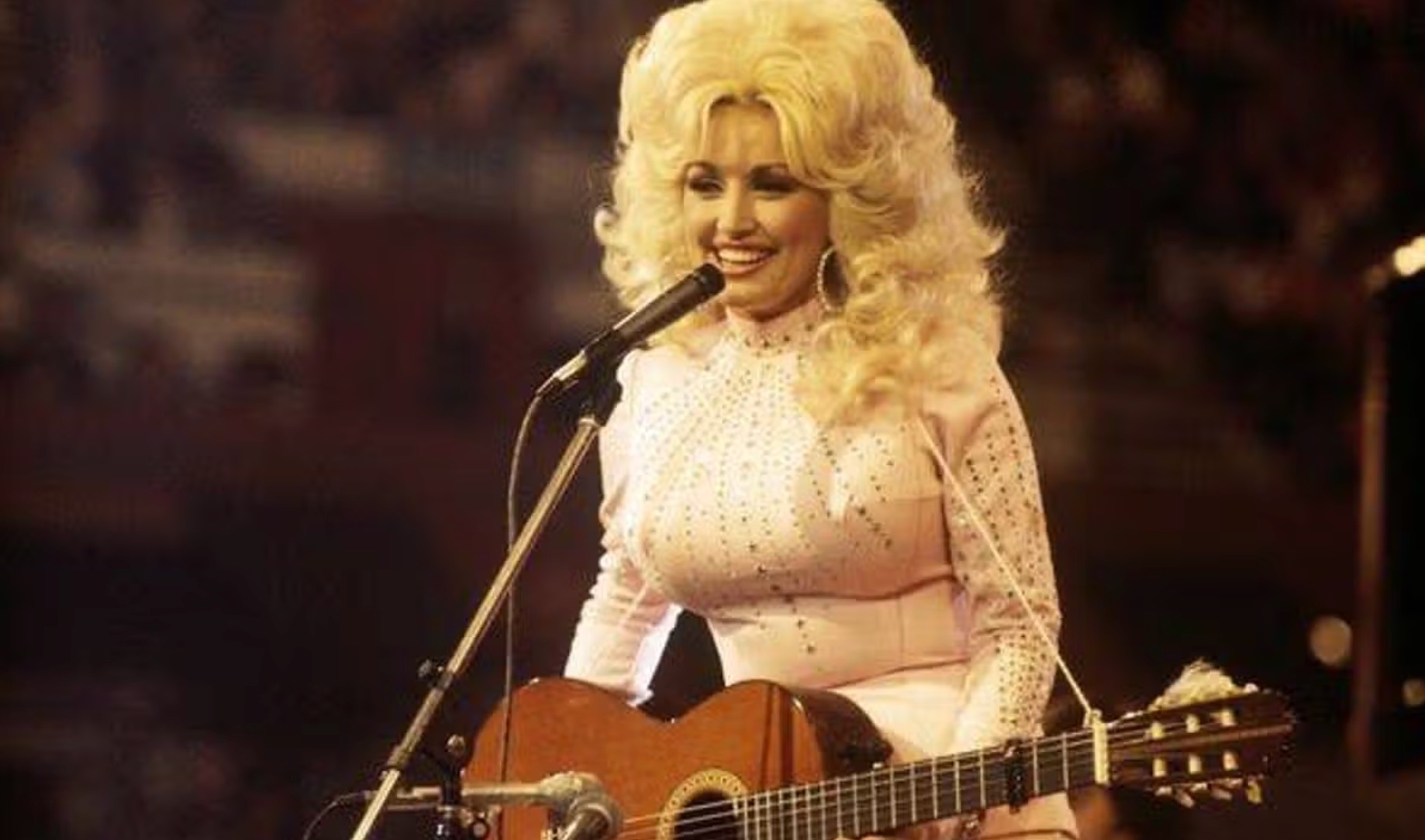
Broad appeal across political lines
A survey conducted in April by the University of Massachusetts Lowell and YouGov found that Parton had the highest net favourability among a group of globally recognised public figures.
The survey of 1,000 people gave her a net favourability rating of plus 65 per cent, with strong support among both liberals and conservatives. Barack Obama was next, with a net favourability rating of plus 14 per cent. Donald Trump and former President Joe Biden received net negative ratings.
Parton’s reach extended well beyond political identity.
Her flamboyant appearance became part of LGBTQ and drag culture, while her Christian faith and association with Dollywood, the family-oriented theme park in Tennessee, connected her with religious and family audiences.
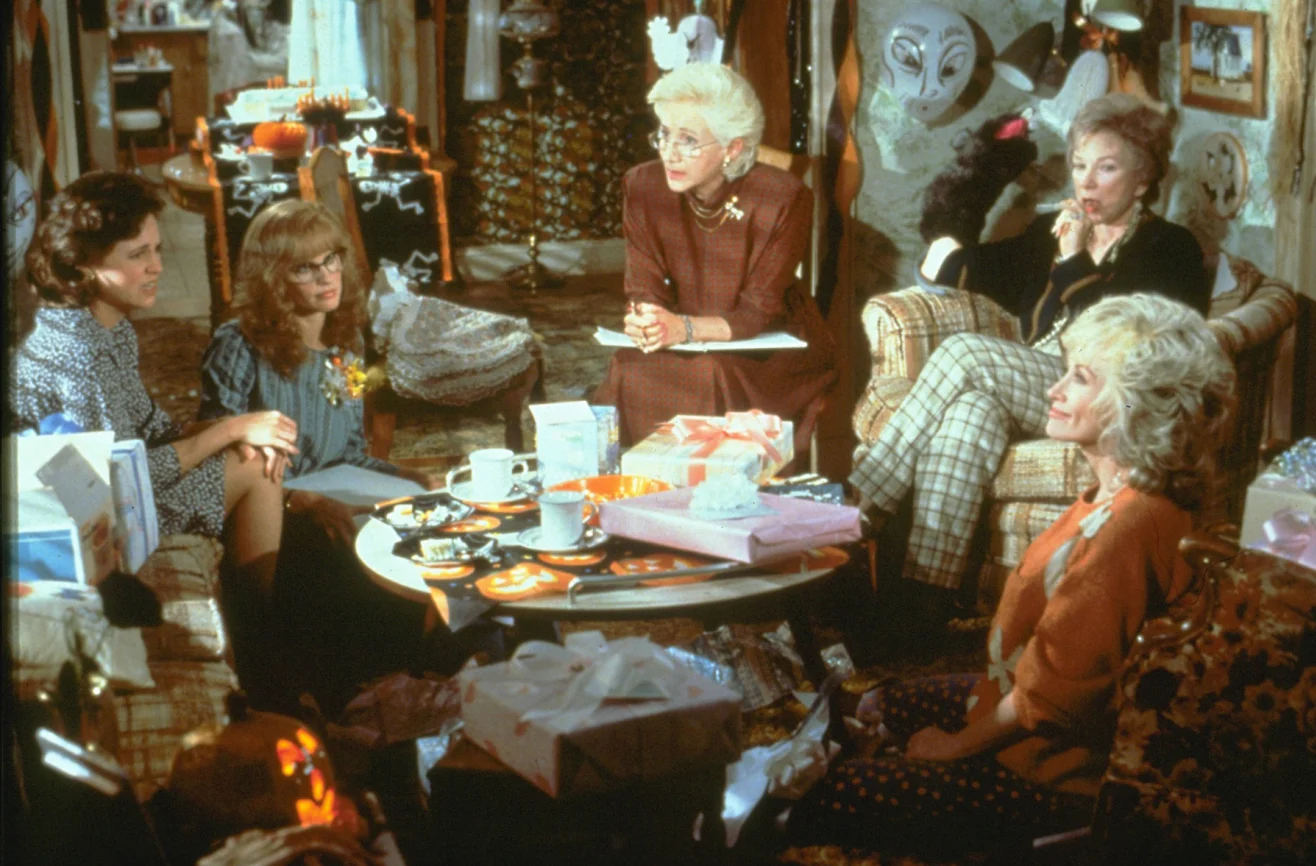
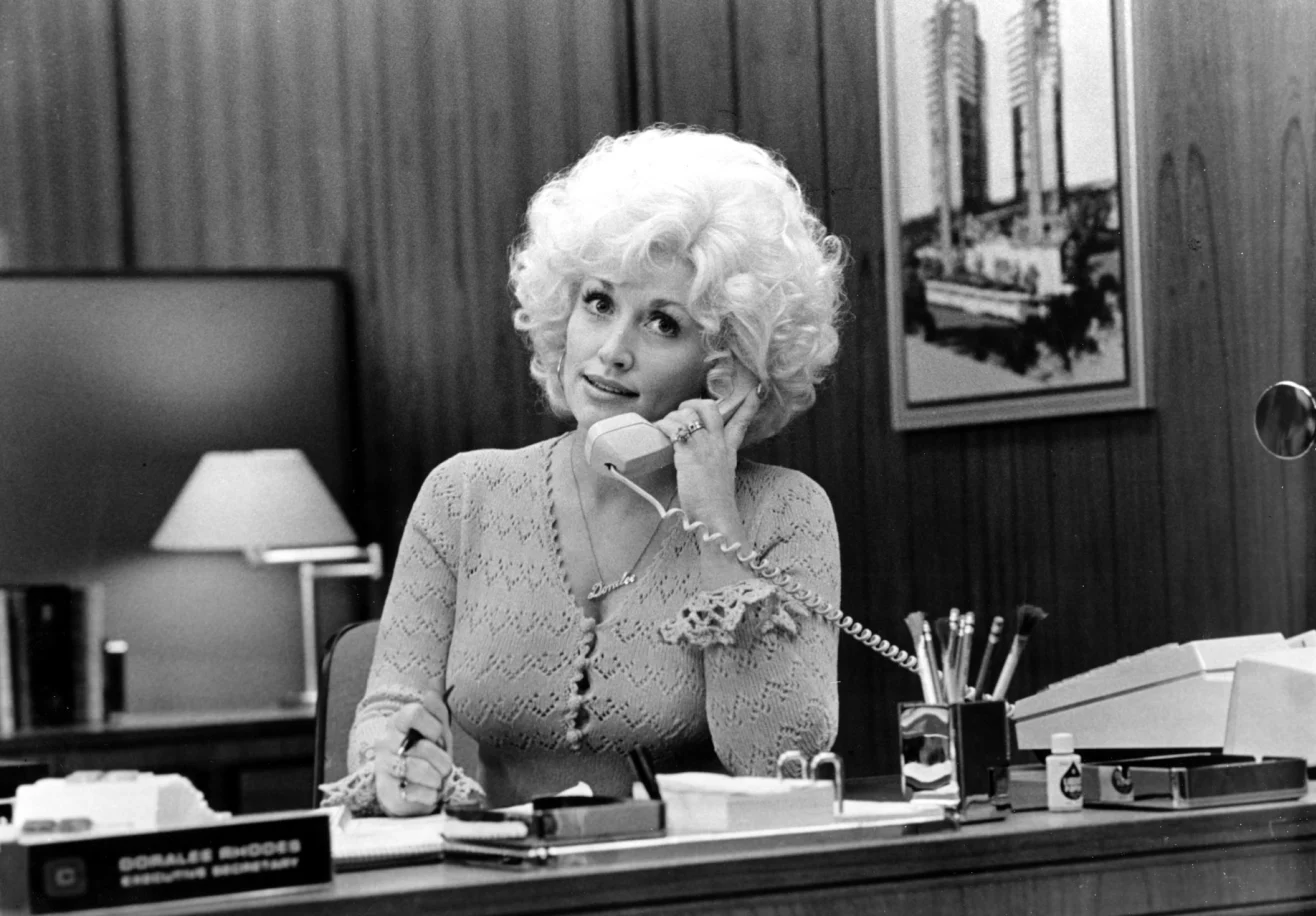
She also became associated with feminist themes after starring in the comedy “9 to 5”, although she declined to describe herself as a feminist, preferring the term “woman in business.”
Her willingness to make fun of her own appearance was another part of her public persona. She openly joked about her cosmetic surgery and the expectations that accompanied her image.
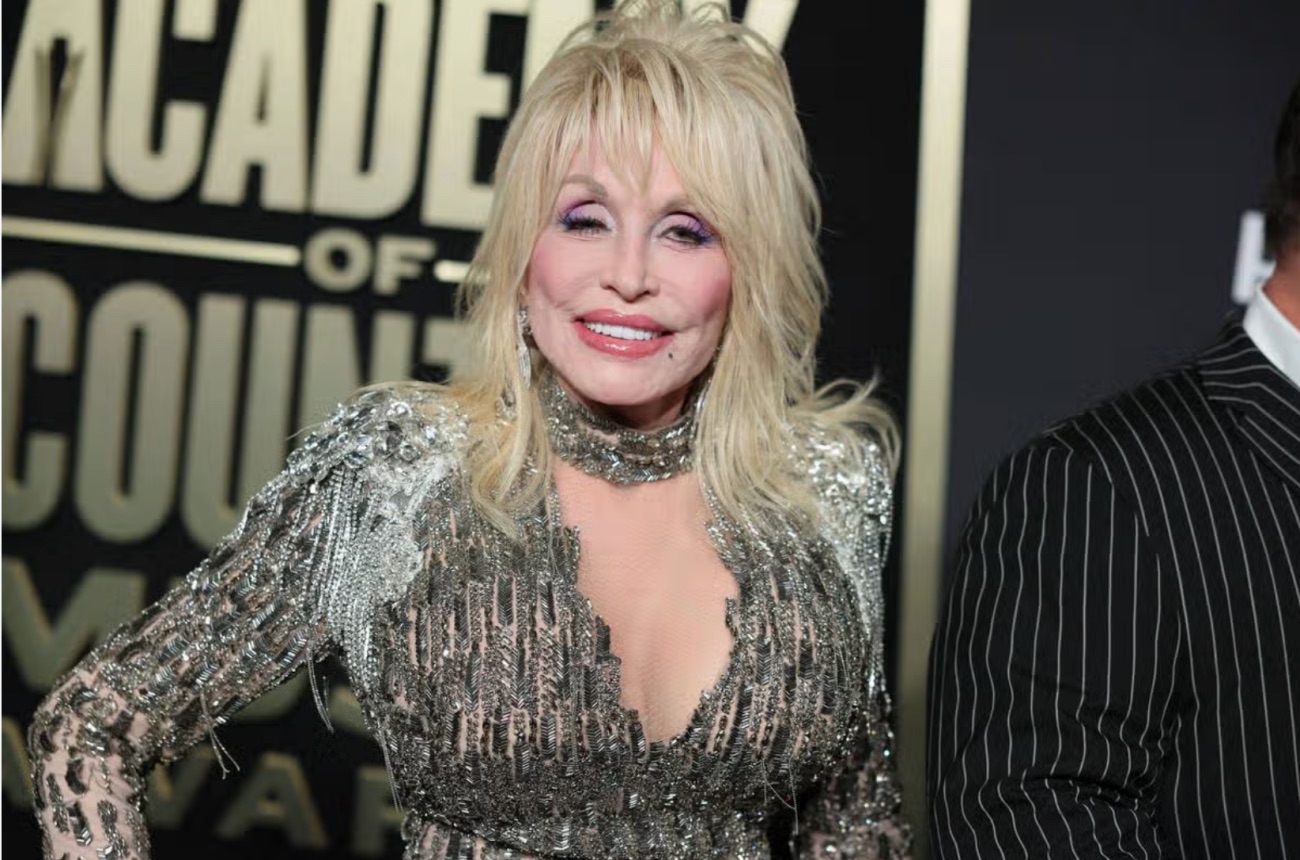
Music that travelled across generations
Parton’s music helped establish her as a crossover star at a time when country music could reach audiences well beyond its traditional base.
Songs such as “Jolene” and her love ballads and duets became part of a catalogue that continued to attract listeners decades after many of her biggest recordings were released.
“Jolene” tells the story of a woman pleading with another woman not to take her partner. The song’s emotional directness helped make it one of Parton’s enduring works.
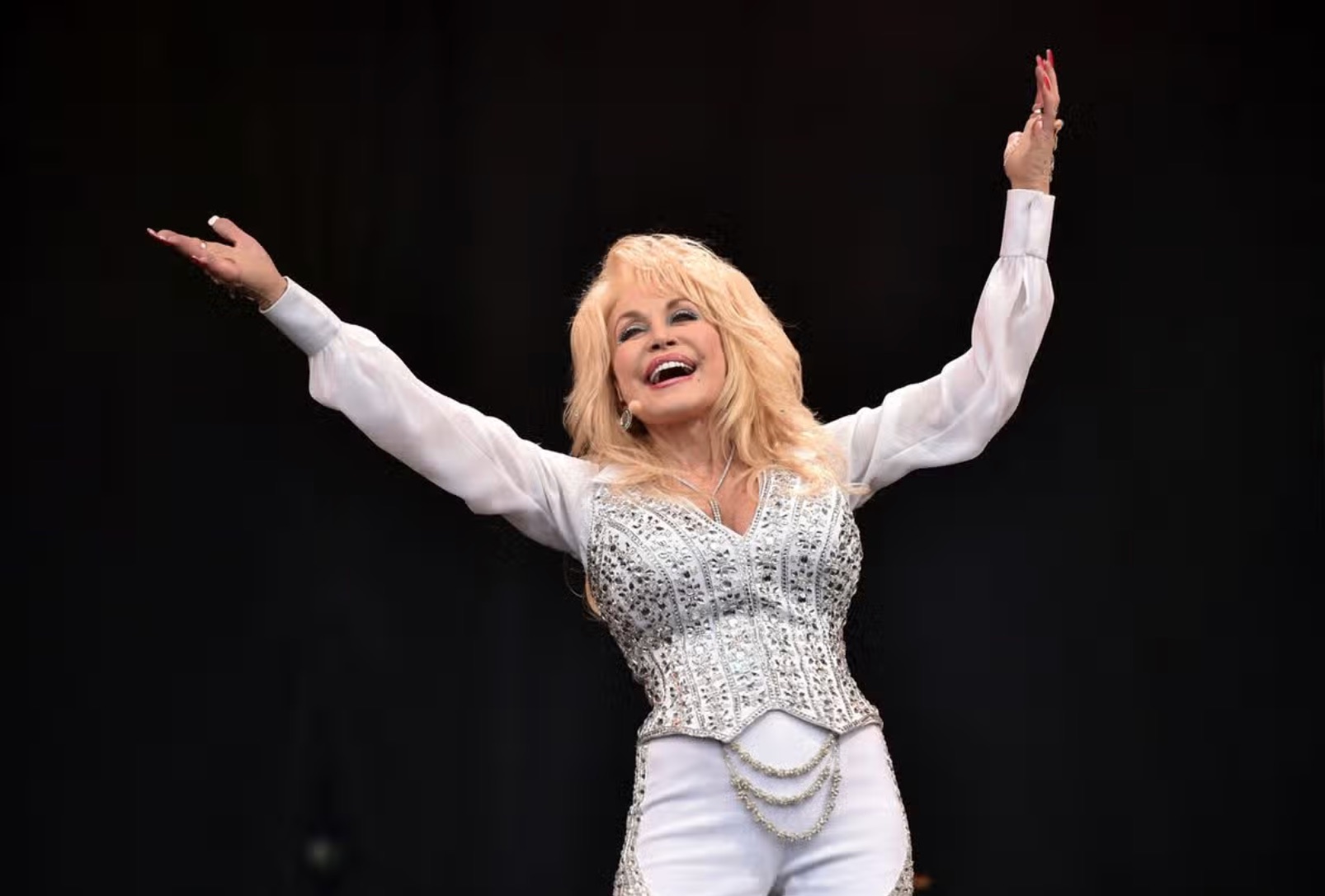
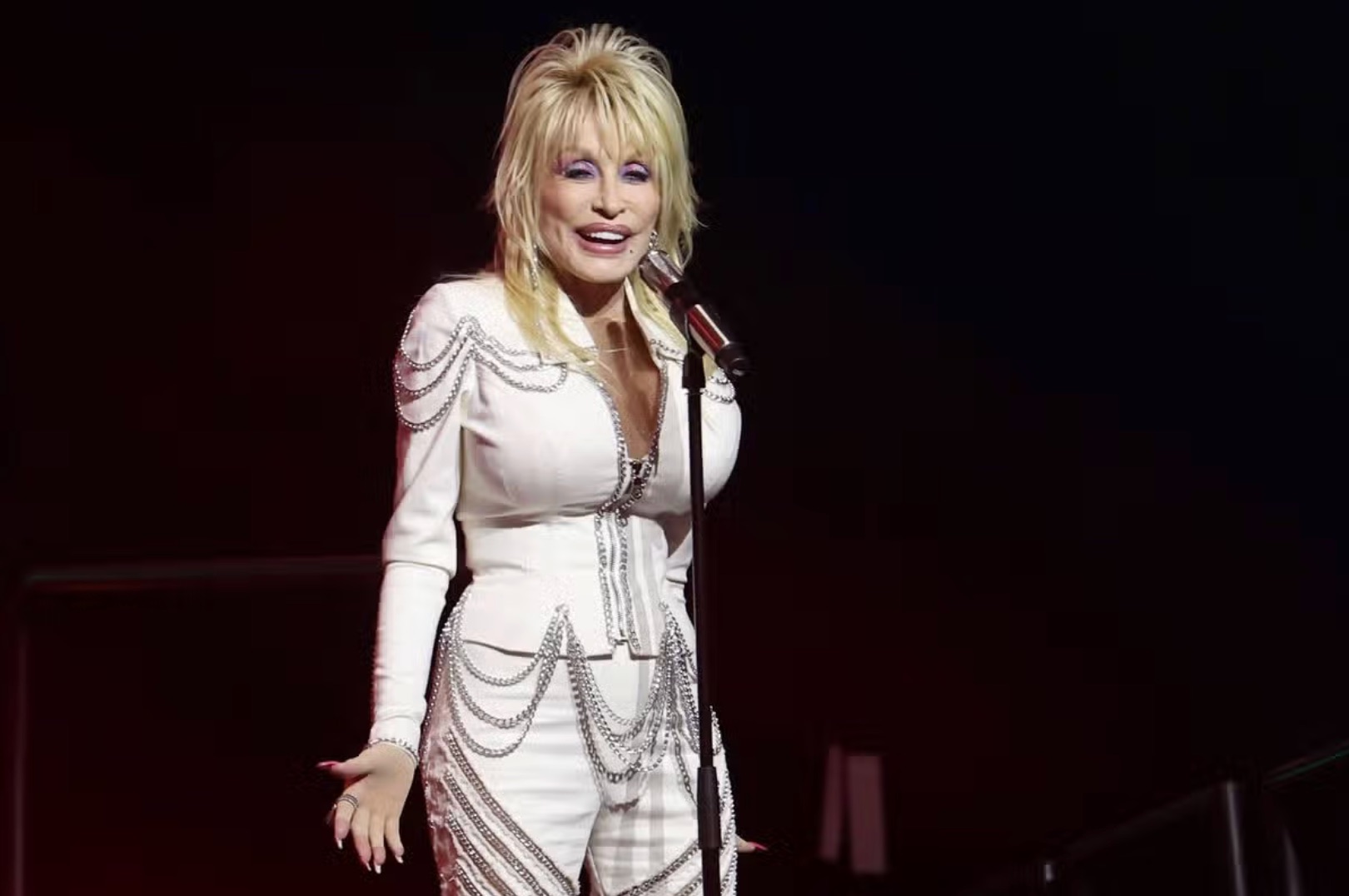
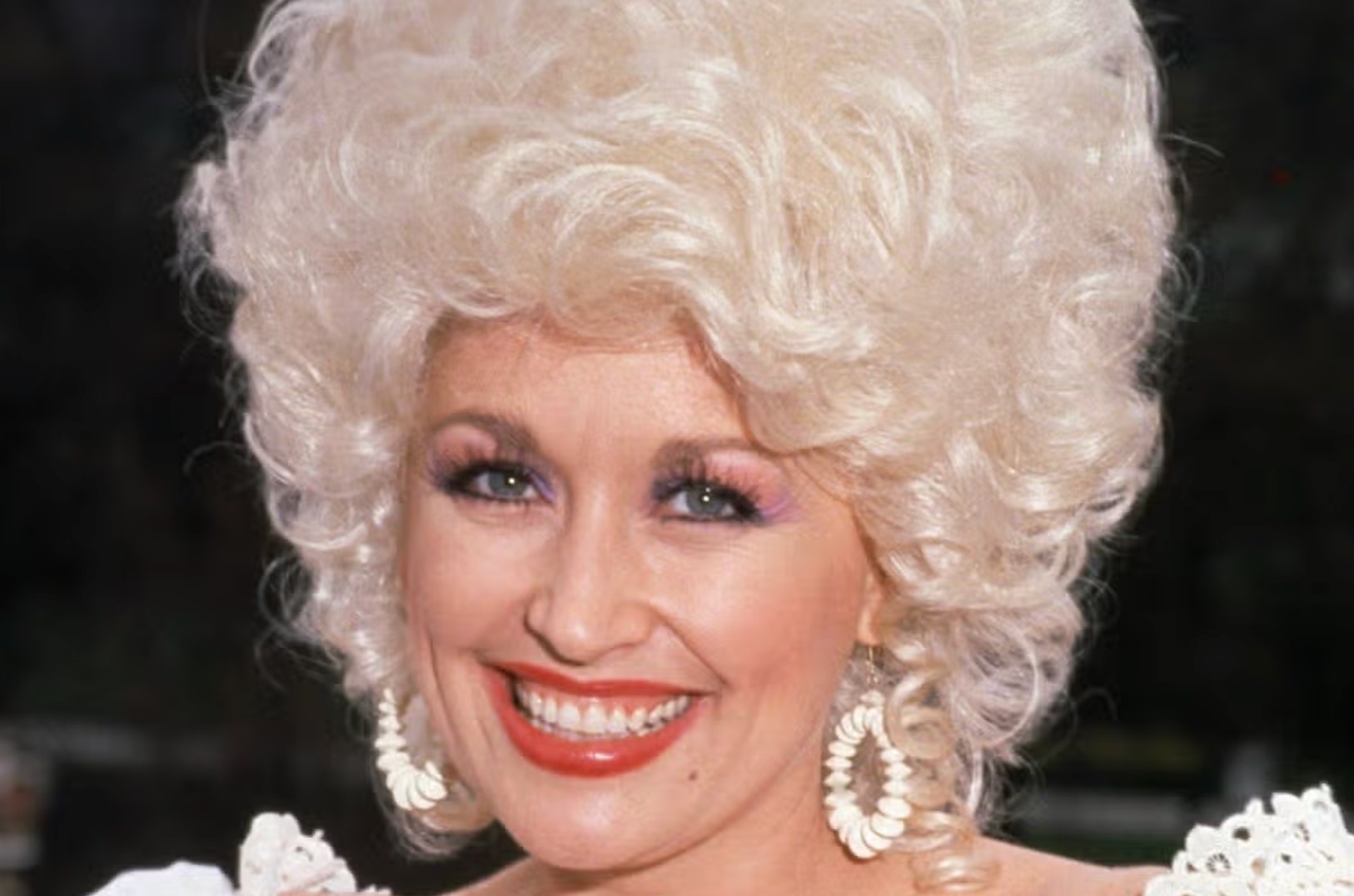
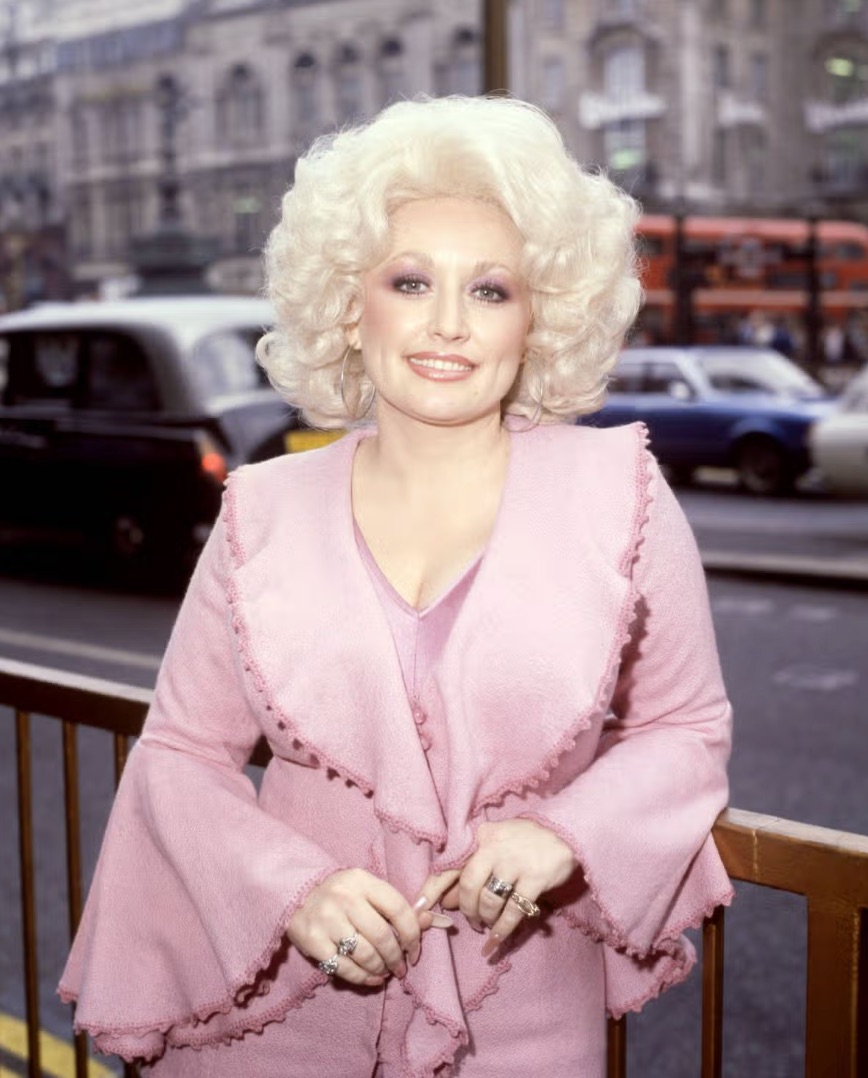
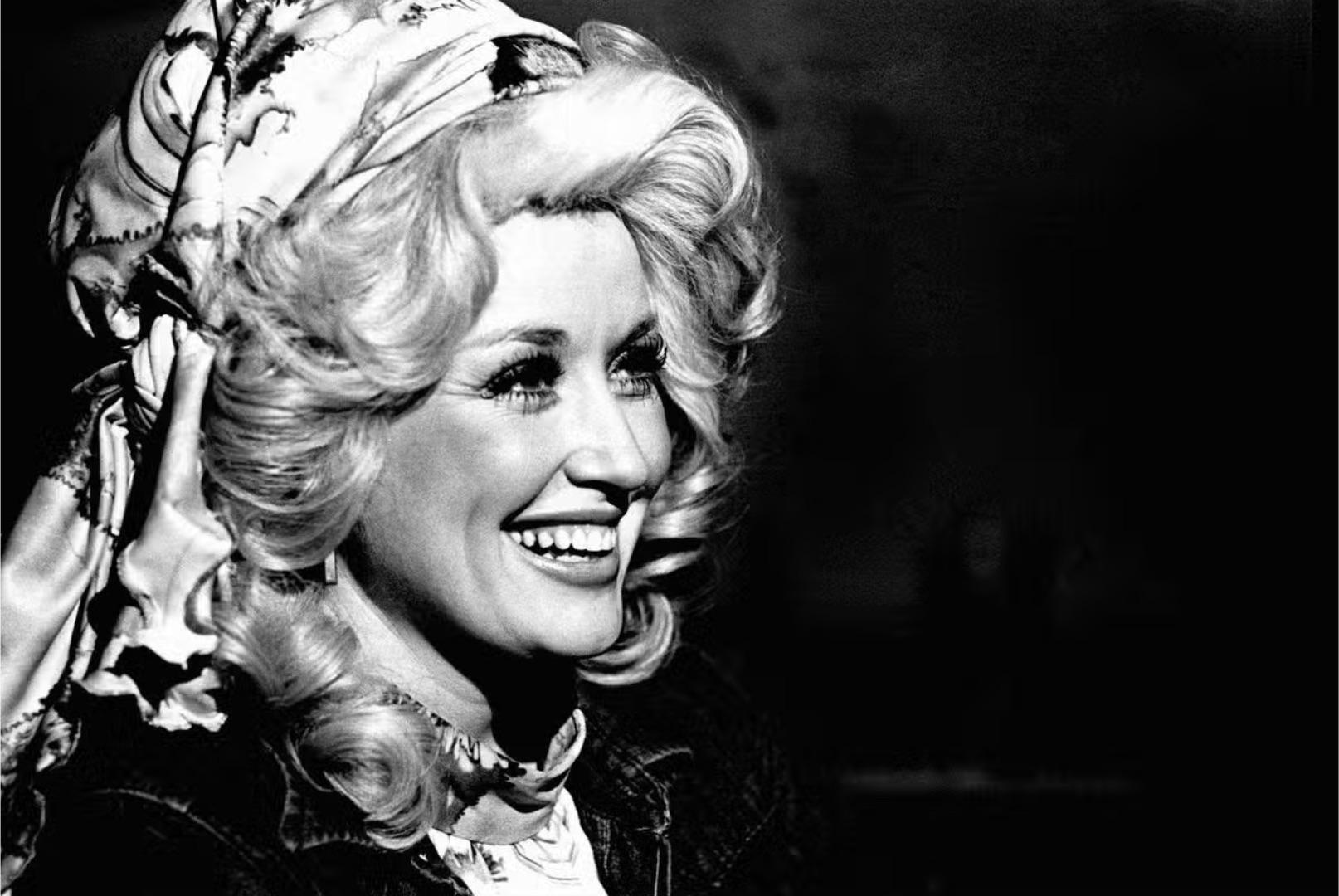
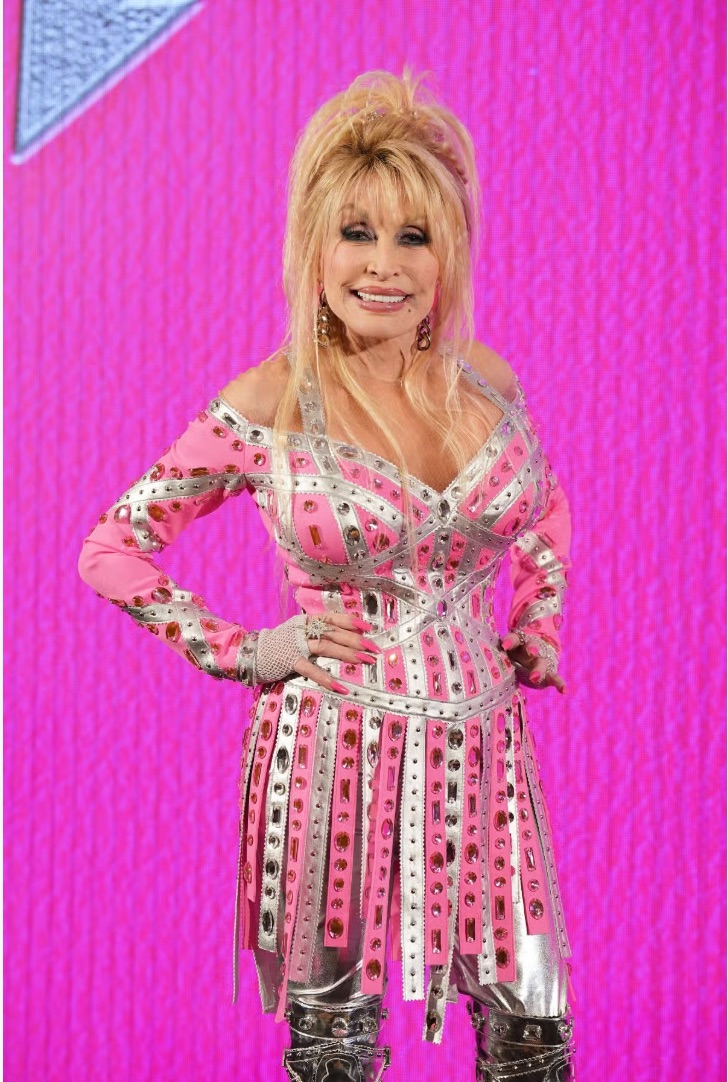
Her appeal was also tied to the warmth and humour she brought to public appearances. Her distinctive laugh, elaborate hair and makeup and willingness to make herself the subject of jokes became inseparable from the character she presented to the public.

Faith and decency
Parton’s public life was shaped in part by her upbringing in the church.
Martha Ackmann, who wrote a biography of Parton, said in 2025 that the singer had been raised in her grandfather’s church and was familiar with the Bible.
One of Parton’s favourite passages, Ackmann said, was the biblical injunction not to judge others.
Ackmann described the quality at the centre of Parton’s public character as “decency” and said it involved treating other people with compassion and openness.
Parton’s death prompted mourning in places and communities that did not ordinarily share the same political or cultural loyalties.
Her career had been built across those divisions rather than within them, leaving behind an audience that extended from country music devotees to pop listeners, from political conservatives to liberals and from religious communities to drag performers.
For an American celebrity whose appeal was rarely confined to one side of the country’s cultural divide, the breadth of that audience became one of the defining features of her legacy.