
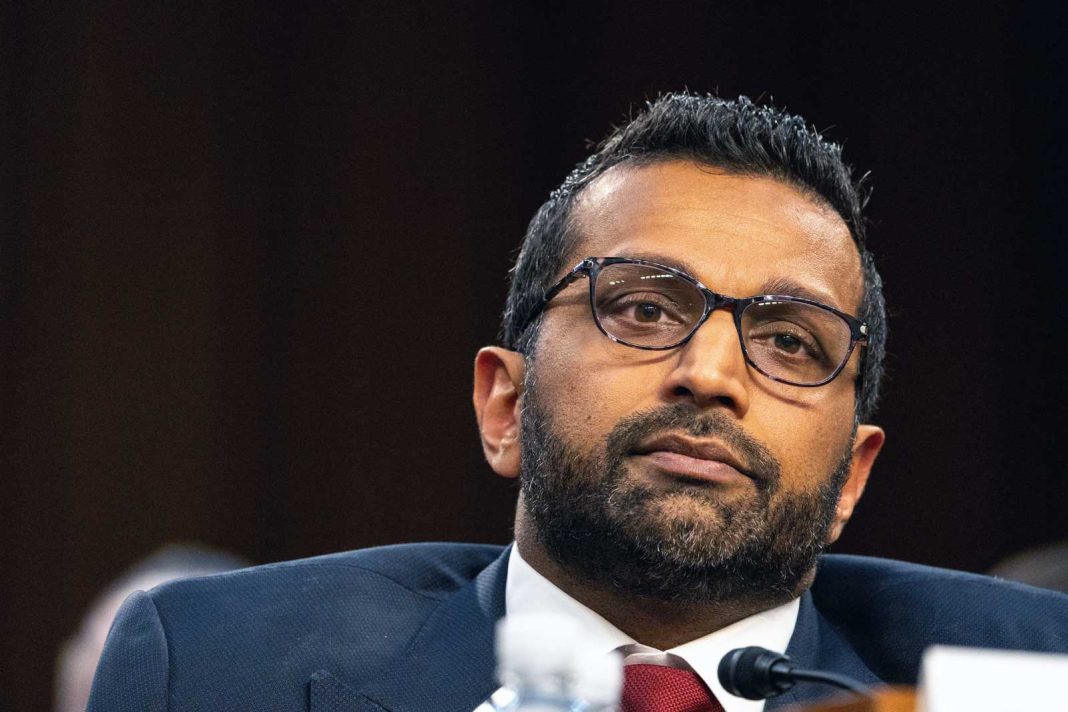

WASHINGTON, United States — Kash Patel, the director of the Federal Bureau of Investigation (FBI), filed a defamation lawsuit on Monday, April 20, 2026, against The Atlantic and one of its reporters, Sarah Fitzpatrick, seeking $250 million in damages over a published article about his conduct.
The suit, lodged in the United States District Court for the District of Columbia, challenges claims in the article that alleged Patel had “alarmed colleagues with episodes of excessive drinking and unexplained absences.”
According to the complaint, the article “falsely assert[s]” that Patel “is a habitual drunk, unable to perform the duties of his office, is a threat to public safety, is vulnerable to foreign coercion, has violated DOJ ethics rules, is unreachable in emergencies, has required the deployment of ‘breaching equipment’ to extract him from locked rooms, allows alcohol to influence his public statements about criminal investigations, and behaves erratically in a manner that compromises national security.”
The lawsuit further states that the publication advanced what it described as a “central thesis that Director Patel is a derelict and erratic leader, who abuses alcohol to the point of being unfit for his duties,” and alleges that the article was published “with actual malice.”
Dispute Over Reporting Standards
Patel’s legal filing argues that the publication ignored information that could have contradicted its claims and failed to conduct adequate verification before publishing.
It also alleges that a request for comment from the F.B.I. was made shortly before publication and that a request for additional time to respond was not granted.
Before the article was published, Patel was quoted as saying, “I’ll see you in court — bring your checkbook.”
In response to the lawsuit, a spokesperson for The Atlantic said, “We stand by our reporting on Kash Patel, and we will vigorously defend The Atlantic and our journalists against this meritless lawsuit.”
Fitzpatrick wrote in the article that she had interviewed “more than two dozen people” regarding Patel’s conduct, including current and former officials, lawmakers and others, many of whom were granted anonymity “to discuss sensitive information and private conversations.”
She reported that sources “described Patel’s tenure as a management failure and his personal behavior as a national-security vulnerability.”
In a separate interview, Fitzpatrick said, “I stand by every word of this reporting. We have excellent attorneys.”
Legal Threshold and Expert Views
The case centres on the legal standard of “actual malice,” which public officials must meet in defamation claims, requiring proof that a statement was made with knowledge of its falsity or with reckless disregard for the truth.
Adam Steinbaugh, of the Foundation for Individual Rights and Expression, expressed scepticism about the case, writing, “Patel said proving actual malice is a ‘lay up’ (no), but the allegations in this complaint don’t even hit the backboard.”
He added that such litigation could still influence newsroom decisions, noting it may prompt media organisations to consider the legal costs of defending similar cases.
Legal experts said that if the lawsuit proceeds beyond early dismissal stages, it could enter the discovery phase, during which both sides would exchange evidence and conduct sworn testimony.
Lee Levine, a lawyer with experience representing media organisations, said that in such a scenario, both parties would have the opportunity to seek evidence supporting their claims.
CNN reported that it had not independently corroborated the allegations described in The Atlantic’s article.