
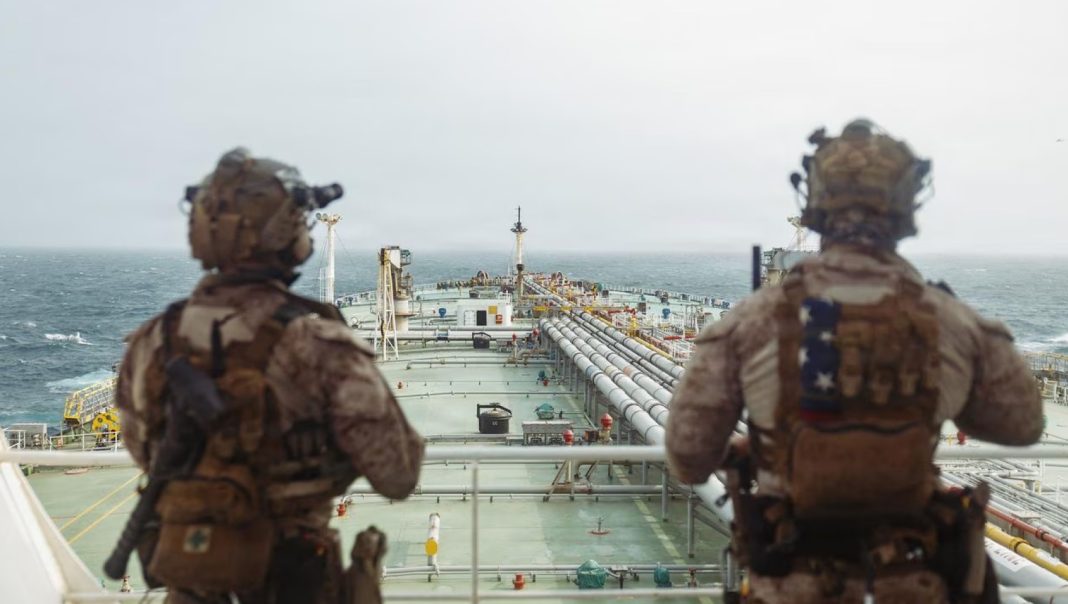

DOHA, Qatar — Iran launched missiles and drones towards Qatar, Kuwait and Jordan, and claimed attacks on American military assets elsewhere in the region.
The assaults came as the United States expanded its campaign inside Iran to bridges and maritime surveillance infrastructure along the country’s southern coast.
The exchanges widened the conflict beyond direct attacks between Washington and Tehran, drawing several Gulf and Arab states into renewed confrontation and prompting regional governments to condemn Iran while calling for negotiations.
The attacks unfolded on Friday, July 17, 2026, after another round of American strikes on southern Iran and areas near the Strait of Hormuz.

Iranian Strikes Reach Several Countries
Qatar issued two shelter warnings as Iranian missiles approached the country and air defences attempted to intercept them.
Qatar’s Interior Ministry said a child was injured by falling fragments from the interception operations.
Iran also attacked Kuwait, where authorities reported damage to a power generation and water desalination facility.
A fire broke out at the plant, and several electricity-generating units were disrupted, according to Kuwaiti officials.
Jordan’s military said it intercepted three missiles launched by Iran.
The Iranian military also claimed that it had struck American assets in Bahrain and Oman.
Those claims were not independently confirmed in the material provided.
In northern Iraq, a missile and drone attack killed nine members of an Iranian Kurdish organisation, according to an official from the group. Iran did not immediately claim responsibility for that attack.
Iran’s Islamic Revolutionary Guard Corps separately said it had targeted an American special operations command centre at Al-Tanf in Syria.
A Syrian military source said an attack occurred near the area but did not strike the base, while the United States military rejected Iran’s account.
Bridges and Surveillance Infrastructure Hit
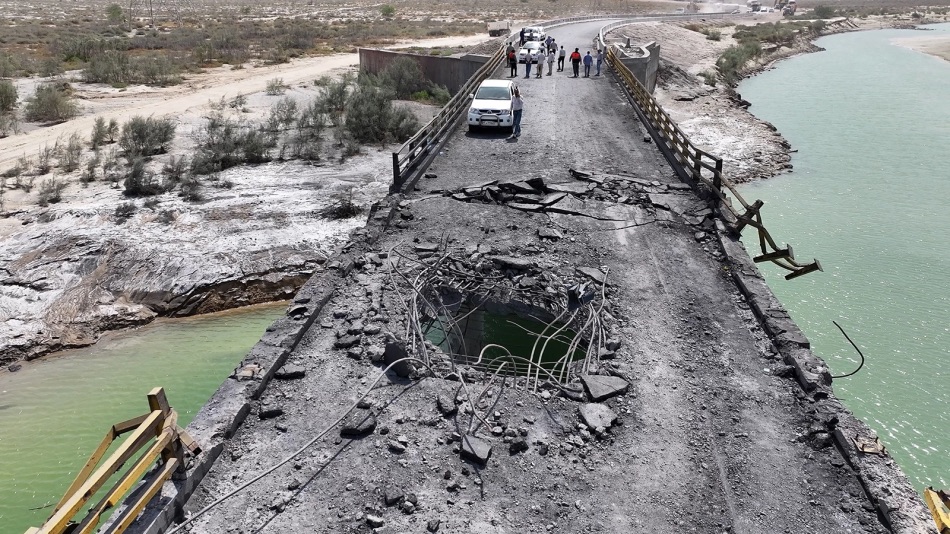
Inside Iran, American strikes damaged several bridges in the southern province of Hormozgan, including routes connecting coastal communities with Bandar Abbas, a major port overlooking the Strait of Hormuz.
Iranian state media said the United States attacked at least five bridges.
Seven people were reported killed in strikes around Bandar Khamir, where a railway station was also hit.
Footage from Bandar Khamir showed damage to a bridge after the attacks.
Iranian authorities said the wider strikes on bridges in the province killed at least eight people and injured 20.
The United States also destroyed a surveillance tower at Shahid Kalantari Port in Chabahar, according to U.S. Central Command.
Iran said the tower was used to oversee commercial traffic entering the port. Central Command described it as part of a Revolutionary Guard network used to “track and target commercial shipping in the Strait of Hormuz”.
The American military said destroying the tower would reduce Iran’s ability to monitor vessels in the waterway and protect navigation, except for ships attempting to breach the United States naval blockade.
Iran Warns Gulf Ports Could Be Targeted
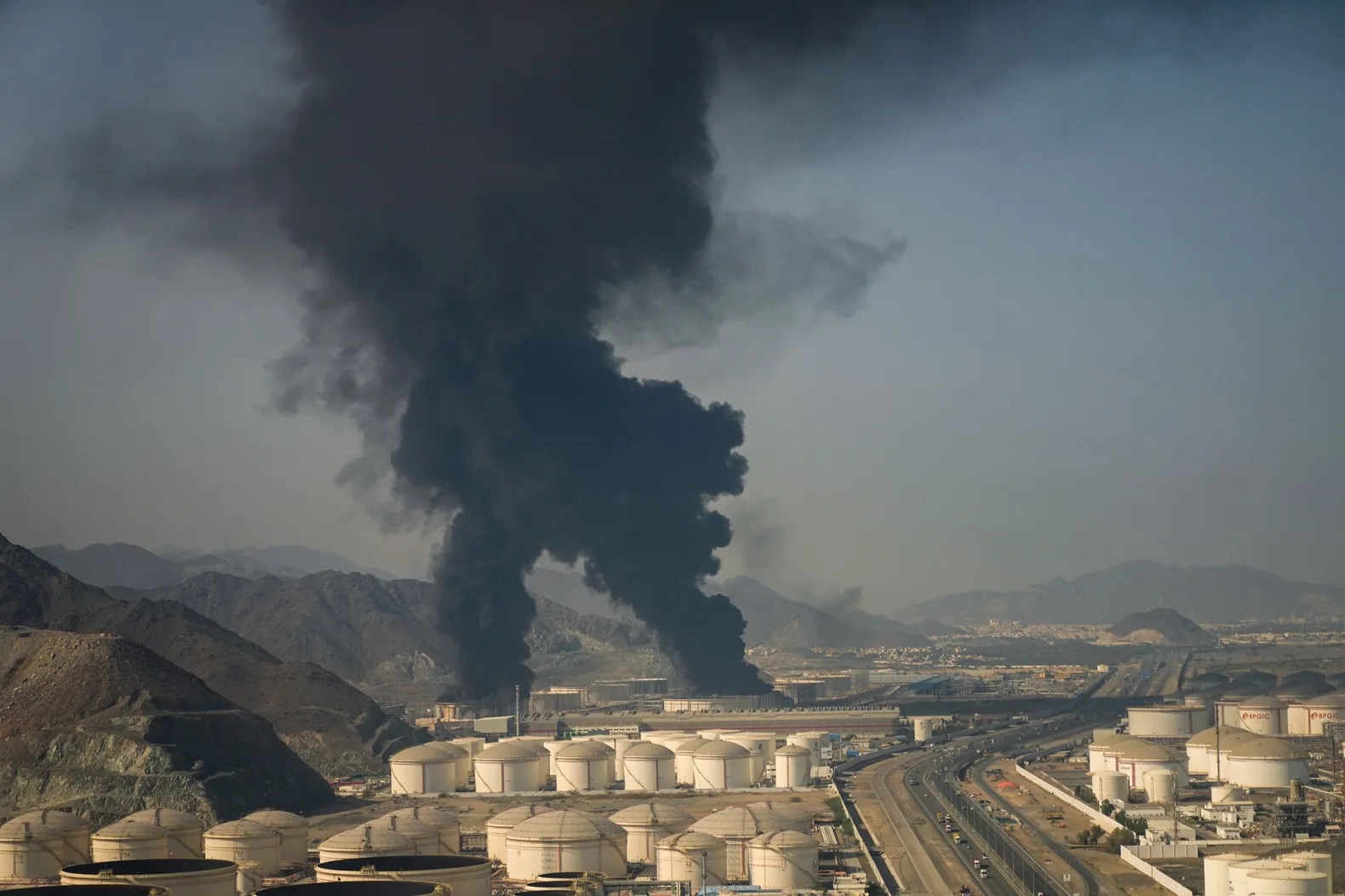
Iran warned that continued American attacks could bring retaliation against important infrastructure in neighbouring Gulf countries.
The semi-official Fars news agency reported that Tehran could strike “a network of key ports” in Gulf states if the United States continued attacking Iranian coastal and civilian infrastructure.
The warning followed American attacks on bridges and transport links serving the Bandar Abbas area, where roads and railways connect Iran’s principal southern port with inland regions.
Iranian officials said the bridges were civilian infrastructure.
The United States said its campaign was intended to weaken Iranian military logistics and maritime operations.
Arab Governments Condemn Tehran
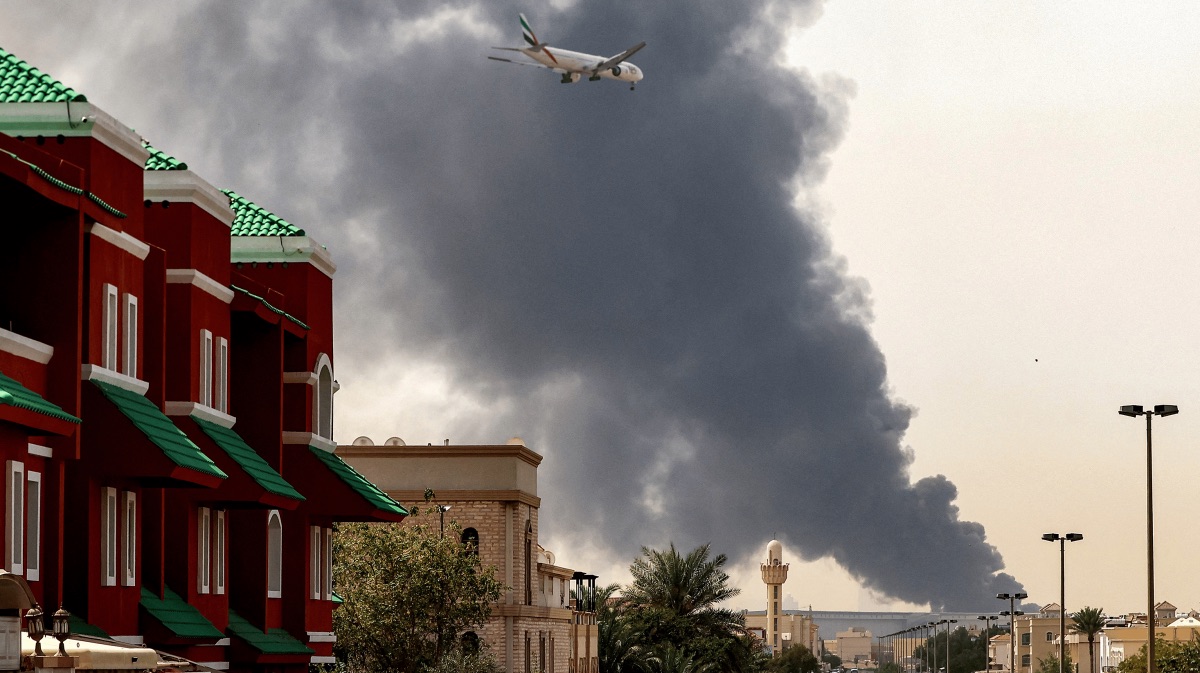
Arab governments responded with coordinated condemnation while renewing appeals for a diplomatic settlement.
Qatar, which had previously helped mediate discussions between Iran and the United States, called for “a serious return to dialogue and negotiations” and for agreements reached through diplomacy.
Jordan’s foreign minister described the strikes as “brutal Iranian attacks” and “a blatant breach of international law”, warning that they risked further destabilising the region.
Kuwait’s foreign minister expressed “strong denunciation of recent reprehensible Iranian aggressions” against Bahrain, Qatar and Jordan and said the attacks threatened civilians.
The United Arab Emirates condemned the strike in Iraq, saying it violated the sovereignty of Iraq and its autonomous Kurdish region.
The statements reflected mounting concern among governments seeking to maintain relations with Washington while avoiding direct participation in an expanding conflict between the United States and Iran.
Neither Washington nor Tehran indicated that it was preparing to halt its military operations.