


CAPE TOWN, South Africa — Nigeria has demanded an investigation into the death of a Nigerian national who was allegedly tortured by South African police officers during a drug investigation in Cape Town.
The incident has renewed diplomatic concerns over the treatment of Nigerians and other African migrants in South Africa.
Odueze Chimezie Odueze died on Friday, October 9, 2026, in the Parklands area of Cape Town after officers reportedly detained him at a shopping centre on suspicion of possessing illegal drugs and subsequently took him to his residence for a search.
According to Nigeria’s Consulate General in Johannesburg, the officers found no drugs during the search but allegedly subjected Odueze to torture that resulted in his death.
The allegations have not been independently established, and the precise circumstances of his death remain unclear.
In a statement issued on Tuesday, October 13, Consul General Ninikanwa O. Okey-Uche condemned the incident and demanded a comprehensive investigation by South African authorities.
The diplomatic mission said the reported circumstances had caused distress to Odueze’s family, the Nigerian community, and Nigeria’s diplomatic representatives in South Africa.
The consulate also expressed concern that the death appeared to follow a succession of allegations involving excessive force and extrajudicial killings of Nigerians by South African law enforcement personnel.
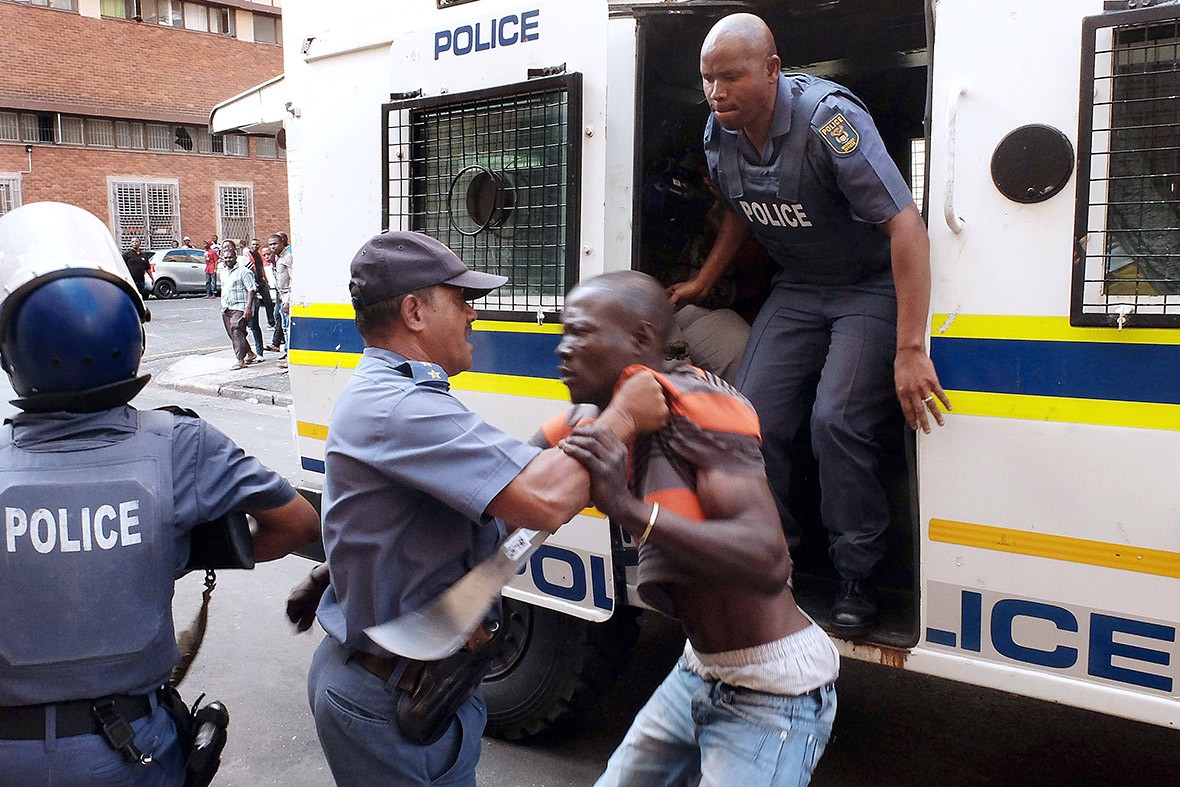
Consulate Demands Investigation and Prosecution
The Nigerian diplomatic mission urged South African authorities to establish the circumstances of Odueze’s death and prosecute any officers found responsible.
It argued that allegations of criminal conduct, including drug possession, must be handled through established legal procedures rather than violence or extrajudicial punishment.
“No matter what the allegations may be, there are processes and steps to justice,” the consulate said.
The mission stressed that every suspect was entitled to due process and a fair hearing before a court of law, regardless of nationality or the nature of the accusations.
Okey-Uche said the recurring allegations of police brutality against Nigerians raised serious questions about the safety of foreign nationals and the accountability of security personnel.
The statement also criticised the tendency to associate Nigerians collectively with criminal activity, warning that such generalisations could encourage discrimination and hostility towards law-abiding immigrants.
The consulate appealed to Nigerians living in South Africa to remain calm, obey local laws, and take appropriate precautions amid continuing anti-immigrant tensions.
It assured Odueze’s family that Nigerian diplomatic officials would continue to seek accountability and press for the protection of citizens living in South Africa.
The mission concluded by reaffirming its commitment to the principle that “Nigerian and all lives matter.”
As of Wednesday, October 14, no publicly verified findings had established the medical cause of Odueze’s death or whether any officers had been suspended, arrested, or charged in connection with the incident.
A specific public response from the South African Police Service (SAPS) to the latest allegations could not be independently confirmed.
Previous Deaths Sparked Diplomatic Dispute
Odueze’s death comes just over three months after Nigeria formally protested the deaths of two other citizens in South Africa.
On July 5, Nigeria’s Ministry of Foreign Affairs condemned the deaths of Emeka Charles Iroegbu and Musa Yunana Joe, also known as Big Joe, both of whom died on June 28.
According to a statement published by Nigeria’s Federal Ministry of Information, Iroegbu allegedly died after being subjected to violent interrogation by officers in Sunnyside, Pretoria.
The government also referred to an earlier incident involving Nnaemeka Mathew Andrew Ekpenyong, who reportedly died on April 20 following alleged police brutality.
Nigerian officials alleged that the same officers were implicated in both deaths and criticised what they described as an absence of accountability.
Joe, meanwhile, was killed outside his shop in Witbank, Mpumalanga, by unidentified assailants.
The incidents prompted Nigerian authorities to raise concerns about the safety of their nationals and the possibility of discriminatory violence.
However, South African police disputed the allegations surrounding the Pretoria death.
In a statement issued on July 7, SAPS said officers from a drug enforcement team had arrested a Nigerian national at his apartment on June 28.
Police maintained that the man collapsed while being taken into custody after being handcuffed.
According to SAPS, officers called for emergency medical assistance, but paramedics pronounced him dead at the scene.
The police said the Independent Police Investigative Directorate (IPID), South Africa’s police oversight body, had been informed and that an inquest had been registered.
They also rejected suggestions that the death was connected to anti-immigrant protests.
The competing accounts underscored the tensions between Nigerian diplomatic officials and South African law enforcement authorities over allegations of police brutality.
In a separate incident in July, the Nigerian Citizens Association South Africa condemned the alleged killing of Chika Ibe, a Nigerian from Abia State, during a police operation in Bellville, Cape Town.
The association alleged that Ibe had been beaten and suffocated and demanded an independent investigation.
The circumstances of that death also required independent verification.
Police Oversight Body Records Thousands of Misconduct Complaints
The latest allegation arises against a wider background of concern about police violence and accountability in South Africa.
The Independent Police Investigative Directorate, which investigates alleged criminal misconduct by police officers, registered 5,259 cases during the 2025–26 financial year.
According to figures released when the directorate’s annual report was presented to Parliament on September 30, complaints involving assault and torture accounted for 3,468 cases.
The oversight body also recorded 669 cases involving the discharge of official firearms and 464 cases of deaths resulting from police action.
Western Cape, where Odueze died, accounted for 905 misconduct cases, the highest provincial total reported by the directorate.
Gauteng recorded 898 cases, followed by KwaZulu-Natal with 722 and Eastern Cape with 717.
The statistics were published by IPID and reported by South African news organisations in early October.
The cases represent allegations or incidents registered for investigation, rather than findings that every officer involved committed a criminal offence.
Nevertheless, the figures illustrate the scale of complaints confronting South Africa’s police oversight system.
IPID is responsible for investigating deaths in police custody, deaths resulting from police action, torture, assault, and certain other alleged offences involving law enforcement officers.
Its investigations can result in recommendations for criminal prosecution or disciplinary proceedings.
There has been no public confirmation that IPID has opened a formal investigation specifically into Odueze’s death.
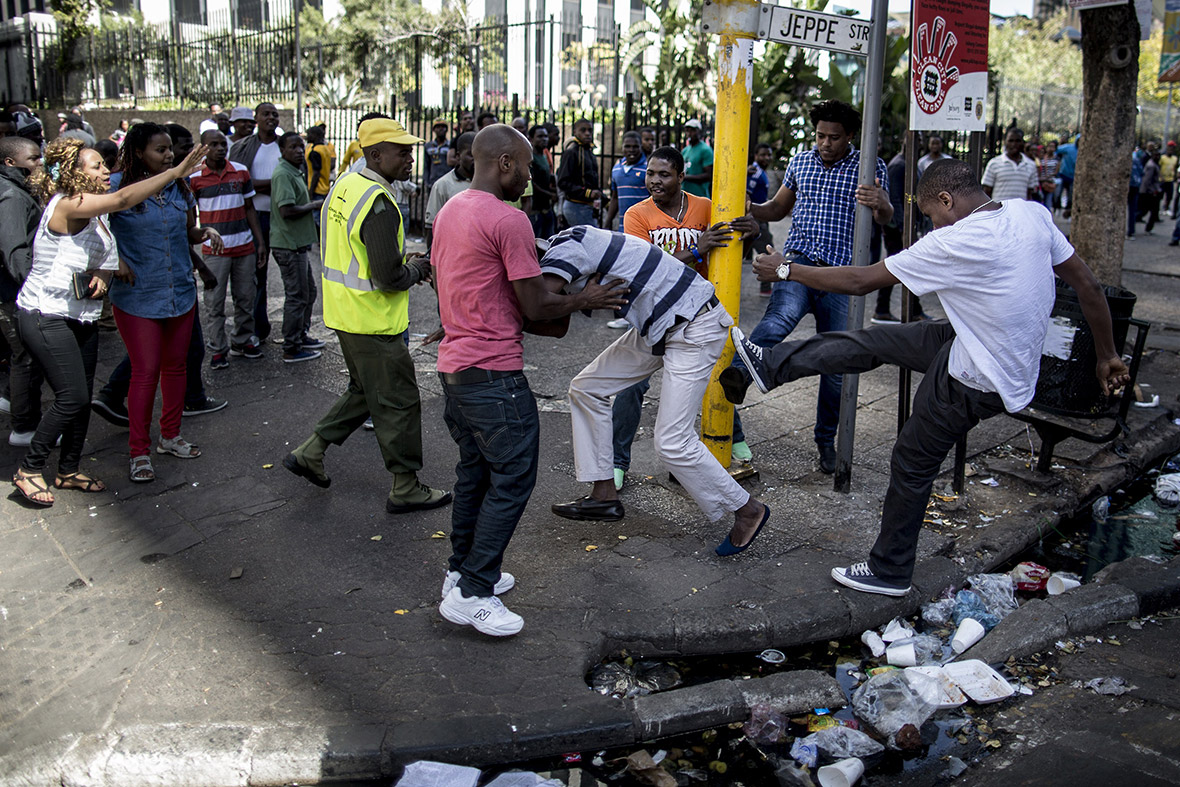
Anti-Immigrant Violence Raises Further Concerns
Odueze’s death occurred amid renewed anti-immigrant protests in several South African cities.
On October 8, demonstrations in Johannesburg’s Soweto township and Durban turned violent as protesters opposed the operation of government facilities processing asylum applications.
The unrest followed a Constitutional Court ruling concerning access to asylum procedures, which some protesters interpreted as granting legal status to undocumented immigrants.
South African authorities said that interpretation was incorrect.
During the unrest, vehicles were set ablaze and businesses owned by foreign nationals were attacked.
Police confirmed that 10 vehicles had been burned in Soweto and 14 in Durban.
South African authorities subsequently arrested dozens of suspects in connection with public violence, property destruction, and unlawful gatherings.
The government condemned the attacks and warned that those responsible would face prosecution.
The protests reflected longstanding tensions surrounding migration in South Africa, where high unemployment, inequality, and economic insecurity have periodically fuelled hostility towards foreign nationals.
Nigerians, Zimbabweans, Mozambicans, Somalis, and other African migrants have experienced episodes of xenophobic violence over the years.
However, there is no independently verified evidence establishing that anti-immigrant sentiment motivated the officers allegedly involved in Odueze’s death.
The Nigerian consulate’s statement drew attention to the broader climate of hostility without establishing a direct connection between the incident and the recent protests.
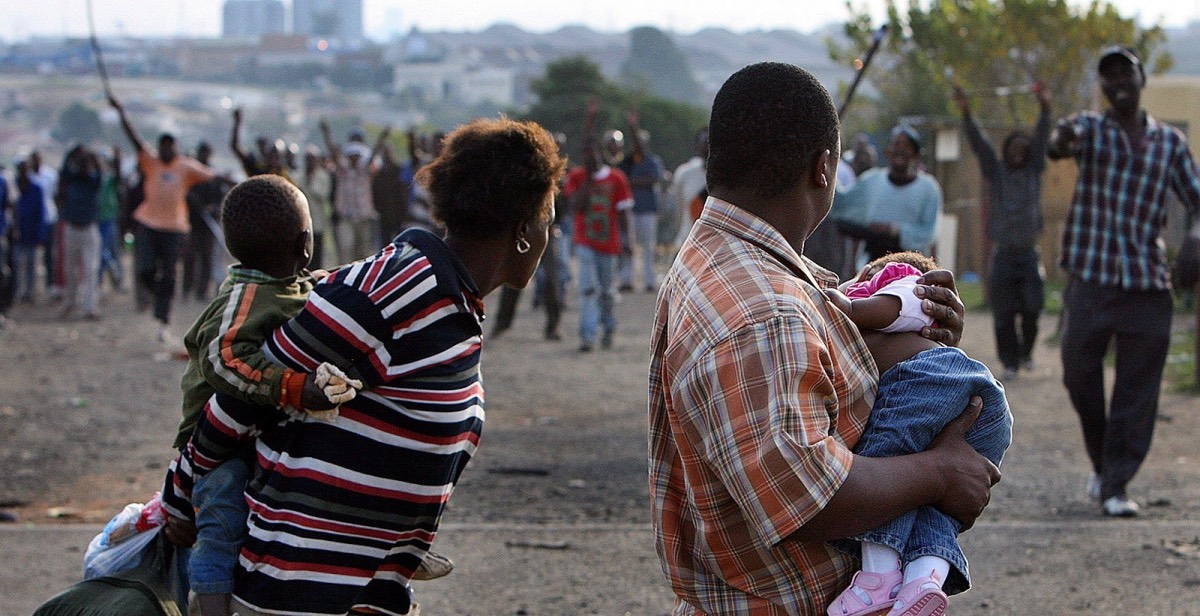
Renewed Test of Nigeria–South Africa Relations
Nigeria and South Africa maintain extensive diplomatic, economic, and cultural relations as two of Africa’s largest economies.
Their relationship has nevertheless faced periodic strains over the treatment of Nigerians living in South Africa.
Violent attacks on foreign-owned businesses in 2019 triggered diplomatic protests, the temporary recall of Nigeria’s high commissioner, and the voluntary evacuation of hundreds of Nigerians.
More recently, the Nigerian government has criticised the handling of several deaths involving its citizens and called for stronger action against those responsible.
South African authorities have maintained that criminal complaints should be investigated through established legal channels and have rejected suggestions that the state condones attacks against foreign nationals.
The death of Odueze presents another test of whether those procedures can deliver transparent findings and accountability.
Critical questions remain unanswered, including the identities of the officers involved, the precise circumstances of Odueze’s detention, whether the alleged search was documented, and what medical evidence establishes the cause of death.
A post-mortem examination and an independent investigation would be central to determining whether unlawful force contributed to his death.
For Odueze’s family and the Nigerian community in South Africa, the immediate demand is that the allegations be investigated independently and that any person found criminally responsible be brought before a court.
Nigeria’s diplomatic mission has pledged to continue pressing the matter until the circumstances of his death are established.




