


MUSCAT, Oman — Two cargo ships have sunk near the Strait of Hormuz as Iran intensifies attacks on commercial shipping in the region.
The Singapore-flagged container ship GFS Pride caught fire after being struck by an unidentified projectile. All 21 crew members were safely evacuated.
A second vessel, the Cape Dao, also sank after sustaining damage in an earlier attack that killed one crew member.
Maritime authorities confirmed both sinkings on Wednesday, October 14, 2026, amid a sharp increase in attacks on vessels travelling through the strategically important waterway.
The incidents came as Iran expanded its maritime operations in response to a United States blockade of Iranian ports and additional economic sanctions.
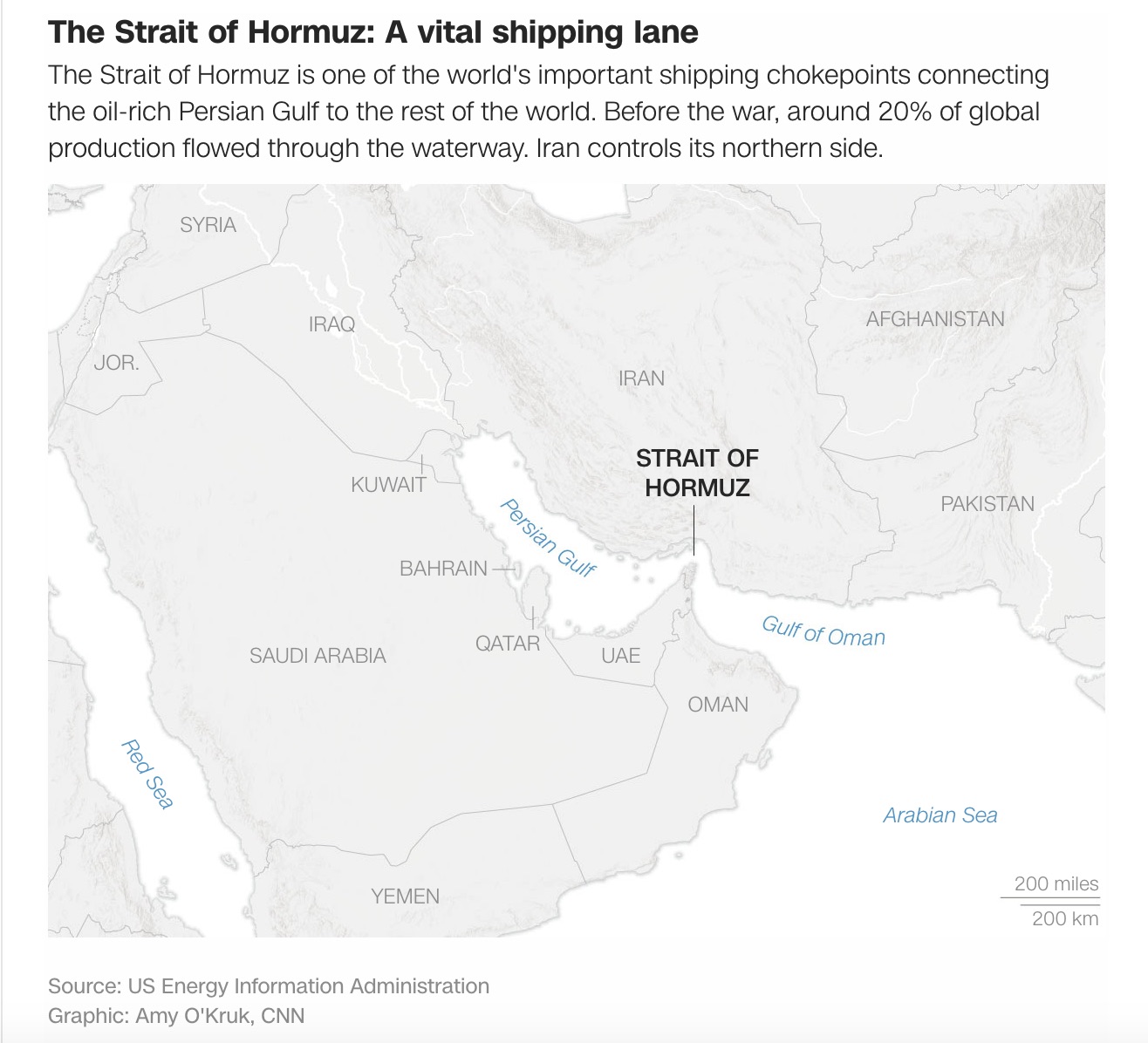
The Strait of Hormuz, which connects the Persian Gulf with the Gulf of Oman, handled approximately one-fifth of global oil and liquefied natural gas trade before the current conflict.
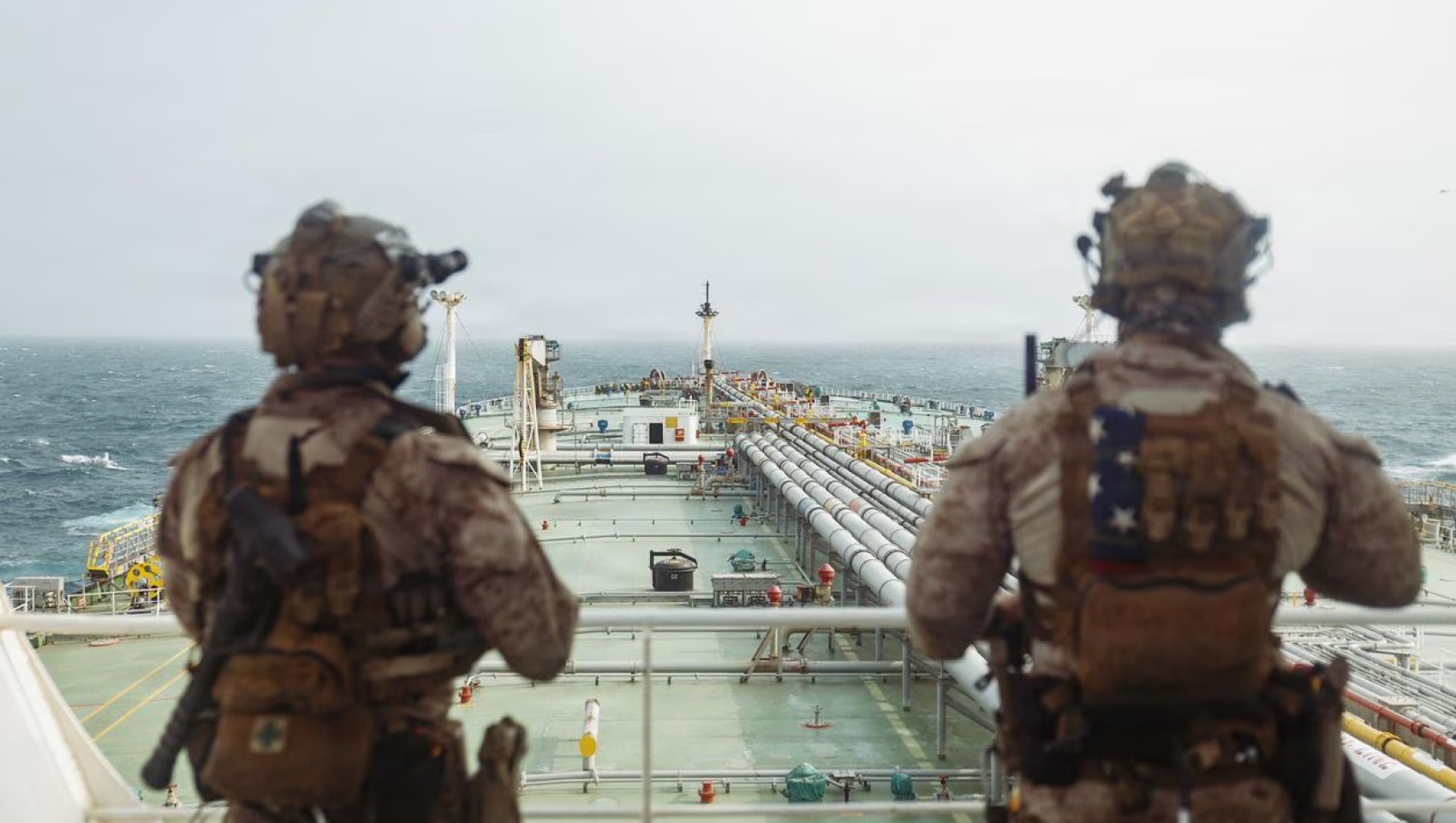
Singapore-Flagged Ship Sinks After Fire
The GFS Pride, a container ship capable of carrying 2,824 standard shipping containers, was struck while crossing the strait on Tuesday.
According to the Maritime and Port Authority of Singapore, the vessel sustained extensive damage before a fire broke out.
The ship subsequently sank.
All 21 crew members escaped without injury, the authority confirmed.
Satellite images taken after the sinking showed shipping containers and other debris floating in the water near the coast of Oman.
CNN-verified footage showed thick black smoke rising from the burning vessel as it took on water.
Later images revealed scattered cargo and a small oil slick.
The ship was managed by GFS Ship Management FZE, a company based in the United Arab Emirates.
The company had not publicly commented on the sinking when maritime authorities issued their initial reports.
Pakistan’s hydrographic authorities subsequently warned vessels navigating the area about floating containers and other hazards.
The warning identified the GFS Pride as having sunk and advised other ships to exercise caution.
Second Ship Sinks Weeks After Fatal Attack
The International Maritime Organization also confirmed the sinking of the Cape Dao, a bulk carrier registered in Antigua and Barbuda.
The vessel had been struck by a projectile on September 23 near Khasab, Oman.
One crew member, identified in reports as an Indian national, died in that attack.
Other crew members were evacuated.
The damaged vessel remained afloat for several weeks before sinking, according to information provided by maritime authorities.
Its operator, UAE-based Peonies Shipmanagement FZE, did not immediately respond to requests for comment.
The two vessels are the second and third commercial ships confirmed to have sunk in the region since the United States and Israel launched military strikes against Iran on February 28.
The first was the Maltese-flagged container ship Safeen Prestige, which was hit by a projectile in March and later sank north of the strait.
Iranian forces also attacked and seized another container ship, the MSC Francesca, in April.
The latest losses follow a series of incidents involving oil tankers, bulk carriers, and container ships.
Iran Claims Vessel Struck Naval Mine
Iran’s Islamic Revolutionary Guard Corps offered a different account of the latest sinking.
The Guards’ naval command said a cargo ship had struck a mine while attempting to cross the strait through an unauthorised route.
According to Iranian state media, the vessel was carrying more than 2,500 containers when it caught fire and sank.
The statement did not identify the ship by name.
It was therefore not independently established whether the Iranian account referred to the GFS Pride.
Singaporean authorities said the vessel had been struck by an unidentified projectile rather than confirming that it had encountered a mine.
Maritime security specialists also questioned Iran’s explanation.
Charlie Brown, a former US Navy officer and senior adviser to United Against Nuclear Iran, said the available evidence was more consistent with a drone attack.
“The sinking of Singapore-flagged GFS PRIDE marks a dangerous escalation after weeks of near-daily attacks on commercial shipping,” Brown told CNN.
The exact weapon responsible for the damage remains unconfirmed.

Another Singaporean Vessel Damaged
The Singapore maritime authority reported that a second Singapore-registered container ship, the GFS Giselle, was attacked the following day.
The vessel sustained hull damage but remained operational.
It subsequently reached a safe anchorage under its own power.
All 22 crew members were unharmed.
Singapore’s maritime authority said there were no Singaporean nationals aboard either vessel.
It condemned the attacks and called for the protection of commercial shipping under international law.
“Such attacks are unprovoked, unjustifiable, and a breach of international law,” the authority said.
It urged all parties to respect the United Nations Convention on the Law of the Sea and avoid actions that endangered civilian vessels and their crews.
The authority said it remained in contact with the ships’ management company and was monitoring developments.
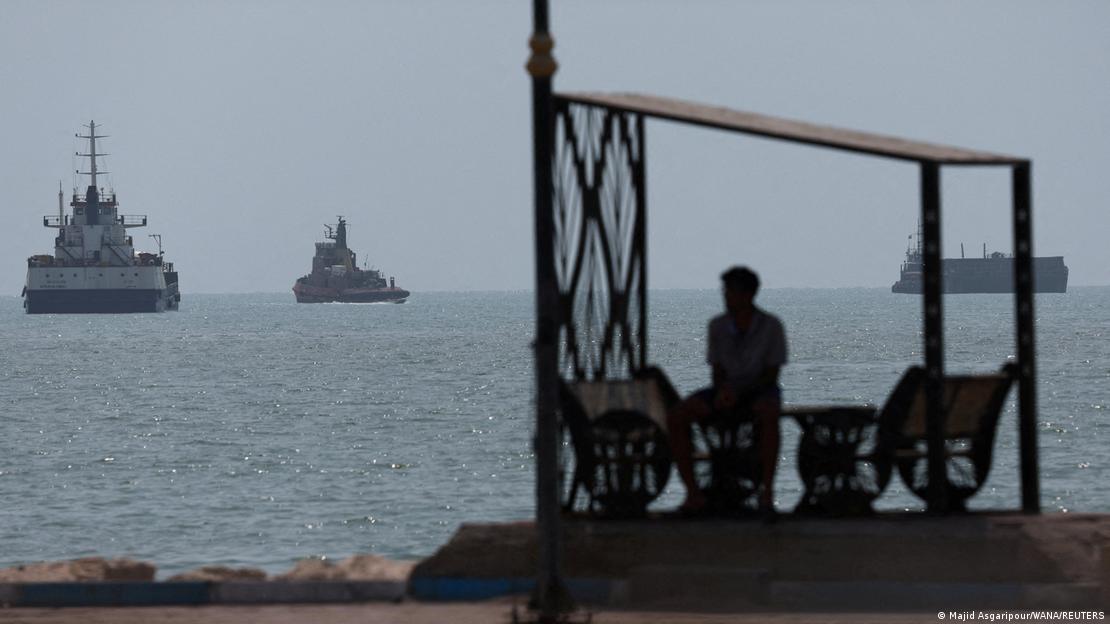
Iran Expands Attacks Beyond Oil Tankers
The latest sinkings follow changes in Iran’s approach to maritime operations.
Two senior Iranian officials told Reuters that Tehran had intensified attacks against vessels it considered to be violating its restrictions on passage through the strait.
The officials said Iran had begun using different tactics approximately 10 days earlier.
They also confirmed that Iranian forces were expanding operations beyond the narrow waterway into the Gulf of Oman and waters near Qatar and the United Arab Emirates.
One official said the aim was to prevent the United States and its allies from reducing global oil prices ahead of the November American midterm elections.
The officials said the strategy had been approved at senior levels of Iran’s leadership.
According to Reuters, American military officials have also identified changes in Iranian targeting methods.
One US official said Iran’s Revolutionary Guard had begun using small boats as observation platforms after American strikes damaged much of its radar capability.
Personnel aboard the boats reportedly identified potential targets and relayed their locations to Iranian forces.
The official said American troops had recently intercepted and destroyed one such vessel in the Gulf of Oman after ordering its occupants to abandon it.
No casualties were reported in that incident.
Iran has maintained that its maritime restrictions are a response to American military operations and sanctions.
The United States has continued enforcing a blockade of Iranian ports while assisting commercial vessels navigating the region.
Shipping Attacks Reach New Levels
The recent attacks have increased concern about the safety of vessels crossing the Strait of Hormuz.
Data examined by CNN showed nine reported attacks in or near the waterway since Monday, including a drone strike against an oil tanker.
The United Kingdom Maritime Trade Operations, which monitors threats to shipping, has issued repeated warnings to commercial vessels operating in the area.
According to Reuters, the number of attacks has risen to its highest level since the conflict began.
Although oil tankers have been frequent targets, the sinking of the GFS Pride and Cape Dao demonstrates that other types of commercial shipping are also being affected.
The maritime risk management company MARISKS warned that the threat was no longer confined to vessels transporting petroleum products.
The attacks have damaged container ships and bulk carriers, disrupting commercial activity beyond the energy sector.
Oil Shipments Fall as Security Threats Grow
The renewed violence has reduced the volume of oil moving through the strait.
According to maritime tracking company Kpler, approximately 4.15 million barrels of oil passed through the waterway on Monday.
That was less than one-quarter of the volume transported before the war.
Shipping companies have faced higher insurance costs, increased freight charges, and operational risks associated with navigating the area.
Some operators have delayed voyages or sought alternative routes.
The disruption has affected global energy markets because the waterway remains an important export route for producers including Saudi Arabia, Iraq, Kuwait, and the United Arab Emirates.
President Donald Trump’s administration has sought to increase the flow of oil through the strait while maintaining economic pressure on Tehran.
American naval forces have supported commercial traffic through a combination of surveillance, escorts, and other security measures.
However, Iranian attacks have continued despite those efforts.
The US Navy-led Joint Maritime Information Centre has assessed the threat to merchant shipping in the Strait of Hormuz as severe.
Iranian officials have warned that further restrictions could follow for vessels travelling without Tehran’s approval.
The latest sinkings have left floating cargo and debris in the shipping lanes, adding navigation hazards to the continuing threat of further attacks.