


The search for clear, luminous skin often leads to expensive creams and elaborate routines. Yet the skin is living tissue, continually repairing itself with nutrients supplied through the bloodstream. What we eat can influence its structure, moisture balance, inflammatory response and ability to recover from damage.
Food, however, is not a cosmetic treatment. Acne, eczema, persistent dryness and changes in pigmentation can have hormonal, genetic, environmental or medical causes. No fruit can “detox” the skin, erase wrinkles or replace sunscreen. The strongest approach is a varied diet that supplies protein, healthy fats, vitamins, minerals and protective plant compounds over time.
These 15 foods for a clear and glowing complexion are useful not because any one of them is miraculous, but because together they support the biological processes on which healthy skin depends.
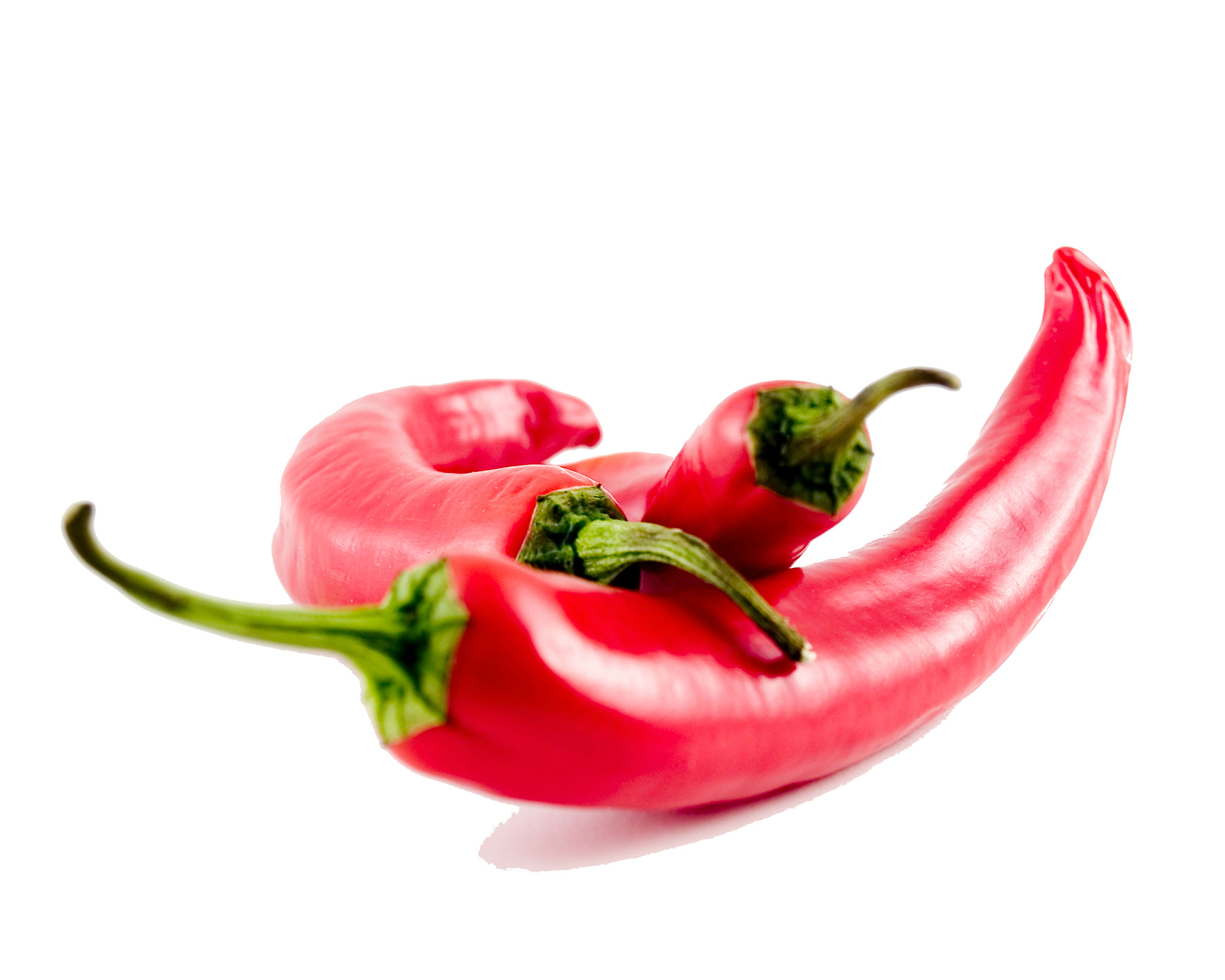
1. Red Peppers
Red peppers are among the richest everyday sources of vitamin C, a nutrient required for the production of collagen. Collagen helps give the skin its strength and underlying structure, while vitamin C also acts as an antioxidant, helping cells manage damage caused by normal metabolism and environmental exposure.
According to the National Institutes of Health, vitamin C is essential for collagen formation and wound healing. Because prolonged cooking can reduce its concentration, peppers are particularly useful when eaten raw, lightly grilled or quickly stir-fried.

2. Tomatoes
Tomatoes contain lycopene, the carotenoid responsible for their deep red colour. Carotenoids are plant pigments that can accumulate in the skin and help the body manage oxidative stress.
Lycopene becomes easier to absorb when tomatoes are cooked, crushed and eaten with a little dietary fat. Tomato sauce prepared with olive oil may therefore deliver more usable lycopene than an equal amount of raw tomato.
This does not make tomatoes an internal sunscreen. They may provide modest nutritional support against environmental stress, but they cannot replace shade, protective clothing or broad-spectrum sun protection.
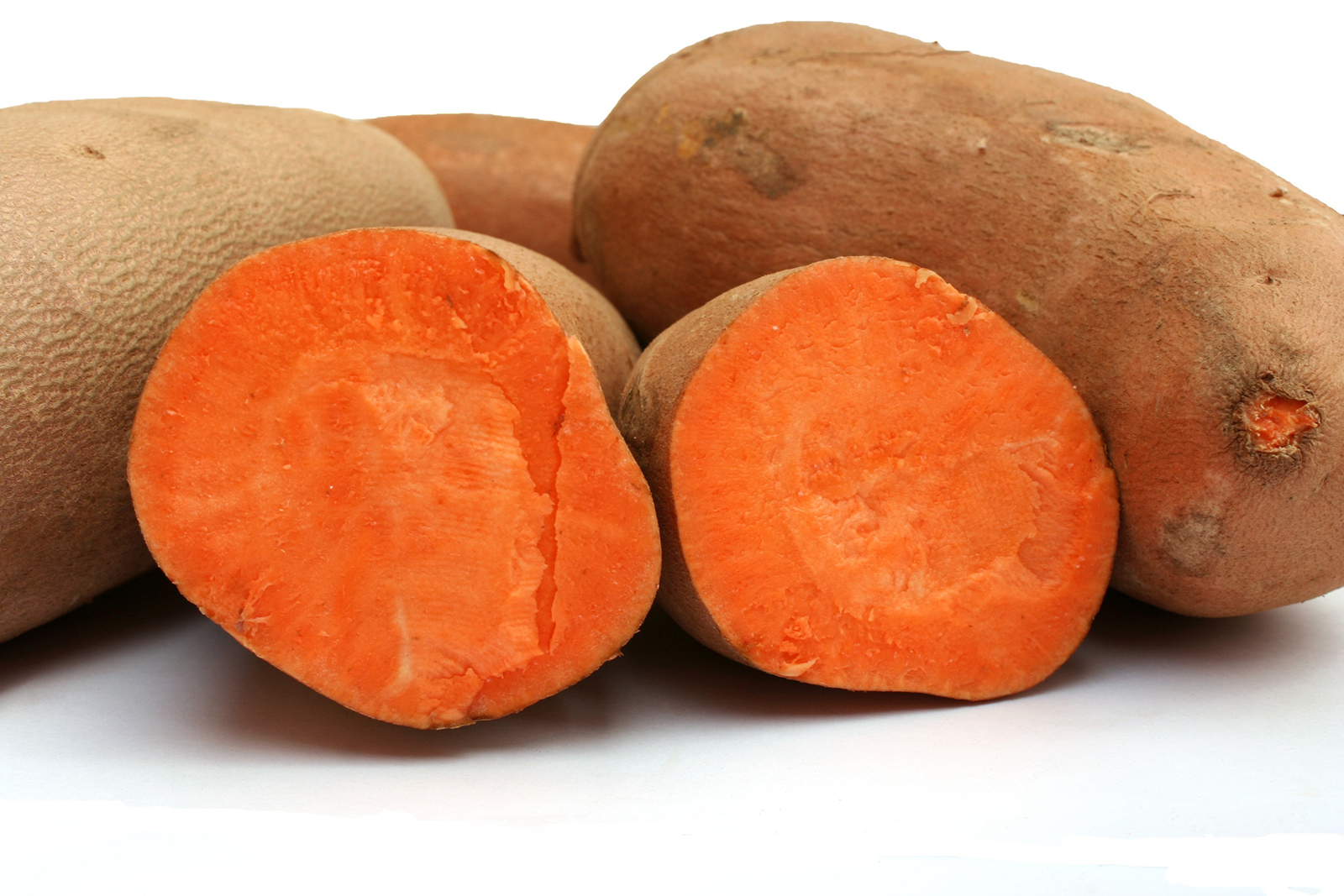
3. Sweet Potatoes
Sweet potatoes are rich in beta-carotene, which the body can convert into vitamin A as needed. Vitamin A contributes to the maintenance of epithelial tissues, including the outer layers of the skin.
The body regulates the conversion of beta-carotene from food, making orange vegetables a generally safer source than high-dose vitamin A supplements. Pairing sweet potatoes with a small amount of healthy fat also improves carotenoid absorption.
Carrots, pumpkin and orange-fleshed squash offer similar benefits and can be substituted according to cost and availability.
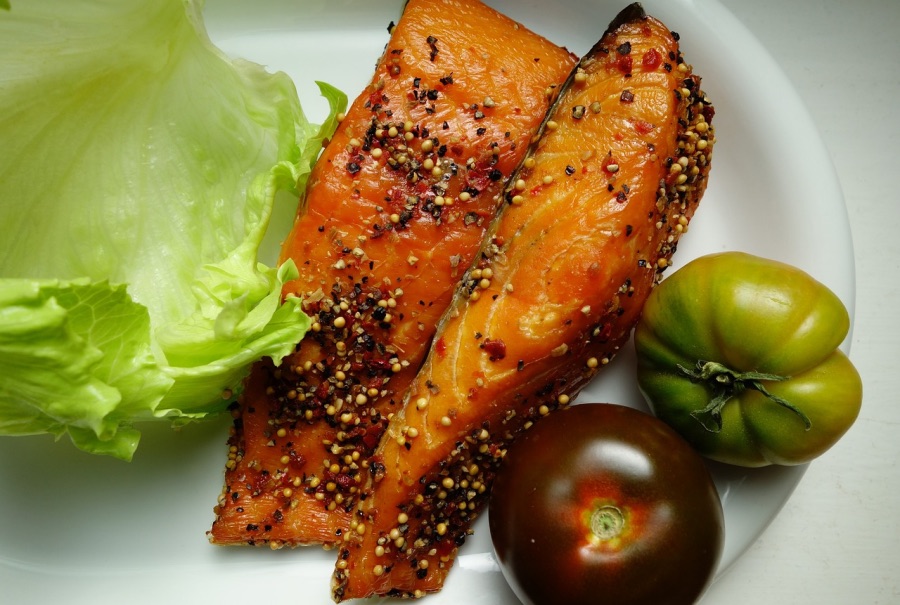
4. Oily Fish
Salmon, sardines, mackerel and herring provide protein alongside the long-chain omega-3 fats EPA and DHA. Protein supplies amino acids used to build and repair tissue, while omega-3 fats become part of cell membranes and help regulate inflammatory signalling.
That combination earns oily fish a regular place in a skin-supportive diet. Chronic inflammation can worsen redness and may influence some inflammatory skin conditions, although fish should never be presented as a treatment.
No individual food is literally compulsory. People who do not eat fish can obtain the essential omega-3 fat ALA from walnuts, chia seeds, flaxseeds and rapeseed oil, although the body converts only a limited proportion into EPA and DHA.
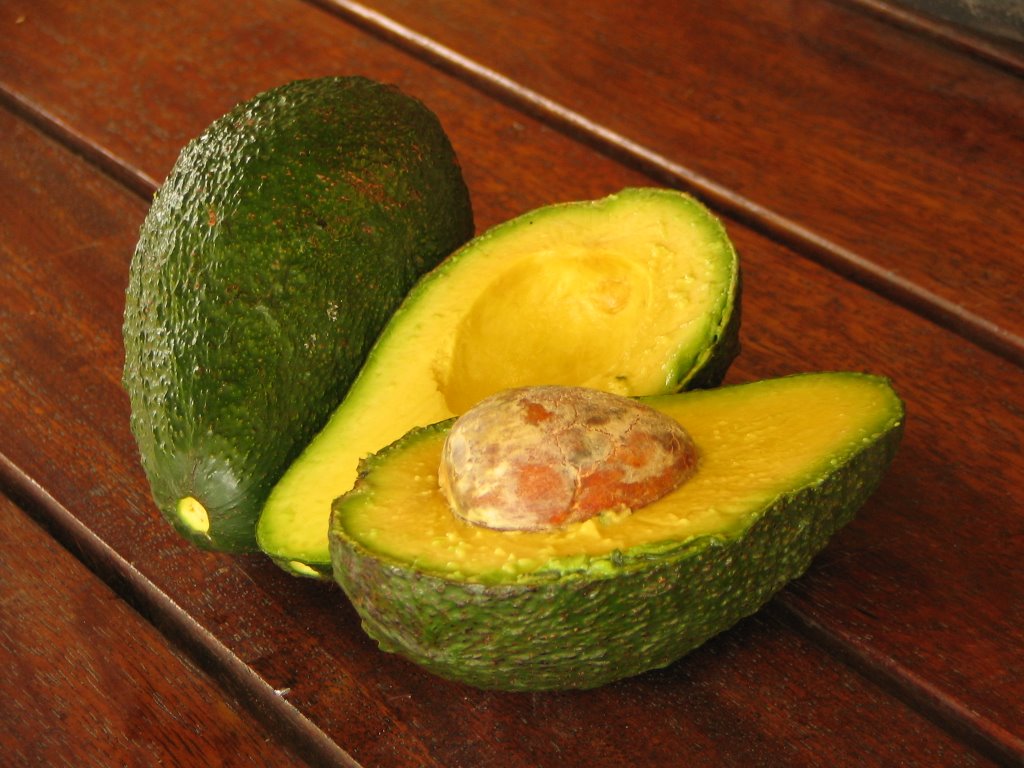
5. Avocados
Avocados provide monounsaturated fat, vitamin E and several carotenoids. Dietary fat helps the body absorb fat-soluble compounds from vegetables, so adding avocado to a salad can make some of the meal’s nutrients more available.
Vitamin E helps protect cell membranes from oxidative damage. A small clinical study involving healthy women also linked daily avocado consumption with improved facial firmness and elasticity. The finding is interesting but not definitive: one relatively small trial cannot establish avocado as an anti-ageing treatment.
Its more dependable value lies in helping replace foods rich in saturated fat while making vegetable-based meals satisfying.

6. Eggs
Skin cannot be maintained by antioxidants alone. It also requires protein, and eggs provide a concentrated mixture of essential amino acids, vitamin A, vitamin B12, selenium and zinc.
These nutrients participate in tissue renewal, normal immune function and wound repair. An egg is therefore more useful as part of a balanced breakfast than a highly refined meal that supplies energy but little protein or fibre.
Eggs do not need to be eaten daily, and people who avoid them can obtain similar building materials from fish, poultry, tofu, beans and lentils.
7. Almonds
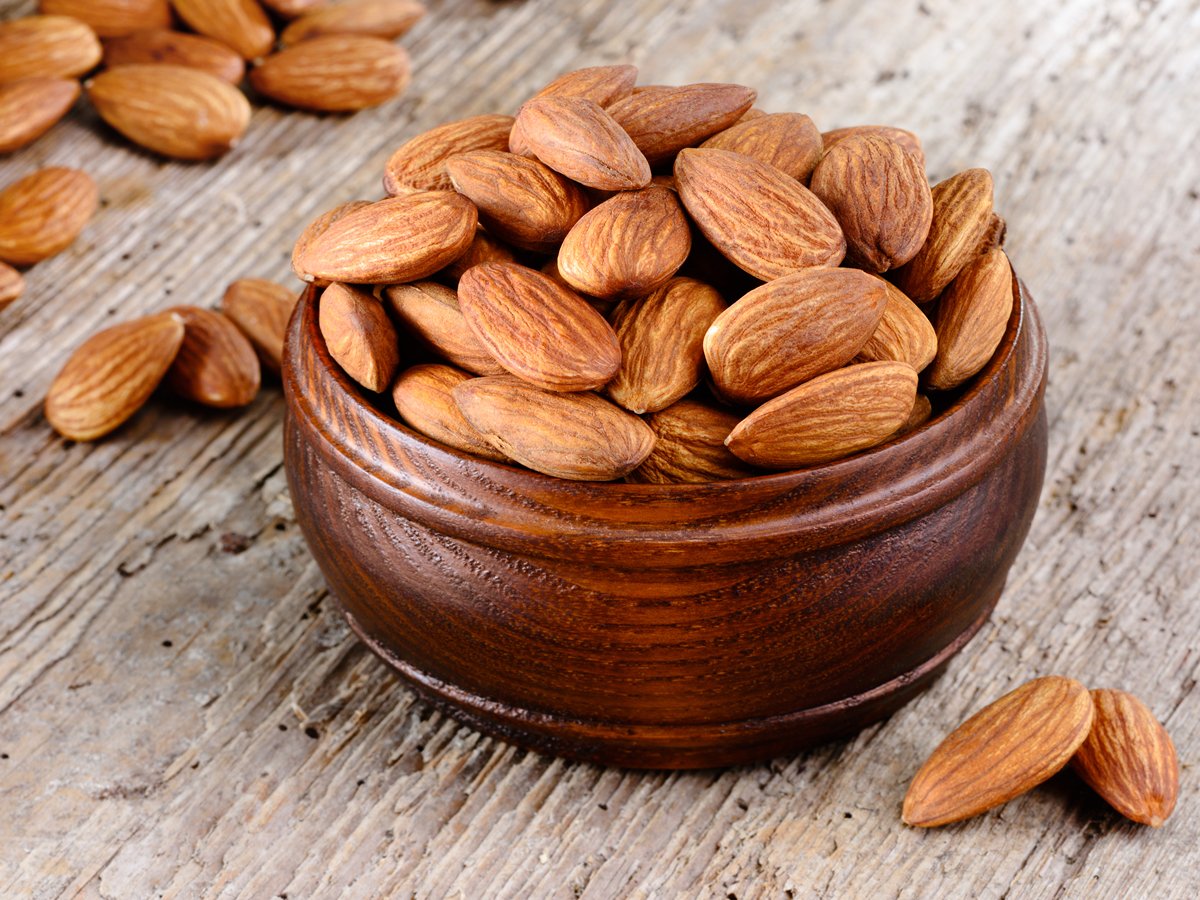
Almonds supply vitamin E, unsaturated fat, protein and fibre. Vitamin E is carried within cell membranes, where it contributes to the body’s antioxidant defences. The National Institutes of Health lists nuts and seeds among its best food sources.
Small trials in postmenopausal women have associated regular almond consumption with reductions in some measures of facial wrinkling and pigmentation. Those studies do not prove that almonds will visibly transform everybody’s skin, but they support their place in an otherwise nutritious diet.
A small handful is usually sufficient. Nuts are energy-dense, and salted or sugar-coated versions may undermine their advantages.
8. Pumpkin and Sunflower Seeds
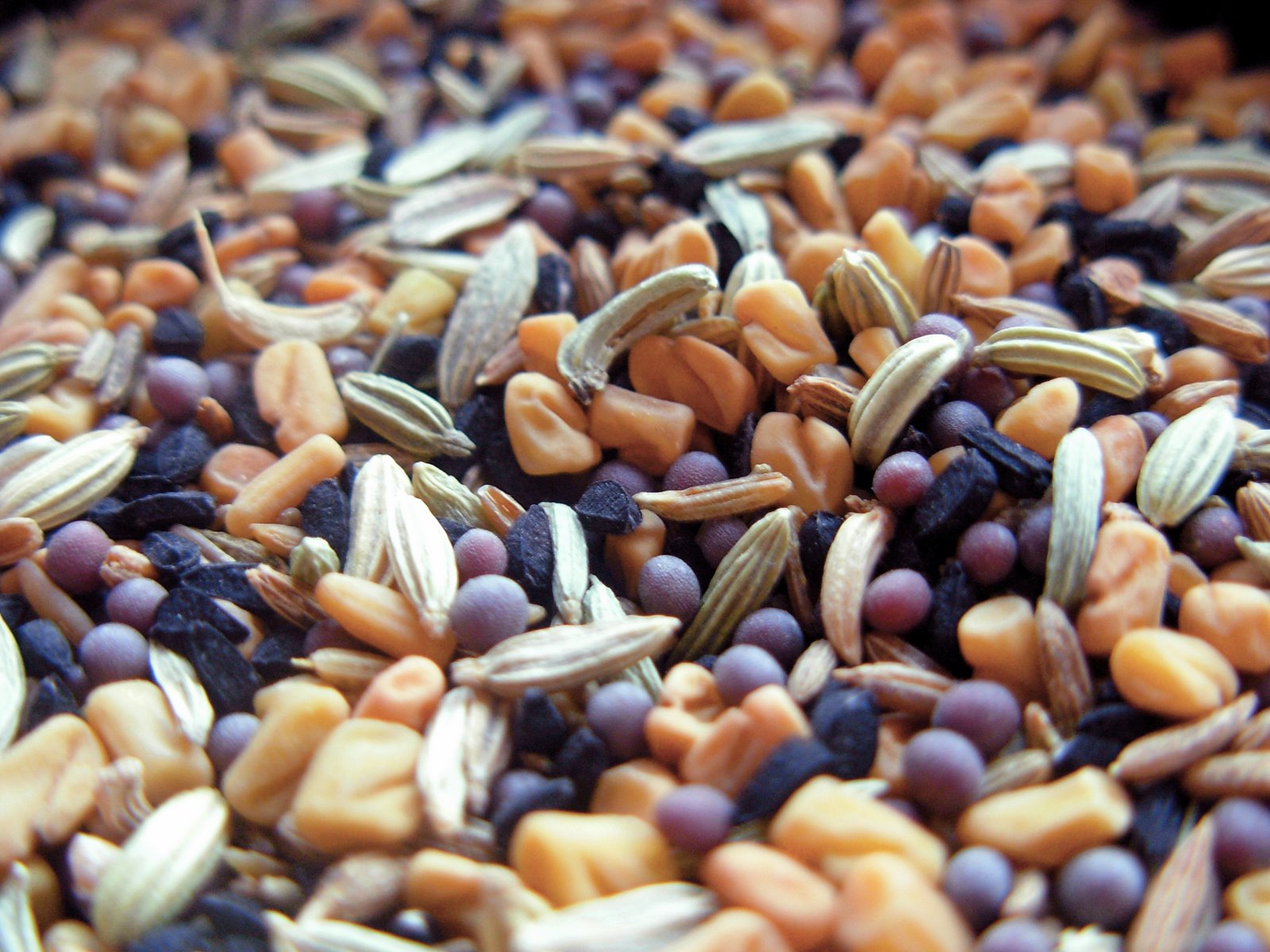
Seeds deliver substantial nutrition in a small serving. Pumpkin seeds provide zinc, while sunflower seeds are particularly rich in vitamin E.
Zinc is involved in protein synthesis, immune function and wound healing. Beans and whole grains also contain it, but the body absorbs zinc from plant foods less efficiently because naturally occurring phytates can bind some of the mineral. Soaking beans, choosing fermented foods and eating a varied diet can improve overall mineral availability.
More zinc is not necessarily better. Excessive supplementation can interfere with copper absorption, which is another reason to favour ordinary foods unless a deficiency has been identified.

9. Lentils and Beans
Lentils, chickpeas, black-eyed peas and other beans combine plant protein with fibre, zinc, iron and slowly digested carbohydrates. That matters because the relationship between diet and acne appears to concern the whole metabolic pattern, not simply whether a food is greasy.
Research reviewed by the American Academy of Dermatology suggests that lower-glycaemic diets may reduce breakouts in some people. Beans can help by replacing refined carbohydrates that cause a faster rise in blood glucose and insulin.
They also support a more diverse intestinal microbiome through their fibre, although claims that particular gut bacteria will “cure” acne remain ahead of the evidence.
10. Oats
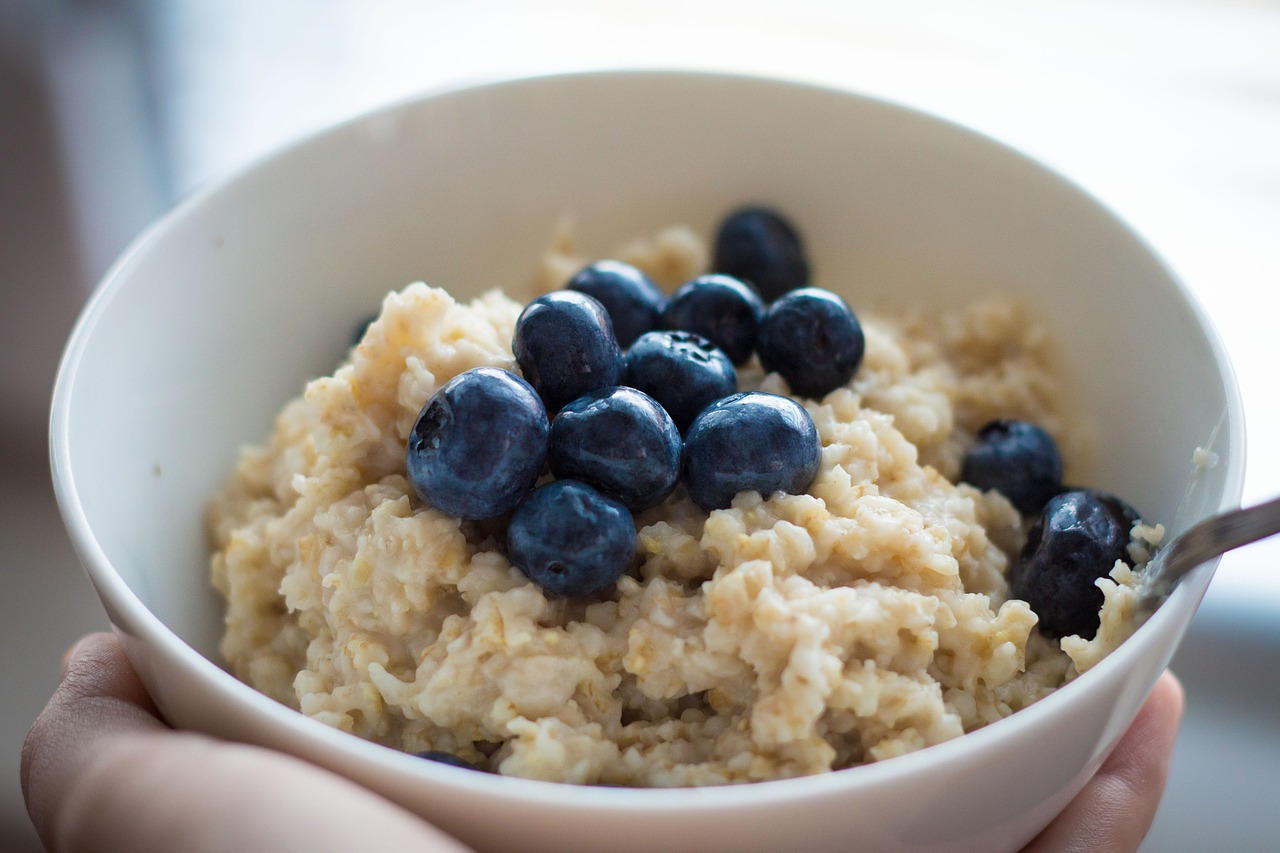
Oats provide soluble fibre and are generally digested more gradually than sugary cereals, pastries or white bread. A steadier post-meal blood-sugar response may be relevant for people whose acne is sensitive to a high-glycaemic dietary pattern.
The practical advantage is substitution. Oats do not clear pores directly; they work by making a filling, fibre-rich breakfast easier and reducing reliance on heavily refined foods.
Plain oats topped with fruit, seeds or nuts are preferable to instant varieties containing large amounts of added sugar.
11. Berries
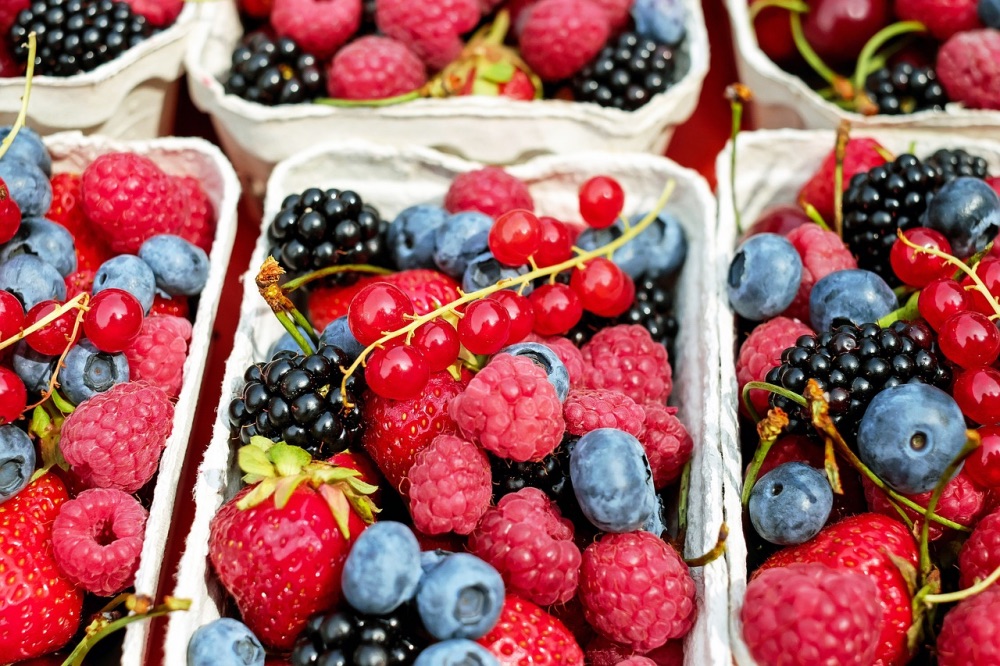
Strawberries, blueberries, blackberries and raspberries contain vitamin C and a wide range of polyphenols. These plant compounds help the fruit defend itself against stress and can contribute to the body’s broader antioxidant systems after consumption.
“Antioxidant” is frequently used as though it meant instant protection from ageing. Human biology is more complicated. The benefit comes from repeatedly eating a variety of plant foods, not from pursuing a single compound in concentrated form.
Fresh and frozen berries are both useful. Frozen fruit is often picked near peak ripeness and can be more affordable without losing its fundamental nutritional value.
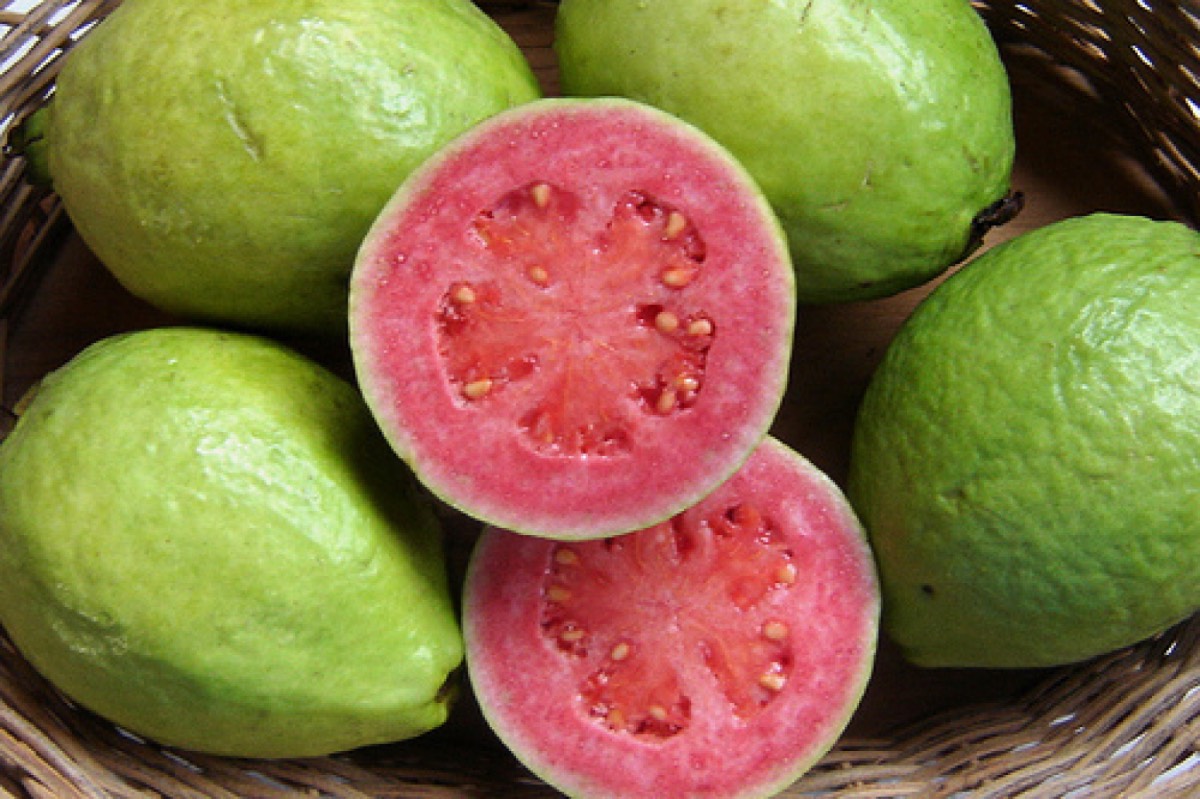
12. Guava, Kiwi and Citrus Fruit
Guava and kiwi are exceptionally rich in vitamin C, while oranges, grapefruit and other citrus fruits are convenient sources. Vitamin C supports collagen formation and improves the absorption of iron from plant foods.
Whole fruit offers fibre and usually produces a gentler blood-sugar response than juice. It is also harder to consume excessive amounts accidentally: several oranges can disappear into one glass of juice, but eating the same number whole would take considerably longer.
People taking medicines that interact with grapefruit should follow the safety information provided with their prescription.
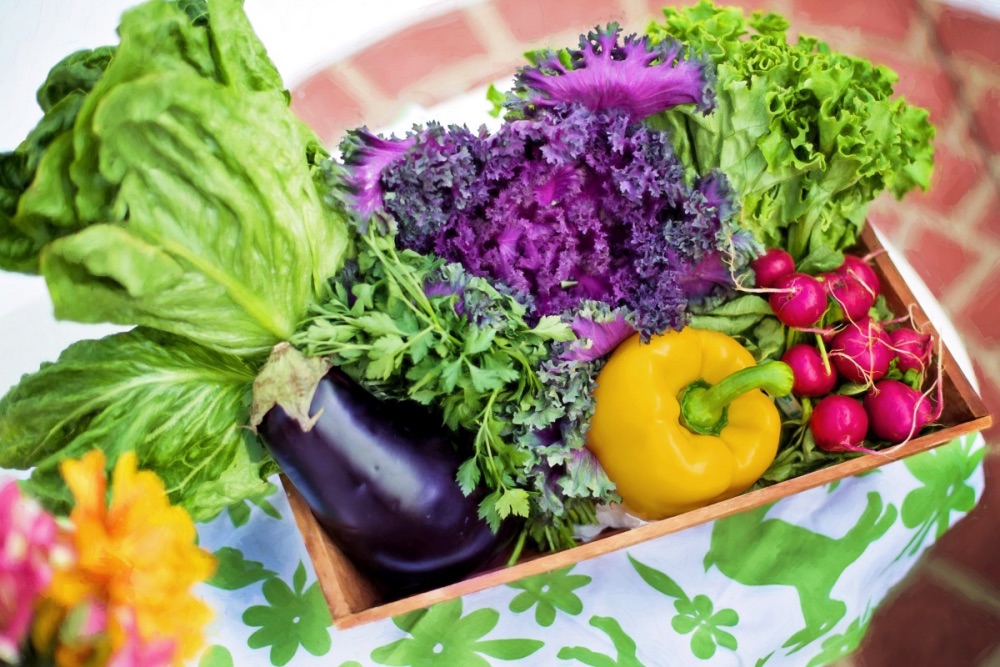
13. Spinach and Other Dark Leafy Greens
Spinach, kale and similar greens contain beta-carotene, lutein, folate, vitamin C and varying amounts of vitamin E. Their pigments are hidden beneath chlorophyll, but they still contribute to the body’s pool of carotenoids.
Research has associated higher fruit and vegetable intake with subtle changes in skin colour caused by carotenoid deposition. These changes are not tanning or skin lightening. Rather, they may give some complexions a slightly warmer, healthier-looking tone.
Because carotenoids are fat-soluble, greens are best eaten with a modest amount of olive oil, avocado, seeds or another unsaturated fat.
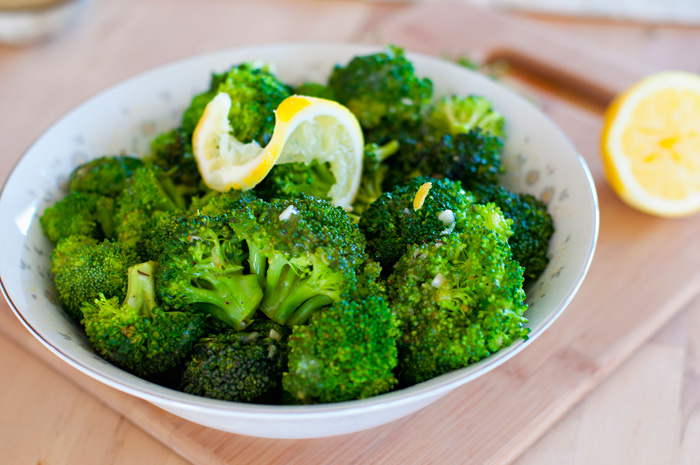
14. Broccoli
Broccoli brings several skin-supportive nutrients together: vitamin C, carotenoids, folate and vitamin E. It also contains glucosinolates, plant compounds studied for their role in the body’s cellular defence systems.
Gentle steaming preserves more vitamin C than prolonged boiling. Yet the difference should not become another source of dietary perfectionism. Broccoli that is boiled, roasted or added to soup remains nutritious, and eating vegetables consistently matters more than using an ideal cooking method every time.
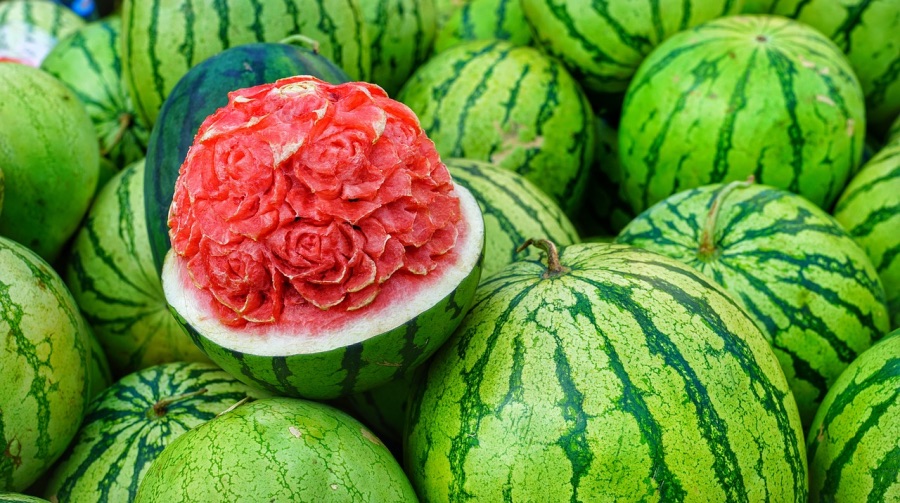
15. Watermelon
Watermelon contributes fluid, vitamin C and lycopene. Its high water content makes it especially useful in warm weather or for people who struggle to drink enough throughout the day.
Hydration supports circulation and normal bodily function, but drinking or eating enormous quantities of water will not force moisture into dry skin. A systematic review found that increasing water intake may modestly improve skin hydration, particularly among people who previously drank too little, but the underlying evidence was limited.
Cucumber, oranges, soups and other water-rich foods can make a similar contribution. Thirst, climate, activity and individual health all influence fluid needs.
What Matters More Than Any Single Food
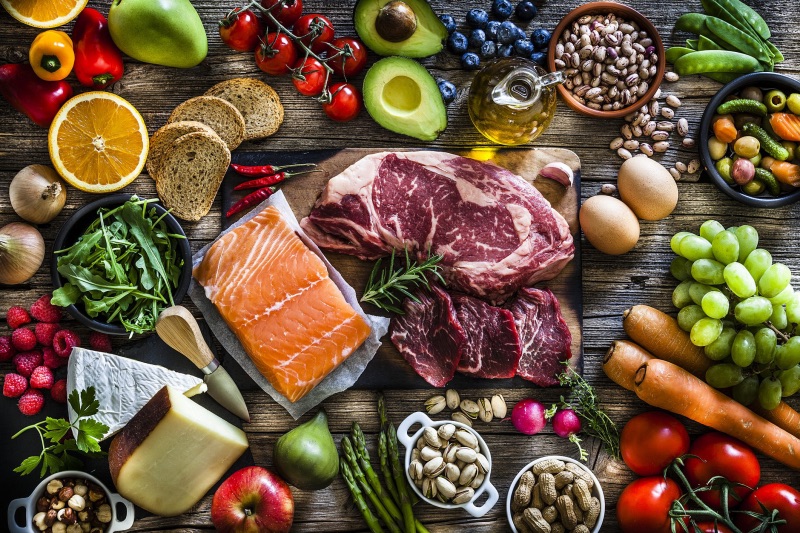
The scientific case is strongest for an overall pattern: plenty of colourful vegetables and fruit, sufficient protein, whole grains or other fibre-rich carbohydrates, and unsaturated fats from fish, nuts, seeds, avocado or plant oils.
A systematic review of diet and acne found the clearest association with diets high in glycaemic load, while evidence concerning dairy varied by product and population. This does not justify eliminating entire food groups without good reason. A simple food-and-symptom record may reveal whether breakouts repeatedly follow a particular dietary pattern, but isolated coincidences should not be mistaken for proof.
Nutrition also has limits. Hormones, genetics, stress, sleep, medication, smoking, air pollution and ultraviolet exposure can all affect the complexion. Persistent acne, painful lesions, unexplained rashes or sudden skin changes deserve proper medical attention rather than increasingly restrictive diets.
The Bottom Line
Clear, glowing skin is not produced by one “must-eat” ingredient. It is more likely to reflect months of adequate nourishment, sensible hydration and protection from avoidable damage.
Build meals around variety: vitamin C-rich produce for collagen formation, colourful vegetables for carotenoids, protein for tissue repair, healthy fats for cell membranes and nutrient absorption, and high-fibre carbohydrates for steadier metabolic responses. The goal is not dietary perfection. It is to give the skin, and the rest of the body, reliable support often enough for healthy processes to do their work.