
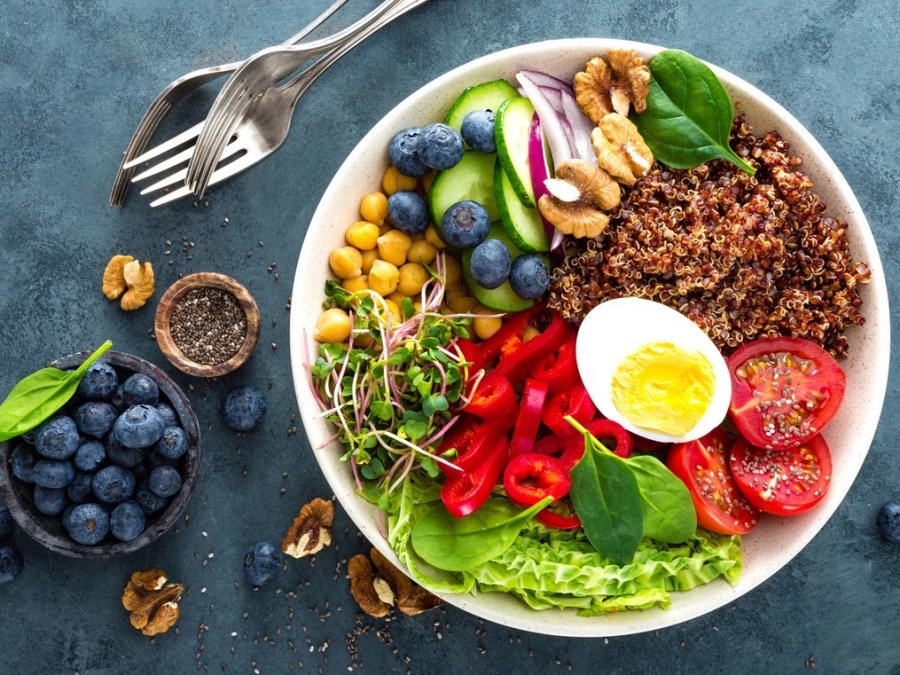

Nutrition advice is often reduced to rigid rules: avoid carbohydrates, never eat late, choose only fresh produce and take supplements to cover nutritional gaps. Such messages are memorable, but they rarely reflect how food and the human body actually work.
A healthy diet is not determined by one ingredient, meal or eating hour. It is shaped by overall patterns — including variety, portion size, preparation methods and how frequently certain foods are consumed. The World Health Organisation identifies adequacy, balance, moderation and diversity as the foundations of healthy eating.
Here are 10 persistent nutrition myths that deserve a more accurate explanation.

1. Carbohydrates Automatically Cause Weight Gain
Carbohydrates are often blamed for weight gain, but they are a major source of energy and have an important place in a balanced diet.
The nutritional value of a carbohydrate depends largely on its form. Whole grains, beans, fruit, vegetables and potatoes provide fibre and essential nutrients. Sugary drinks, sweets and highly refined snacks provide carbohydrates too, but are easier to consume in large quantities and may offer less nutritional value.
Weight change is influenced by total energy intake, activity, sleep, genetics and several other factors — not by carbohydrates alone. Choosing higher-fibre sources is usually more useful than eliminating an entire food group.
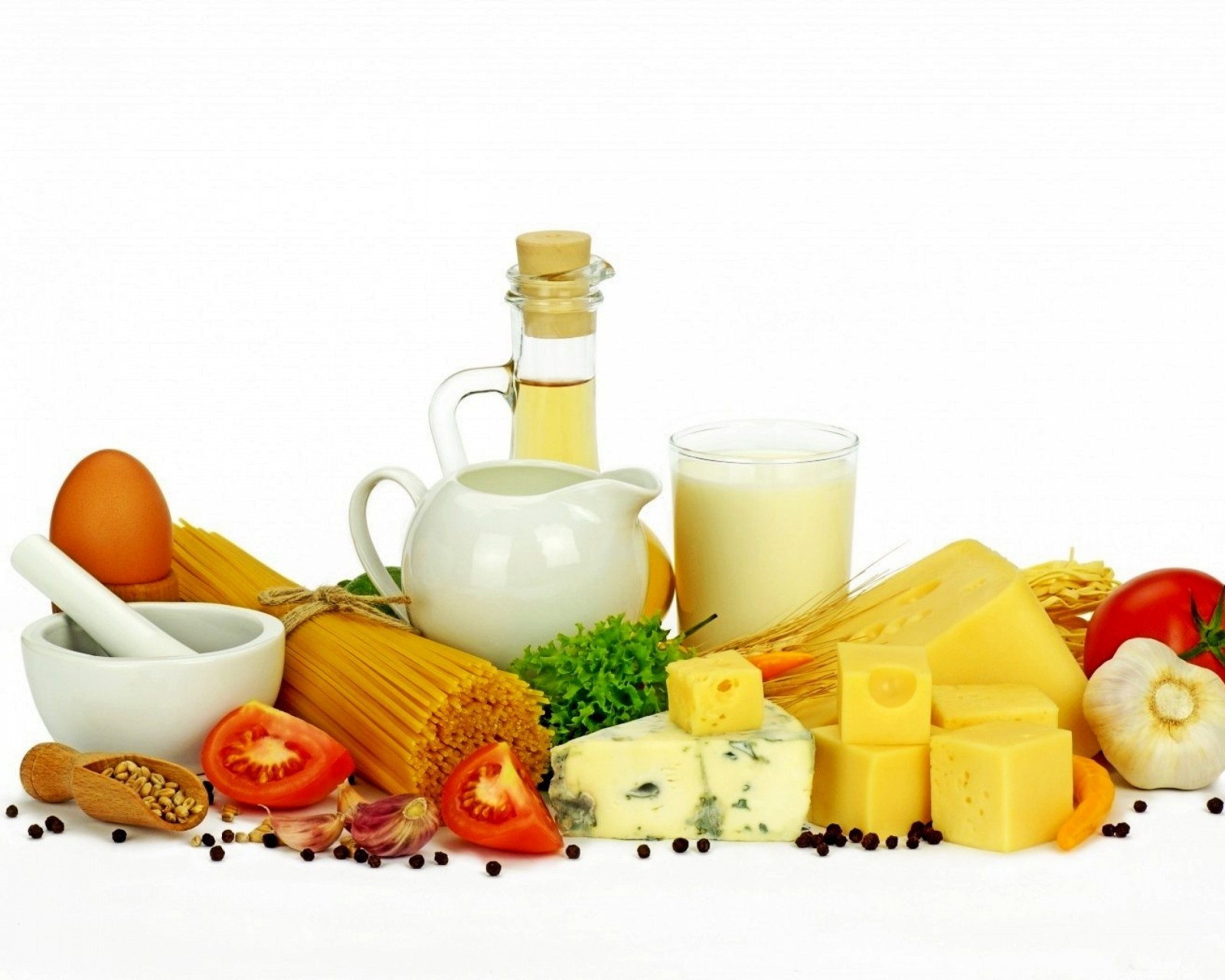
2. All Fat Is Bad for You
Fat is essential for energy, cell function and the absorption of certain vitamins. The important distinction is between different types of fat.
Saturated and trans fats can raise harmful cholesterol levels when eaten excessively. Unsaturated fats, found in foods such as nuts, seeds, fish and many vegetable oils, can support heart health when they replace saturated fats.
A food labelled “low-fat” is not automatically healthier. Manufacturers may add sugar, starch or salt to compensate for changes in flavour and texture. The better approach is to consider the entire food rather than judging it by fat content alone.

3. Honey and Brown Sugar Are Much Healthier Than White Sugar
Honey, maple syrup and brown sugar may sound more natural than ordinary table sugar, but they are still sources of free or added sugars.
They may contain very small quantities of minerals or plant compounds, but typical serving sizes do not provide enough to transform them into health foods. The body ultimately breaks down their sugars and uses them for energy.
This does not mean they must never be eaten. It means that changing the source of sweetness does not remove the need for moderation. The World Health Organisation recommends limiting free sugars because excessive consumption can contribute to unhealthy weight gain and tooth decay.

4. Detox Diets Remove Toxins From the Body
Juice cleanses, restrictive fasts and detox teas are frequently promoted as ways to “reset” the body. There is little convincing evidence that commercial detox programmes remove vaguely defined toxins.
The body already has systems for processing and eliminating waste, principally involving the liver, kidneys, lungs and digestive system.
Some people lose weight during a cleanse because they are consuming very few calories, but the weight may return when normal eating resumes. Restrictive detox plans can also cause weakness, dehydration or nutritional deficiencies. Supporting normal body function through adequate food, water, sleep and movement is safer than attempting a dramatic cleanse.

5. Skipping Meals Is an Easy Way to Lose Weight
Skipping a meal reduces food intake at that moment, but it does not guarantee a lower total intake across the day.
Long periods without food can make some people extremely hungry, increasing the likelihood of eating quickly or consuming larger portions later. Others may find a structured eating window manageable, which is why intermittent fasting works for some people but not for everyone.
The effectiveness of any eating schedule depends on whether it can be followed safely and whether it supports an appropriate overall intake. Regular, satisfying meals may be more sustainable than repeatedly becoming hungry and compensating later.

6. Eggs Are Inherently Bad for the Heart
Eggs contain dietary cholesterol, which led to decades of warnings that they should be strictly avoided. Current guidance places greater emphasis on a person’s entire dietary pattern and intake of saturated fat.
Eggs are also a source of protein and several nutrients. For many healthy people, an egg can fit into a balanced diet. The context matters: a boiled egg served with vegetables and wholegrain bread is nutritionally different from eggs regularly accompanied by processed meat, fried foods and large amounts of butter.
People with high cholesterol or particular medical conditions may need individual guidance, but eggs are not universally unhealthy.

7. A Gluten-Free Diet Is Healthier for Everyone
A strict gluten-free diet is essential for people with coeliac disease and may be necessary for certain other medically identified conditions. For everyone else, removing gluten does not automatically improve health or produce weight loss.
Gluten is a protein found in grains including wheat, barley and rye. Many gluten-containing foods, particularly whole grains, provide fibre, vitamins and minerals.
A gluten-free biscuit remains a biscuit, and a gluten-free label says nothing about its sugar, salt or fat content. Eliminating gluten without a medical reason can make a diet unnecessarily restrictive and may complicate testing for coeliac disease.

8. Fresh Produce Is Always More Nutritious
Fresh fruit and vegetables are excellent choices, but frozen and tinned produce can also contribute meaningfully to a healthy diet.
Frozen produce is often processed soon after harvesting, helping preserve many nutrients. Tinned beans, tomatoes, fish and vegetables can be convenient, affordable and long-lasting.
The details matter. Fruit packed in heavy syrup may contain added sugar, while some tinned vegetables are high in sodium. Choosing fruit in water or juice and lower-sodium vegetables can help.
Nutritional guidance counts fresh, frozen and tinned produce towards recommended fruit and vegetable intake. The healthiest option is often the one that is affordable, available and actually eaten.

9. Supplements Can Replace a Balanced Diet
Vitamin and mineral supplements can be valuable when a person has a diagnosed deficiency, increased nutritional needs or difficulty obtaining certain nutrients from food.
They cannot fully reproduce what food provides. Whole foods contain combinations of fibre, protein, fats, carbohydrates and numerous compounds that interact in complex ways.
More is not always better. High doses of some nutrients can cause harm or interact with medicines. Products described as “natural” are not automatically safe, and dietary supplements may be regulated differently from medicines.
The United States Food and Drug Administration advises consumers not to substitute supplements for the variety of foods needed in a healthy diet.

10. Eating After 8 p.m. Automatically Makes You Gain Weight
The body does not suddenly turn every calorie eaten after a particular hour into fat.
Meal timing may influence metabolism, sleep and appetite, and research has linked habitual late-night eating with weight and metabolic problems. However, the relationship is more complicated than a universal deadline.
People who eat late may also consume larger portions, snack while distracted, sleep less or choose energy-dense foods. Someone working an evening shift will naturally have a different schedule from someone who sleeps at 10 p.m.
Rather than treating 8 p.m. as a nutritional boundary, consider total intake, food quality, sleep and whether late eating causes discomfort or disrupts rest.
In Conclusion
Nutrition is rarely governed by absolute rules. Carbohydrates, fats, eggs, gluten and meal timing cannot be classified as universally good or bad without considering quantity, context and individual needs.
The most reliable approach is not to pursue perfect eating or fear particular foods. It is to build a varied, balanced pattern centred on vegetables, fruit, whole grains, legumes, suitable protein sources and minimally processed foods, while limiting excess salt, free sugars and unhealthy fats.