

Leftovers can save time, money, and food. But the familiar sniff test is not a reliable food-safety system.
Food can contain dangerous levels of bacteria or bacterial toxins while looking, smelling, and tasting perfectly normal. And some foods become particularly risky when they are allowed to cool slowly or spend too long at room temperature.
That does not mean the six foods below can never be refrigerated and eaten later. Properly handled, most are perfectly safe as leftovers. The danger comes when they have been left warm for too long, cooled incorrectly, or stored beyond recommended limits.
As a general rule, the U.S. Department of Agriculture recommends refrigerating perishable leftovers within two hours — or one hour when temperatures exceed 32°C — and using most refrigerated leftovers within three to four days.
These six deserve particular attention.
1. Cooked Rice That Has Been Sitting Out
Rice has earned an unusual reputation in food safety because uncooked grains can contain spores of Bacillus cereus, a bacterium capable of causing food poisoning.
Cooking does not necessarily destroy those spores.
If cooked rice remains warm or at room temperature for too long, the spores can germinate, bacteria can multiply, and toxins may develop. Reheating cannot be relied upon to rescue badly stored rice because some B. cereus toxins are heat-resistant.
The UK’s Food Standards Agency recommends cooling leftover rice rapidly — ideally within one hour — refrigerating it, eating it within 24 hours, and reheating it no more than once.
The crucial question is therefore not simply, “Was this rice reheated?” but, “What happened to it after it was first cooked?”
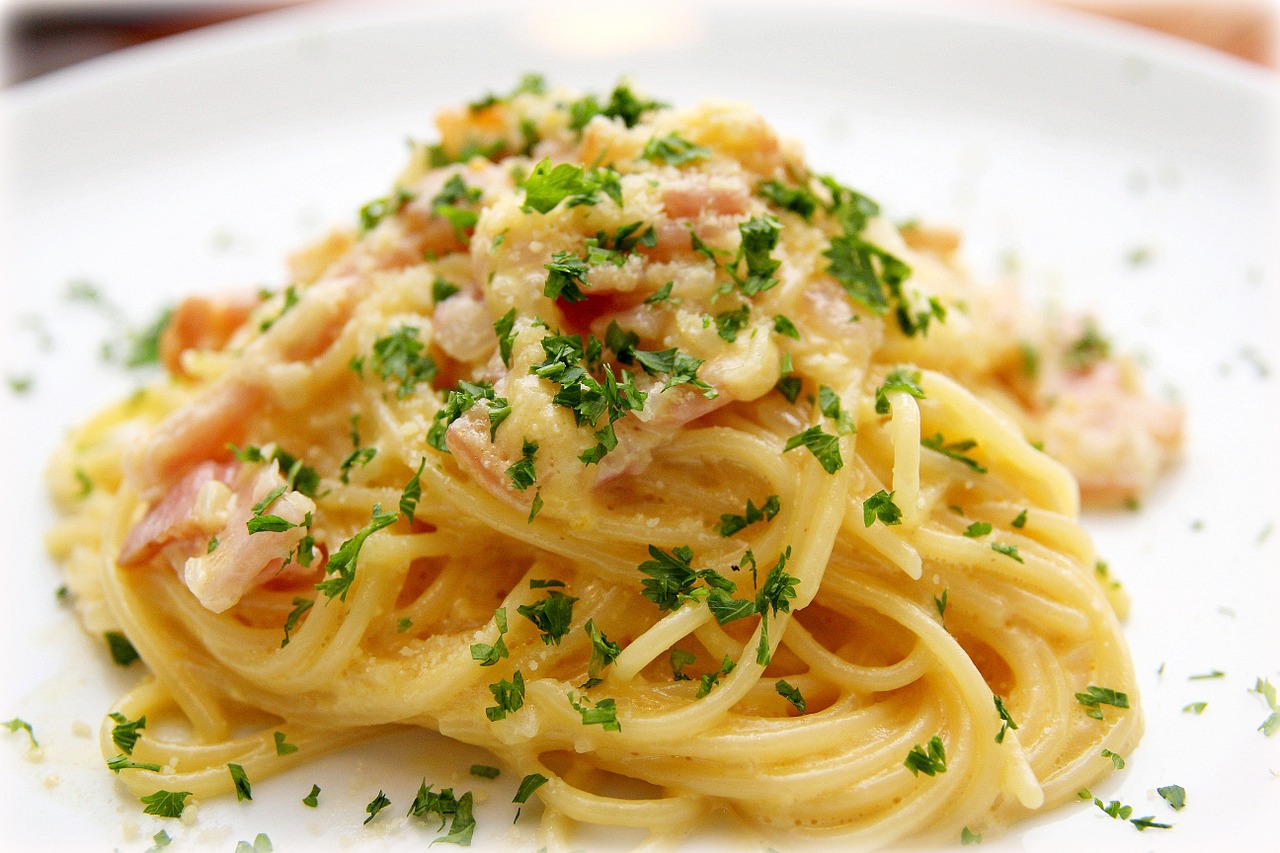
2. Pasta That Cooled on the Counter
Cooked pasta can present a similar problem.
The U.S. Food and Drug Administration notes that Bacillus cereus spores are frequently detected in foods including rice and pasta. When cooked starchy foods are stored improperly, surviving spores may germinate and multiply. Some strains can produce cereulide, a toxin that is notably resistant to heat.
This is why a pot of pasta left on the stove for hours should not simply be refrigerated at bedtime and assumed safe.
Refrigerate cooked pasta promptly, preferably in shallow containers that allow it to cool quickly. If it has spent more than two hours at room temperature — or more than an hour in very hot conditions — throwing it away is safer than attempting to “kill everything” by reheating it.
3. Baked Potatoes Left Wrapped in Foil
A foil-wrapped baked potato may look particularly harmless. Under the wrong conditions, however, it can create an environment suitable for Clostridium botulinum.
This bacterium can produce the toxin responsible for botulism, a rare but potentially fatal illness affecting the nervous system.
The problem is not the potato itself, nor is aluminium foil inherently dangerous. The concern arises when a baked potato remains sealed in foil at unsafe temperatures. The low-oxygen environment beneath the foil can favour the organism if other conditions are right.
The U.S. Centers for Disease Control and Prevention advises keeping foil-wrapped baked potatoes at 60°C or hotter until served, or refrigerating them at 4°C or colder with the foil loosened to allow air circulation.
A forgotten foil-wrapped potato that spent the night on the counter belongs in the bin.
4. Cooked Fish and Shellfish Left Too Long
Seafood is highly perishable.
Cooked fish, prawns, crab, and other seafood can safely become tomorrow’s lunch when refrigerated promptly. But leaving them sitting on a dining table for several hours gives microorganisms an opportunity to multiply.
USDA guidance says cooked fish and other seafood can generally be refrigerated for three to four days, provided they were handled safely beforehand. Seafood should not remain unrefrigerated for more than two hours.
Do not rely on smell alone. Spoilage organisms may produce unpleasant odours, but disease-causing microorganisms do not always announce themselves.
When you cannot establish how long seafood has been sitting out, caution is wiser than experimentation.
5. Meat, Poultry, Gravies, and Stews That Cooled Slowly
Large pots of stew, gravy, cooked meat, and poultry can remain warm internally far longer than expected.
That matters because bacteria thrive within what food-safety authorities call the “danger zone” between roughly 4°C and 60°C.
One organism associated particularly with meat, poultry, gravy, and other foods held at improper temperatures is Clostridium perfringens. Food left cooling slowly in a large container can provide conditions in which bacteria multiply.
Rather than placing an enormous steaming pot in the refrigerator and hoping the centre cools quickly, divide leftovers into smaller, shallow containers.
And if cooked meat or stew has remained at room temperature for several hours, reheating it later should not be treated as a reset button.
6. Egg, Cream, and Dairy-Rich Dishes Left at Room Temperature
Quiches, custards, creamy casseroles, egg dishes, and similar foods contain moisture and nutrients that make temperature control particularly important.
The FDA recommends refrigerating cooked egg dishes promptly and using refrigerated leftovers within three to four days. Large quantities should be divided into shallow containers so that they cool rapidly.
Cream-filled pastries, cheesecakes, and dairy-heavy dishes also require refrigeration.
A common mistake is assuming that because something has been thoroughly cooked, it can safely remain on a table for much of the day. Cooking destroys many microorganisms present at that moment. It does not protect the food indefinitely from contamination or subsequent bacterial growth.
The Most Important Leftover Rule Is the Clock
The real lesson is less dramatic than “never eat leftovers”.
Temperature and time matter more than whether food has already been cooked once.
Refrigerate perishables promptly, cool large portions in shallow containers, keep the refrigerator properly cold, and use most cooked leftovers within three to four days. Reheat suitable leftovers thoroughly, but remember that reheating cannot reliably reverse every mistake made during storage.
And when you genuinely do not know how long a high-risk food has been sitting out, the safest rule is an old one: when in doubt, throw it out.




