
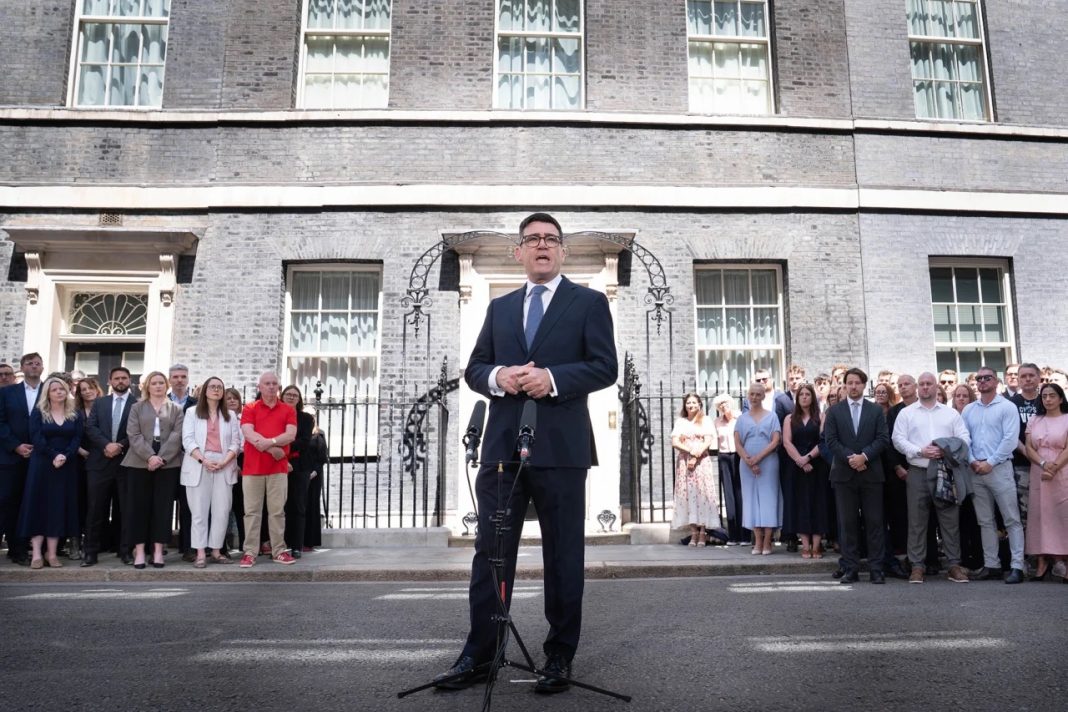

LONDON, United Kingdom — Andy Burnham became Britain’s new prime minister on Monday, promising to restore political stability, ease the cost-of-living crisis, and transfer greater authority from Westminster to communities across the country.
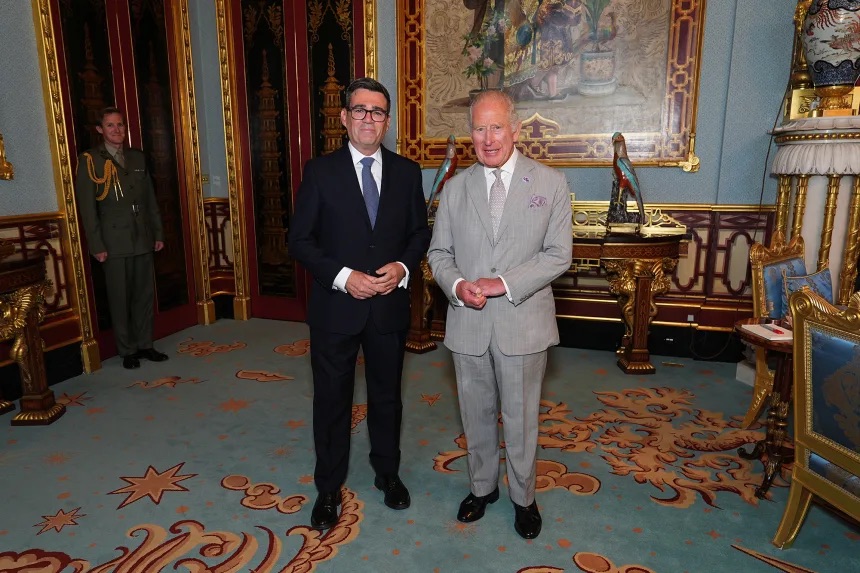
Burnham entered 10 Downing Street on Monday, July 20, 2026, after King Charles III invited him to form a government at Buckingham Palace.
He succeeded Keir Starmer and became Britain’s seventh prime minister since 2016.
In his first address outside Downing Street, the former mayor of Greater Manchester acknowledged the rapid turnover in British leadership and said politicians had failed to provide the stability required to improve people’s lives.
“Britain needs to show the world that we can regain our stability once again, and that is our challenge, to make politics work, to make it work better,” Burnham said.
He described his arrival as an opportunity to change both the country’s political system and its economic direction, although he disclosed few details about how his wider programme would be carried out.
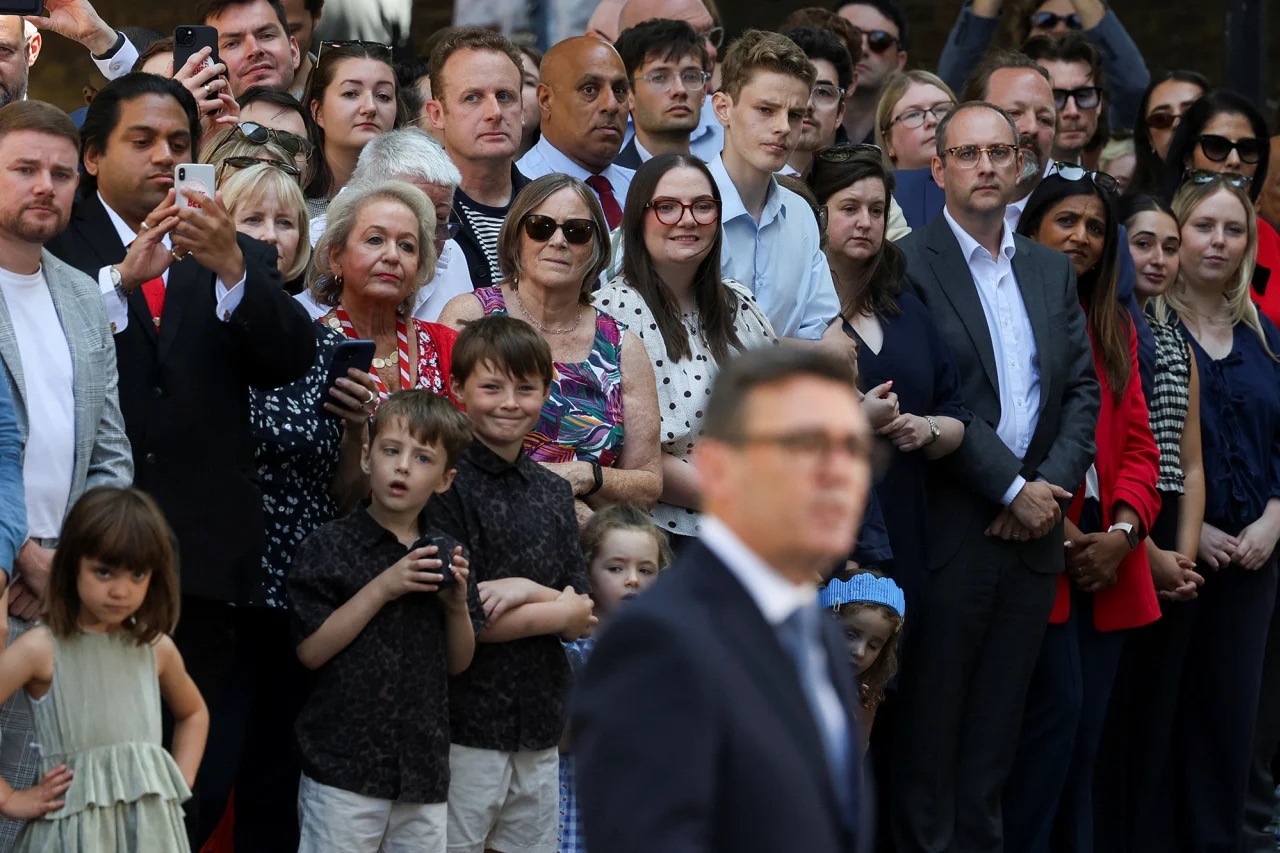
“I know people at home are fed up with politics. I hear you. And I want to be honest with you. We have not been good enough, and we need to be better,” he said.
Burnham promised that his government would use the leadership transition as a “circuit breaker for Britain” and pursue what he called the most substantial changes in four decades.
Rough Sleeping Becomes First Priority
Burnham used the closing moments of his speech to announce his first instruction as prime minister: a national effort to end rough sleeping.
“I will soon go through that door behind me and issue my first instruction to end rough sleeping in our country,” he said.
His government later announced an additional £340 million for the programme, describing the money as the opening stage of a wider five-year effort to provide housing and intensive support for people experiencing prolonged homelessness.
The initial funding is expected to provide 1,200 homes and support at least 3,000 people, with mayors, councils, health services and other public bodies involved in delivering the programme. Further measures are due to be announced before the autumn.
“The prime minister rejects the notion that ending rough sleeping will take decades or that it can’t be done at all,” Downing Street said.
At least 4,600 people sleep on the streets of England on a typical night, according to figures cited by the homelessness charity Shelter.
The broader number of people without permanent accommodation is considerably higher.
Burnham did not set a final deadline for eliminating rough sleeping, but said the government would begin acting immediately.
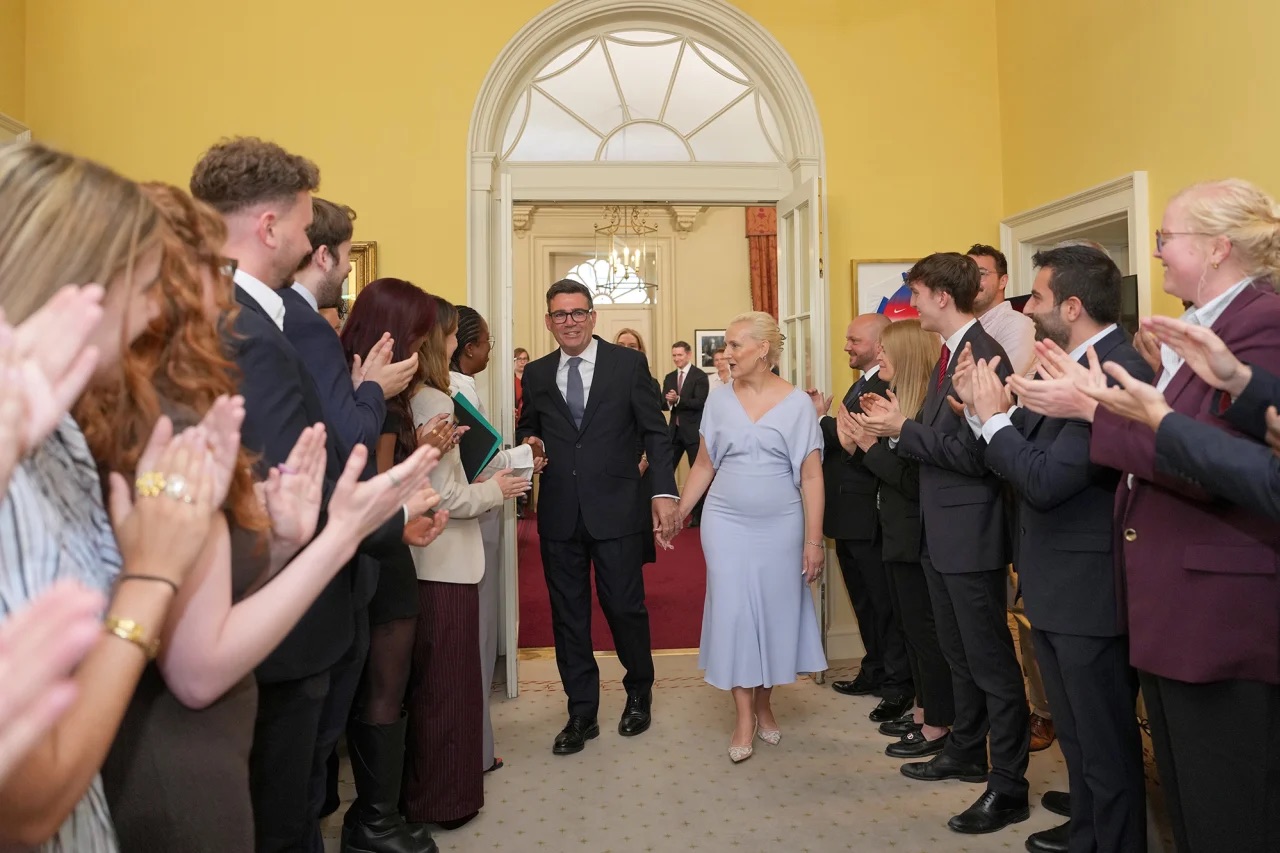
“I will give this my all,” he told supporters gathered outside Downing Street. “Let’s build a new national sense of unity, of common purpose, and positivity.”
Burnham made a similar promise after becoming mayor of Greater Manchester in 2017.
Local government figures showed that rough sleeping in Manchester had nearly halved by 2024 compared with 2017, although the numbers had begun rising again after reaching their lowest level in 2021.

A 10-Year Programme for Britain
Burnham said his government would publish a 10-year national plan later in 2026.
Before then, he promised shorter-term measures intended to provide “some help with the cost of living,” with the first announcements expected the day after he entered office.
He identified employment for young people, the construction of more council homes, reform of welfare and the redistribution of political power as early priorities.
Burnham also repeated his criticism of economic and political decisions taken during the 1980s, when, he said, “political power was centralised” and “economic power privatised.”
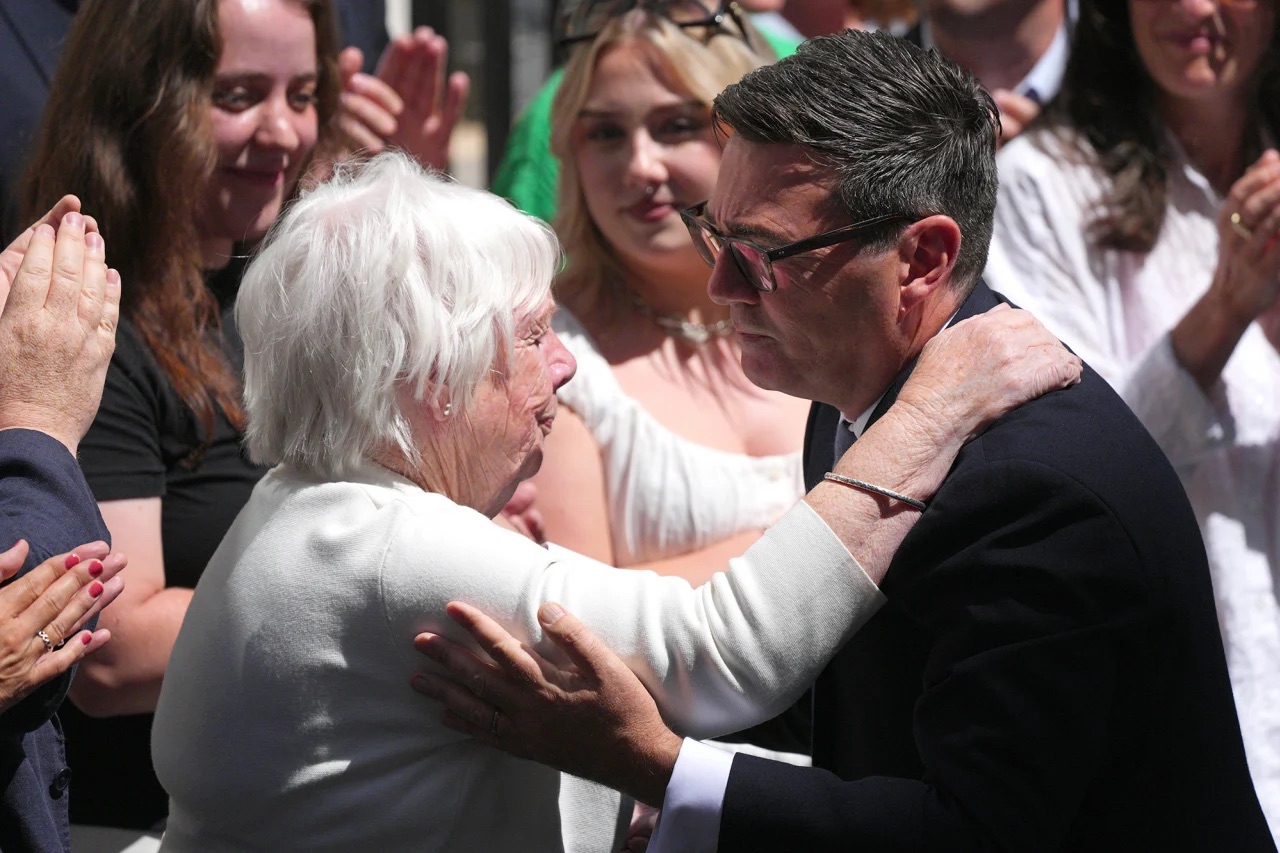
His years as Greater Manchester mayor helped establish devolution as one of his defining political positions.
Burnham has argued that decisions affecting communities should no longer be concentrated in London.
In his Downing Street address, he promised “to take power out of here and carry it into every postcode in the land.”
The pledge reflected the northern English identity that has shaped Burnham’s public image, although he did not refer directly to northern England during the speech.
Burnham Rebuilds the Cabinet
Burnham began assembling his government soon after entering Downing Street, replacing several senior figures associated with Starmer.
John Healey, the former defence secretary, was appointed Chancellor of the Exchequer, Britain’s finance minister.
Healey had resigned from Starmer’s government in June following a disagreement over military expenditure.
As chancellor, Healey will be responsible for funding Burnham’s domestic programme while meeting Britain’s defence and security commitments.
Wes Streeting, whose departure as health secretary contributed to the collapse of Starmer’s authority, was appointed defence secretary.
Ed Miliband, who led the Labour Party from 2010 to 2015, became foreign secretary.
Yvette Cooper moved from the Foreign Office to the Department of Health, while Shabana Mahmood remained home secretary.
Angela Rayner, who resigned as deputy prime minister in 2025 following a controversy over property tax, returned to the Cabinet as housing secretary.
Louise Haigh was appointed first secretary of state and Chancellor of the Duchy of Lancaster, effectively making her Burnham’s deputy. Jonathan Reynolds was given an expanded business portfolio that also covers innovation and science.
Several members of Starmer’s senior team left the government.
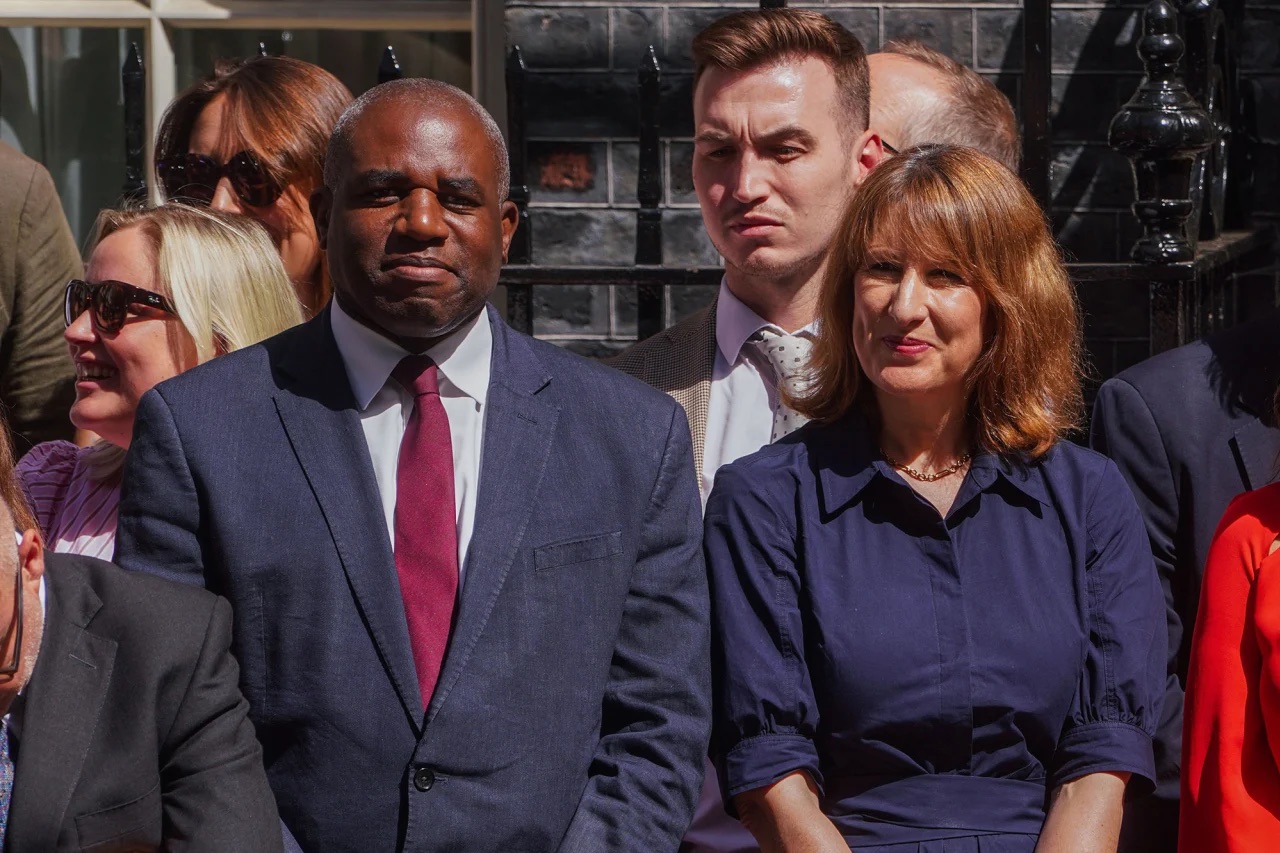
David Lammy, who had served as deputy prime minister and justice secretary, announced his departure. Business Secretary Peter Kyle also left, while Rachel Reeves was replaced as chancellor.
The changes gave Burnham a Cabinet containing political allies, former leadership figures and some ministers retained from the previous administration.
Calls With Trump and Zelensky
Burnham also held conversations with foreign leaders during his first day in office.
In a telephone call with United States President Donald Trump, Burnham stressed his commitment to “defense and security” and said “ensuring the security of the UK and its allies was at the top of his agenda,” according to Downing Street.
Trump later said the conversation had gone well and that the two leaders would be “meeting in the not too distant future for topics of mutual interest.”
“We discussed North Sea Oil, Trade, the Military Alliance, Demining of the Hormuz Strait, and many other topics,” Trump wrote.
Burnham also spoke with Ukrainian President Volodymyr Zelensky and reaffirmed Britain’s “resolute commitment to the people of Ukraine.”
Zelensky thanked Burnham for his “warm words of respect” and for offering “condolences to the families and loved ones of those killed in Russia’s recent attacks.”
The new prime minister also held conversations with French President Emmanuel Macron, German Chancellor Friedrich Merz and senior representatives of the European Union and NATO.
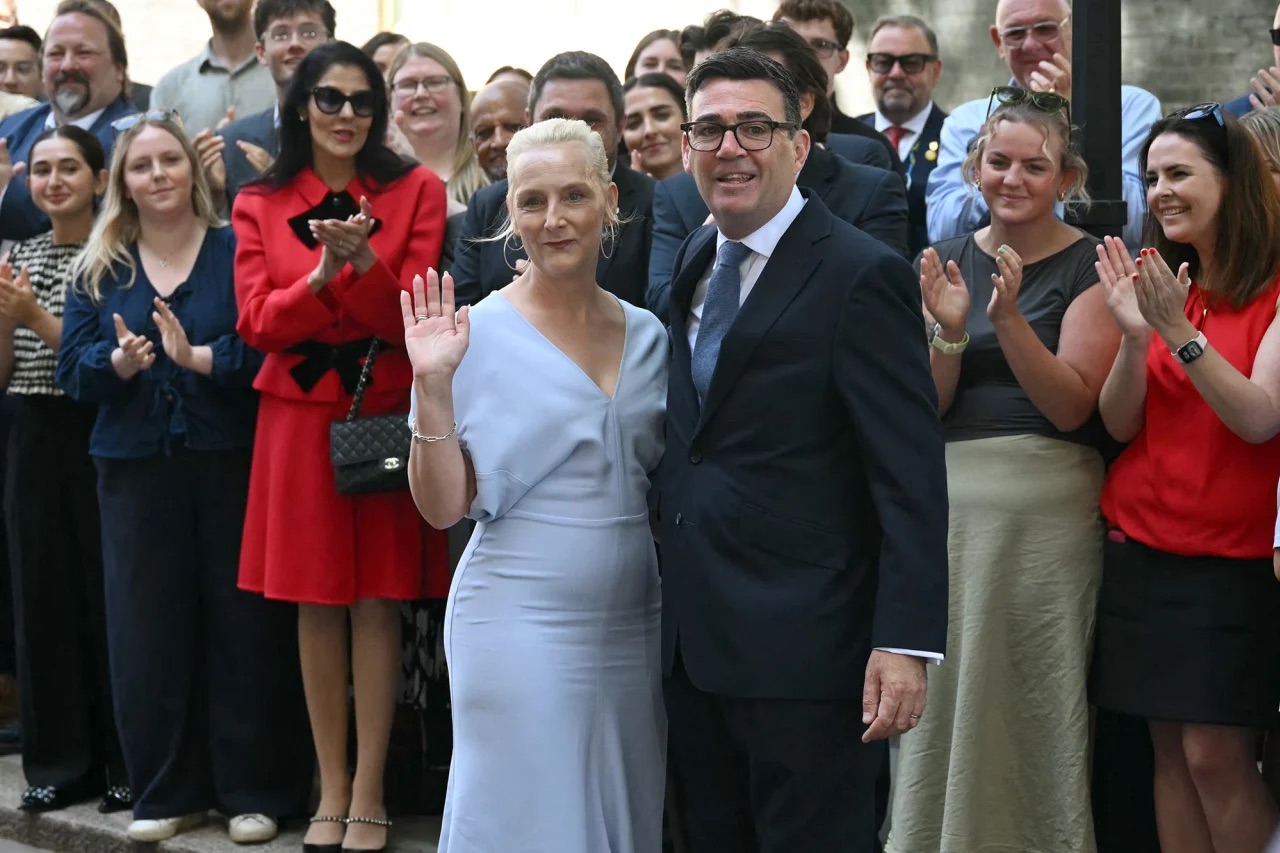
A Less Formal Downing Street Debut
Burnham’s first appearance outside Downing Street offered an early indication of how his public style may differ from Starmer’s.
He delivered the speech without a lectern, autocue or visible notes. The approach was more conversational than the carefully staged addresses usually given by incoming prime ministers.
Burnham wore a suit and tie for his audience with the King and his entrance into Downing Street, departing from the T-shirt and jacket combination he has often worn during less formal political appearances.
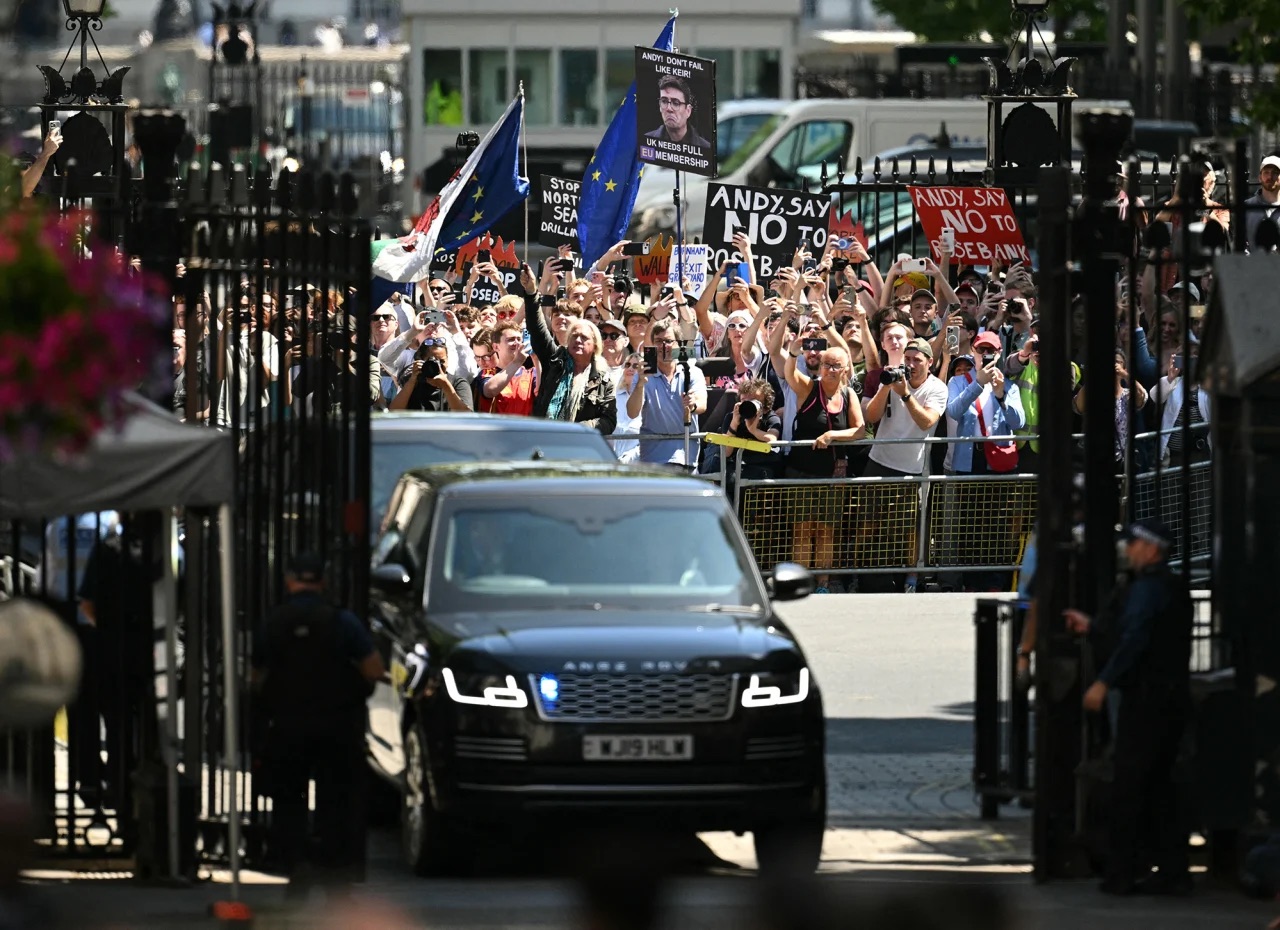
Dozens of supporters cheered as he spoke outside the prime minister’s official residence.
Starmer Leaves After Two Years
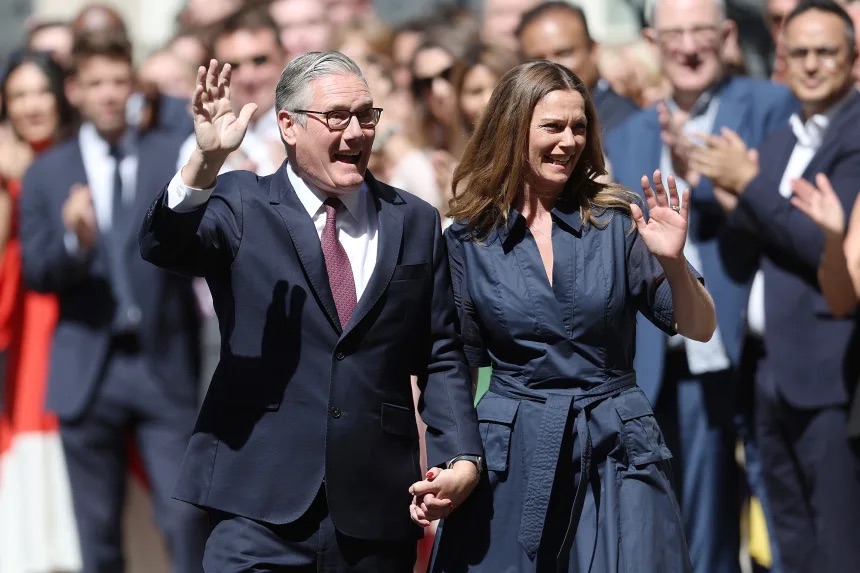
Starmer left Downing Street shortly before Burnham arrived, ending a premiership that began with Labour’s landslide general election victory in July 2024.
In his final speech, Starmer described serving as prime minister as the “privilege of my life” and said Britain had become stronger and fairer during his time in office.
“As I now cast the baton to Andy Burnham, I wish him every success,” Starmer said.
He added that Burnham had “my full support” and said he was leaving office with “good grace” and a “smile.”
Starmer had initially sought to prevent Burnham, then serving as mayor of Greater Manchester, from returning to Parliament. Burnham later became a central figure in the revolt that ended Starmer’s leadership.
The former prime minister said his government had strengthened the economy, reduced waiting times in public health services, lowered immigration and improved Britain’s international standing.
“Our international reputation is greatly enhanced,” Starmer said.
His authority had weakened after policy reversals, internal Labour disagreements and growing dissatisfaction over the government’s pace of change. Starmer resigned just over two years after leading Labour back into power.
Burnham now takes office as Britain continues to confront slow economic growth, pressure on public services, high living costs and a political challenge from Reform UK.
His arrival extends an unsettled period in British politics that has produced seven premierships since the country voted to leave the European Union in 2016.