
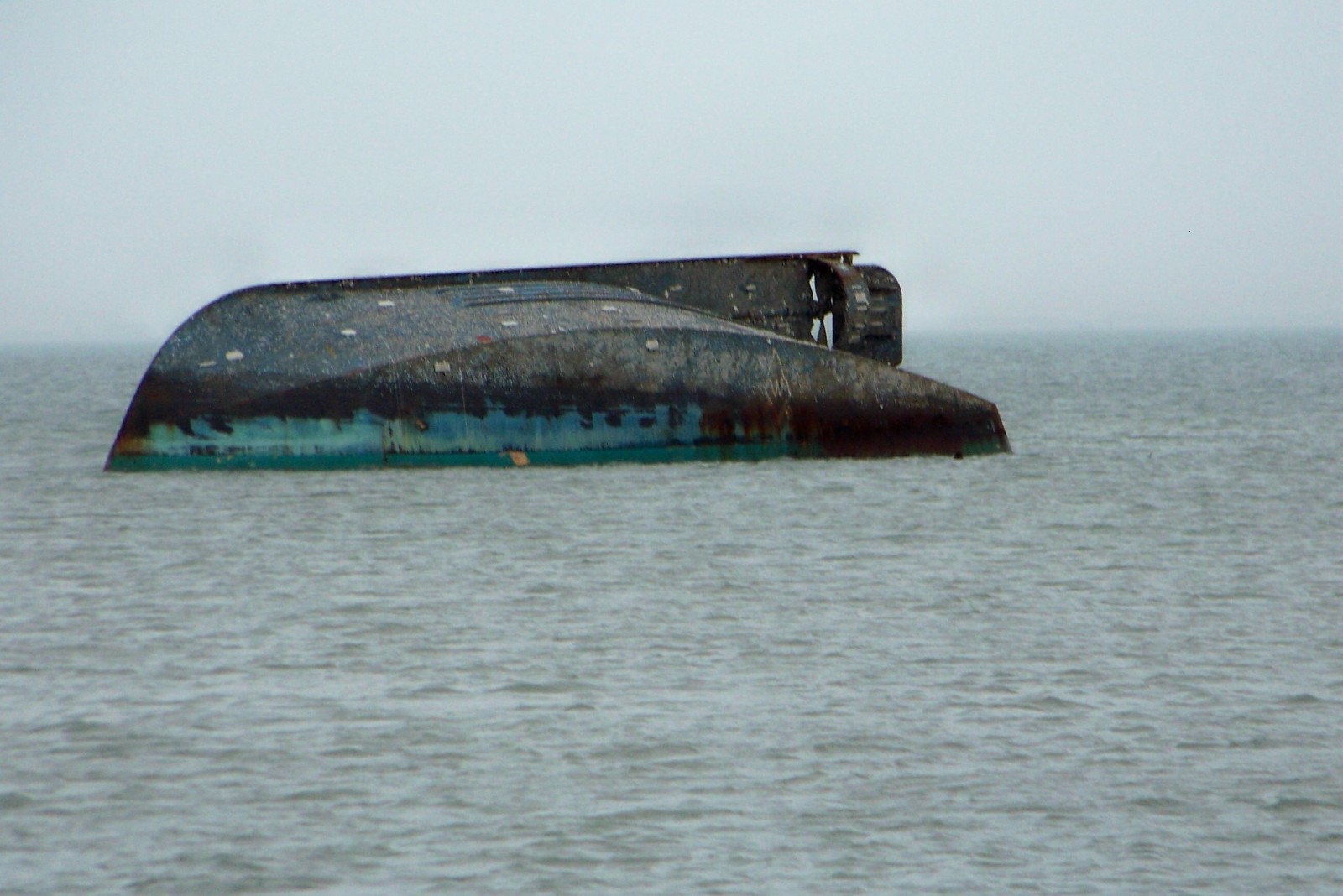

GAROUA, Cameroon — Search teams were still combing waters along the Nigeria-Cameroon border after a passenger boat carrying more than 50 people capsized during an overnight journey, killing at least 20 people, most of them Nigerians.
Eighteen Nigerian victims had been recovered and buried in Wuro Bokki, a community in Adamawa State’s Fufore Local Government Area.
Other passengers remained missing, while survivors were receiving treatment in hospitals and health centres on both sides of the border.
The final death toll remained uncertain. Some residents placed the number of fatalities above 30, but that figure had not been confirmed by Nigerian or Cameroonian authorities.
Boat Encountered Storm After Midnight
The vessel left Garoua in northern Cameroon on Monday, July 20, 2026, and was travelling towards Yola, the capital of Adamawa State.
Its passengers were heading principally to Dasin, another community in Fufore.
Alongside the travellers, the boat was carrying iron rods and other construction materials intended for delivery in Nigeria.
Residents said the operators began the journey late at night despite appeals to postpone the trip until daylight.
The vessel later encountered severe weather and overturned in Cameroonian territorial waters around midnight.
No government agency had issued a definitive finding on what caused the accident.
Local accounts raised concerns about the weight of the cargo, the number of passengers and the decision to travel at night during poor weather, but those factors had not been established through a formal investigation.
Recovery Operation Crosses National Boundary
Local divers and other search personnel from Nigeria and Cameroon joined the effort to locate the missing passengers.
The recovery operation extended across communities connected by the waterway, with some survivors taken to facilities in Nigeria and others treated in Cameroonian border settlements.
The absence of a publicly available passenger register made it difficult to establish how many people had been rescued and how many remained unaccounted for.
Reports consistently said more than 50 people were aboard, but authorities had not released a complete list of passengers or survivors.
The Adamawa State Police Marine Unit said the accident occurred outside Nigeria’s waters.
The unit’s position meant that any formal investigation into the boat’s operation and the immediate circumstances of the capsize would fall principally within Cameroonian jurisdiction.
Nigerian authorities had not announced whether they were working with their Cameroonian counterparts on a joint inquiry.
Families Await Definitive Casualty List
The burial of the recovered victims began before search teams had completed their work.
Residents of Wuro Bokki and surrounding communities gathered to receive the bodies brought back from Cameroon, while families of those still missing awaited information from divers and local officials.
Initial reports said at least 20 people had died, including 18 Nigerians. Other accounts stated that more than 20 were feared dead, reflecting uncertainty as the search continued.
The conflicting figures underscored the difficulty of accounting for passengers on informal river journeys, where travellers and commercial goods may be taken aboard without a documented manifest.
Waterway Supports Cross-Border Commerce
River transport remains an important link between northern Cameroon and communities in Adamawa State.
Boats operating from Garoua carry traders, residents and goods towards settlements around Fufore and Yola.
Construction materials and other supplies are routinely transported alongside passengers travelling between the neighbouring countries.
The latest disaster has renewed attention to the dangers associated with carrying heavy commercial cargo on passenger vessels, particularly during night journeys and periods of unstable weather.
As the search continued, officials had not announced whether the boat operator survived or whether any arrests had been made.
The immediate priority remained the recovery of the missing passengers and the identification of all those who were aboard.