
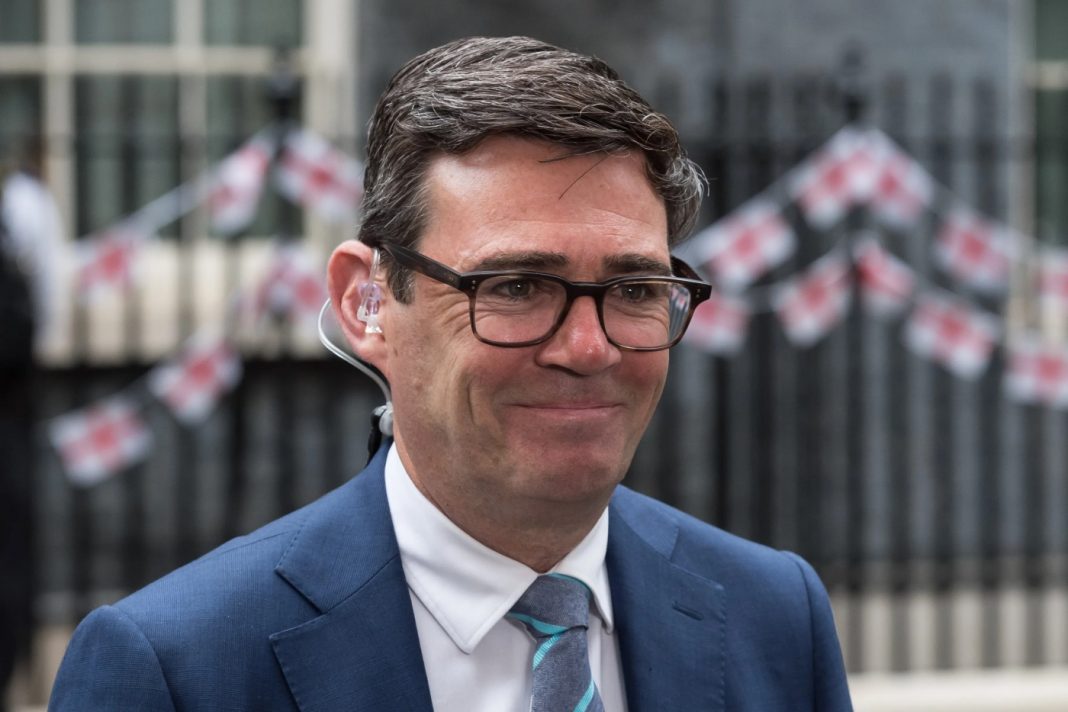

LONDON, United Kingdom — British Prime Minister Andy Burnham has said Russia interfered in the 2016 Brexit referendum, becoming the first serving British prime minister to publicly acknowledge such interference in the vote that led to the country’s departure from the European Union.
Burnham said he sought answers about Moscow’s activities after taking office in July and received confirmation that interference had occurred.
However, he did not identify the source of that assessment, explain how Russia had interfered, or present evidence supporting his statement.
The prime minister made the disclosure in an interview with The Rest Is Politics podcast, excerpts of which were published on Sunday, October 11, 2026.
“I’ve had the clear answer that yes, there was,” Burnham said, referring to his inquiry about Russian involvement.
The remarks, Reuters reported, mark a departure from the position of previous Conservative governments, which said they found no evidence of successful Russian interference in the referendum.
Earlier Government Failed to Investigate Fully
Questions about possible Russian involvement in the Brexit campaign have persisted since British voters narrowly supported leaving the European Union on June 23, 2016.
The referendum ended with 52 per cent voting to leave and 48 per cent supporting continued membership.
In 2020, Parliament’s Intelligence and Security Committee criticised the British government’s handling of allegations that Russia had attempted to influence the referendum.
The committee found that ministers and intelligence agencies had failed to undertake a comprehensive assessment of possible interference, despite concerns about activities involving Russian state-controlled media and social media accounts.
It also concluded that the government had not adequately examined whether Moscow had sought to manipulate the referendum campaign.
The parliamentary investigation did not establish that Russian activities had changed the outcome of the vote.
The committee distinguished between determining whether interference had been attempted and assessing whether any such efforts had succeeded.
Former Prime Minister Boris Johnson, who supported Brexit, said in 2020 that there was no evidence of Russian interference in the referendum.
His government maintained that it had seen no evidence of successful interference and resisted calls for a retrospective investigation.
Burnham’s latest comments suggest that he has received information that was not publicly acknowledged by his predecessors.
He did not say whether the assessment was based on new intelligence, previously available evidence, or a subsequent government review.
Burnham Warns France and Germany
The prime minister said Britain needed to be more forthcoming about attempts by foreign governments to influence democratic processes.
He linked his disclosure to concerns about possible Russian activities in other European countries, particularly France and Germany.
Burnham said informing the public about such interference could help voters recognise attempts to manipulate political debate.
“These things are important now to put clearly on the record,” he said.
He accused Moscow of pursuing activities intended to influence European political movements.
The prime minister also discussed his recent meeting with German Chancellor Friedrich Merz in Berlin, where the two leaders addressed concerns about Russian influence and the growth of far-right political parties.
Burnham said Merz had raised concerns about possible connections between Russia and Alternative for Germany (AfD), the country’s far-right opposition party.
The British leader suggested that Russian funding and disinformation could be contributing to political developments in Germany, although he did not provide supporting evidence for allegations of financial links.
“There is certainly misinformation, disinformation that is emanating from Russia into German politics,” Burnham said.
The remarks came as Britain and Germany moved to strengthen cooperation against cyberattacks, sabotage, and other suspected foreign-state activities.
Russia Denies Interference
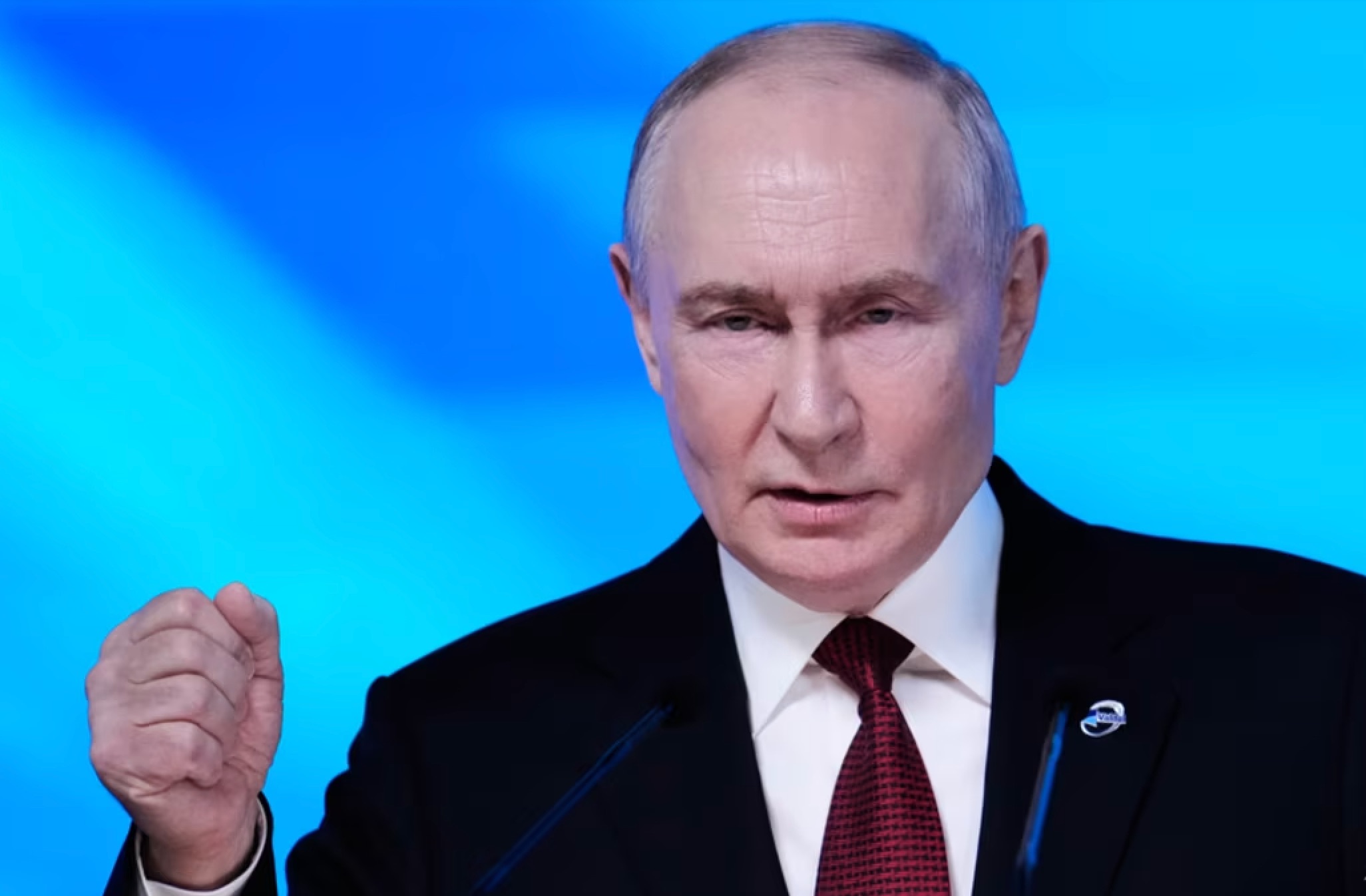
Russia has consistently rejected allegations that it attempted to manipulate the 2016 British referendum.
Moscow has previously accused British officials of exaggerating the threat of Russian interference and promoting anti-Russian sentiment.
The Russian Embassy in London did not immediately respond to Reuters’ request for comment on Burnham’s latest statements.
The Kremlin has also repeatedly denied accusations of interfering in elections and other democratic processes abroad.
Britain’s intelligence agencies have nevertheless warned of attempts by Russia and other hostile states to influence political institutions and public debate.
The British government is developing a National Centre for Information Defence to help detect and counter foreign information operations.
Downing Street has also identified closer cooperation with European partners as a priority in addressing cyber threats and other forms of interference.
Brexit Debate Returns to British Politics
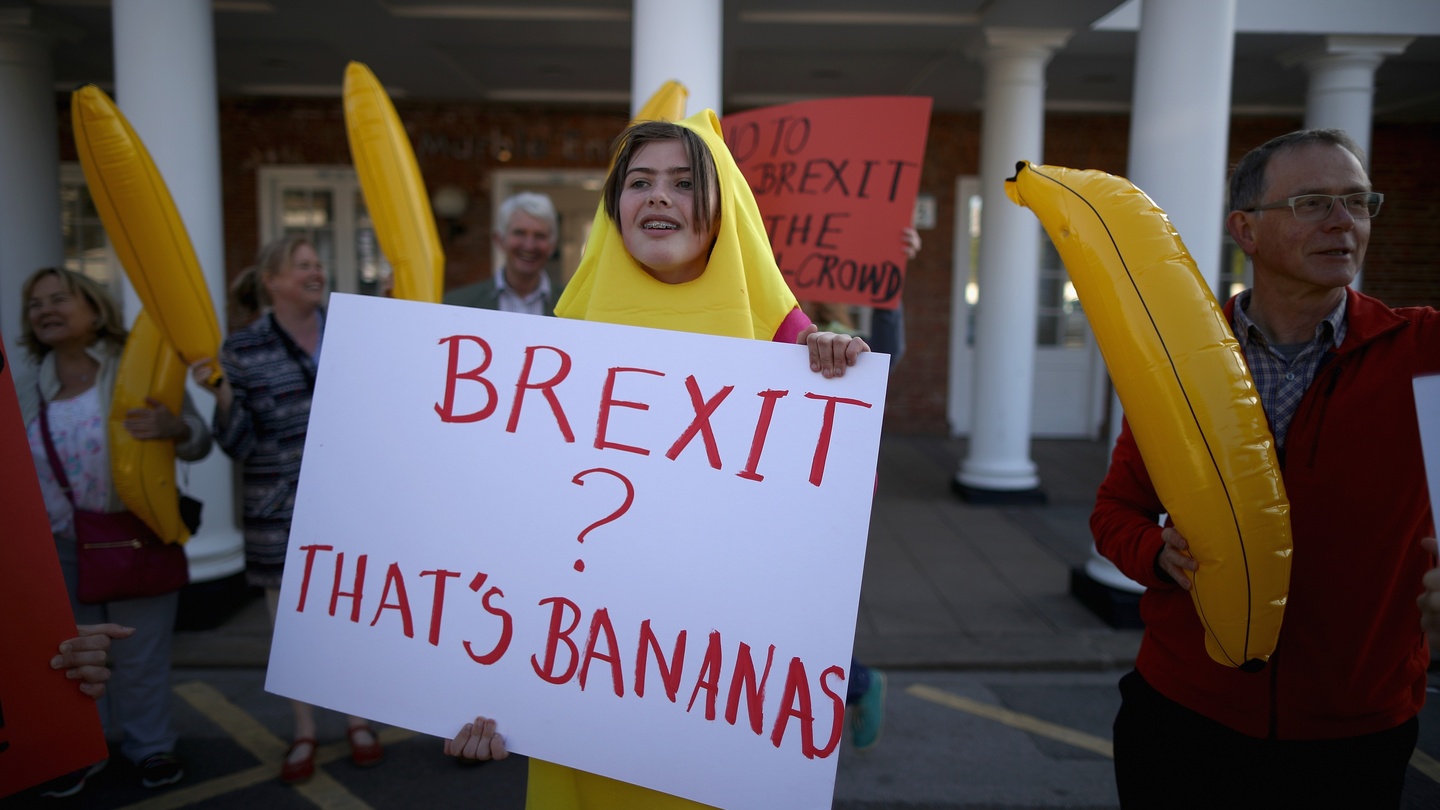
Burnham’s statement comes as his government reconsiders Britain’s future relationship with the European Union.
Last month, the prime minister said he was prepared to examine the possibility of Britain eventually rejoining the bloc.
He indicated that a commitment to restoring EU membership could become part of his party’s programme at the next general election.
His position reopened a debate that had largely remained outside mainstream government policy since Britain formally left the EU.
Burnham has also called for closer economic and political cooperation with European countries.
The latest disclosure does not establish whether Russian actions influenced how British voters cast their ballots in 2016.




