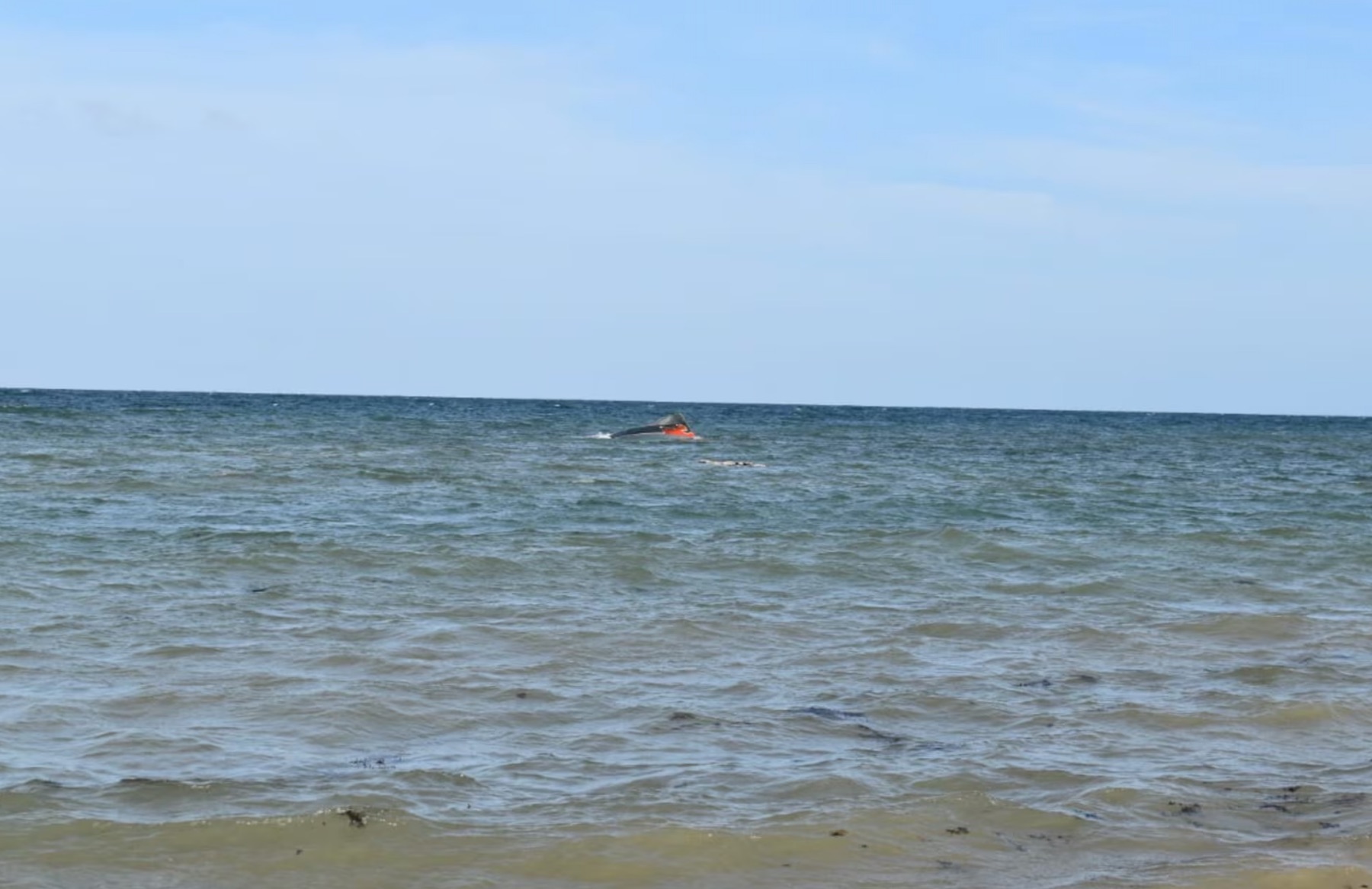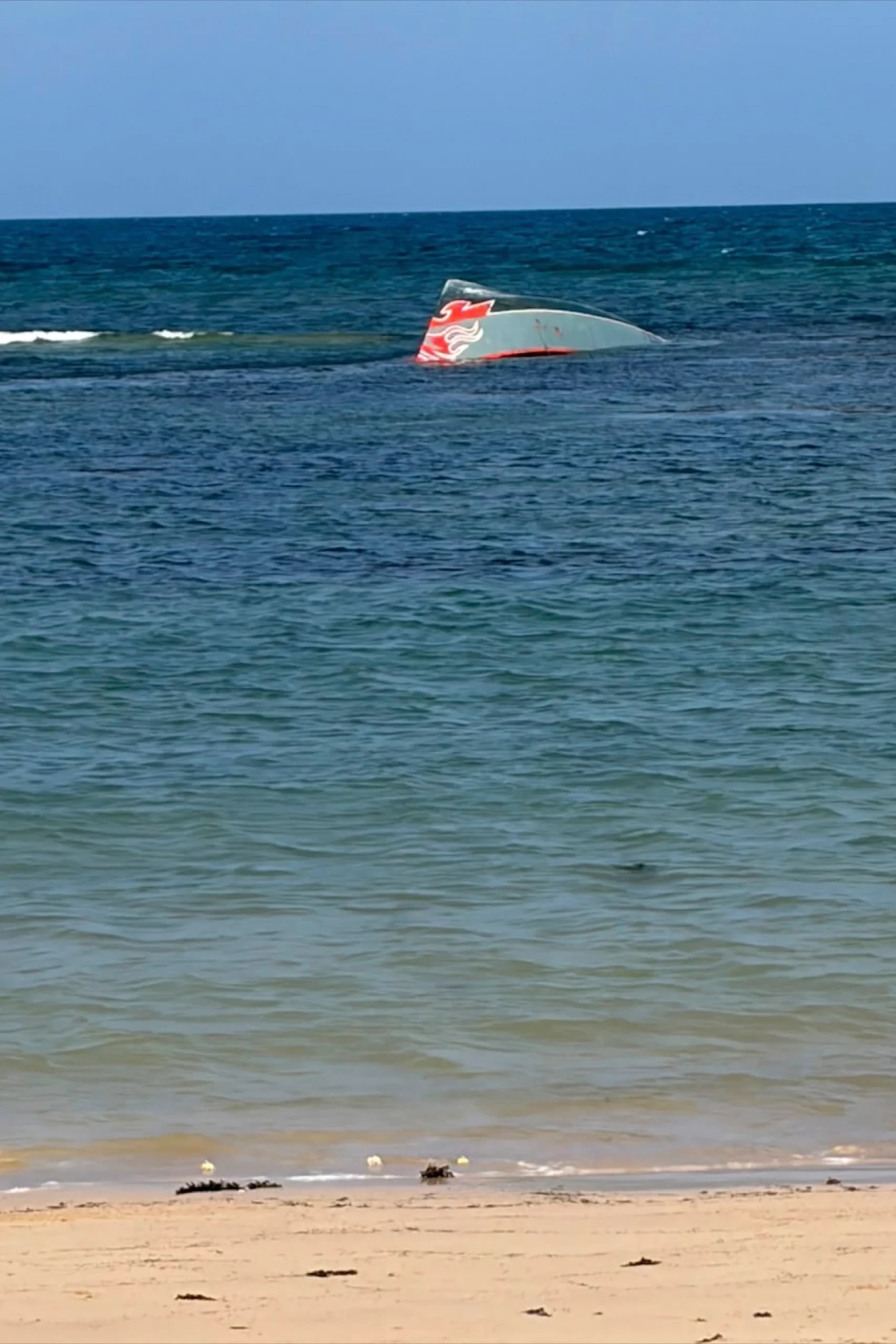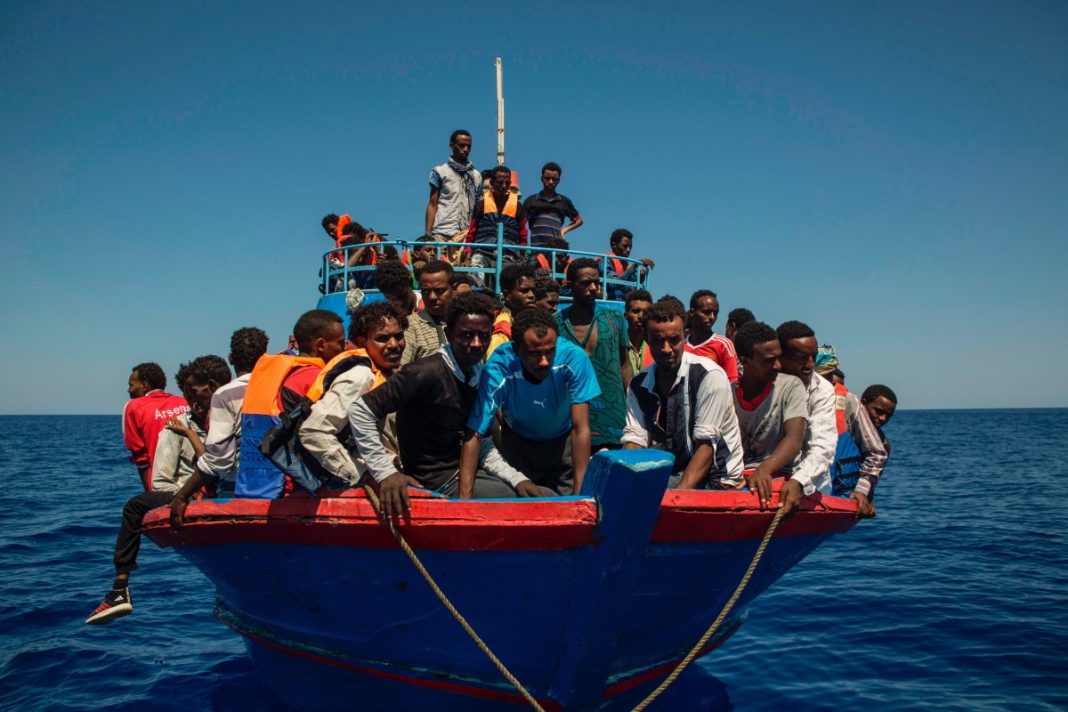

OBOCK, Djibouti — At least 139 migrants, including 15 children, have died after an overcrowded boat carrying 305 people capsized off the coast of Djibouti while attempting to reach Yemen, the United Nations migration agency said.
Another 84 people remained missing as rescue teams continued searching the waters near Guhere, north of the port town of Obock, according to the International Organization for Migration (IOM).
The vessel sank shortly after departing on the night of October 8, with survivors describing how it began taking on water before they could reach the opposite shore.
The IOM confirmed the latest casualty figures on Sunday, October 11, 2026, raising the death toll from an earlier estimate of 109 after additional bodies were recovered.
Approximately 82 people survived the disaster. The survivors were Ethiopian nationals, the agency said.
The boat had been travelling towards Yemen, a transit point for migrants from the Horn of Africa hoping to find employment in Saudi Arabia and other Gulf countries.
Survivors Describe Boat Sinking Shortly After Departure
Alexandre Coissac, the IOM’s chief of mission in Djibouti, said the vessel began sinking almost immediately after the migrants boarded.
“Survivors told me that the boat started to sink backwards as soon as they got in it,” Coissac told Agence France-Presse, according to Channel News Asia.
Coissac told the Associated Press that overcrowding was the principal cause of the sinking.
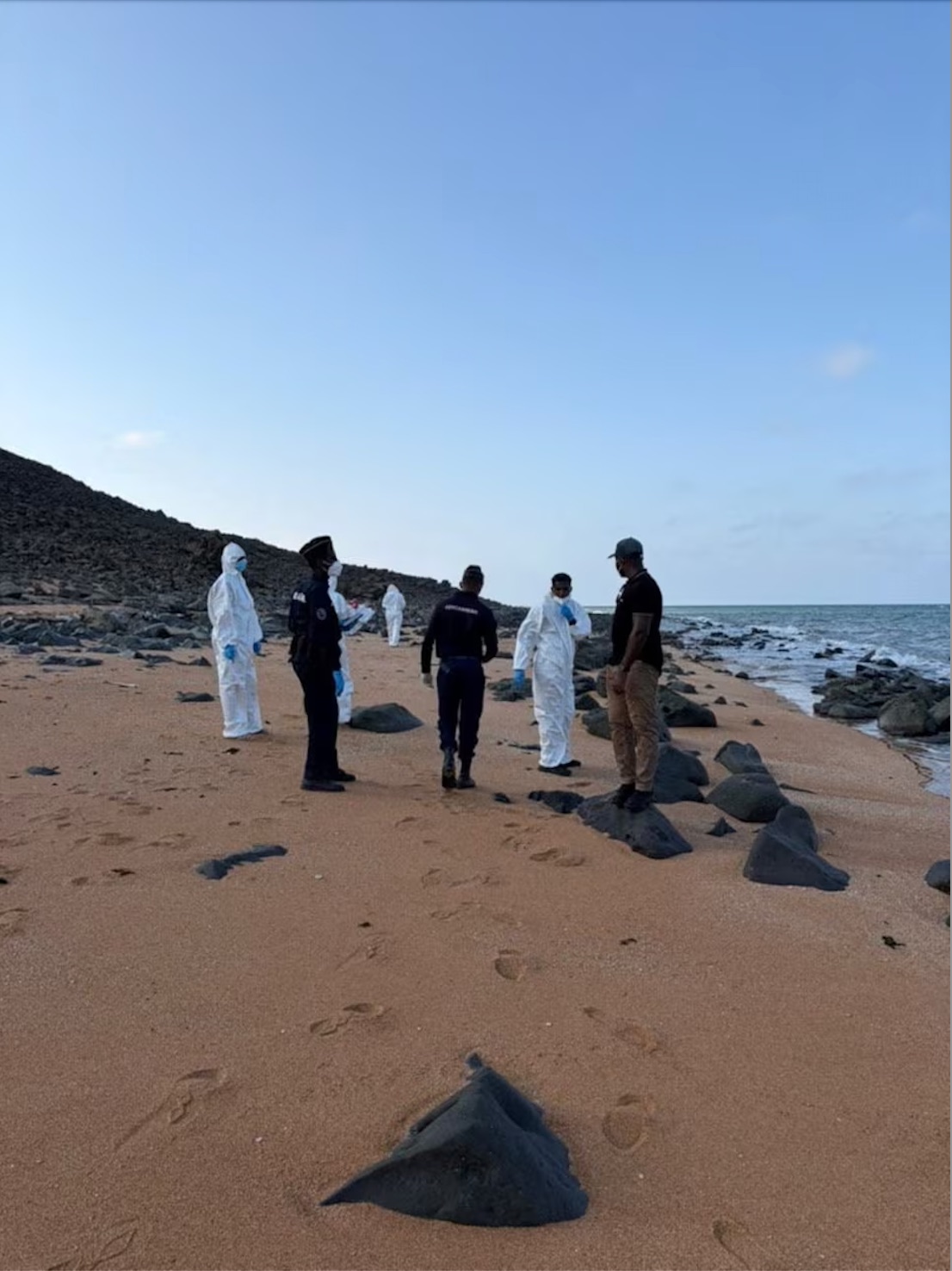
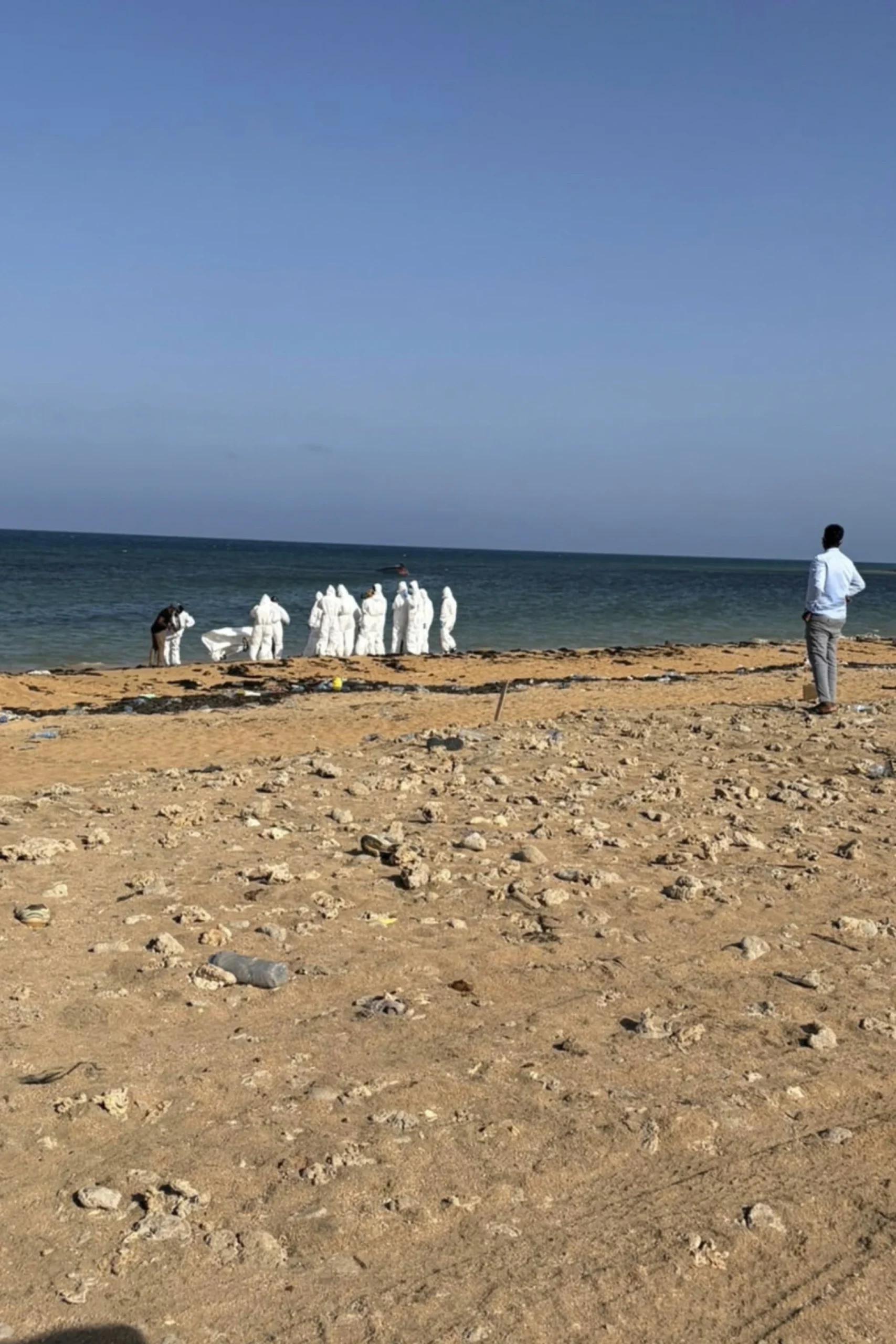
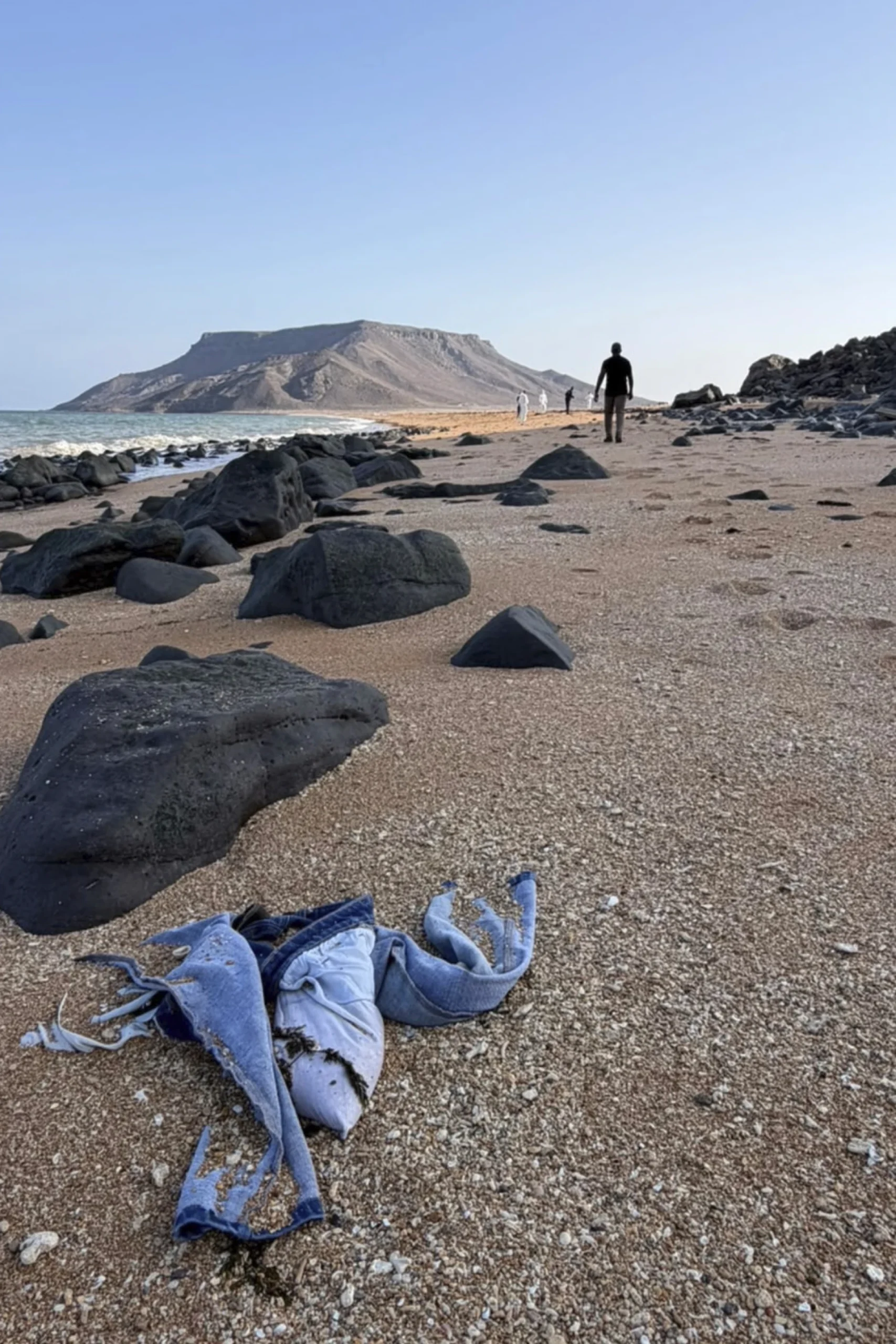
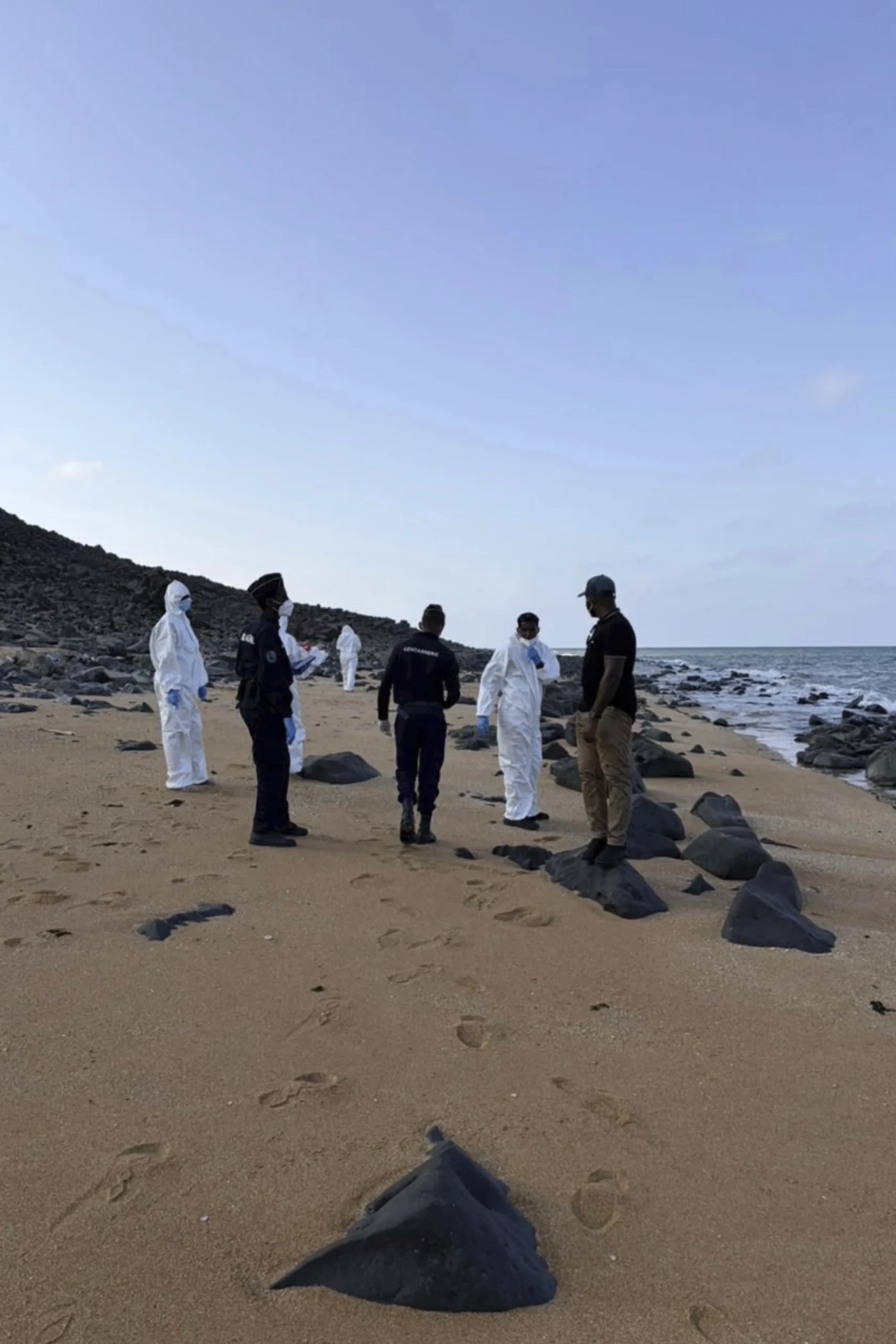
Rescue workers and local authorities were confronted with bodies washing ashore as the search continued.
Some victims were buried by other migrants before authorities could formally identify them.
Coissac said the official death toll included only bodies whose burials had been recorded by local officials, raising concerns that additional deaths had not yet been documented.
“What is terrible is that they were buried with no names, in a common grave, like in a war situation,” he told the Associated Press.
“They all have a mother, a father, and we may never learn what happened.”
Among the first 109 victims recovered were 52 men, 42 women, and 15 children, including nine girls and six boys.
The authorities subsequently recovered 30 more bodies, bringing the confirmed death toll to 139.
Survivors Receive Medical and Psychological Care
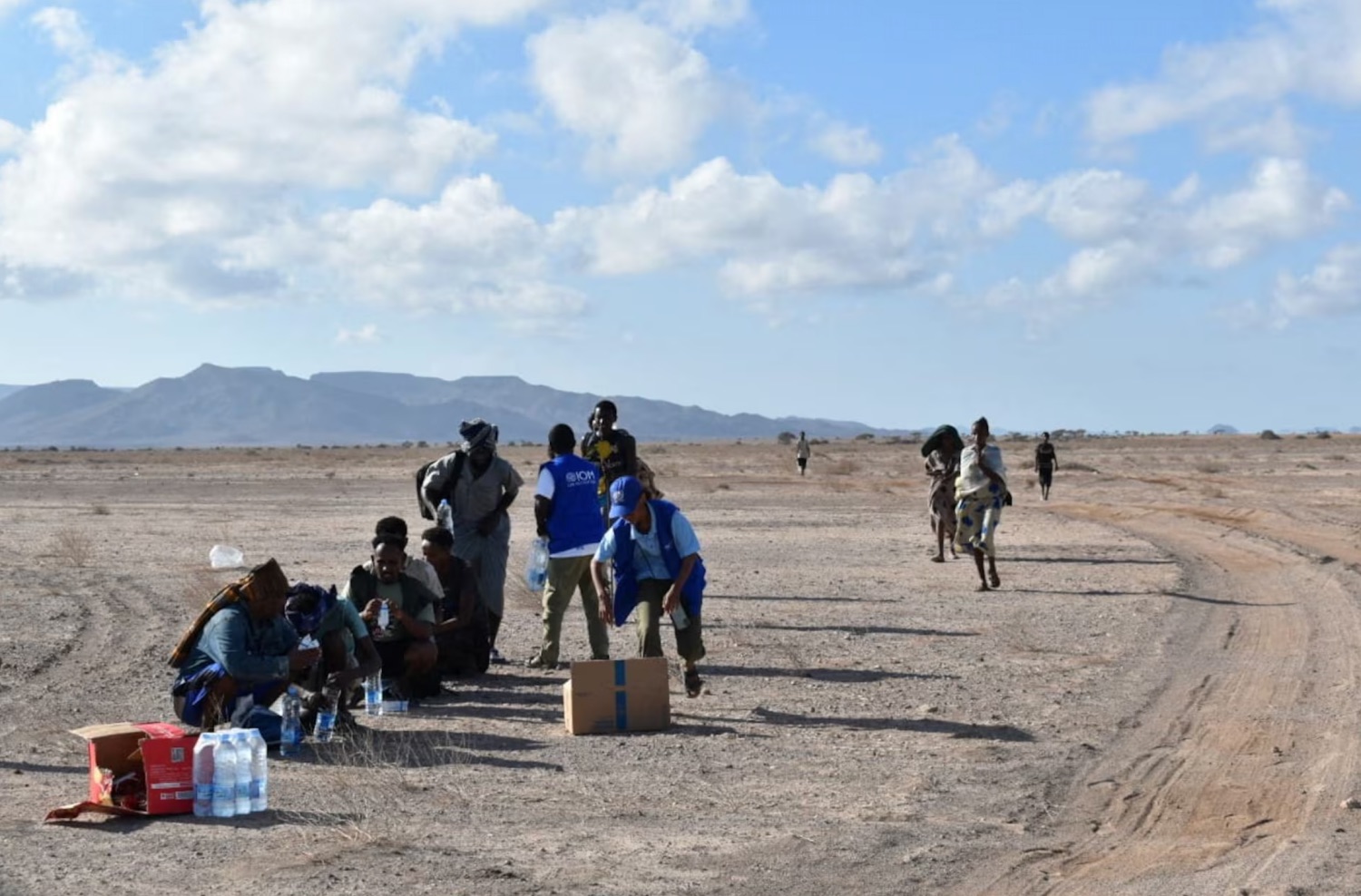
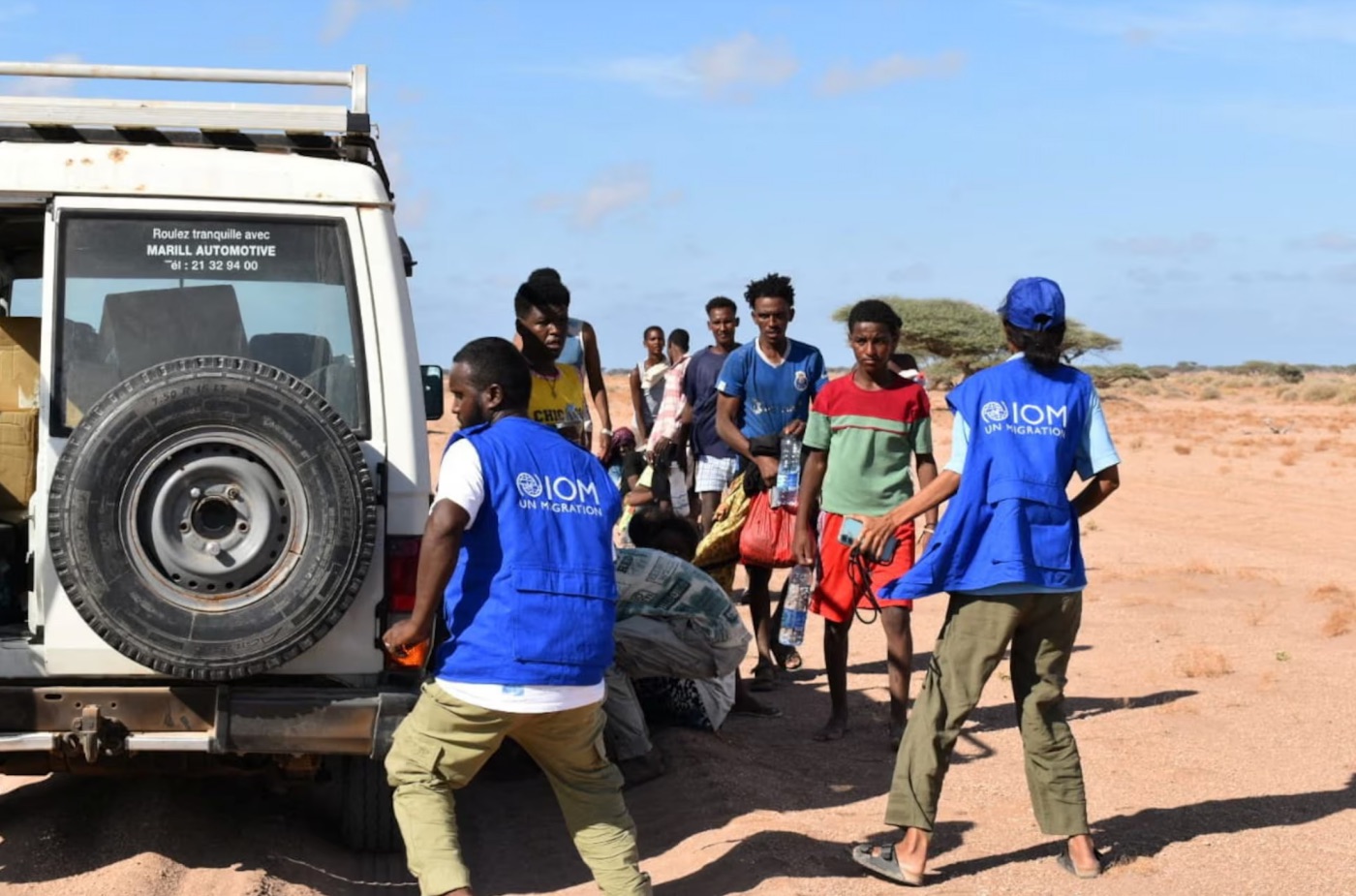
The IOM said it was working with Djiboutian authorities to provide emergency assistance to those rescued.
Survivors were taken to the agency’s Migrant Response Centre in Obock, where they received medical treatment, food, and psychological support.
Some had swallowed seawater during the sinking, while others were struggling with the loss of relatives and fellow passengers.
Coissac said the survivors were deeply distressed, making it difficult for aid workers to obtain accounts of what had happened.
“They’re all in a state of shock,” he said.
Some survivors were informed that family members had died, while others were given access to telephones to contact relatives in Ethiopia.
Djiboutian authorities continued their search for the missing and made arrangements for the burial of recovered bodies.
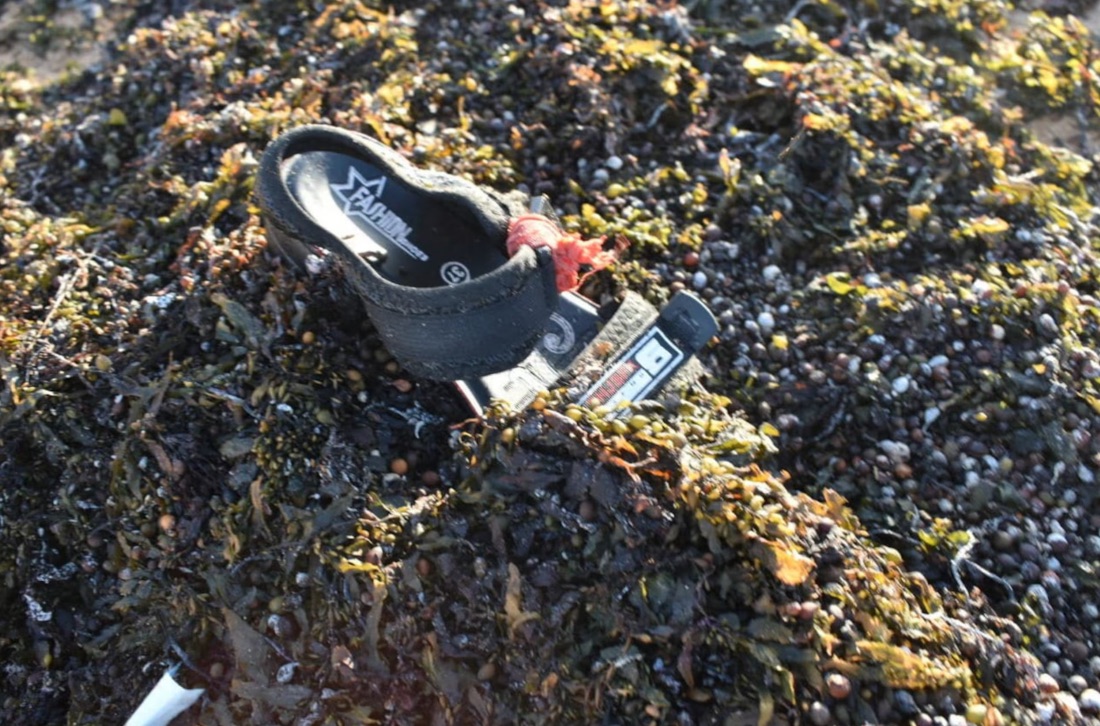
Photographs released by the IOM showed damaged sections of the vessel and shoes believed to belong to passengers scattered along the shoreline.
The agency described the disaster as one of the deadliest recorded on the migration route between East Africa and the Arabian Peninsula.
Dangerous Journey Continues Despite War in Yemen
Thousands of migrants from Ethiopia and other countries in the Horn of Africa travel through Djibouti each year, crossing the Bab el-Mandeb Strait to Yemen before attempting to reach wealthier Gulf countries.
The maritime passage is part of what migration agencies call the Eastern Route.
Many migrants undertake the journey in overcrowded vessels operated by smugglers, exposing them to the risks of drowning, abandonment, exploitation, and trafficking.
According to the IOM’s Missing Migrants Project, more than 900 people died or disappeared along the route in 2025.
The organisation said more than 20,000 movements from Ethiopia into Djibouti had been recorded since September 10.
The latest shipwreck occurred amid renewed fighting in Ethiopia’s northern Tigray region and an escalation of hostilities in Yemen.
The conflict in Yemen has displaced more than 200,000 people since fighting intensified in September, according to IOM figures.
More than 3,700 people have also fled Yemen by sea to Djibouti in recent weeks.
Despite the insecurity, migrants continue attempting the crossing in the opposite direction, often hoping to travel onwards to Saudi Arabia.
Coissac said the disaster demonstrated the dangers facing people seeking employment and economic opportunities beyond their home countries.
UN Calls for Safer Migration Routes
IOM Director-General Amy Pope called for greater international action to prevent further deaths along the migration corridor.
She urged governments and international donors to develop safer alternatives for migrants whose journeys expose them to dangerous maritime crossings.
“No one gets into a boat like that unless they believe there is no other safe way,” Pope said.
“We cannot keep treating these deaths as normal. Safe and legal pathways save lives. I am asking governments and donors to act before the next boat goes down.”
The organisation said continued search operations could lead to further revisions of the death toll.
With 84 passengers still unaccounted for, rescue workers continued searching the coastline as families awaited information about their missing relatives.