
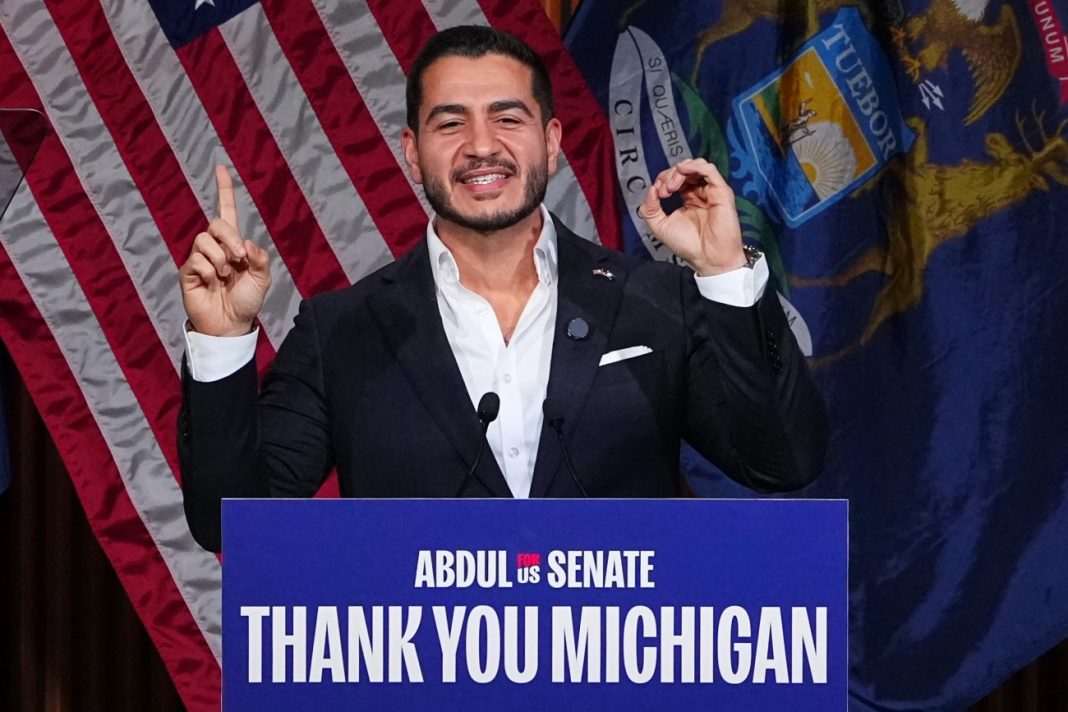

DETROIT, United States — Democrat Abdul El-Sayed has won Michigan’s Senate election, becoming the first Muslim elected to the United States Senate.
El-Sayed, 42, defeated Republican Mike Rogers, a former congressman backed by President Donald Trump.
CNN projected his victory on Wednesday, November 4, 2026. The Associated Press, Reuters, and other major news organisations also called the race for the Democrat.
The result keeps Michigan’s Senate seat in Democratic hands. It also concludes a bitter campaign in which Trump repeatedly questioned El-Sayed’s loyalty to the United States and accused him of having links to Islamic extremism.
El-Sayed denied the allegations, which were not supported by evidence.
El-Sayed Celebrates Historic Victory
El-Sayed addressed supporters at a Democratic election gathering in Detroit after the results became clear.
“Michigan, we did it,” he declared.
The former public health official thanked voters for supporting his campaign despite doubts about his ability to win a competitive statewide election.
“You took a chance on the unlikeliest of candidates,” he told the gathering.
El-Sayed, the son of Egyptian immigrants, had never previously won elected office.
He entered the race after Democratic Senator Gary Peters announced that he would not seek another term.
His victory makes him the first Muslim elected to the Senate in American history.
He will also become part of the Democratic contingent in a chamber where the party has made significant gains in the midterm elections.
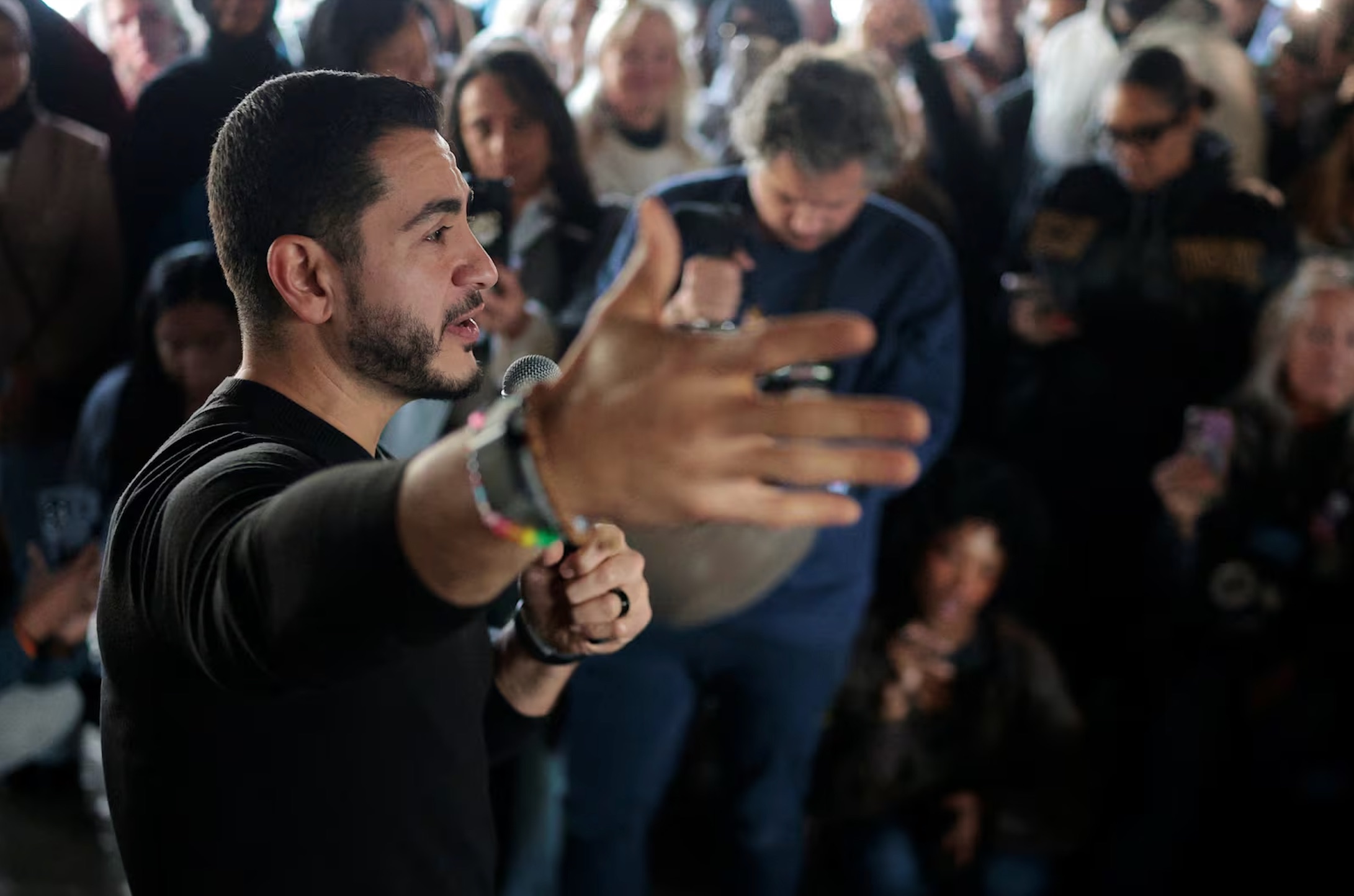
Michigan Democratic Candidate for the Senate, Abdul El-Sayed said he hardly thinks of Rep Haley Stevens. | Brian Snyder/REUTERS
Victory Follows Months of Attacks Over His Religion
The Michigan campaign attracted national attention as Trump and other Republican politicians repeatedly criticised El-Sayed’s Muslim faith and questioned his political associations.
Trump described him as a “jihadist” and suggested that his election could threaten American security.
Rogers also questioned El-Sayed’s alleged connections to the Muslim Brotherhood and challenged his positions on Israel and US foreign policy.
El-Sayed rejected the accusations and maintained that he had no connection to terrorist organisations.
Democratic leaders and civil rights advocates condemned the attacks as anti-Muslim prejudice.
The controversy became a central issue in the closing days of the election, particularly in Michigan’s large Arab American and Muslim communities.
El-Sayed used his victory speech to criticise the attacks.
“They might have been pointing to my name and my faith, but we all know my name and my faith are not why you can’t afford your gas,” he said.
The statement reflected his campaign’s emphasis on household expenses, healthcare, and economic inequality.
Democrat Overcomes Divisions Within His Own Party
El-Sayed also faced opposition from some members of the Democratic Party.
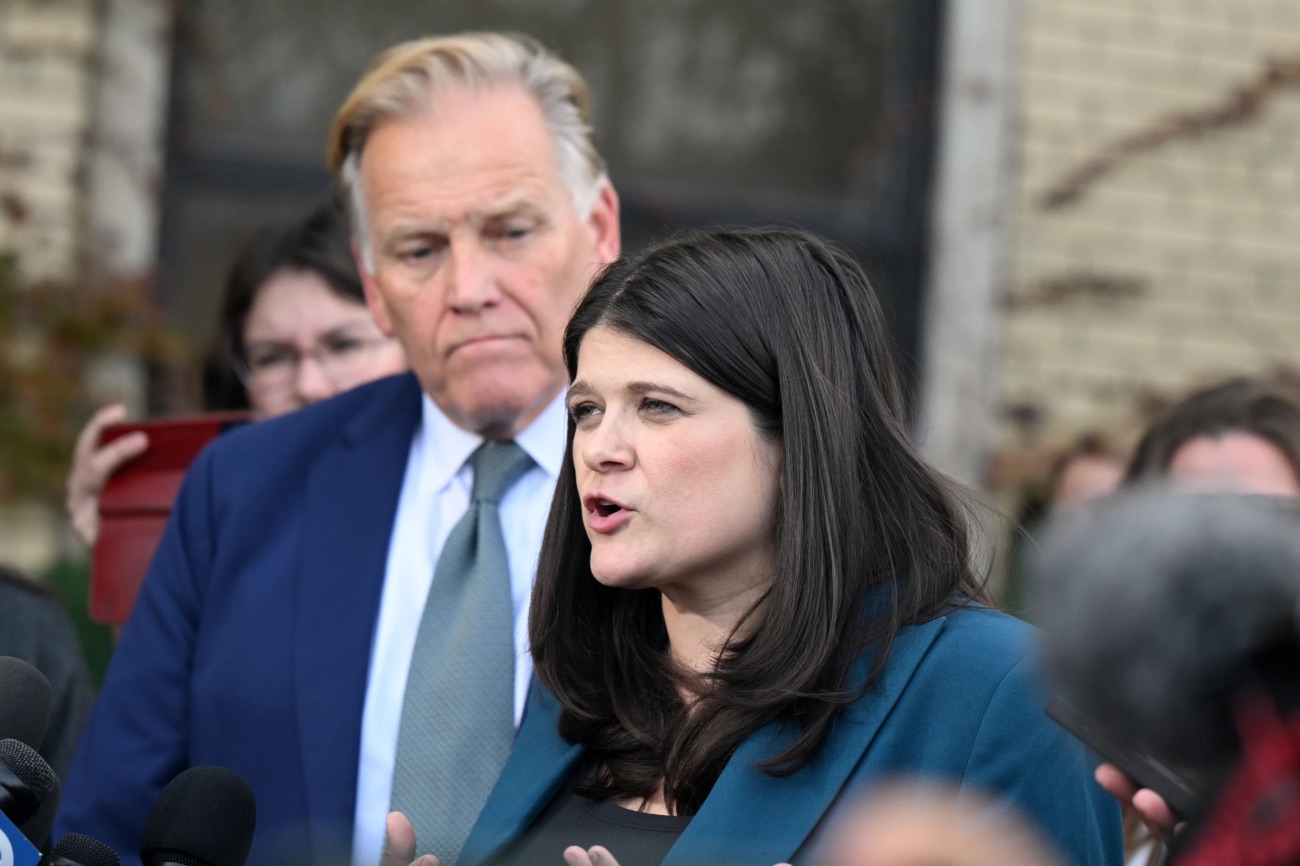
He defeated Representative Haley Stevens in a closely contested primary after a campaign that exposed disagreements between the party’s progressive and moderate wings.
The contest attracted substantial spending from outside political organisations.
The American Israel Public Affairs Committee spent nearly $30 million opposing El-Sayed during the primary, according to the Associated Press.
Stevens later refused to support her former rival in the general election.
Two days before voting, she endorsed Rogers, citing concerns about El-Sayed’s political associations and statements.
The endorsement followed disagreements over his criticism of Israel and his appearances with political commentator Hasan Piker.
El-Sayed also faced criticism from some Jewish voters over his remarks following an attack on a Michigan synagogue. He subsequently apologised to anyone hurt by his comments.
Despite the divisions, prominent Democrats campaigned for him, including former President Barack Obama and former Vice-President Kamala Harris.
He also received support from Senator Bernie Sanders and Representative Alexandria Ocasio-Cortez.

Healthcare and Living Costs Dominate Campaign
El-Sayed, a physician and former Detroit health director, campaigned on proposals to reduce living costs and expand access to healthcare.
He supported Medicare for All, a proposal to establish universal healthcare through a government-funded insurance system.
He also called for higher taxes on wealthy Americans and measures to reduce the influence of large corporations and wealthy donors in politics.
His campaign sought support from working-class voters, including those dissatisfied with rising prices and Trump’s economic policies.
Rogers, a former FBI agent who previously chaired the House Intelligence Committee, campaigned on national security, manufacturing, and economic development.
He had narrowly lost Michigan’s 2024 Senate election to Democrat Elissa Slotkin.
During the latest campaign, Rogers sought to appeal to moderate Democrats and independent voters while maintaining Trump’s endorsement.
He also distanced himself from the president on some issues, including the war with Iran and trade disputes with Canada.
Democrats Retain Michigan Senate Seat
Michigan has been an important battleground in recent American elections.
Trump carried the state in the 2024 presidential election, even as voters elected Democrat Slotkin to the Senate.
Republicans had hoped to capture the seat being vacated by Peters and strengthen their position in Congress.
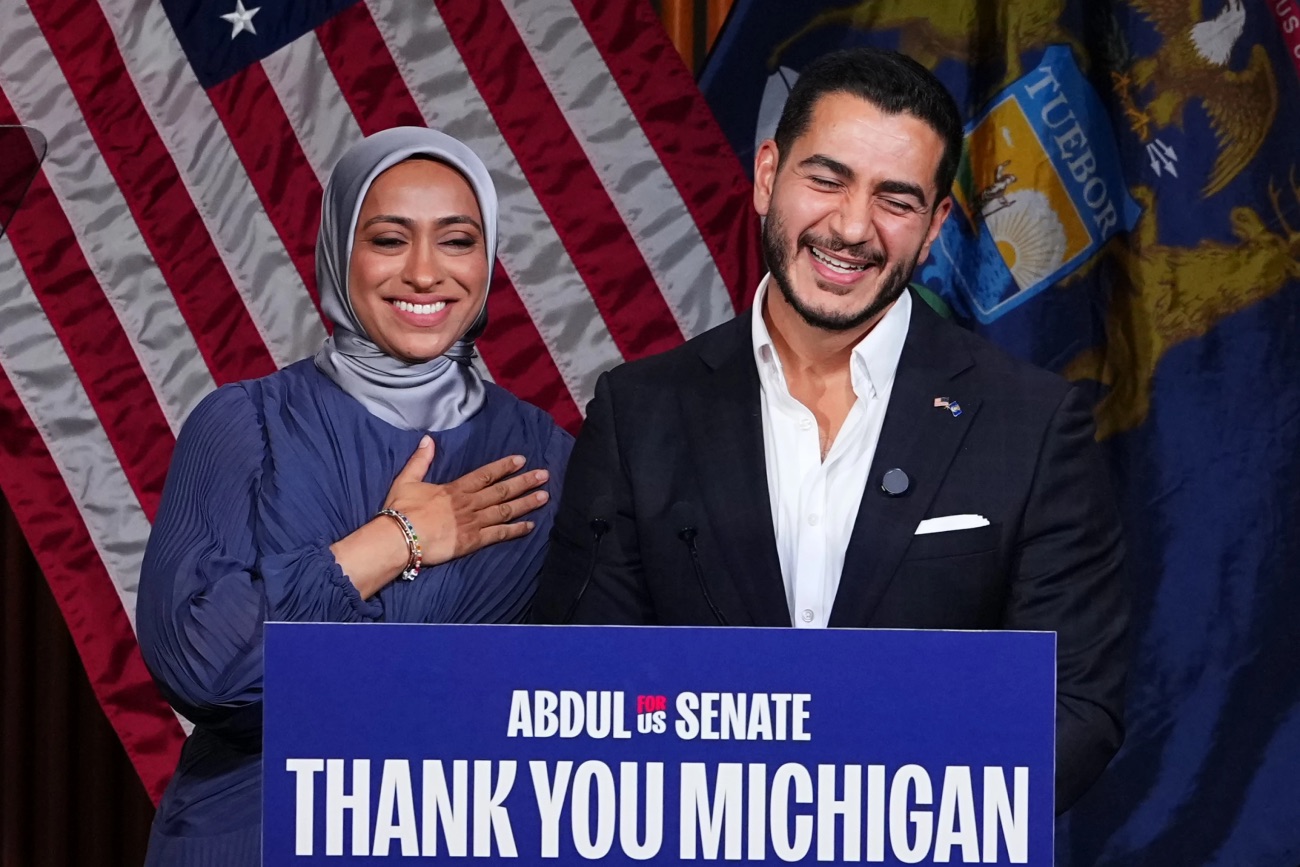
Instead, El-Sayed’s victory extends the Democratic Party’s control of Michigan’s Senate seats.
A Republican has not won a US Senate election in Michigan since 1994.
The result comes amid wider Democratic gains in the midterm elections, with the party also securing victories in other closely contested states.
For El-Sayed, the election marks a significant political comeback.
He unsuccessfully sought the Democratic nomination for governor of Michigan in 2018, losing to Gretchen Whitmer.
Eight years later, he has secured a place in the United States Senate and become the first Muslim elected to the chamber.