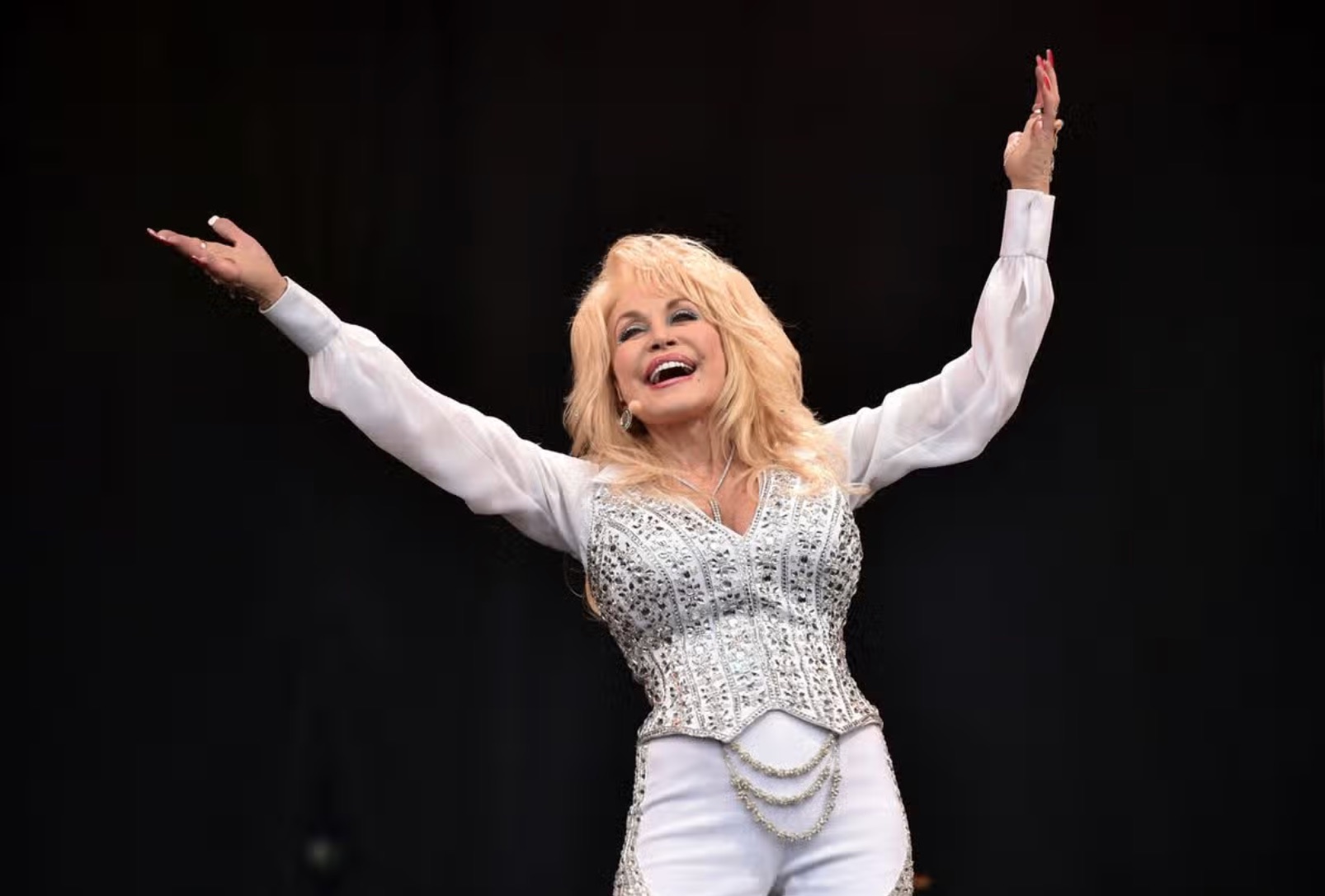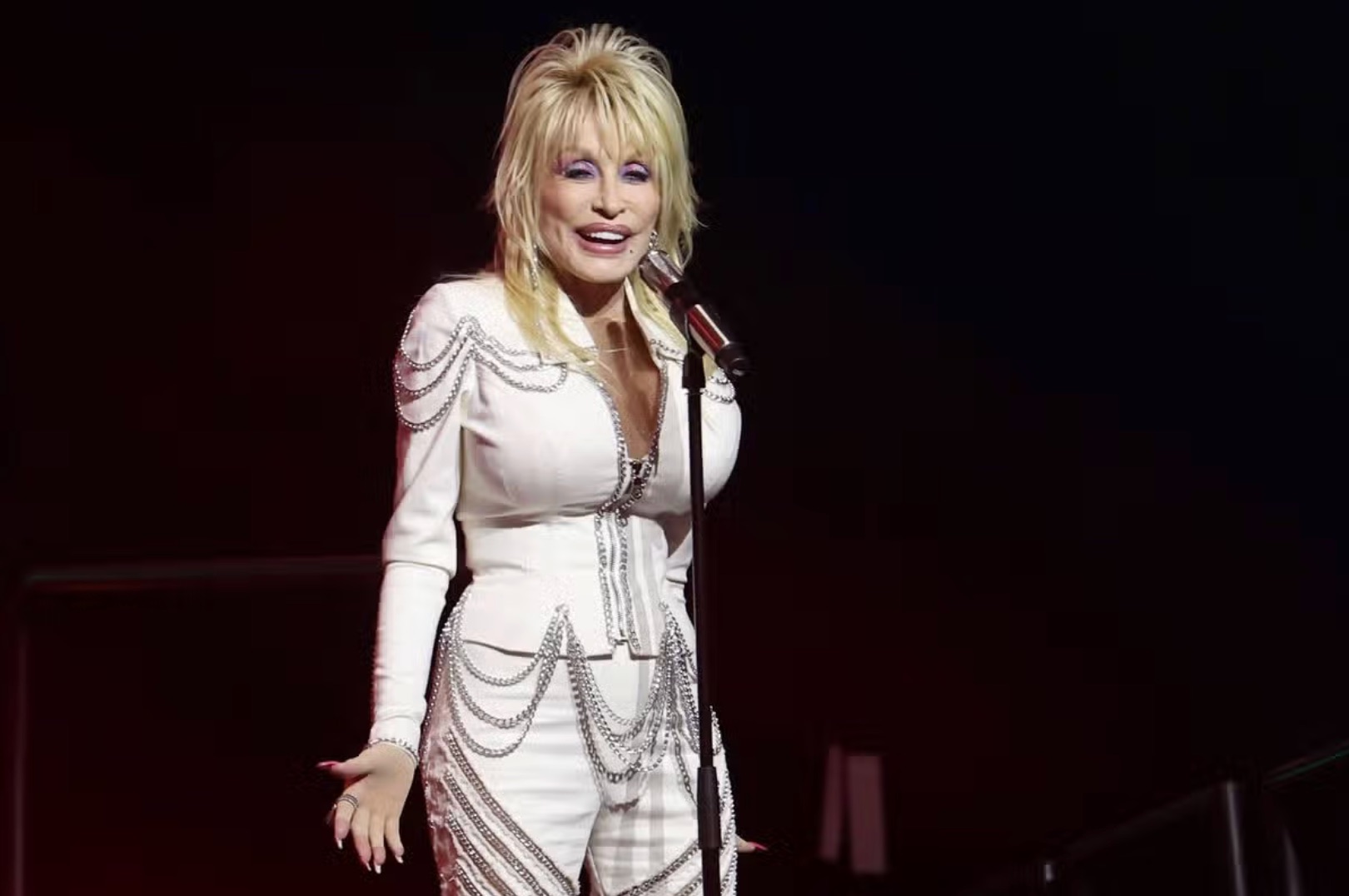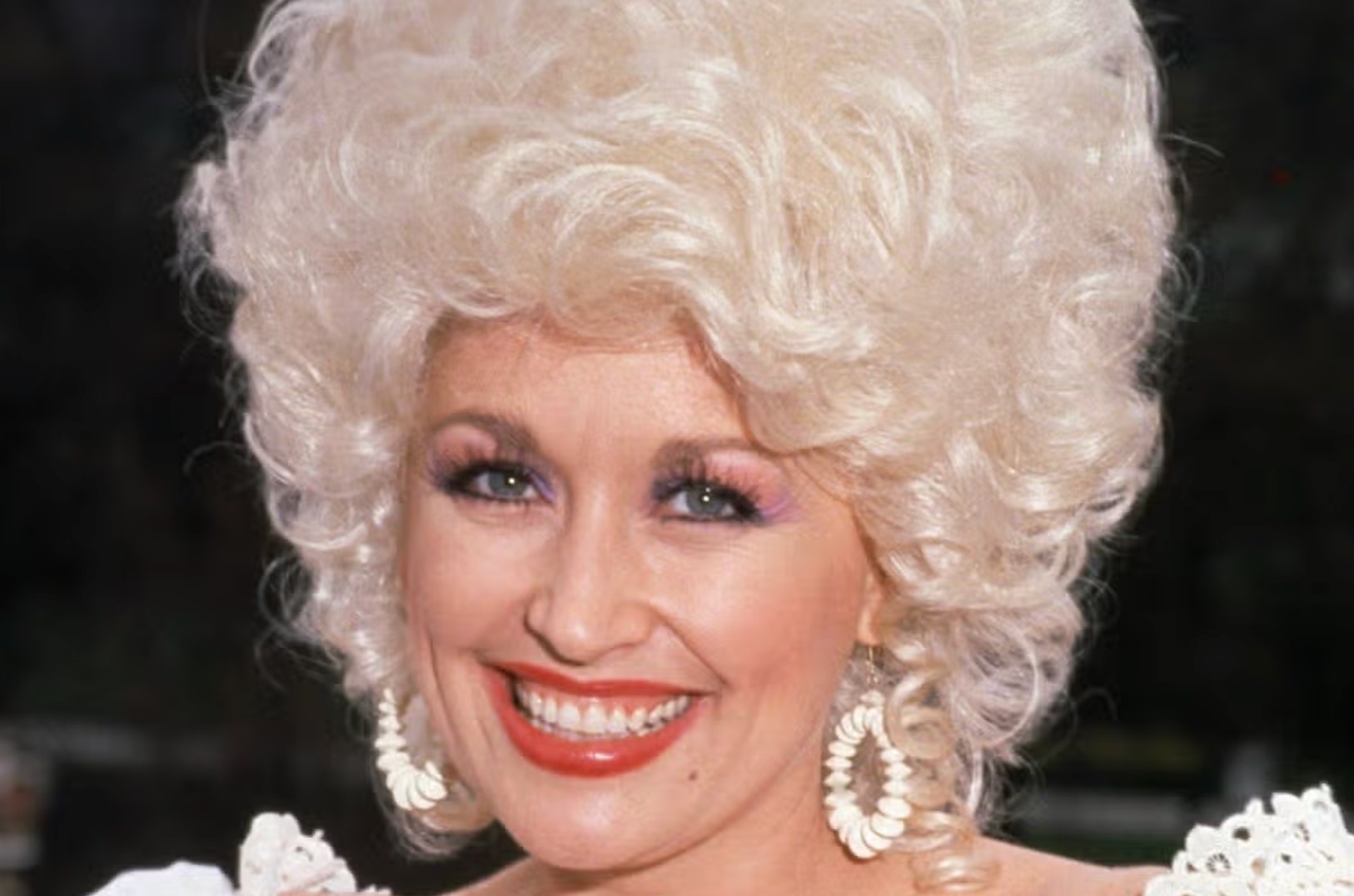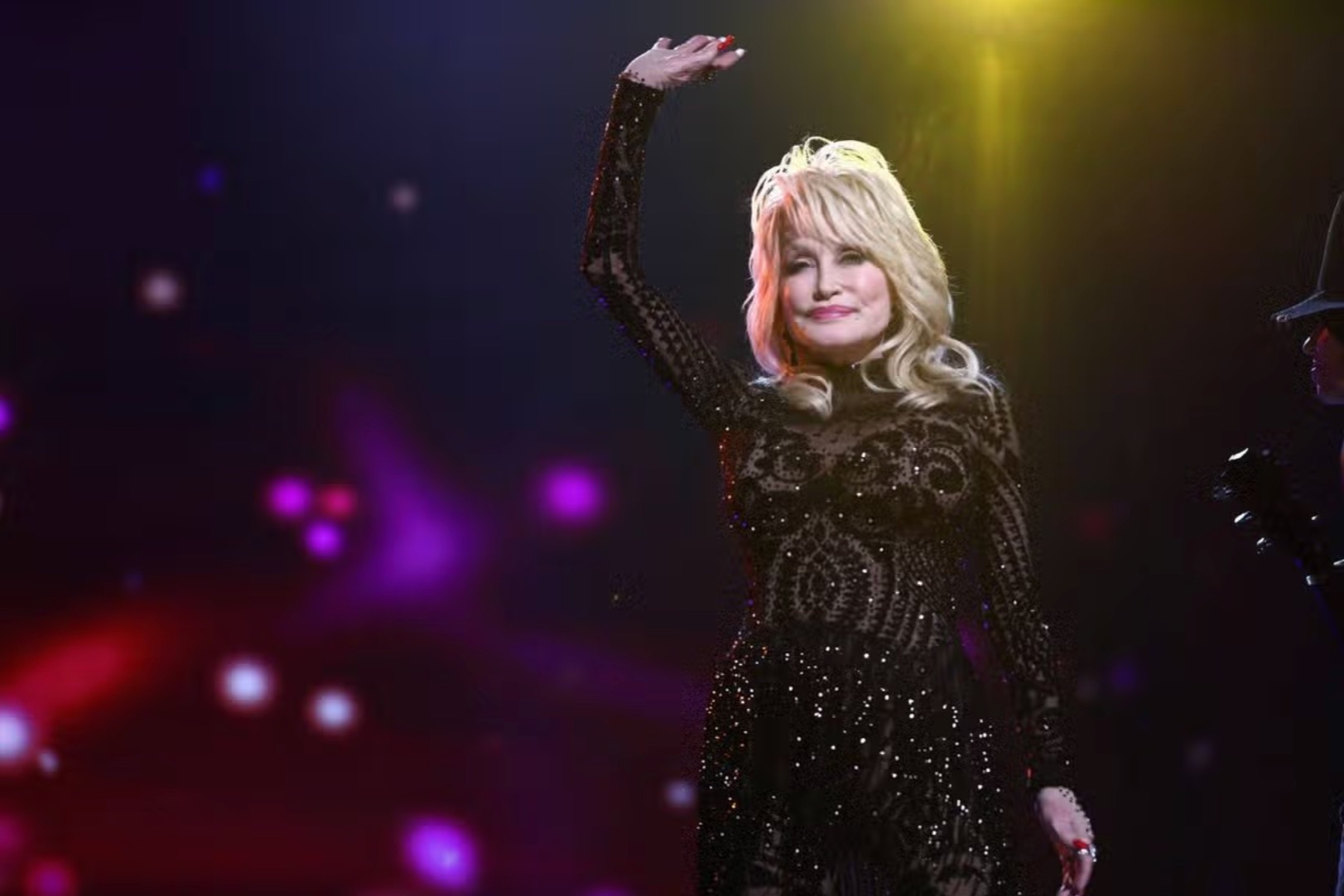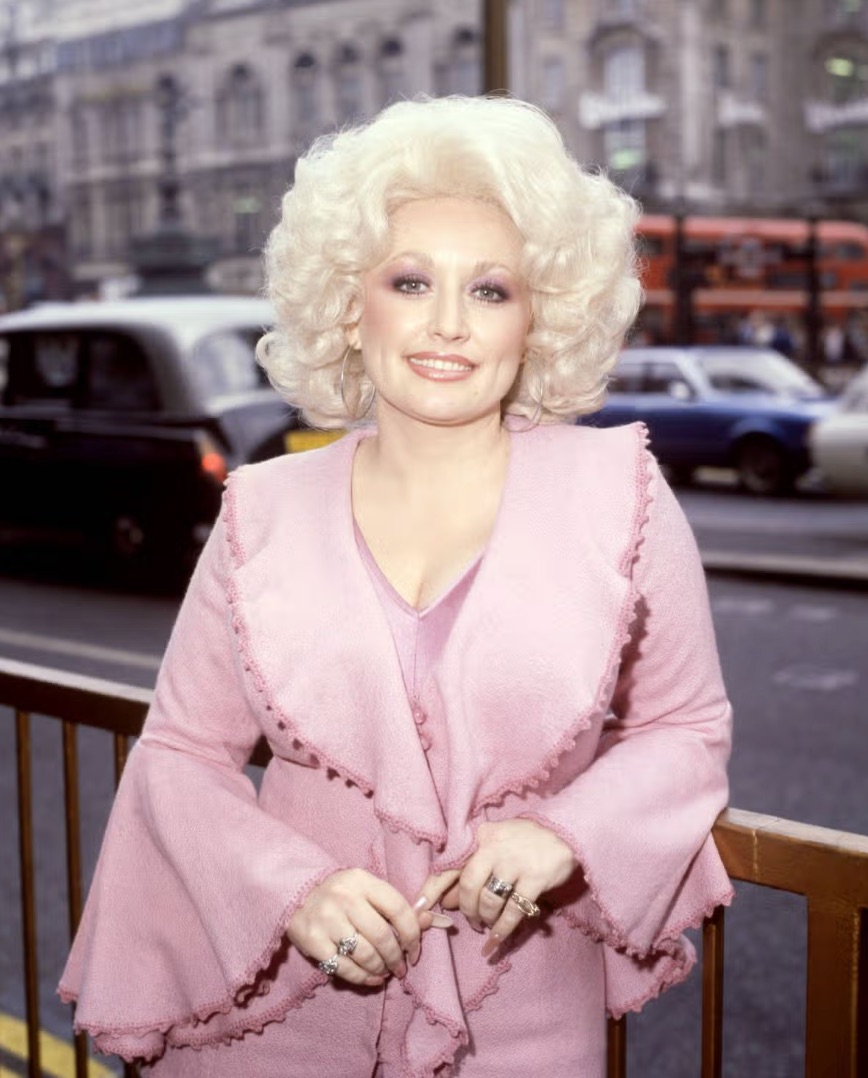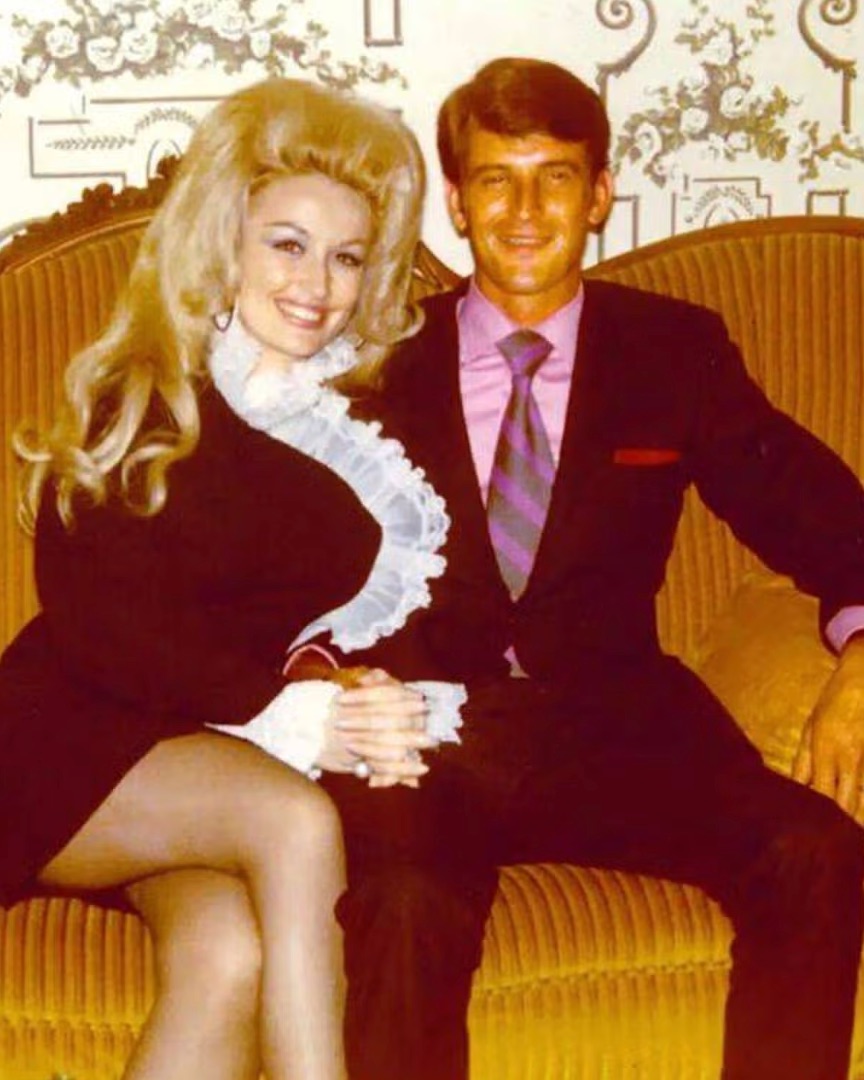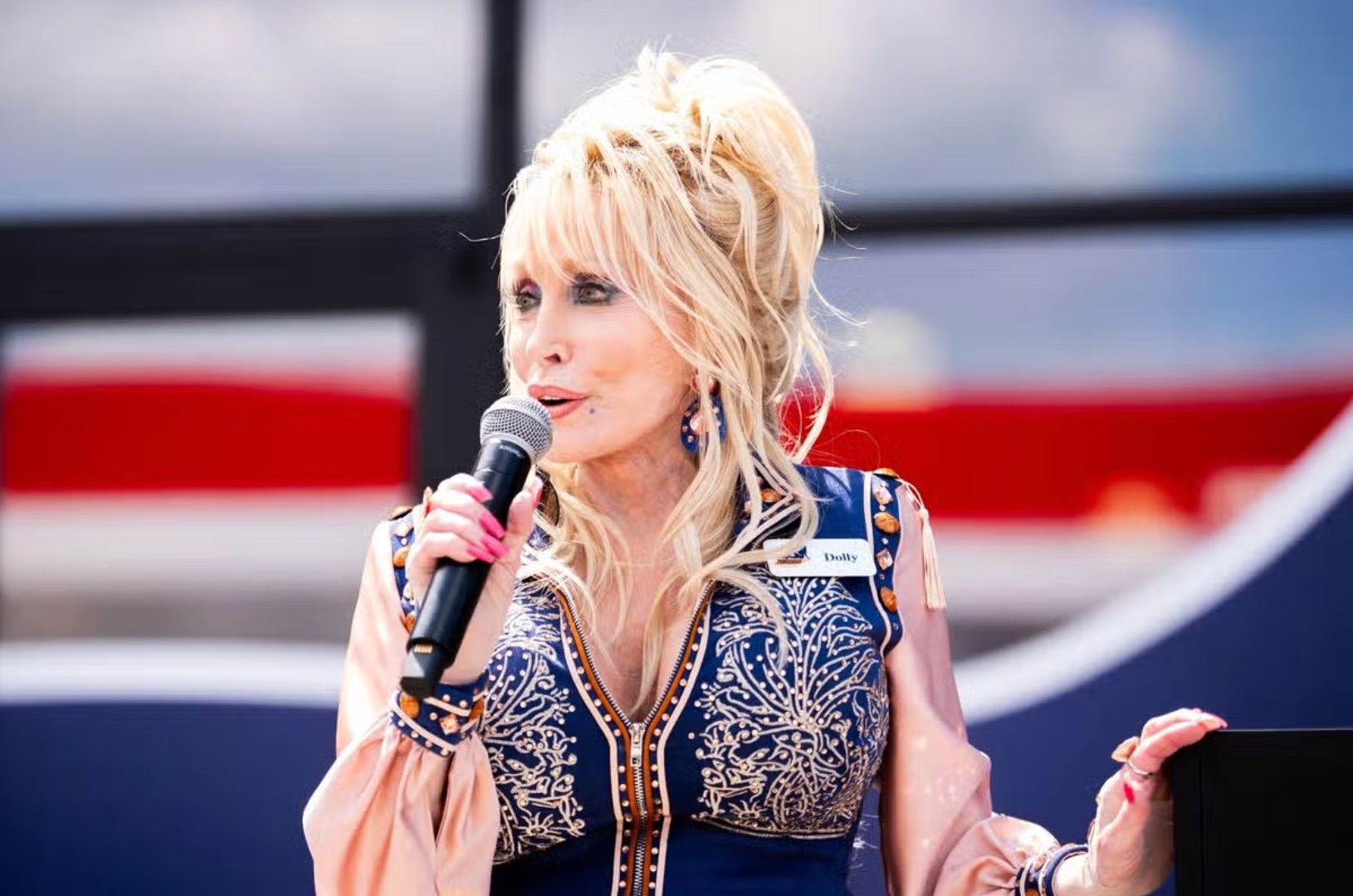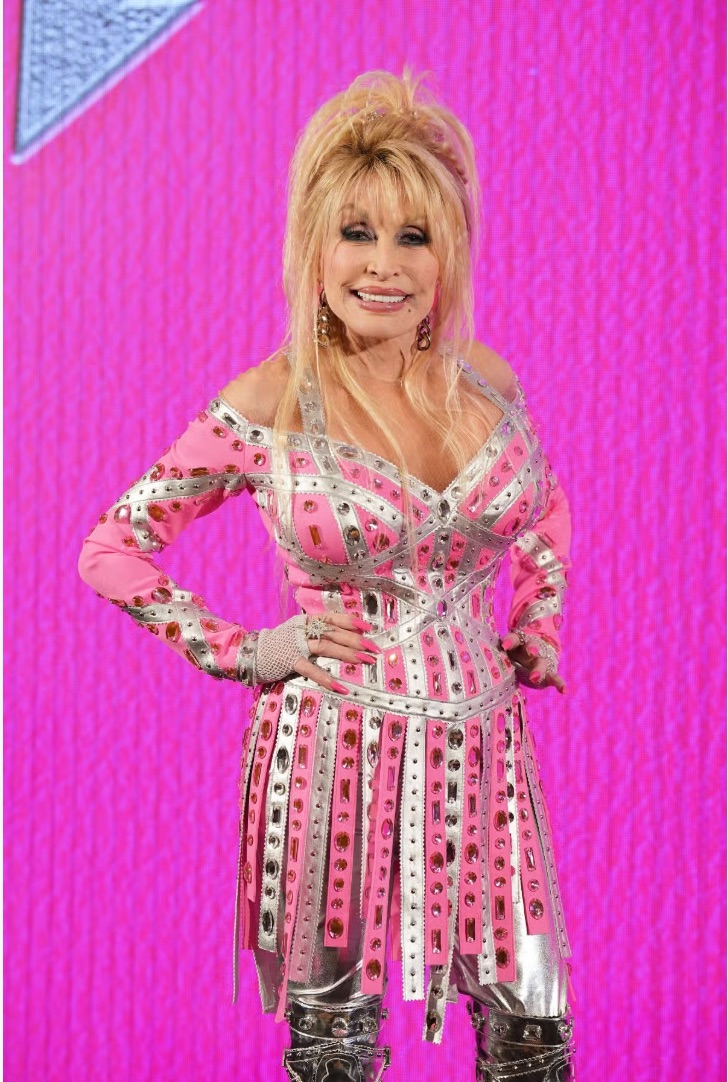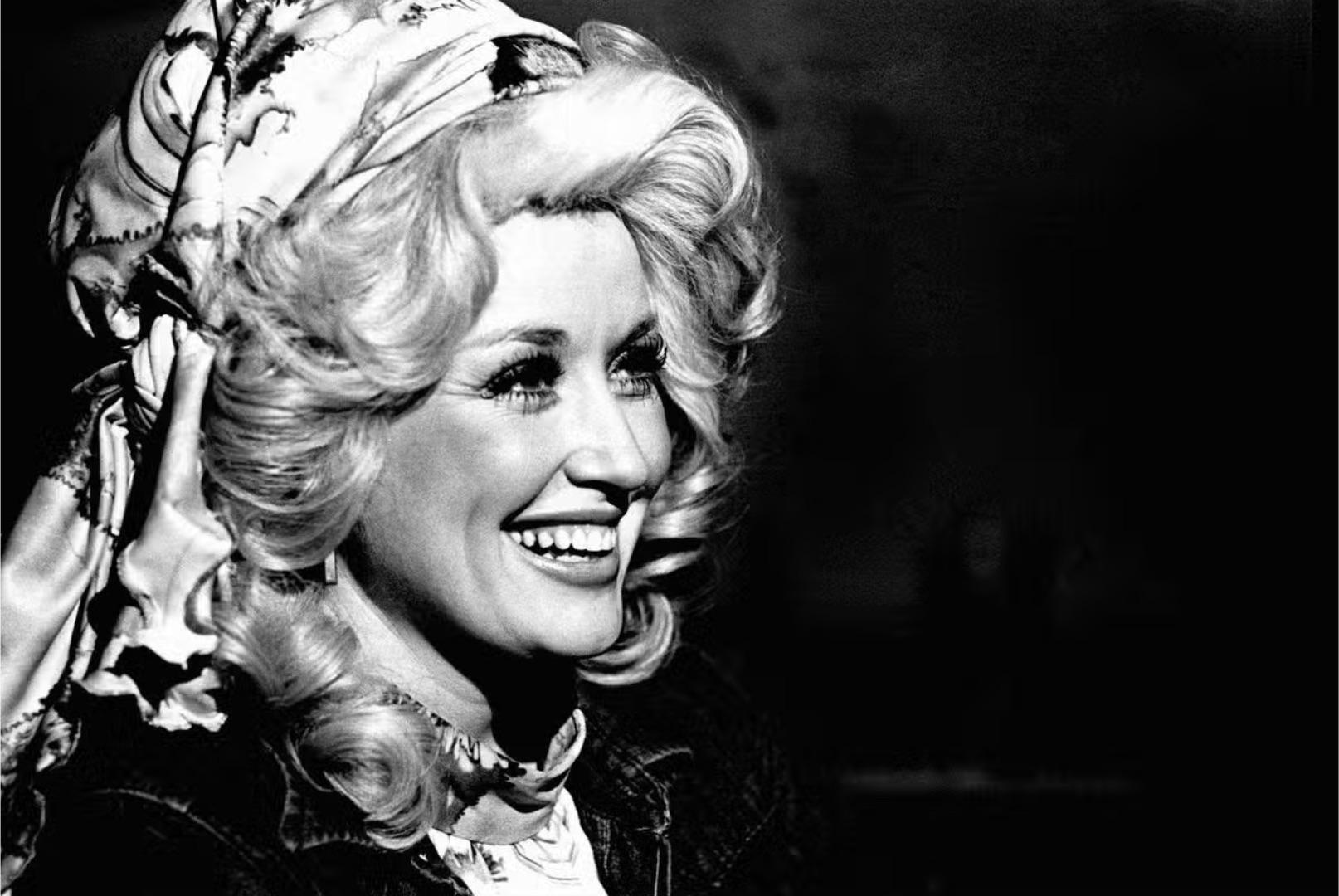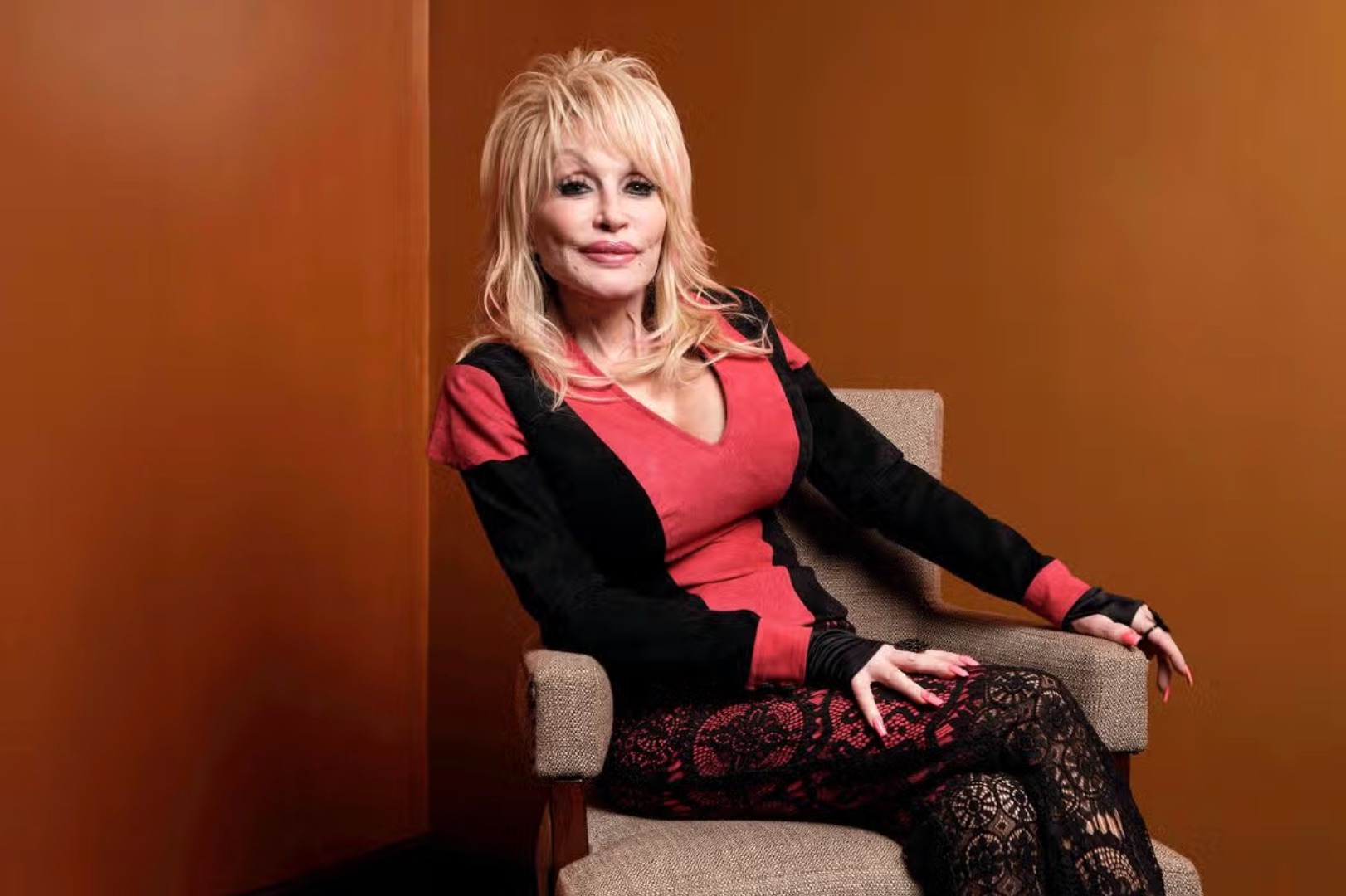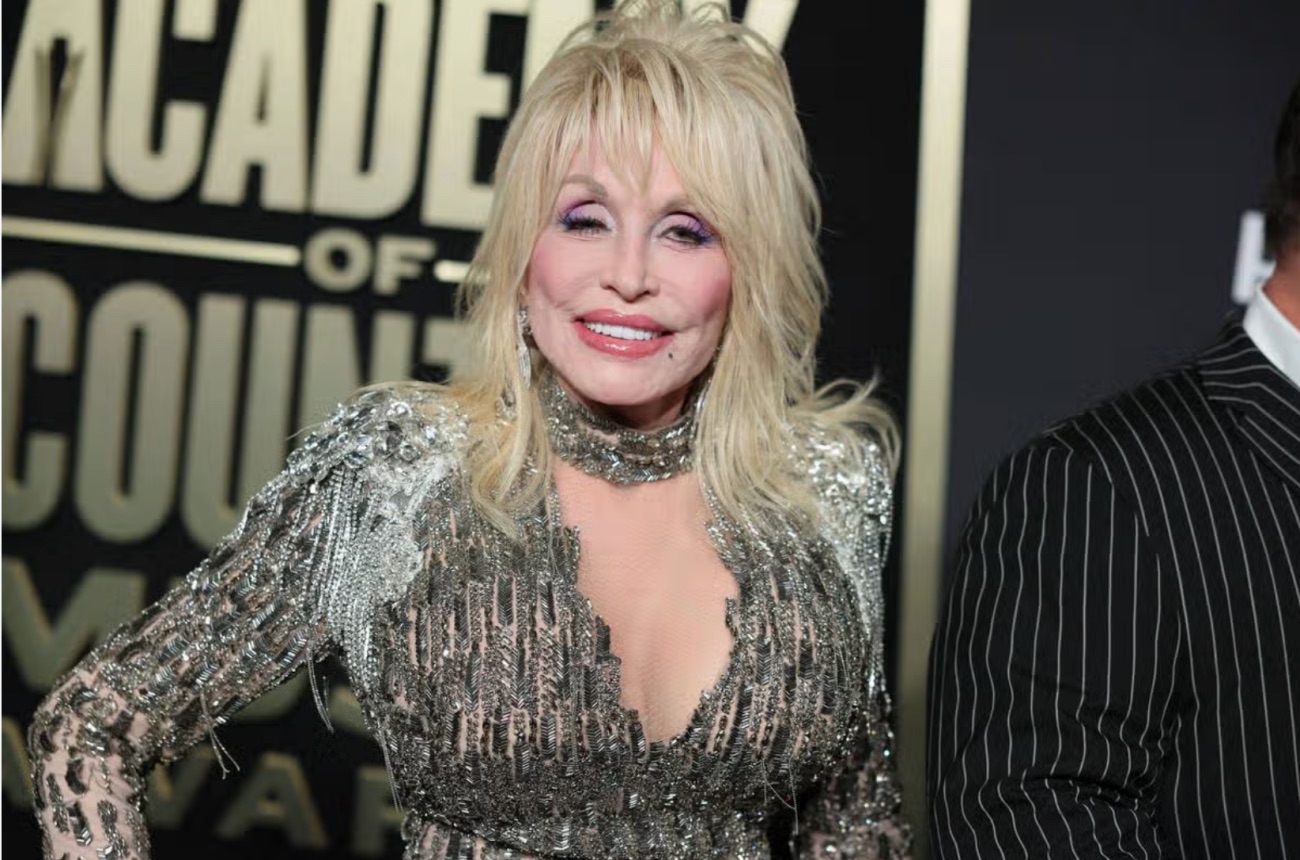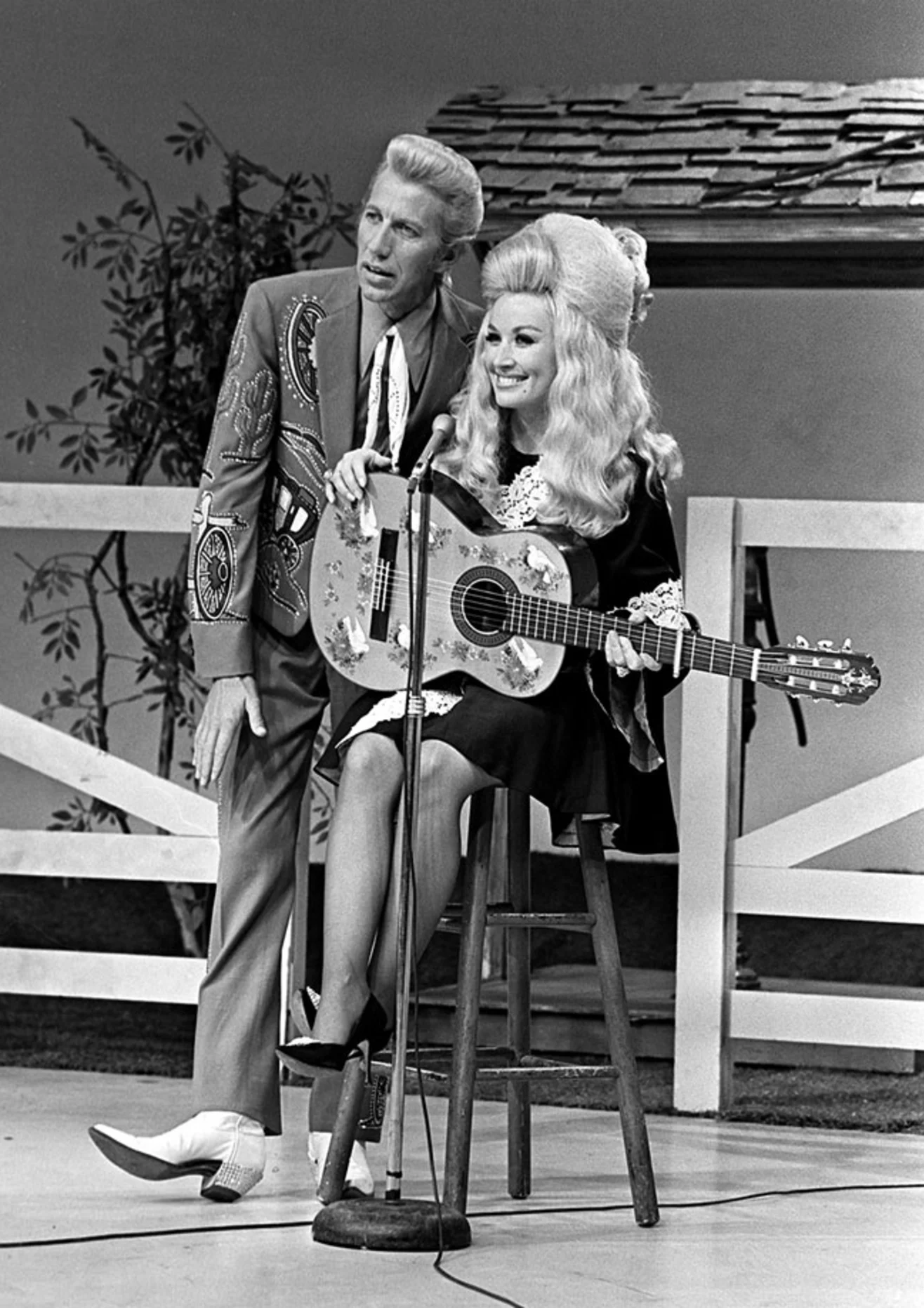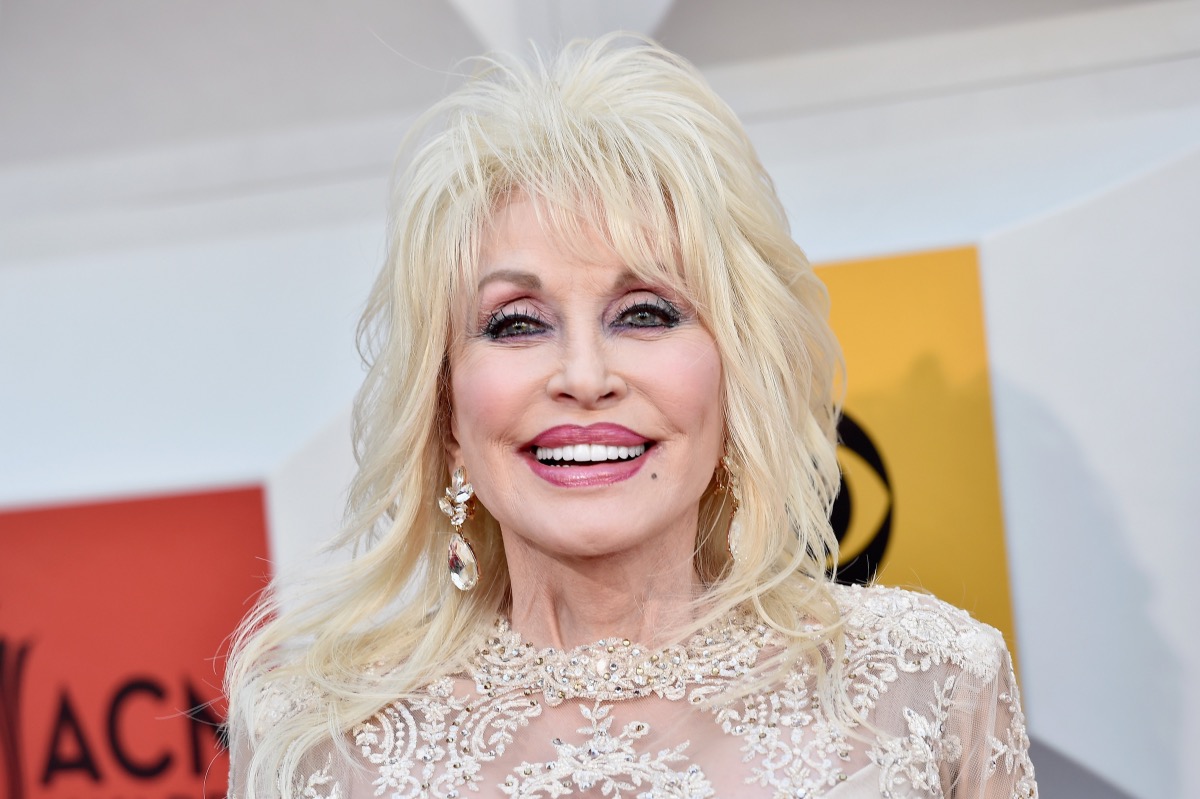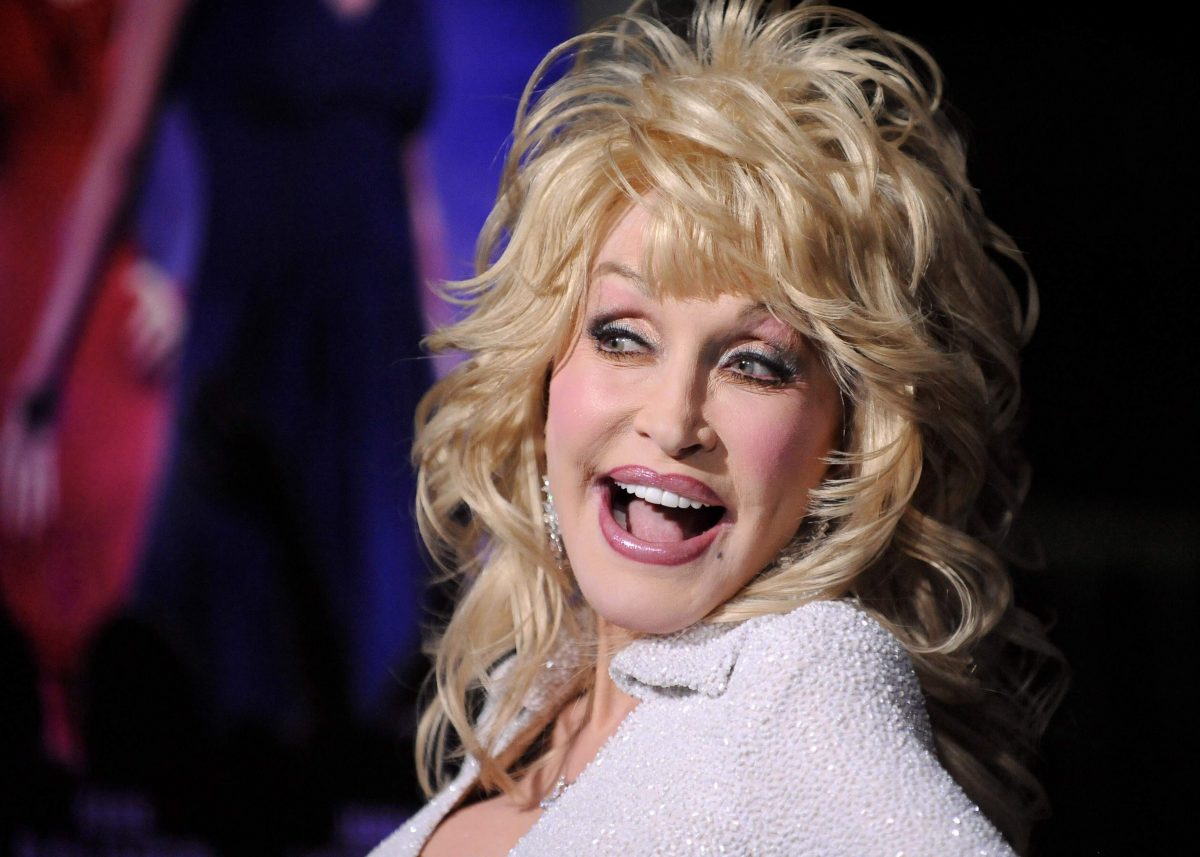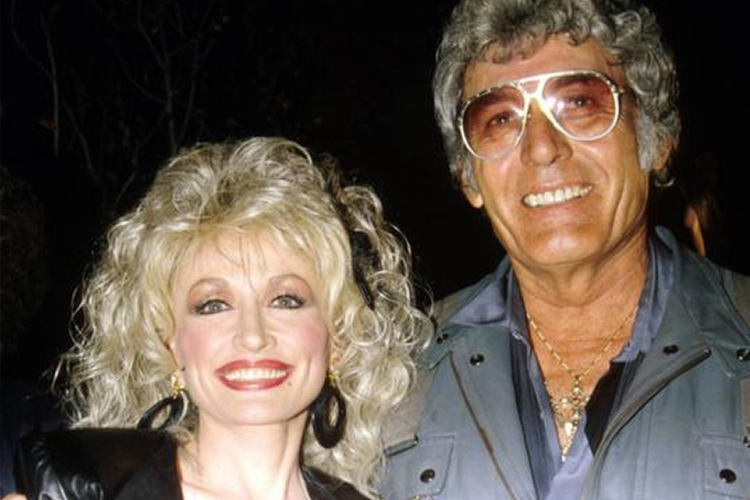


NASHVILLE, United States — Dolly Parton’s net worth was estimated at $450 million before her death in Nashville. Her fortune came from music ownership, a major theme park investment and businesses built around her public image.
Parton died on Tuesday, August 25, 2026, at the age of 80.
Although she was known primarily as a country music performer and songwriter, Forbes identified her investment in Dollywood as the principal source of her wealth.
The magazine’s $450 million figure was an estimate of her net worth before her death, rather than a publicly disclosed valuation of her estate.
RELATED: ‘She Was One of a Kind’: Global Tributes to Dolly Parton Cross Generations, Genres, and Politics

Dollywood Became the Foundation of Her Wealth
Parton held a 50 per cent interest in the Dollywood Company, which operates the theme park bearing her name in Pigeon Forge, Tennessee.
The entertainment complex grew into the most valuable part of her business holdings, according to Forbes.
It placed Parton’s wealth on a foundation that extended beyond record sales, concert earnings and acting fees.
Her investment in Dollywood also tied her commercial success to the region where she was raised and established a continuing source of revenue outside the music industry.
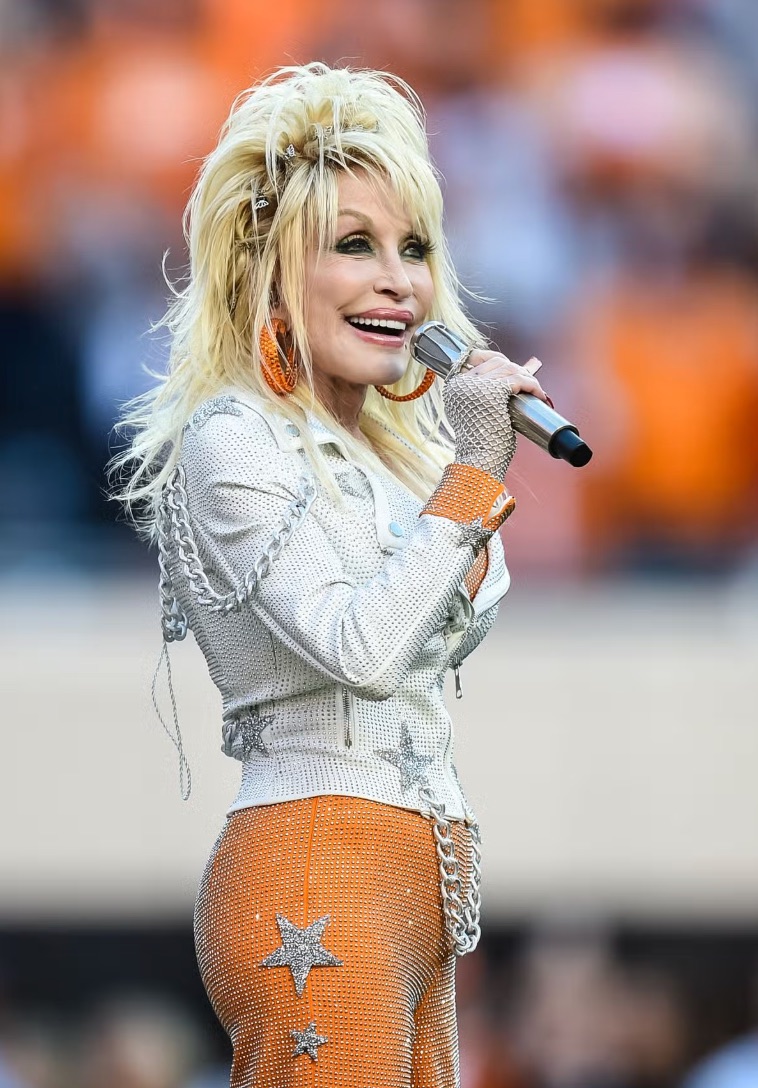
Ownership of More Than 3,000 Songs
Parton’s music catalogue was another substantial component of her fortune.
She retained ownership of more than 3,000 songs, including “Jolene,” “9 to 5” and “I Will Always Love You.” Published estimates placed the catalogue’s value at about $120 million.
Owning the rights allowed Parton to benefit when her compositions were recorded, performed or used commercially.
The catalogue continued to generate income from songs written and released across several decades.
Her ownership of “I Will Always Love You” became particularly valuable after other performers recorded the song, most notably Whitney Houston.

Acting, Merchandise, and Product Businesses
Parton also earned money from her film and television work, merchandise and consumer product ventures.
These businesses included Dolly Beauty, alongside other products carrying her name or image.
Although they were not identified as the main source of her wealth, they broadened the commercial portfolio surrounding her music and entertainment career.
Her earnings therefore came from several connected areas: songwriting, recording, screen appearances, tourism, merchandise and branded products.
The Uncertain Value of a Lifetime of Giving
Parton’s charitable work also affected how much wealth she retained.
The Standard reported an estimate of about $600 million in lifetime charitable contributions.
However, the publication did not provide a comprehensive, itemised accounting supporting that total.
The reported scale of her giving prompted claims that Parton might otherwise have become a billionaire.
Such a conclusion cannot be established from the available figures because the value of her donations, business assets and historical earnings has not been presented in a complete public financial record.
What can be documented is that Parton combined ownership of a valuable music catalogue with a major stake in Dollywood and income from several other commercial ventures.
Forbes placed the resulting fortune at approximately $450 million shortly before her death.