


NASHVILLE, United States — Dolly Parton, the country music songwriter whose work crossed into pop, film and American popular culture, died at her Nashville home on Tuesday. She was 80.
Parton died “peacefully” on Tuesday, August 25, 2026, according to a statement issued by her family and attributed to her nephew, Bryan Seaver.
The statement did not identify a cause of death.
A private service will be held for close family members.
Across more than half a century, Parton wrote more than 3,000 songs, released 49 albums and won 11 Grammy Awards.
Her best-known recordings included “Jolene”, “Coat of Many Colors”, “9 to 5”, “I Will Always Love You” and “Islands in the Stream”, her duet with Kenny Rogers.
Her music drew heavily from poverty, family, faith, work and romantic disappointment. Those subjects helped her build an audience that extended far beyond country music.

A Songwriter Who Protected Her Work
Parton regarded songwriting as the centre of her career.
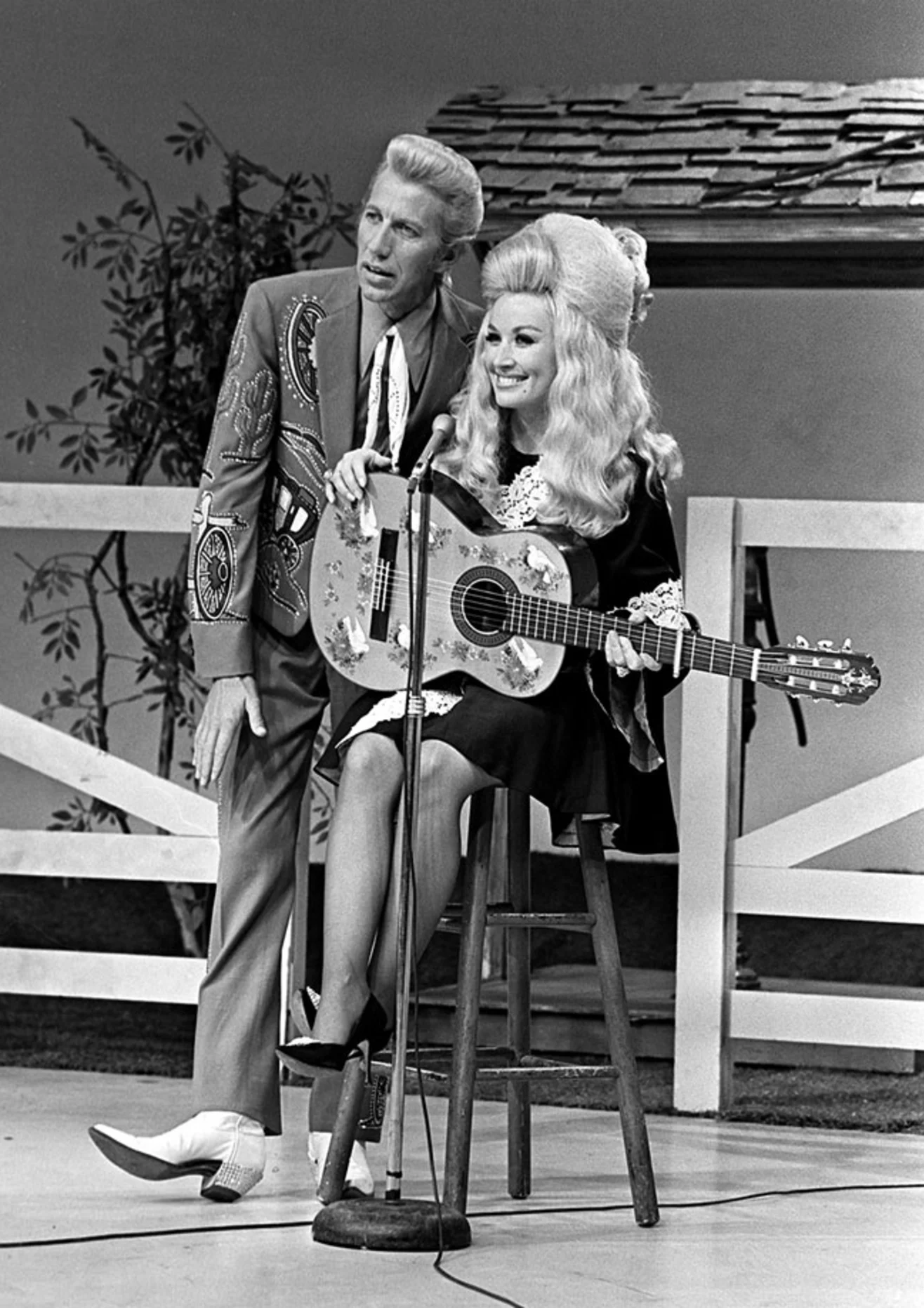
“I Will Always Love You”, later transformed into an international hit by Whitney Houston, began as Parton’s musical farewell to Porter Wagoner, her longtime performing partner.
Parton had decided to leave “The Porter Wagoner Show” and pursue a solo career, but said Wagoner initially refused to accept her decision.
“So I went home and wrote that song, took it back the next morning, and said, ‘Sit down, I need you to hear something,’” Parton later recalled. “So I sang it, and he was crying.”
The song allowed her to communicate the pain of separation while beginning one of the most successful solo careers in American music.
Parton had established a publishing company with her uncle and occasional collaborator, Bill Owens, when she was 20.
Retaining control of her songs gave her a degree of commercial independence unusual for artists, particularly women, at the time.
In 1974, she rejected an opportunity for Elvis Presley to record “I Will Always Love You” after his manager, Colonel Tom Parker, sought a share of its publishing rights.
“This is my publishing company, and obviously this is going to be one of my most important copyrights, and I can’t give you half the publishing,” Parton recalled telling them.
Her decision proved consequential. Houston’s recording for the 1992 film “The Bodyguard” generated an estimated $10 million in royalties for Parton during the 1990s.
From Rural Tennessee to Nashville
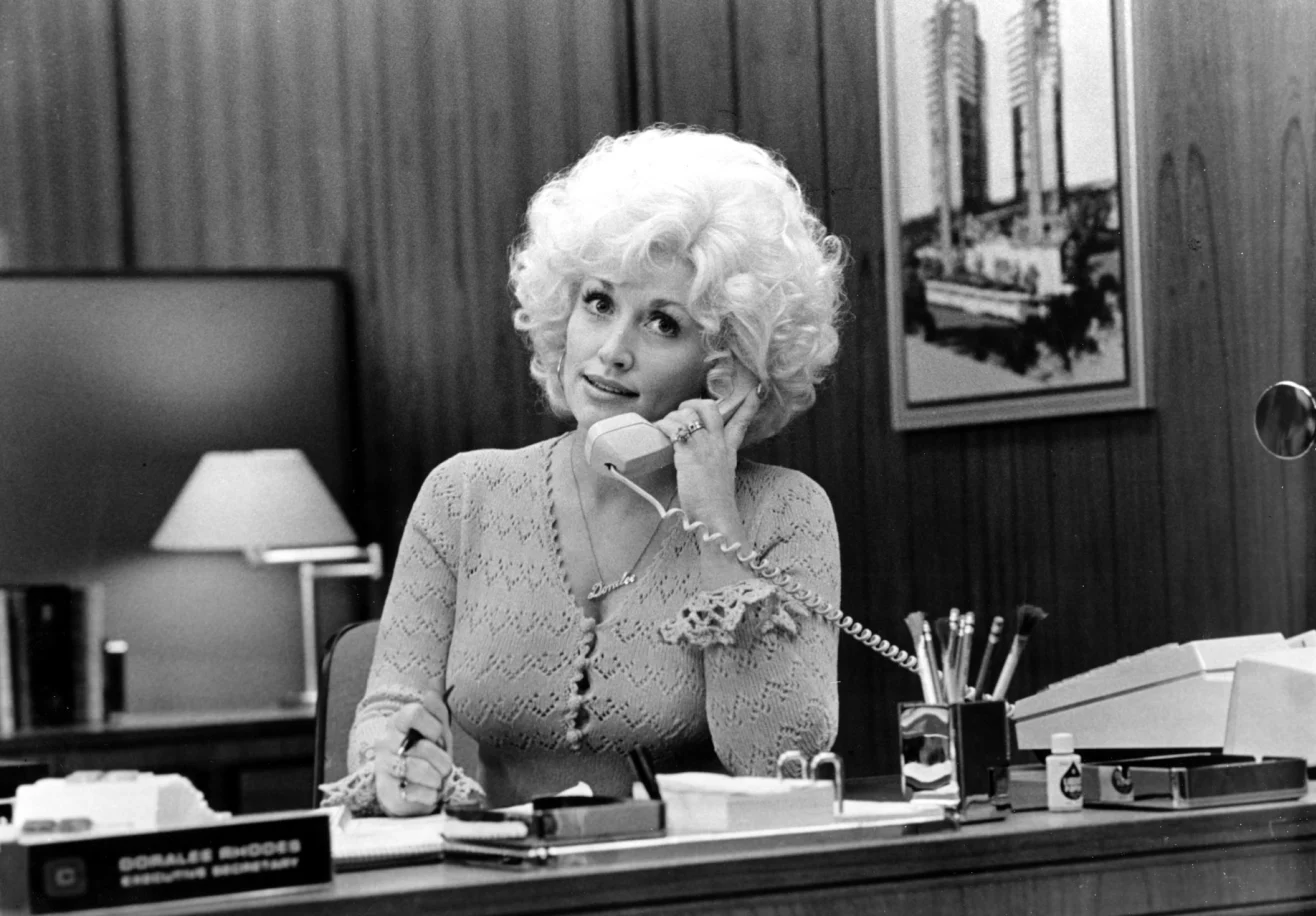
Dolly Rebecca Parton was born on January 19, 1946, in a one-room cabin in Tennessee. She was the fourth of 12 children in a family she described as “dirt poor”.
Music surrounded her from childhood. Her maternal grandfather was a preacher who played the piano and guitar, while her mother sang songs associated with local weddings, funerals and other gatherings.
An uncle gave Parton her first guitar. She learnt to play at seven and began composing songs inspired by conversations and stories she heard around her.
Her father could not read, an experience that later influenced one of her largest philanthropic undertakings.
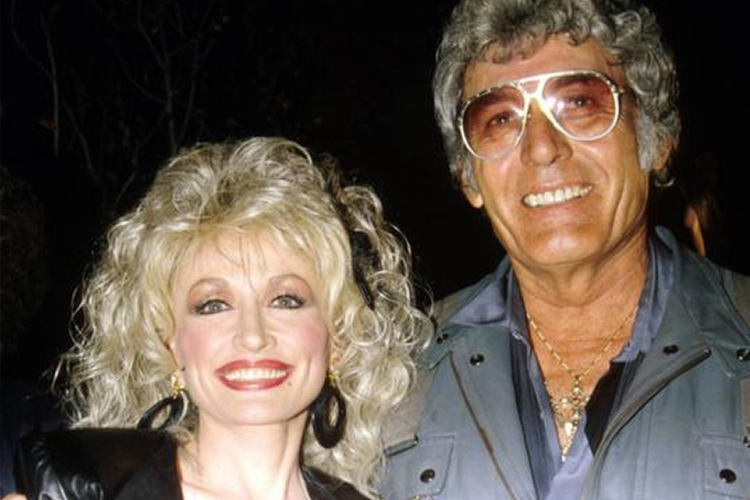
Parton moved to Nashville after completing high school. On her first day in the city, she met Carl Thomas Dean outside a laundrette.
They married in 1966, one year after she signed her first recording contract with Monument Records.
Her national breakthrough came in 1967, when she began making regular appearances on “The Porter Wagoner Show”.
The televised variety programme made her familiar to country music audiences across the United States.
“Joshua” became her first No. 1 country hit in 1971. “Coat of Many Colors”, released that year, reached No. 4 and became one of the recordings most closely associated with her childhood.
By 1974, Parton had decided to leave Wagoner’s programme and establish herself independently.
Success Beyond Country Music
Parton expanded into pop music without abandoning her country foundations.
Her distinctive voice, songwriting and public persona made her one of the most commercially successful crossover performers of her generation.
She also built a film career.
Her feature debut came in the 1980 comedy “9 to 5”, in which she appeared with Jane Fonda and Lily Tomlin as office workers confronting a sexist employer.
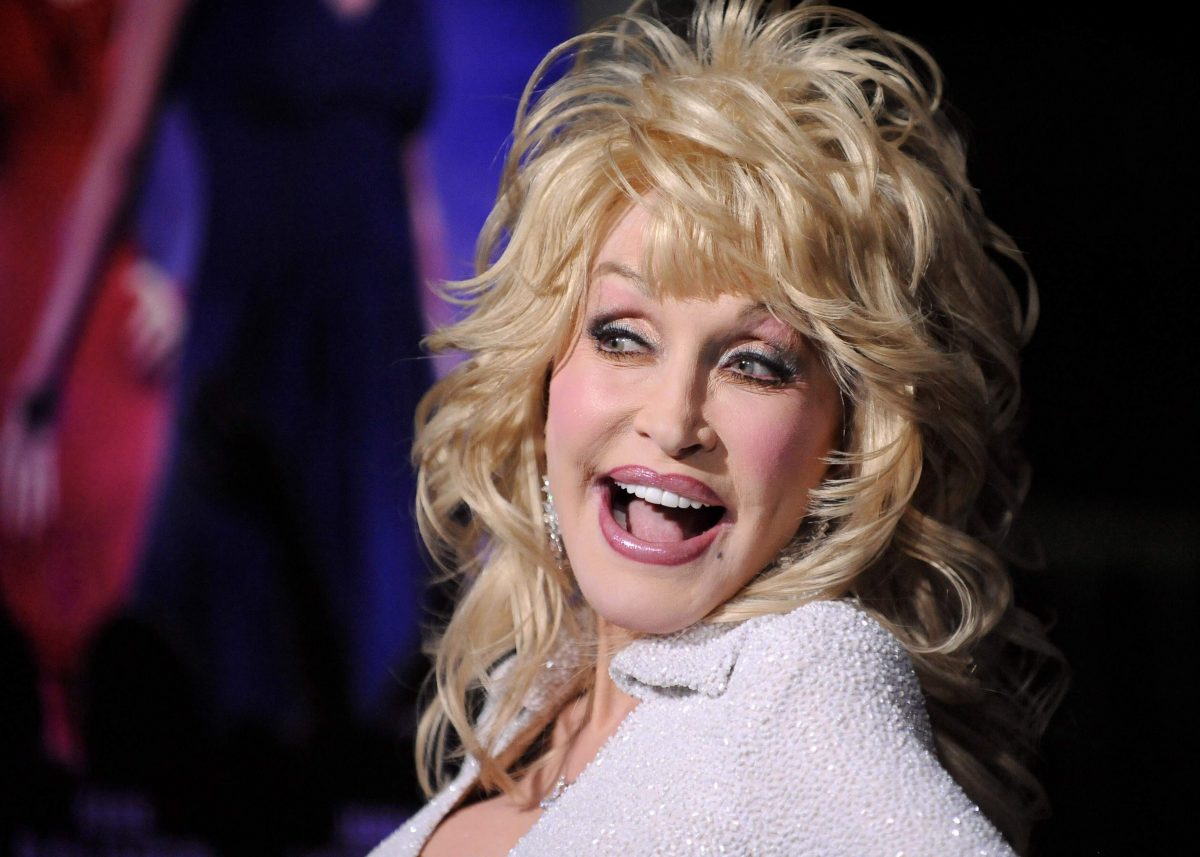
Parton agreed to join the production on the condition that she could write and perform its theme song.
She devised the song’s typewriter-like rhythm by tapping her acrylic fingernails together.
“9 to 5” became a hit and brought Parton her first Academy Award nomination for best original song.
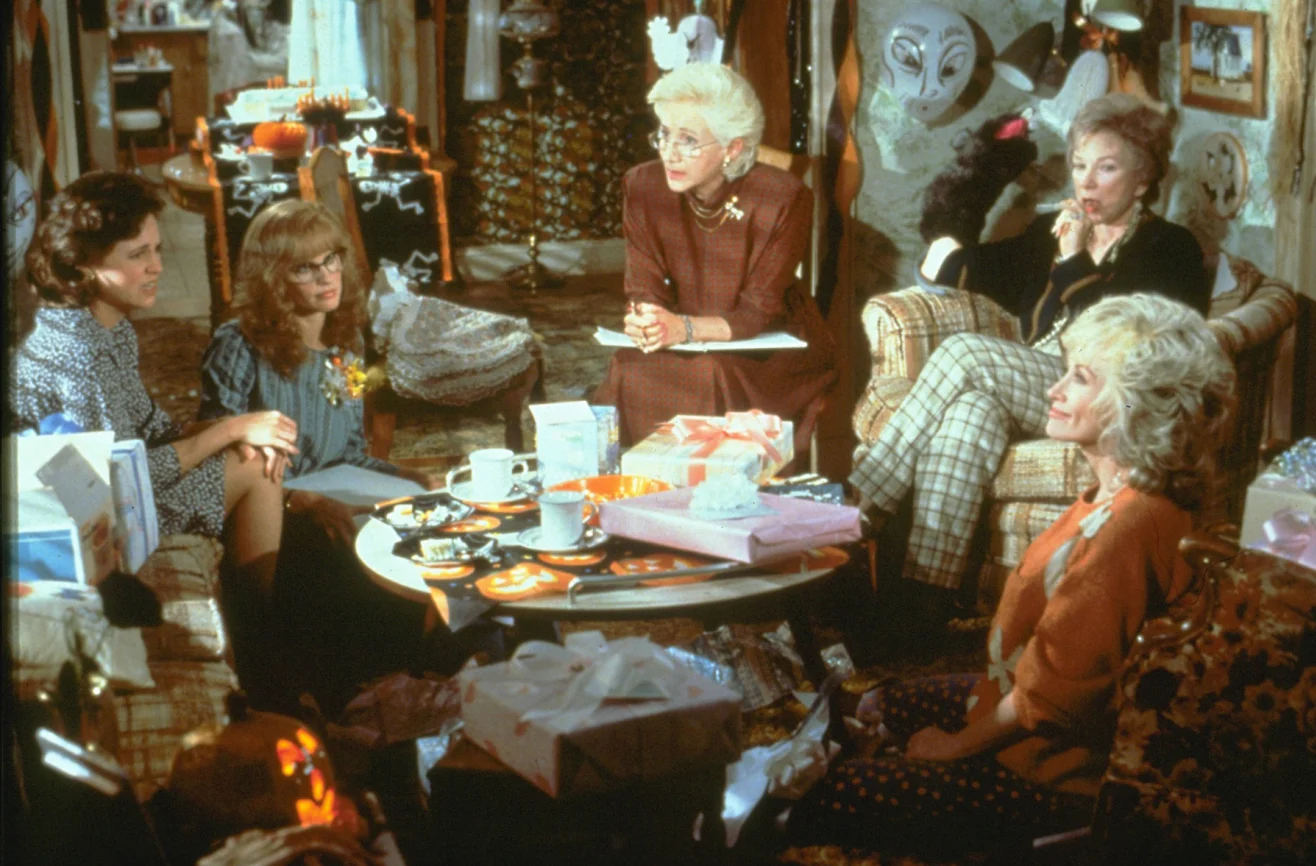
She later appeared opposite Burt Reynolds in “The Best Little Whorehouse in Texas” in 1982. In 1989, she joined Sally Field, Julia Roberts, Shirley MacLaine, Olympia Dukakis and Daryl Hannah in “Steel Magnolias”.
Parton received a second Oscar nomination for “Travelin’ Thru”, written for the 2005 film “Transamerica”, about a transgender woman seeking to repair her relationship with her family.
Although Parton generally avoided partisan politics, she spoke publicly about treating people with dignity.
“I do not believe that we should criticize and judge other people, I think we should be accepting and loving,” she told Larry King in 2016. “We are all God’s children.”

A Business and Cultural Legacy
Parton extended her name and creative work into publishing, consumer products and tourism.
In 1986, she acquired an interest in a theme park in Pigeon Forge, Tennessee, and renamed it Dollywood.
The attraction became Sevier County’s largest employer and drew visitors from around the world.
A 2021 economic study credited the park with supporting more than 23,000 jobs and generating approximately $1.8 billion annually for the region.
Parton also wrote several books. They included the memoirs “Dolly: My Life and Other Unfinished Business”, “Behind the Seams: My Life in Rhinestones” and “Star of the Show: My Life on Stage”.
She collaborated with James Patterson on the novel “Run Rose Run” and wrote children’s books including “I Am a Rainbow”, “Coat of Many Colors” and the “Billy the Kid” series.
Parton entered the Country Music Hall of Fame in 1999 and received the Recording Academy’s Lifetime Achievement Award in 2011.
She initially resisted her nomination to the Rock and Roll Hall of Fame, saying she did not consider herself a rock musician.
After her induction, she recorded “Rockstar”, an album featuring collaborations with musicians including Paul McCartney and Ringo Starr.

Millions of Books for Children
Parton’s charitable work became another substantial part of her public legacy.
She established the Dollywood Foundation in 1988, initially focusing on reducing the high school dropout rate in her home county.
Its programmes included an offer by Parton to give $500 to every seventh and eighth-grade student who completed high school.
She later created the Imagination Library in tribute to her father. The programme sends books to young children and has distributed more than 300 million copies internationally.
“He was the smartest man I have ever known but I know in my heart his inability to read probably kept him from fulfilling all of his dreams,” Parton said of her father.
Her foundation also supported families affected by natural disasters in Tennessee and nearby areas.
Parton financed scholarships and other educational programmes and contributed $1 million to coronavirus research at Vanderbilt University during the Covid-19 pandemic.
Her donation helped support work connected to the development of the Moderna vaccine.
“I felt so proud to have been part of that little seed money that hopefully will grow into something great and help to heal this world,” she said.
A Private Marriage
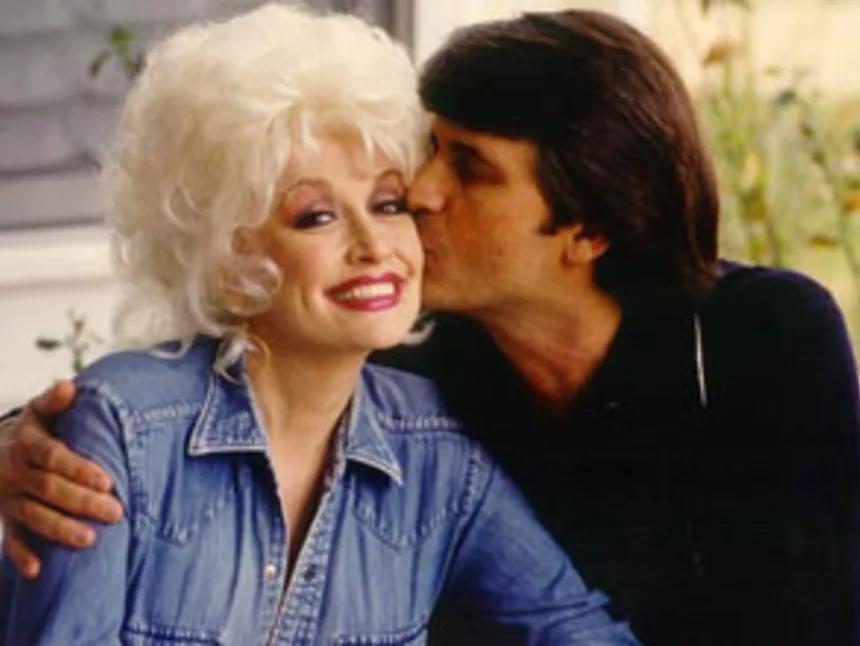
Parton remained married to Dean for 59 years while keeping much of their relationship outside public view.
Dean generally avoided celebrity events and appearances, but Parton described him as a steady supporter who was neither competitive with nor jealous of her success.
He partly inspired “Jolene”, which Parton said she wrote after a bank employee displayed an interest in him.
Dean died in March 2025 at 82. Parton later released “If You Hadn’t Been There”, a song honouring their marriage.
She experienced health problems in the months following his death. Parton said caring for Dean during his illness and grieving afterwards caused her to neglect her own health.
In a video to her fans in 2026, she said: “I’m not ready to die yet.”
“I don’t think God is through with me and I ain’t done workin’,” she added.