
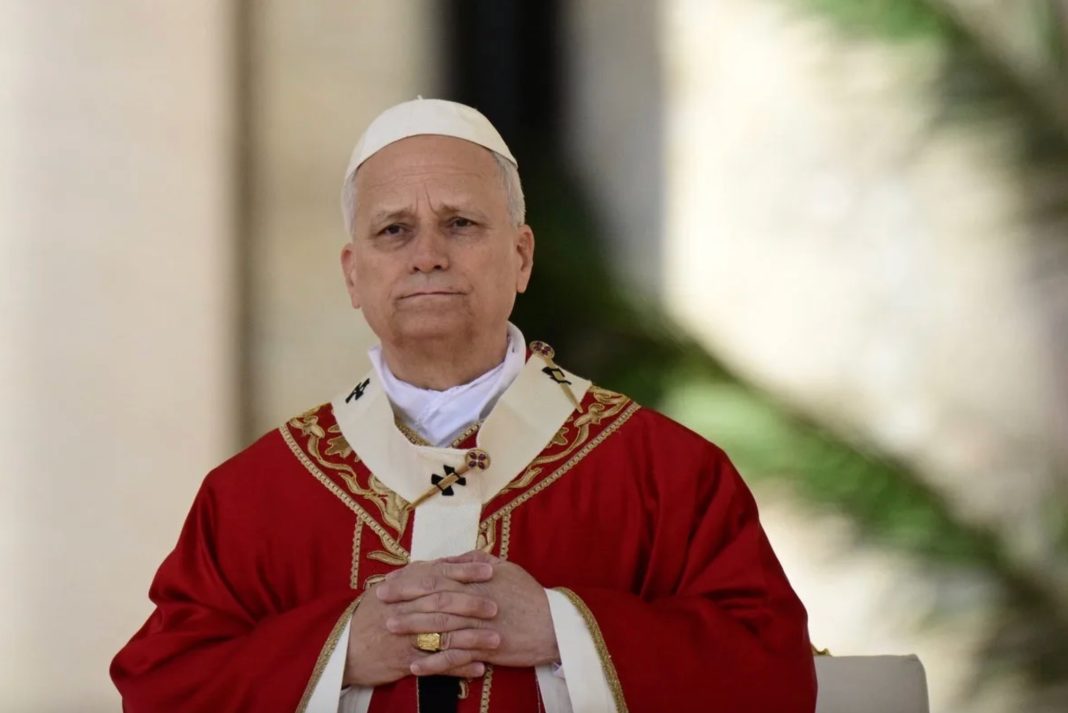

VATICAN CITY, Vatican City — Pope Leo XIV will be admitted to a Rome hospital on Tuesday for surgery to remove a small growth from his lung, the Vatican has announced.
The 71-year-old pontiff said the nodule was discovered during a routine medical examination and was detected early, prompting doctors to recommend its removal.
This development marks the first publicly disclosed medical problem of his 17-month papacy.
The Vatican has not disclosed whether the growth is benign or cancerous, and no diagnosis of cancer has been announced.
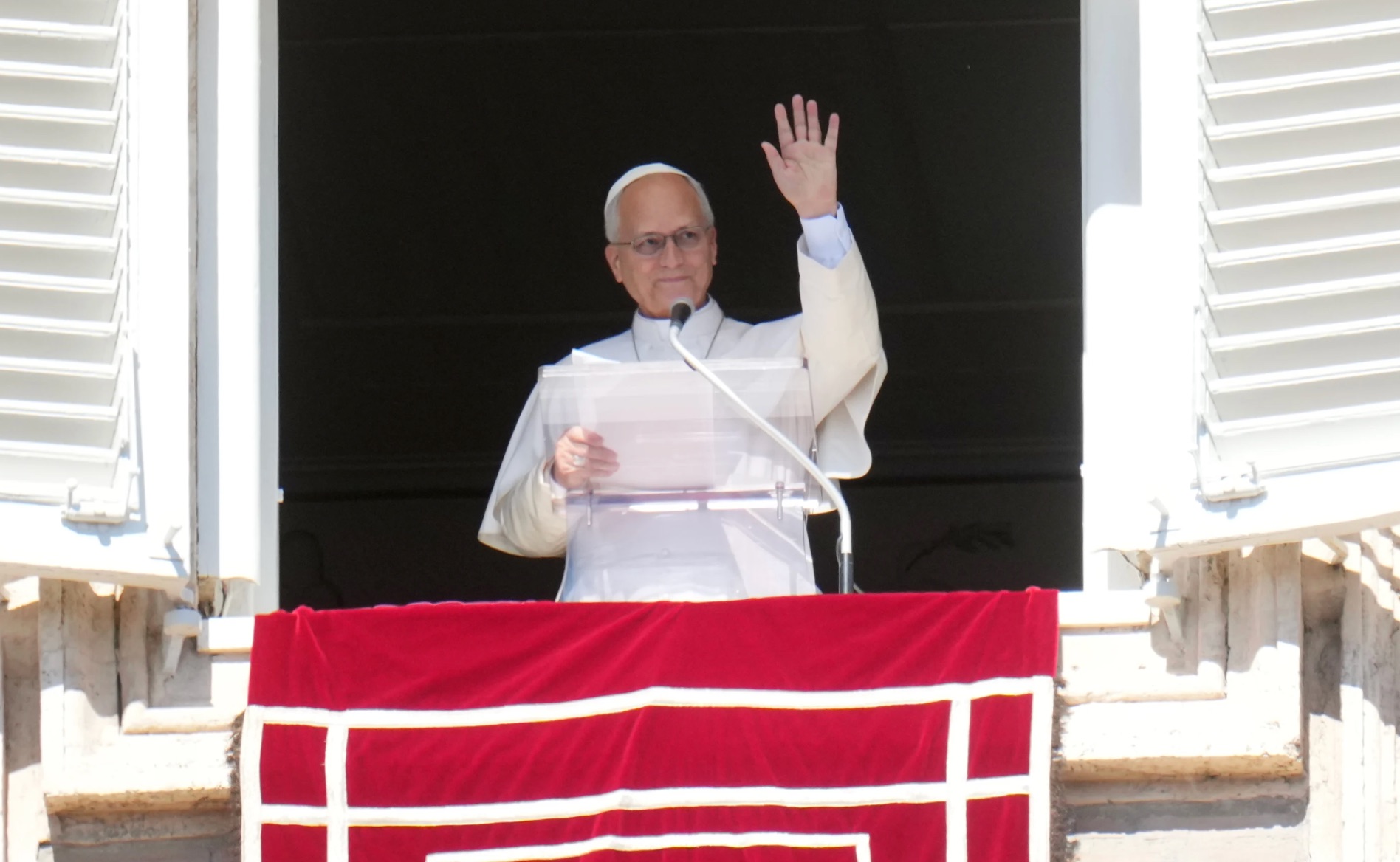
Leo made the disclosure during his Sunday Angelus address to pilgrims gathered in St Peter’s Square on October 11, 2026.
“It was detected at a very early stage and is well-localized,” the pope said, according to Vatican News.
“The doctors believe that it is best to intervene, so, following their advice, I have decided to undergo surgery to remove it.”
He thanked worshippers for their support and asked them to remember him in their prayers.
Pope to Spend About a Week in Hospital
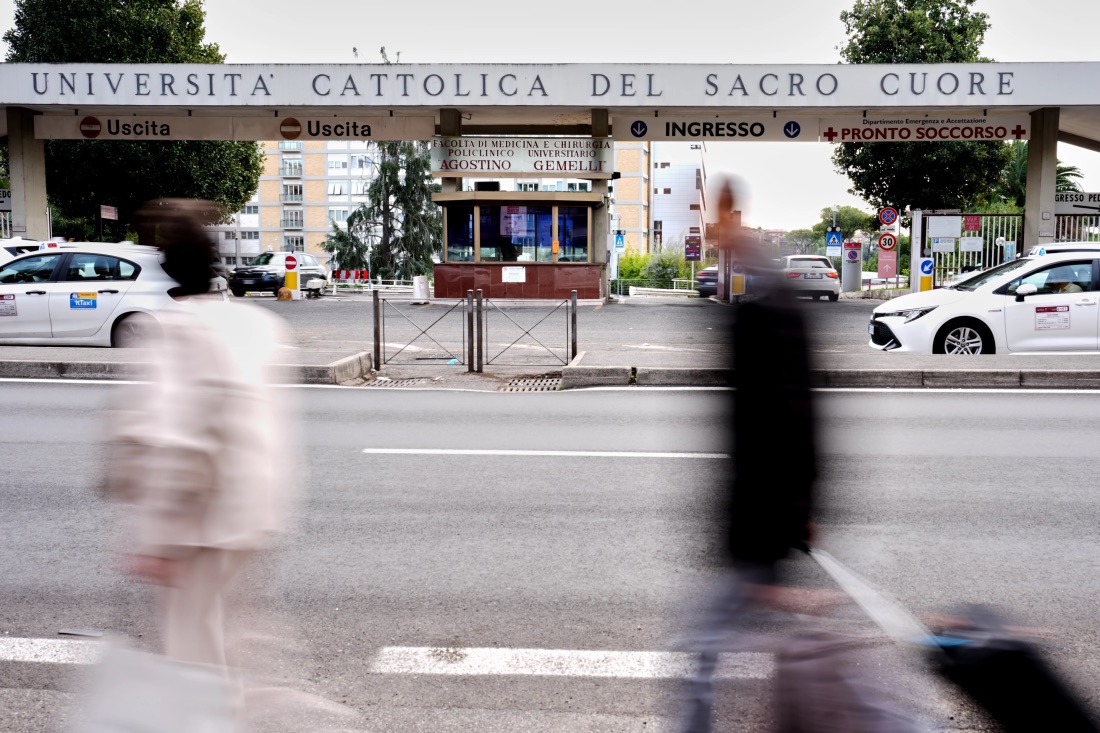
The Vatican said Leo would be admitted to Rome’s Agostino Gemelli Polyclinic Hospital late on Tuesday morning.
Although officials have not specified the exact time of the operation, Vatican spokesman Matteo Bruni said the procedure would take place during the first days of the week.
The pope is expected to spend approximately seven days in hospital recovering.
The Vatican has cancelled his public audiences and engagements through October 20.
Despite the approaching surgery, Leo maintained his regular schedule on Monday, receiving visiting bishops and meeting representatives of religious and charitable organisations.
According to Reuters, the pontiff held seven previously scheduled meetings on Monday morning.
He was described as speaking clearly and showing no visible indication of illness.
The Vatican said the medical examination that identified the nodule had been routine rather than prompted by symptoms.
What Doctors Know About Lung Nodules
A lung nodule is a small, abnormal area of tissue that may appear during imaging examinations, including computed tomography scans.
According to the American Cancer Society, pulmonary nodules generally measure less than three centimetres across.
They can develop for several reasons, including previous infections, inflammation, and abnormal tissue growth.
Most are benign, although some can be associated with lung cancer.
Doctors assess characteristics such as a nodule’s size, shape, location, and appearance to determine whether further examination or treatment is necessary.
The Vatican has not disclosed the precise size of Leo’s nodule, its location within the lung, or the diagnostic findings that led doctors to recommend surgery.
Dr Stephen Liu, a lung cancer specialist at Georgetown University’s Lombardi Comprehensive Cancer Center, told the Associated Press that the outlook for patients whose cancerous nodules are discovered and removed at an early stage can be excellent.
However, the specialist was speaking about lung nodules generally and was not involved in treating the pope.
Dr Federico Venuto, chief of thoracic surgery at Rome’s Policlinico Umberto I hospital, told Reuters that such operations are frequently performed using minimally invasive techniques.
“The complication rate is extremely low,” he said.
Venuto was not identified as a member of Leo’s medical team.
Doctors have not publicly specified which surgical technique will be used in the pope’s case.
First Health Concern of His Papacy
Leo, the first American to lead the Roman Catholic Church, was elected in May 2025 following the death of Pope Francis.
Born Robert Francis Prevost in Chicago, he has generally maintained an active lifestyle and is known to enjoy tennis.
Before the announcement, he had not publicly disclosed any significant medical problems during his pontificate.
His predecessor experienced several serious health difficulties and underwent prolonged hospital treatment.
Francis, who died in April 2025 at the age of 88, was hospitalised repeatedly during the later years of his papacy, including for respiratory complications.
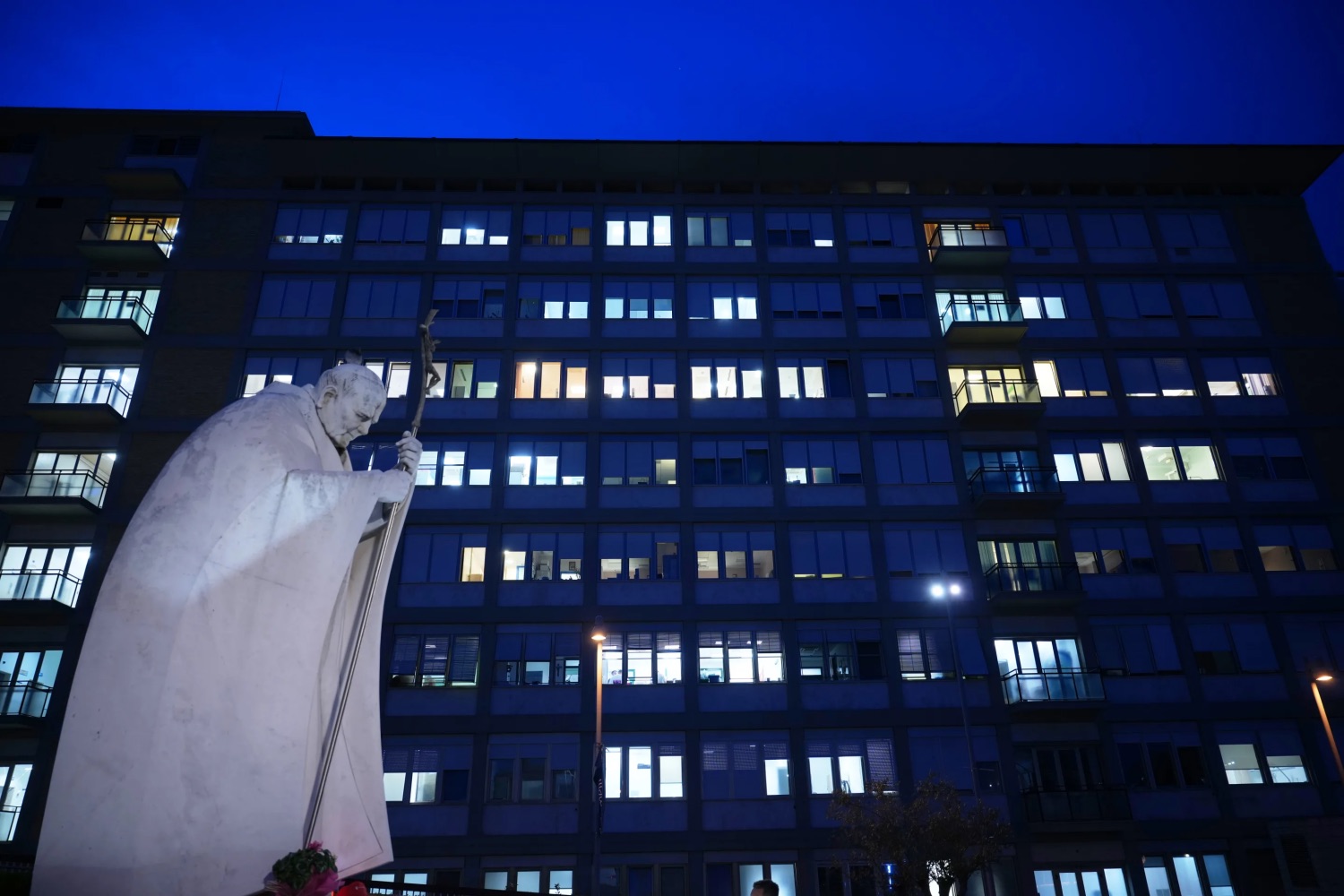
Gemelli Hospital, where Leo will undergo surgery, has a longstanding relationship with the Vatican and has treated several previous popes.
The hospital maintains a dedicated apartment for pontiffs on its 10th floor, including a private chapel.
Pope John Paul II spent extended periods receiving treatment at the facility and frequently referred to it as “Vatican III”.
Vatican Operations to Continue During Recovery
The Vatican said its regular administrative activities would continue while Leo was in hospital.
However, decisions requiring the pope’s personal authorisation or signature may be deferred until he is able to resume his duties.
Under Catholic Church procedures, the pope retains his authority while undergoing medical treatment, including during periods when he is unconscious.
There is no automatic transfer of papal authority during temporary incapacity.
Filipino Cardinal Luis Antonio Tagle will preside over a Mass scheduled for Wednesday in St Peter’s Square, replacing Leo.
The pope recently approved Tagle’s appointment as dean of the College of Cardinals, succeeding Cardinal Giovanni Battista Re.
November Visit to Latin America Remains Scheduled
Leo is preparing for an international visit to Uruguay, Argentina, and Peru from November 6 to 17.
The journey is expected to include numerous flights, helicopter transfers, and engagements across several cities.
Although the surgery has raised questions about his ability to undertake the demanding itinerary, the Vatican has not announced any changes to the trip.
Leo indicated during his Sunday address that he still intended to make the visit.
Italian Prime Minister Giorgia Meloni expressed support for the pontiff following his announcement.
Canadian Cardinal Gérald Lacroix also welcomed Leo’s decision to speak publicly about his health.
The Vatican has not provided a date for releasing further medical information or indicated when doctors expect to establish the precise nature of the nodule.
For now, officials say the pope is otherwise in good health, with approximately one week of recovery anticipated following the operation.