

NEW YORK, United States — Democratic-led states and cities sued President Donald Trump’s administration on Monday, September 14, 2026, seeking to block an immigration rule due to take effect Friday.
The challengers say the policy could jeopardise green-card applications when immigrants or their relatives use public benefits.
Two complaints filed in federal court in Manhattan contend that the Department of Homeland Security is claiming authority beyond what Congress provided and abandoning the established meaning of the government’s “public charge” provision.
The rule would allow immigration officers to consider assistance for food, healthcare, housing, and other basic needs when deciding whether an applicant should receive permanent legal status.
Lawsuits Challenge Broad Discretion
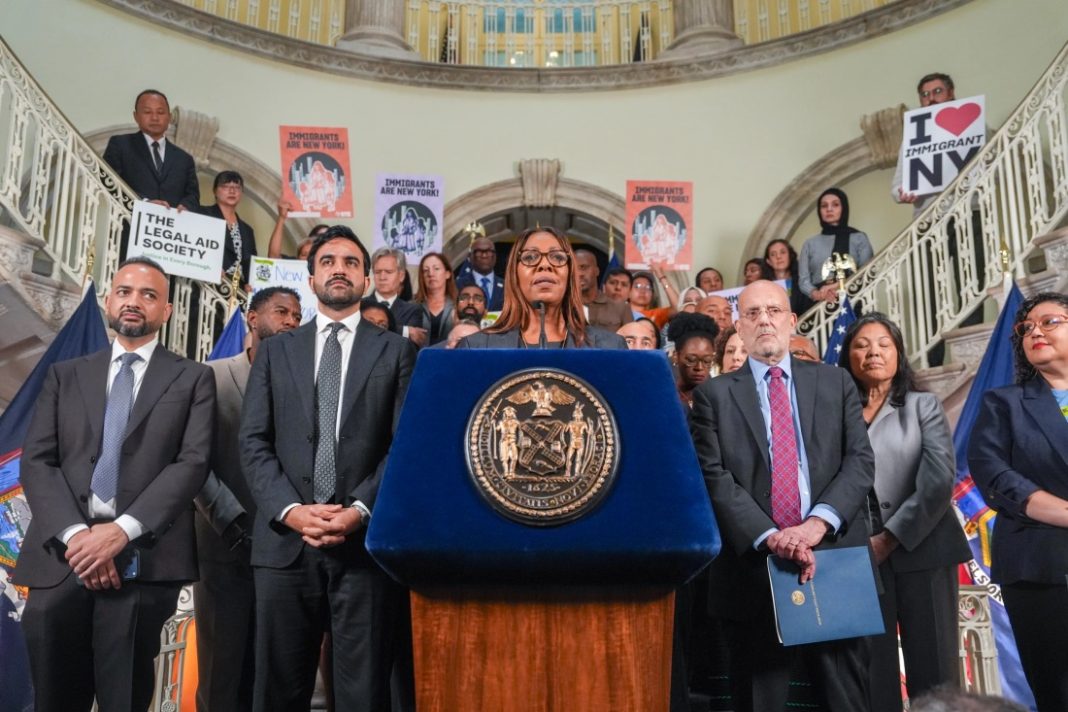
New York Attorney General Letitia James is leading a coalition of 22 states in one of the lawsuits. California, Colorado, Hawaii, Massachusetts, Michigan, Nevada, New Mexico, and Wisconsin are among the participating states.
James said the policy could force immigrant families to choose between obtaining essential assistance and protecting their prospects of securing legal status.
The complaint argues that the rule is “arbitrary and capricious”, exceeds the department’s statutory authority, and conflicts with the longstanding application of federal immigration law.
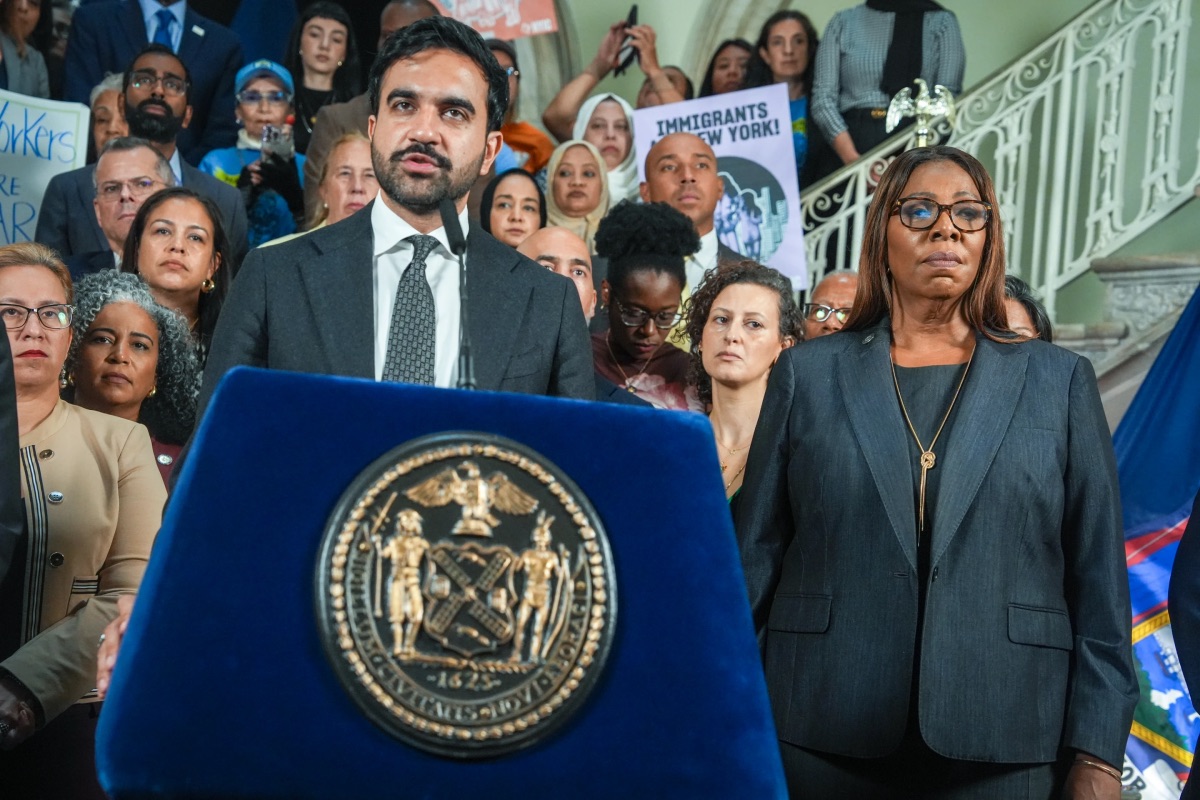
New York City Mayor Zohran Mamdani joined officials from Chicago, San Francisco, and Seattle in filing a separate challenge.
Mamdani said the policy would have a “chilling effect” extending beyond immigrants directly applying for legal status.
“The new public charge rule seeks to push immigrant families away from the programs that have kept people fed and healthy for decades,” Mamdani said.
Benefits Used by Relatives Could Be Considered
The rule does not identify the public programmes immigration officers may consider. It instead directs officials, “using good judgment and discretion”, to make individual decisions after reviewing the full circumstances of each applicant.
James said that language could permit officials to weigh almost any public assistance used for any period, including benefits received by an applicant’s US citizen relative.
Under that interpretation, she said, a parent’s green-card application could be affected because a citizen child received state health insurance or free meals at school.
Steve Banks, New York City’s corporation counsel, said the administration was attempting to broaden the meaning of “public charge” beyond what Congress intended.
California Attorney General Rob Bonta described the policy as “cruel”.
Trump Revives First-Term Policy
Federal law already requires applicants for permanent residence or other forms of legal status to show that they are unlikely to become dependent on public support.
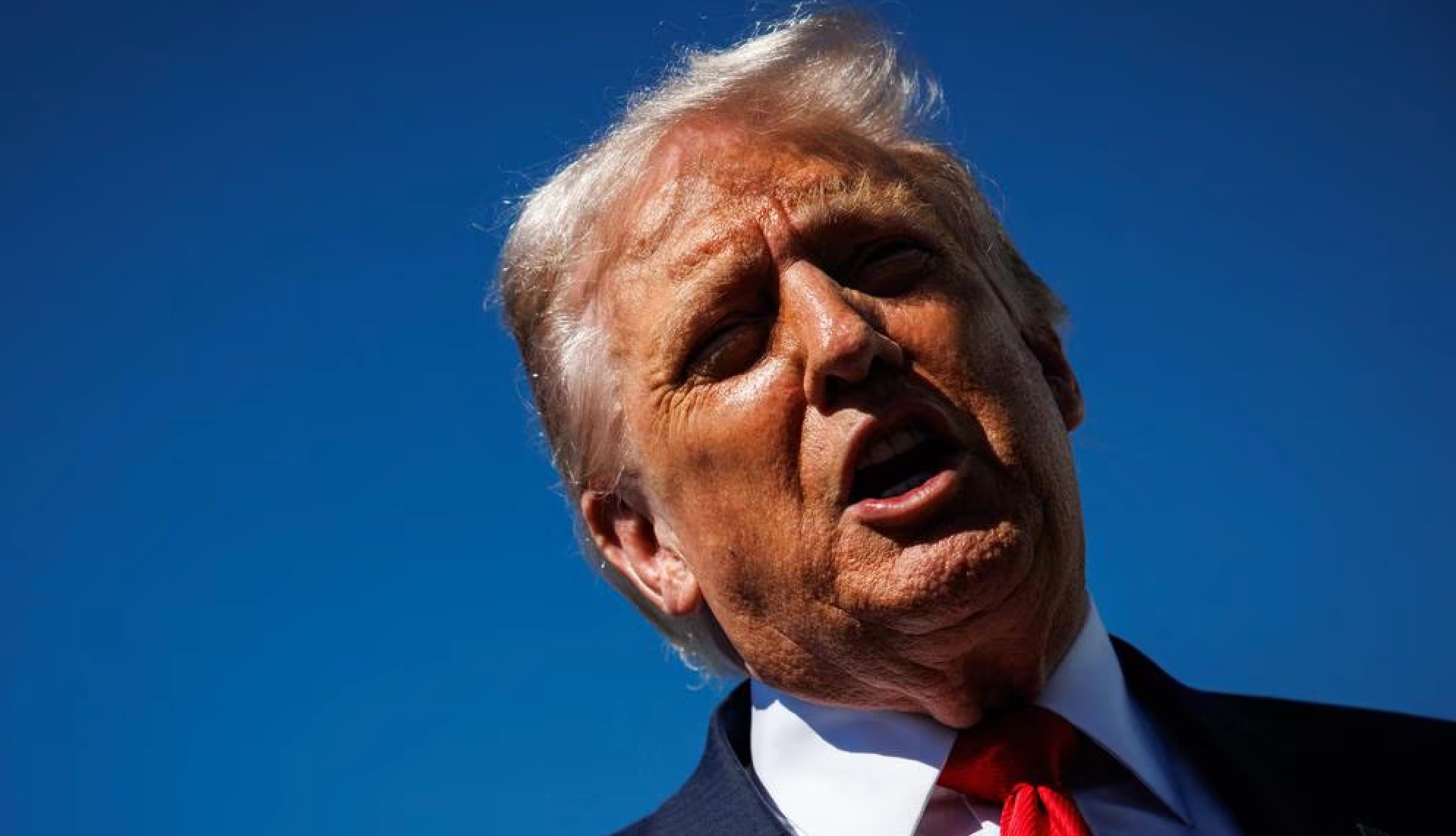
Trump introduced a broader public-charge standard during his first term.
The policy was subsequently reversed under President Joe Biden.
The latest rule would restore wider discretion for immigration officers without specifying which benefits would make an applicant ineligible.
The Department of Homeland Security and US Citizenship and Immigration Services, both defendants in the lawsuits, did not immediately respond to requests for comment.