
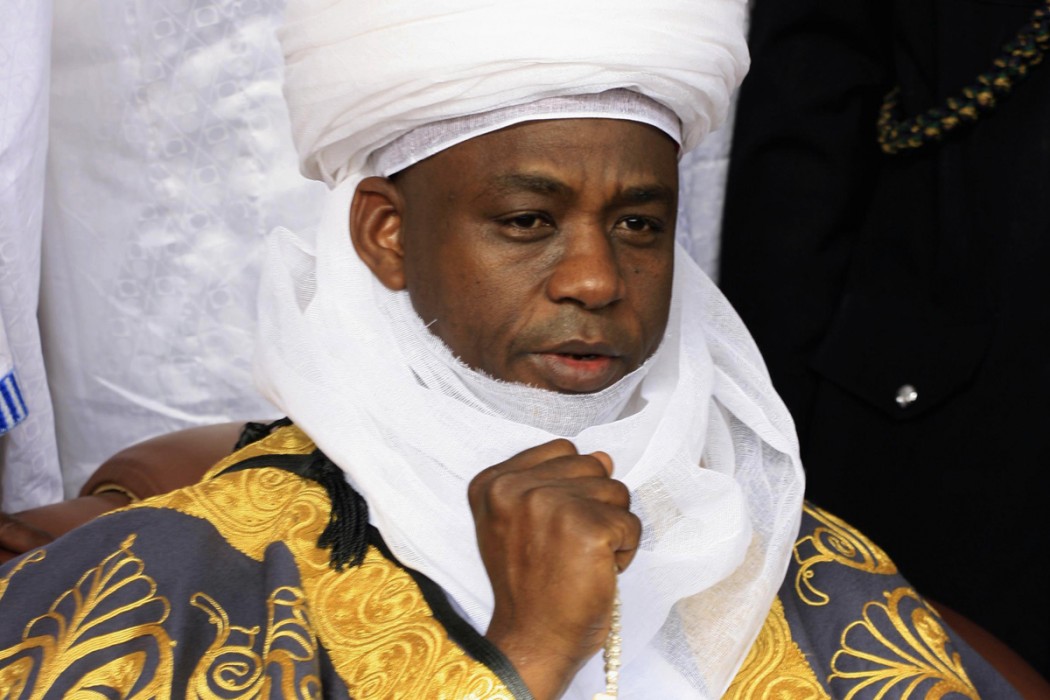

ABUJA, Nigeria — A viral allegation that the Sultan of Sokoto, Alhaji Muhammad Sa’ad Abubakar III, owns more than 40 oil wells has revived debate over the ownership of Nigeria’s petroleum assets and the long-running demands for transparency in the sector.
The claim was made in a video by Gabriel Asabuja, a Niger Delta activist and former militant commander.
It gained wider attention after Aloy Ejimakor, lead counsel to Nnamdi Kanu, the detained leader of the Indigenous People of Biafra, responded to it on social media.
“Asabuja is a very credible man. In this video, he asserts that the Sultan of Sokoto owns over 40 oil wells,” Ejimakor wrote.
“If confirmed, it’s abominable that just one man owns so much of the nation’s wealth, especially when the indigenes of the oil-producing areas own little or nothing.”
The Sultan’s media office had not issued a public response to the allegation as of Wednesday, June 24, 2026.
The claim has not been independently verified.
It follows years of public suspicion and political argument over who ultimately controls Nigeria’s oil assets, including Oil Prospecting Licences and Oil Mining Leases.
Debate Over Oil Ownership
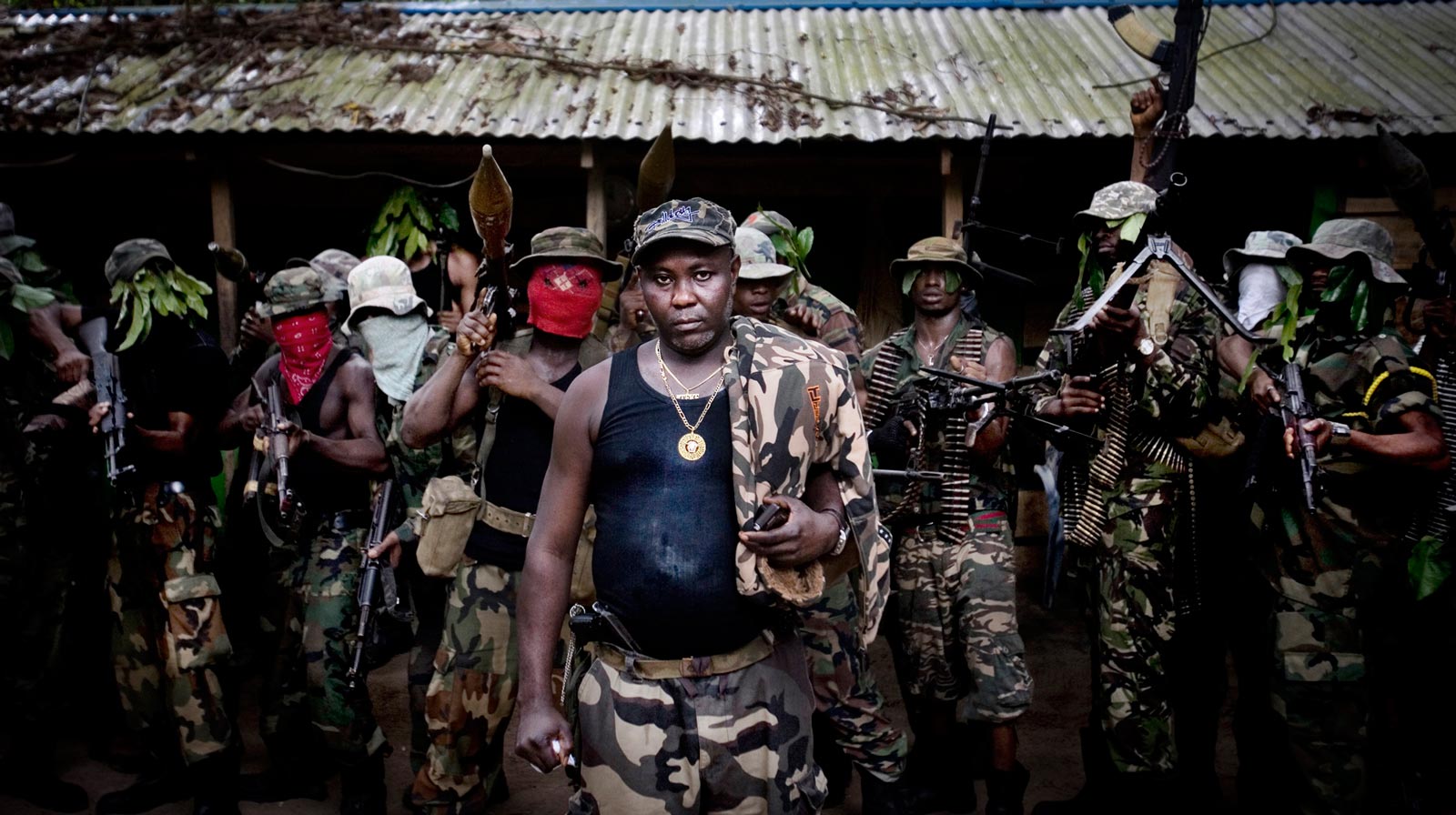
Asabuja is known in Niger Delta political circles for his background in the Movement for the Emancipation of the Niger Delta and his later association with Government Ekpemupolo, widely known as Tompolo.
His comments have drawn attention because of his history in the oil-producing region, where questions over resource ownership, environmental damage and community development have long shaped political agitation.
Critics of such claims, however, have often argued that unverified allegations about oil ownership can deepen regional and ethnic tensions.
Ejimakor’s intervention framed the allegation as part of a broader question of equity between those who profit from oil assets and the communities where crude oil is extracted.
Calls for Transparency
The controversy has again placed attention on the opacity surrounding Nigeria’s oil-block ownership structure.
Civil society groups, leaders from the South-South and the Nigeria Extractive Industries Transparency Initiative have for years pressed for clearer disclosure of the beneficial owners of extractive assets.
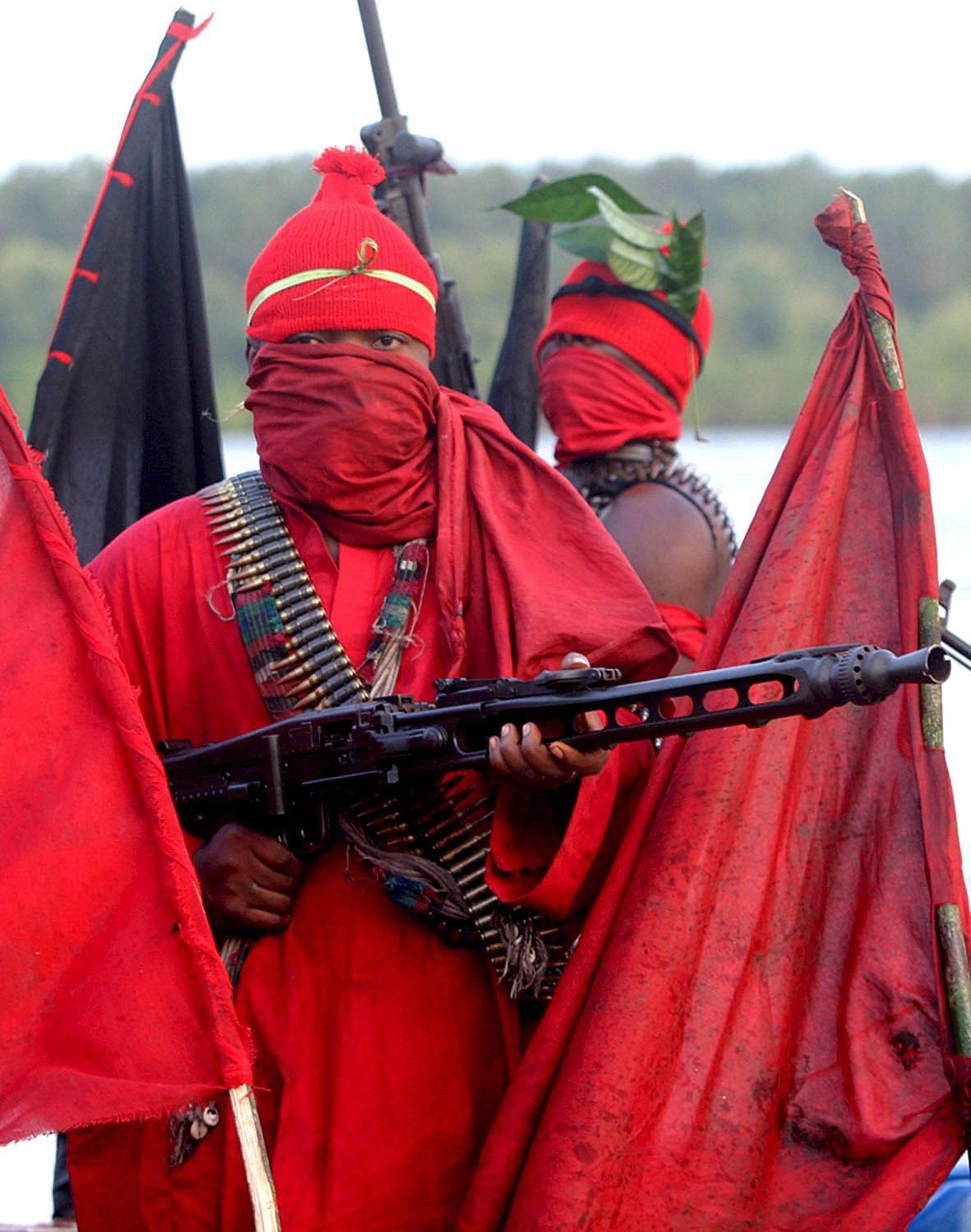
Niger Delta stakeholders have argued that oil-producing communities continue to face environmental degradation, gas flaring and neglect while individuals outside the region are believed to have accumulated wealth from petroleum licences.
The Nigerian National Petroleum Company Limited and federal regulators have also faced repeated calls to make ownership information more accessible to the public.
Ejimakor’s comments continued to circulate widely online, drawing reactions from users who linked the allegation to the wider debate over resource control and the distribution of oil wealth.
The dispute remains unresolved, with no public confirmation of Asabuja’s claim and no response from the Sultan’s office in the material reviewed.