
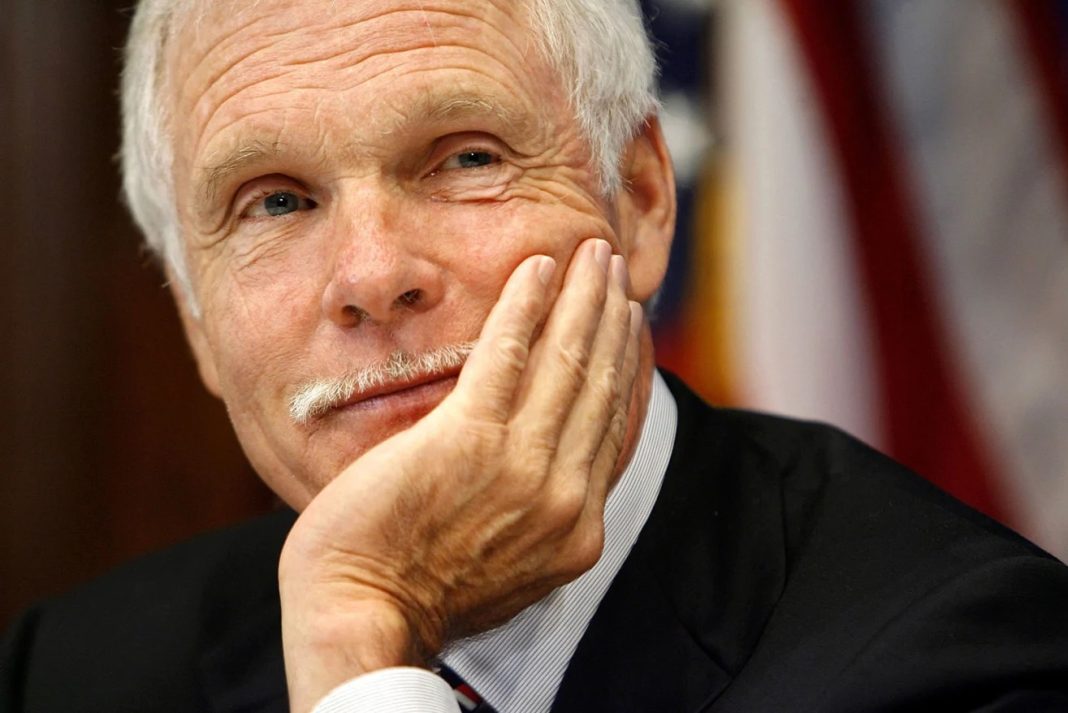

ATLANTA, United States — Ted Turner, the outspoken media entrepreneur who founded CNN and helped reshape television news by creating the first 24-hour cable news network, died peacefully on Wednesday, May 6, 2026, surrounded by his family, according to a statement from Turner Enterprises. He was 87.
Turner, an Ohio-born businessman whose career became closely associated with Atlanta, built one of the most influential media businesses in modern broadcasting.
His holdings included cable networks, film and cartoon channels, and sports teams including the Atlanta Braves and the Atlanta Hawks.
Known for his forceful personality and public confidence, Turner was nicknamed “The Mouth of the South.”
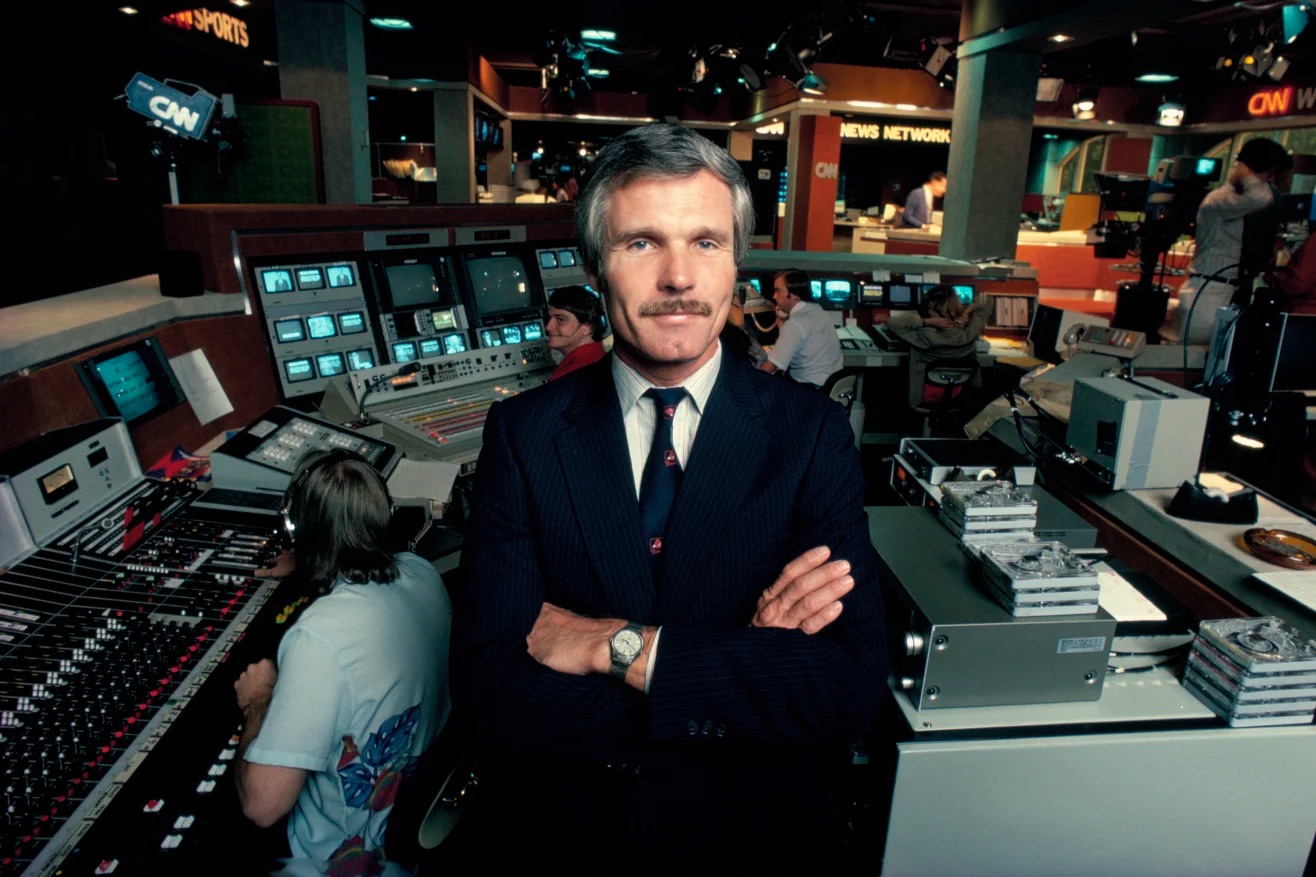
But his reputation ultimately rested on a disruptive business idea that many initially doubted: a television network devoted entirely to news, broadcasting at every hour of the day.
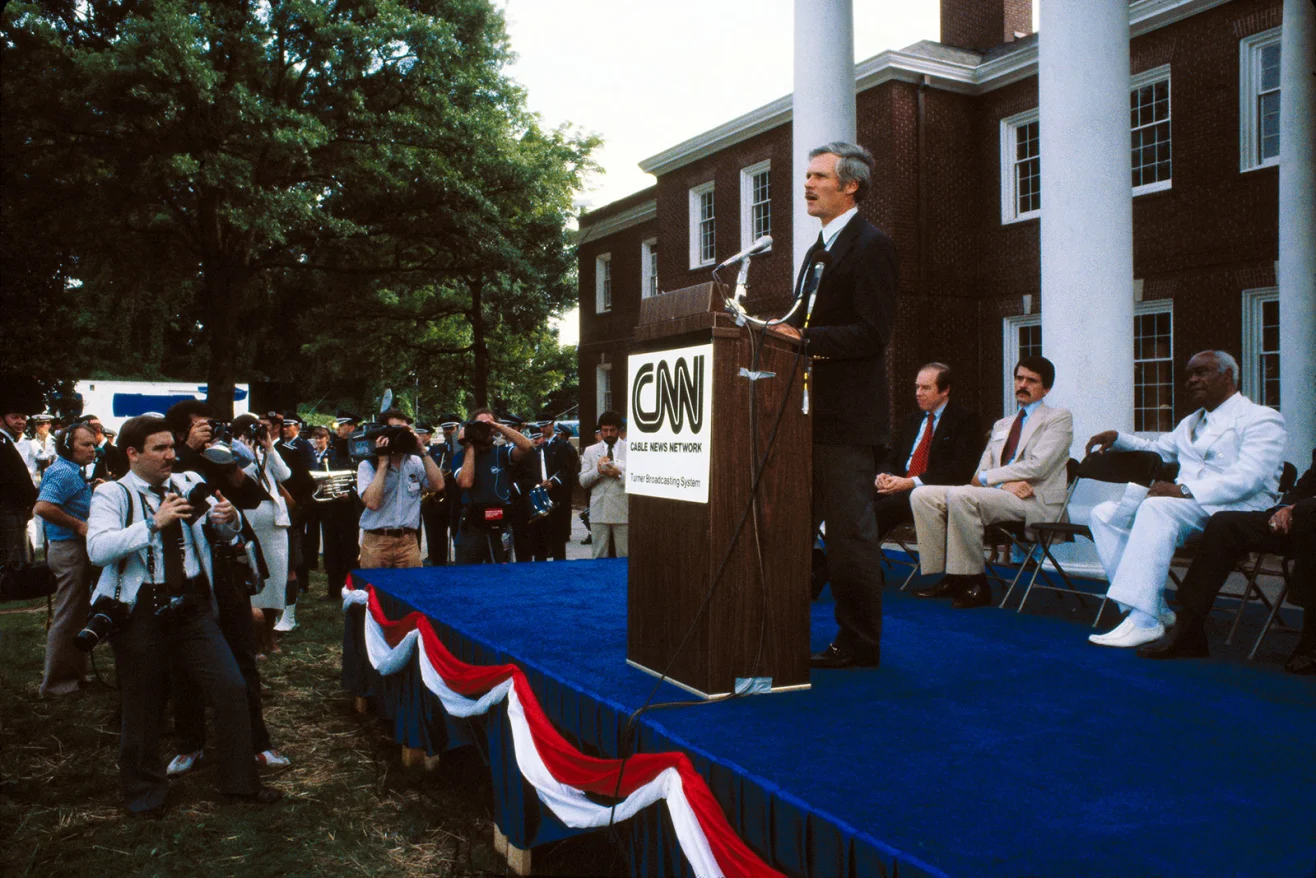
CNN went on the air on June 1, 1980. The network became a defining part of global news coverage, eventually giving audiences live access to events as they unfolded around the world.
In 1991, Time magazine named Turner its Man of the Year, citing his influence on how viewers around the world witnessed major events.
A New Model for Television News
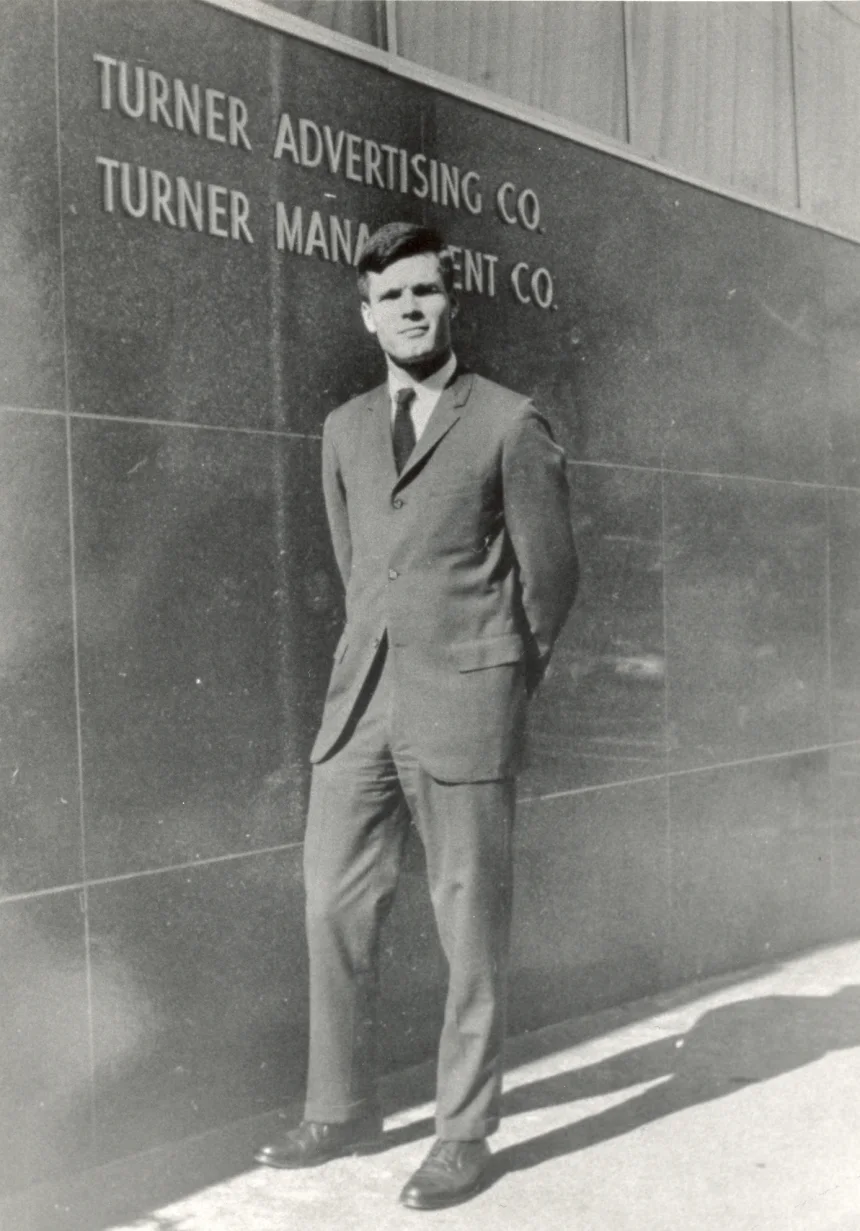
Turner’s early career began after he took over his father’s billboard company at the age of 24.
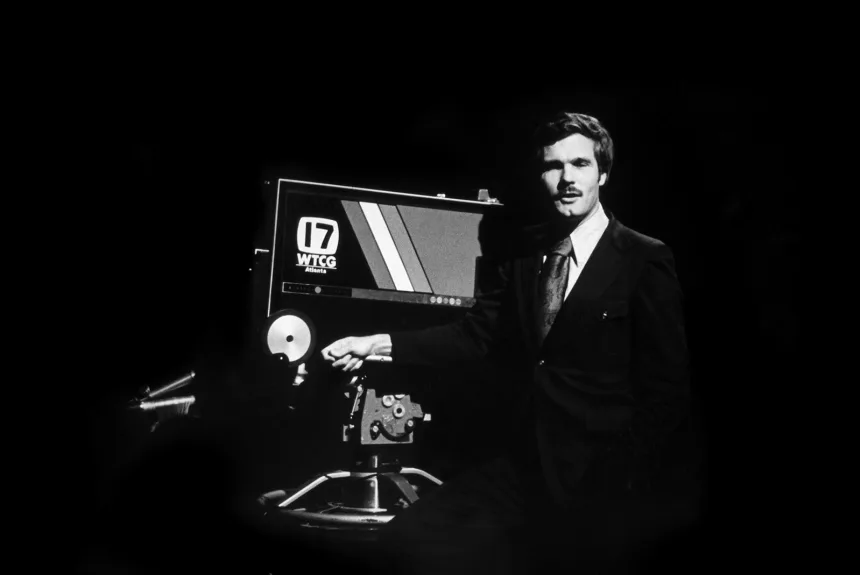
He expanded from outdoor advertising into radio and then television, acquiring a struggling Atlanta station known as Channel 17 in 1970.
He filled the station’s schedule with older programmes and films, gradually turning it into a profitable operation.
In 1976, he used satellite technology to distribute the station nationally, making it cable television’s first superstation.
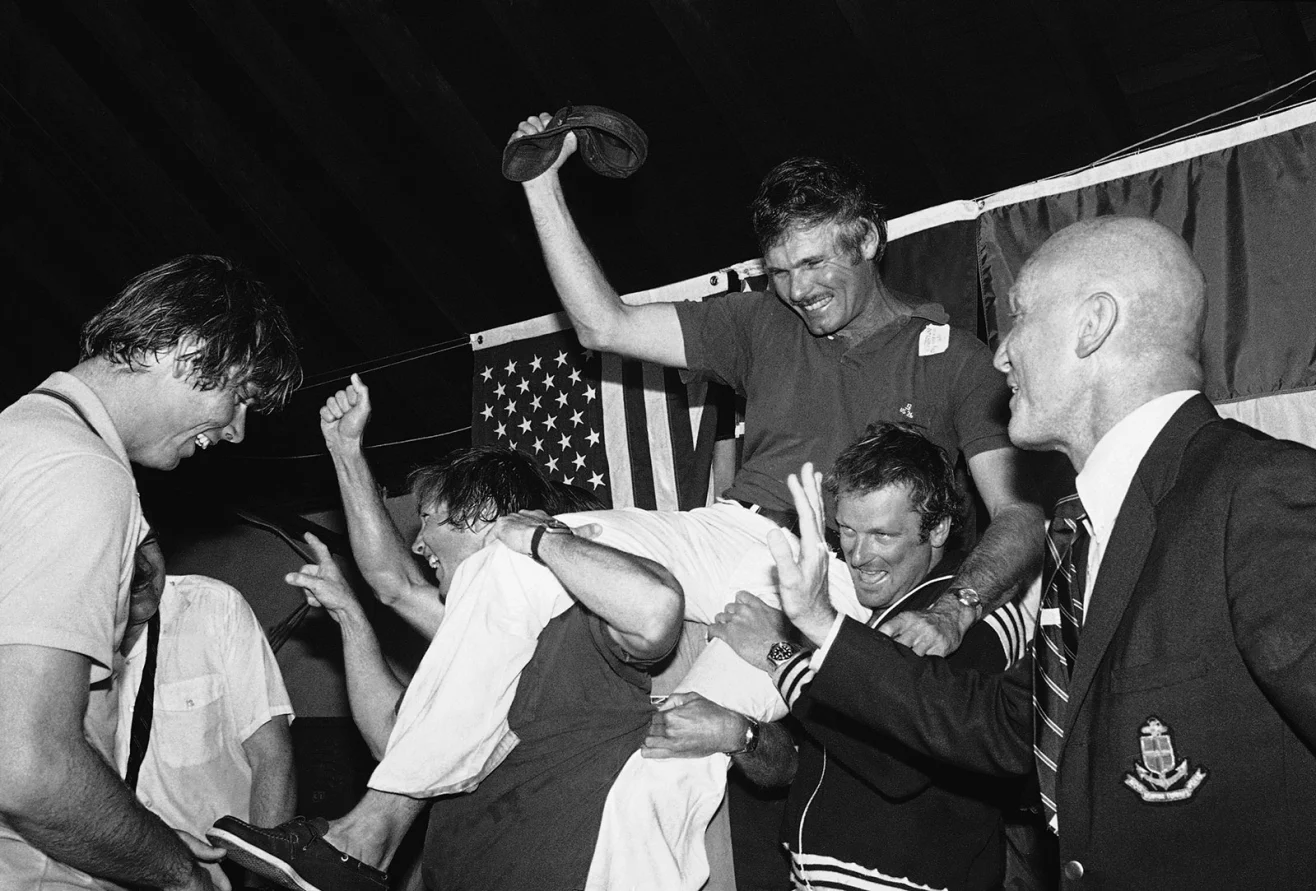
Turner also bought sports teams, including the Atlanta Braves and the Atlanta Hawks, partly to secure programming for his growing television business.
His ambition soon moved beyond entertainment and sports. Turner believed there was a place in the market for a news service that was not tied to the fixed schedules of the major broadcast networks.
“I worked until 7 o’clock, and when I got home the news was over,” Turner once said. “So I missed television news completely. And I figured there were lots of people like me.”
Although Turner acknowledged that he knew little about the news business at the start, he recruited executives and journalists who helped build CNN into a working newsroom.
The early years were technically difficult, and critics were sceptical. But Turner and his team persisted, expanding with CNN2 in 1982, later renamed Headline News and then HLN, and CNN International in 1985.
Turner later added Turner Network Television, Turner Classic Movies and Cartoon Network to his media group.
In the mid-1980s, he acquired MGM’s library of more than 4,000 films, drawing criticism from some in the film community for colourising black-and-white films.
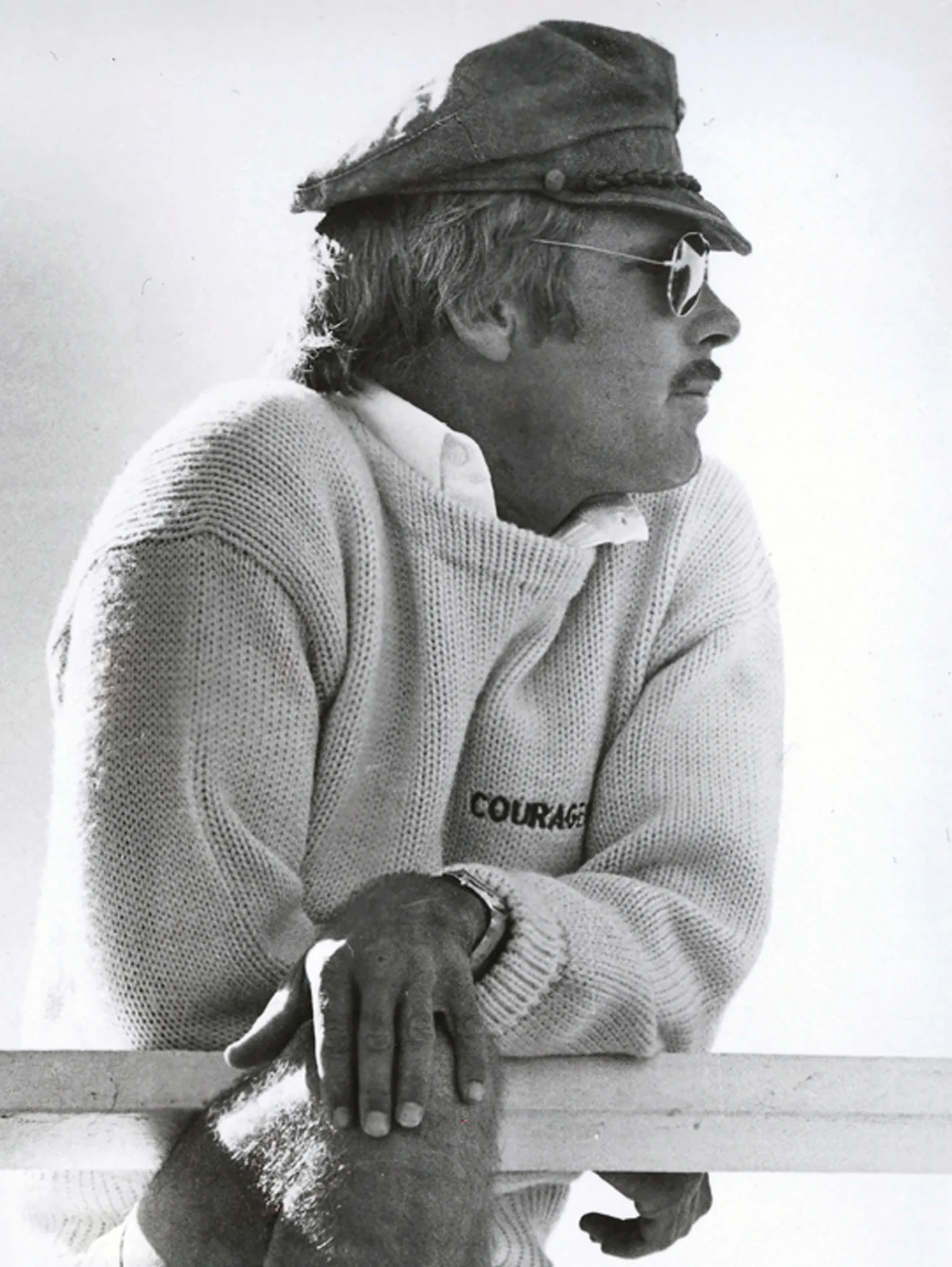
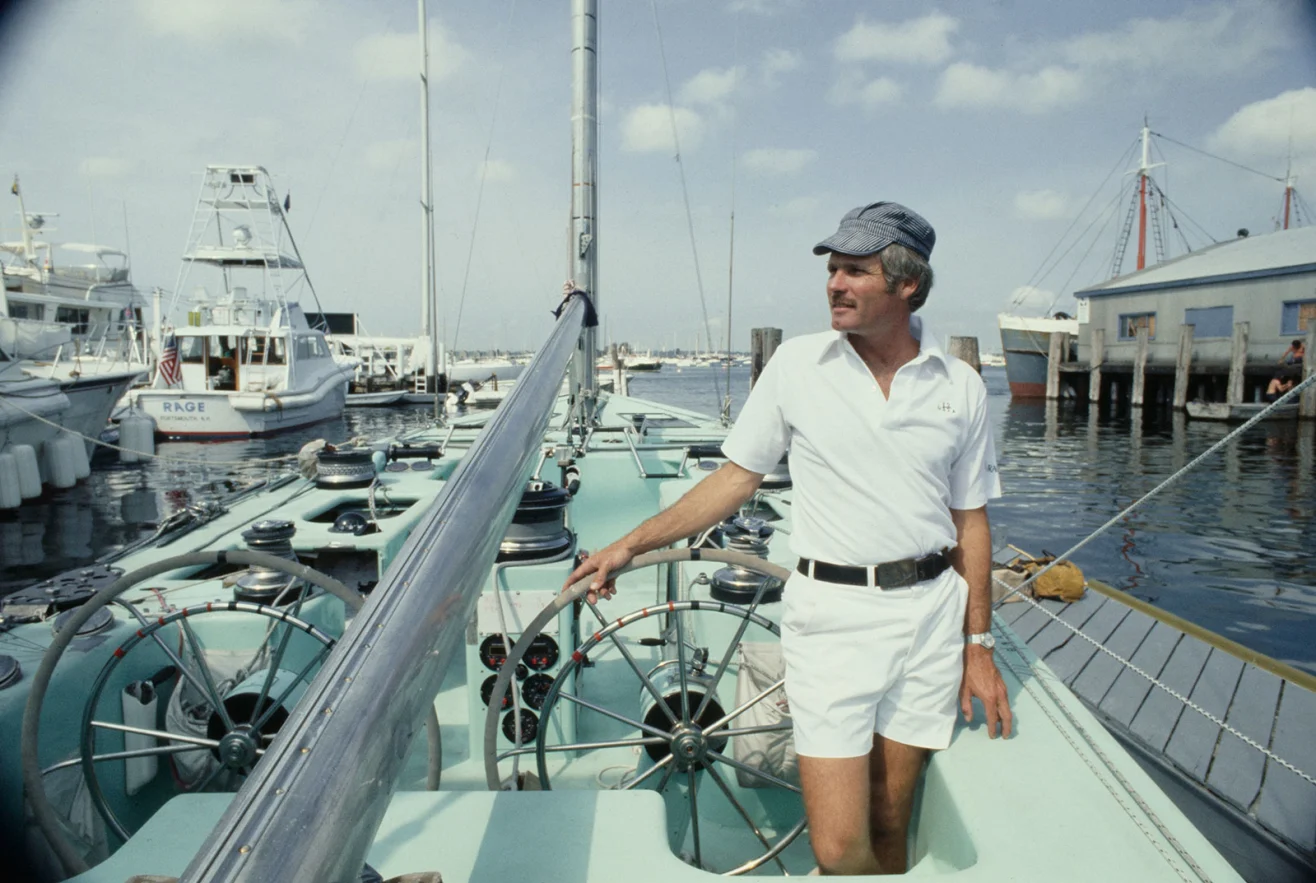
‘The Presiding Spirit of CNN’
CNN’s importance became especially visible during the Persian Gulf War, when viewers followed live coverage of a major war in real time.
The network’s rise helped establish continuous television news as a permanent feature of global media.
“Ted was an intensely involved and committed leader, intrepid, fearless and always willing to back a hunch and trust his own judgement,” Mark Thompson, chairman and chief executive of CNN Worldwide, said in a statement.
“He was and always will be the presiding spirit of CNN. Ted is the giant on whose shoulders we stand, and we will all take a moment today to recognize him and his impact on our lives and the world.”
Wolf Blitzer, announcing Turner’s death on CNN, called him “a legend” who “revolutionized the television business by creating the first 24-hour news channel right here at CNN.”
Pamela Brown, Blitzer’s co-anchor, said, “We’re all here doing this because of Ted.”
Christiane Amanpour said, “He was the original. He made us all proud, he made us all hopeful, and he made us all strive for his vision of a better world.”
Turner sold his networks to Time Warner in 1996 in a deal valued at about $7.5 billion and stayed on as vice-chairman. He later left the company after the AOL-Time Warner merger, a period in which he lost influence over the media properties he had built.
Even after leaving the business, Turner continued to describe CNN as the “greatest achievement” of his life.
Philanthropy and Conservation
Turner’s work after broadcasting increasingly focused on philanthropy, environmental causes and global security.
In 1997, he pledged $1 billion to the United Nations, a commitment that led to the creation of the United Nations Foundation. He completed the pledge in 2015.
Turner also founded or supported organisations including the Nuclear Threat Initiative, the Captain Planet Foundation and the Turner Endangered Species Fund.
He campaigned for nuclear disarmament and used his wealth to support environmental education and species conservation.
He became one of the largest private landowners in the United States, with about 2 million acres across numerous properties.
He also became closely associated with efforts to restore bison populations in the American West and owned what was described as the world’s largest private bison herd.
His Ted’s Montana Grill restaurant chain, which opened its first location in 2002, reflected that conservation interest by serving bison.
Public Life and Family
Robert Edward Turner III was born in Cincinnati, Ohio, on November 19, 1938. His family later moved to Savannah, Georgia.
As a young man, Turner attended Brown University but left before graduating and returned to Georgia to work in the family billboard business.
Turner was married three times, including to actress Jane Fonda, whom he married in 1991. The marriage ended after 10 years, though the two remained close after their divorce.
Fonda later described Turner as a man shaped by difficult experiences but driven by an unusual capacity for work and ambition.
“Given his childhood,” she said, “he should’ve become a dictator. He should’ve become a not nice person. The miracle is that he became what he is.”
Turner revealed in 2018, shortly before his 80th birthday, that he had Lewy body dementia, a progressive brain disorder.
In early 2025, he was hospitalised with a mild case of pneumonia and later recovered at a rehabilitation facility.
Turner is survived by five children, 14 grandchildren and two great-grandchildren.