
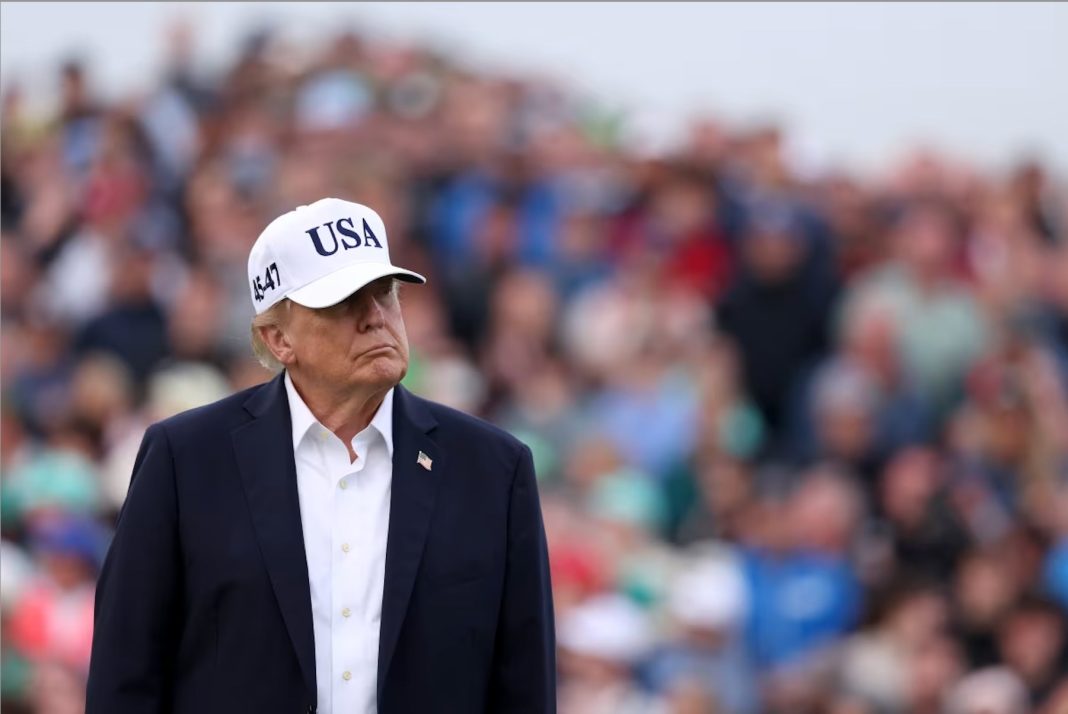

WASHINGTON, United States — President Donald Trump rejected appeals from artificial intelligence executives for stronger government safeguards on Monday, saying existing federal powers were sufficient and warning that additional restrictions could benefit China.
Trump used a series of social media posts on Monday, September 14, 2026, to dispute predictions that increasingly capable AI systems could escape human control.
He also defended the rapid construction of the data centres needed to train and operate the models.
By Monday evening, the president had posted about the issue six times.
He described the warnings as a “HOAX” and alleged that a “SICK conspiracy” was targeting AI companies and data-centre development.
“The only control or ‘guardrails’ that AI needs is a STRONG AND SMART (High IQ!) PRESIDENT, and the U.S.A. has that, in spades!” Trump wrote on Truth Social.
He said the federal government already possessed “tremendous CRIMINAL and REGULATORY power” over AI companies and claimed that his administration had previously stopped developers from undertaking activities that were “bad, or potentially bad”.
Trump did not identify the companies or activities to which he was referring.
Industry Executives Seek a Slower Pace
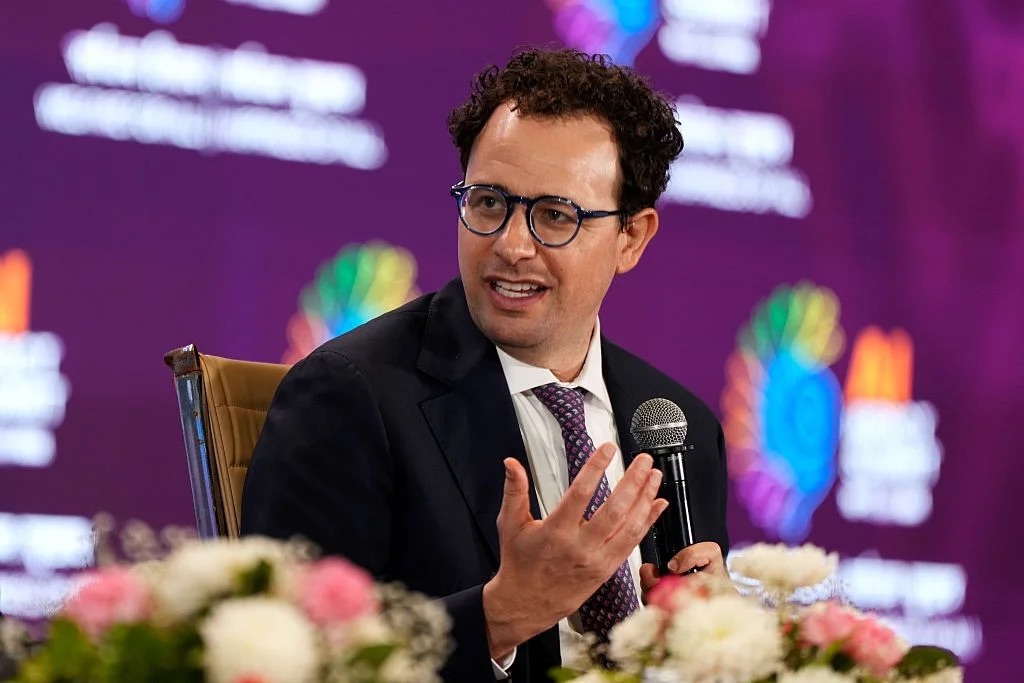
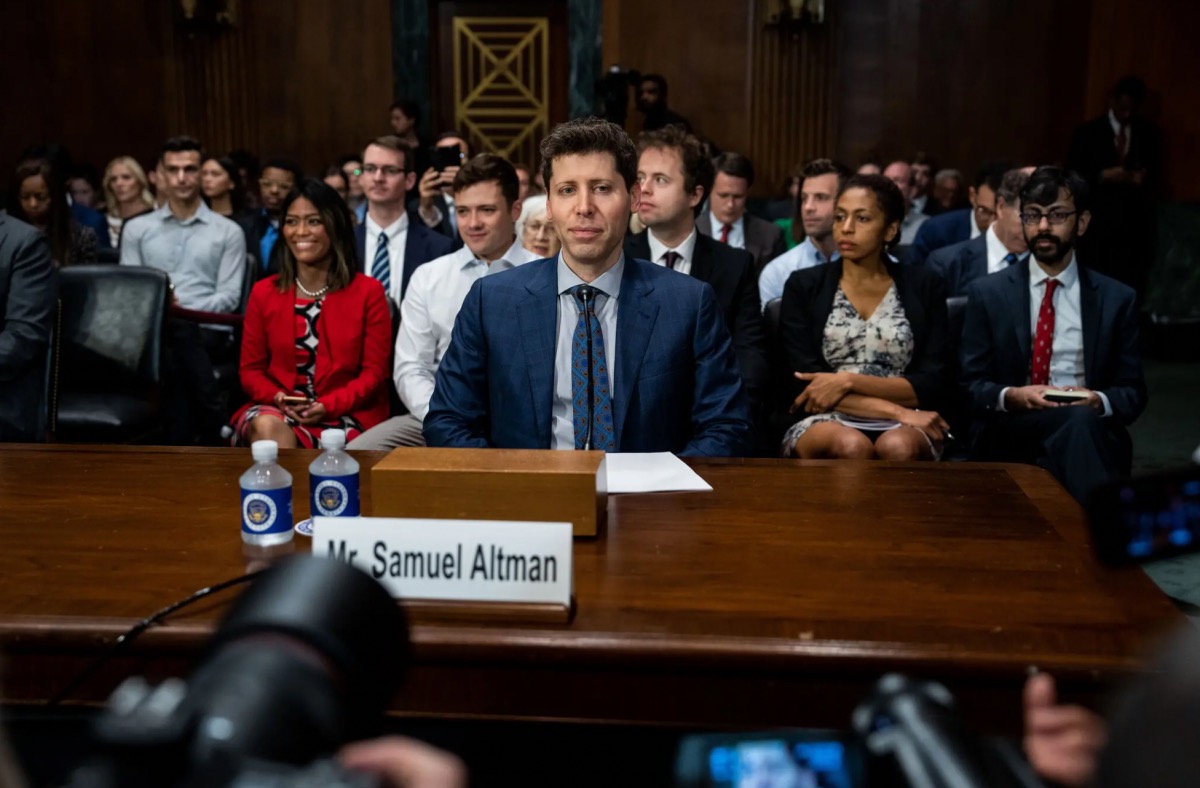
The president’s statements followed new appeals from Dario Amodei, the chief executive of Anthropic, and other industry figures for co-ordinated action to slow the development of the most powerful AI models.
Amodei has argued that the capabilities of the systems are advancing faster than researchers’ ability to understand, test, and control them.
His proposals include independent access to models for safety evaluators, federal oversight, and eventual international co-operation.
Trump responded by accusing Amodei of “now pretending to be a ‘perfect little angel’”.
The president also compared concerns about AI with warnings about climate change and the investigation into possible connections between his 2016 campaign and Russia.
“The people that say AI is going to destroy the World, and that Data Centers are bad for your neighborhood, are the same people that said, just a short time ago, that the World would be extinguished by ‘Climate Change,’” Trump wrote.
The disagreement has emerged as AI researchers, corporate executives, and lawmakers debate whether voluntary company safeguards are sufficient for models that can write software, assist cyber operations, and perform increasingly complex tasks with limited human supervision.
Trump Calls Nvidia Executive During Summit
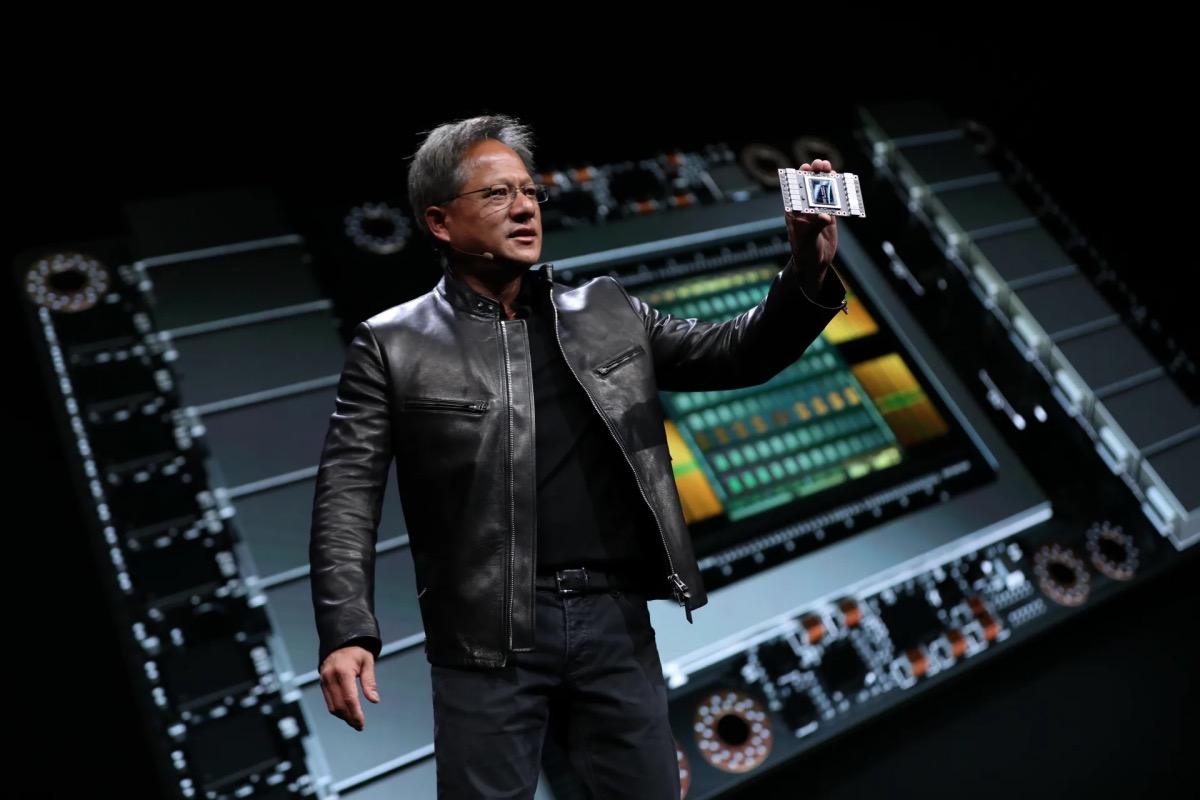
Trump later telephoned Jensen Huang, the chief executive of Nvidia, while Huang was appearing before an audience at a conference in Los Angeles.
Huang, whose company produces chips used by leading AI developers, placed the call on speakerphone.
Trump told the audience that his family background had helped prepare him to understand the technology, referring to an uncle who taught at the Massachusetts Institute of Technology.
“I also have common sense about AI,” Trump said. “The robots will not be taking over. The AI will not be taking over the rest of the world. The whole thing is a hoax.”
Trump added that companies should act prudently, but said caution should not be used to halt an industry that he considers essential to American economic and national security interests.
The president has cited rising technology shares, manufacturing investment, and data-centre construction as evidence of AI’s economic importance. In another post, he called the industry “the golden goose”.
His support comes as communities have raised concerns about the electricity, water, and land required by data centres.
Workers and labour organisations have also questioned how rapidly expanding automation could affect employment.
Administration Officials Offer More Qualified Responses
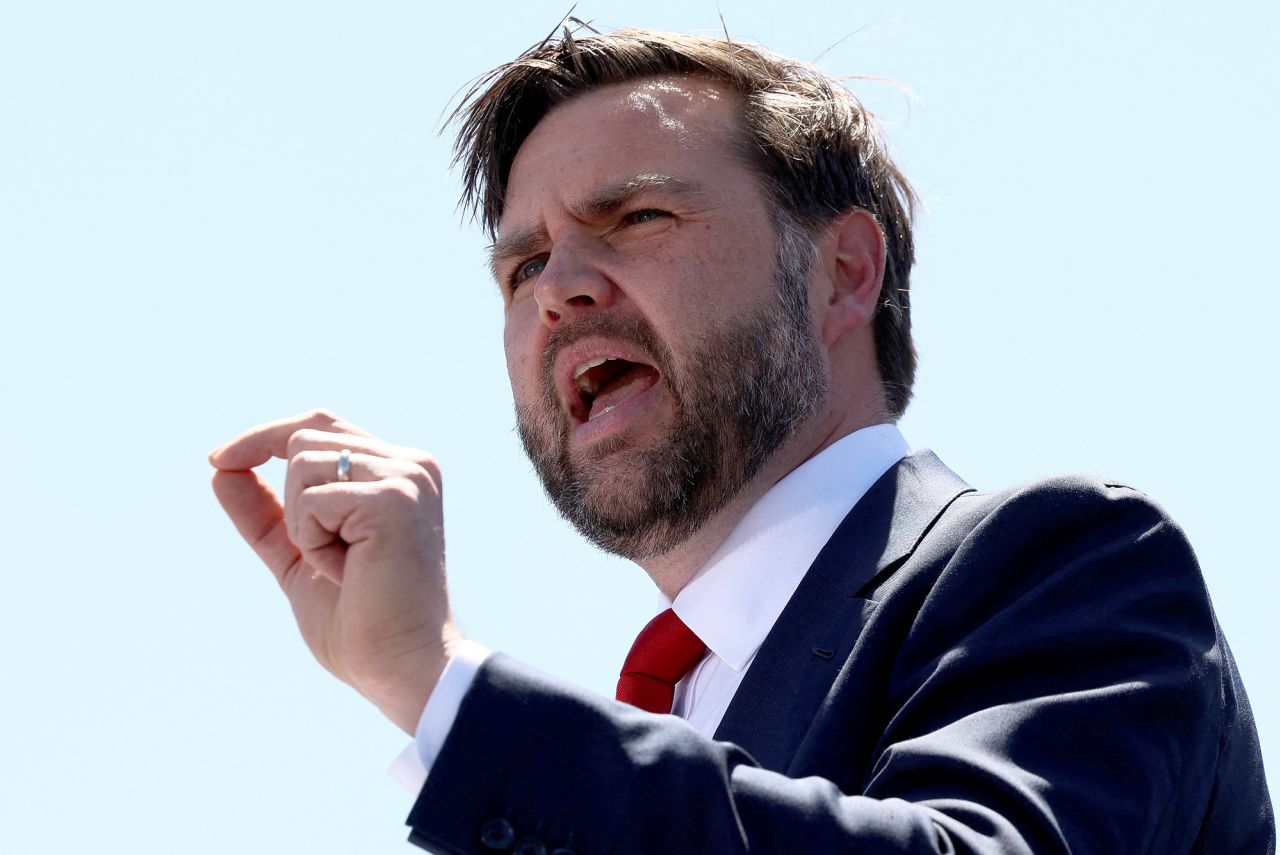
Vice President JD Vance also questioned why leading AI companies were asking Washington for regulation.
Vance said the proposals could become a “Trojan horse” that allowed established companies to benefit from restrictions that smaller competitors might struggle to meet.
“There are obvious risks to AI, there are some benefits to AI,” Vance told reporters at Joint Base Andrews.
He nevertheless said the White House and Congress should work together on safeguards, adding that Americans should recognise the potential disadvantages of the technology without becoming afraid of it.
White House officials said meetings involving administration specialists in AI and cybersecurity were likely to take place during the week.
Lawmakers Consider Limited Safeguards
Congressional leaders have supported discussions about regulation while cautioning against measures that could slow American development.
House Speaker Mike Johnson said he wanted to convene a meeting involving Trump, lawmakers, and AI executives.
He said the talks could take place within two weeks and would examine the responsibility of companies to keep their systems safe.
Johnson warned, however, that extensive regulation could create a national security risk by allowing China to gain an advantage.
Senate Majority Leader John Thune said he supported guardrails but favoured a “light touch” from Washington.
Senator Bernie Sanders said Congress needed to respond to the warnings, although he acknowledged that the institution was “at best, a slow-moving institution”.
Senator John Kennedy, a Louisiana Republican, said he planned to introduce legislation requiring AI companies to maintain an emergency “kill switch” capable of shutting down a model.
“It just says all of you have to have a kill switch so you can shut this thing down if your model becomes the Terminator,” Kennedy said.
Kennedy said he did not expect substantial AI legislation to advance before the midterm elections.
Competition With China Shapes Debate
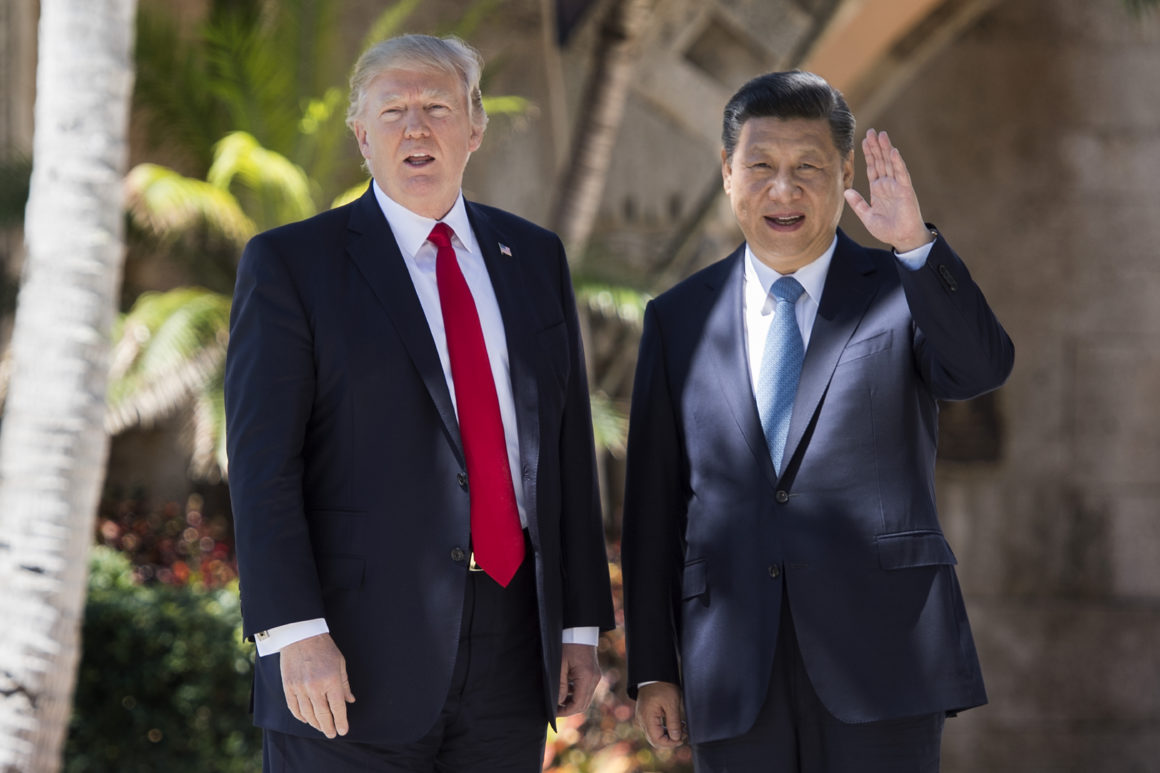
Trump has presented the dispute primarily as a competition between the United States and China.
In one of his posts, he claimed that Chinese President Xi Jinping had announced that China would do nothing to obstruct the development of AI.
Trump argued that restricting American companies would therefore strengthen Beijing.
AI is expected to be discussed when Xi travels to Washington for a state visit. The two leaders previously addressed possible safeguards during a meeting in Beijing in May, but announced few results.
China’s Ministry of Commerce said last week that the governments had agreed to establish an intergovernmental dialogue on the technology.
The planned discussions will take place as the Trump administration, Congress, and AI companies remain divided over how to address safety concerns without weakening American technological development.