

WASHINGTON, United States — The United States resumed military strikes against Iran on Tuesday, targeting sites associated with Iran’s Revolutionary Guards around the Strait of Hormuz as the Trump administration intensified both military and economic pressure on Tehran.
The renewed attacks came as Treasury Secretary Scott Bessent told a G20 gathering in North Carolina that the administration planned to increase sanctions against Iran.
He said the goal was to force the Iranian government back to negotiations.
The strikes marked another escalation in a conflict that began with a joint United States-Israel military campaign on February 28.
Iranian officials quickly threatened retaliation, while Iranian state media reported explosions in several locations in southern Iran.
The extent of the damage from the latest American strikes was not immediately established.
Trump warns of more attacks
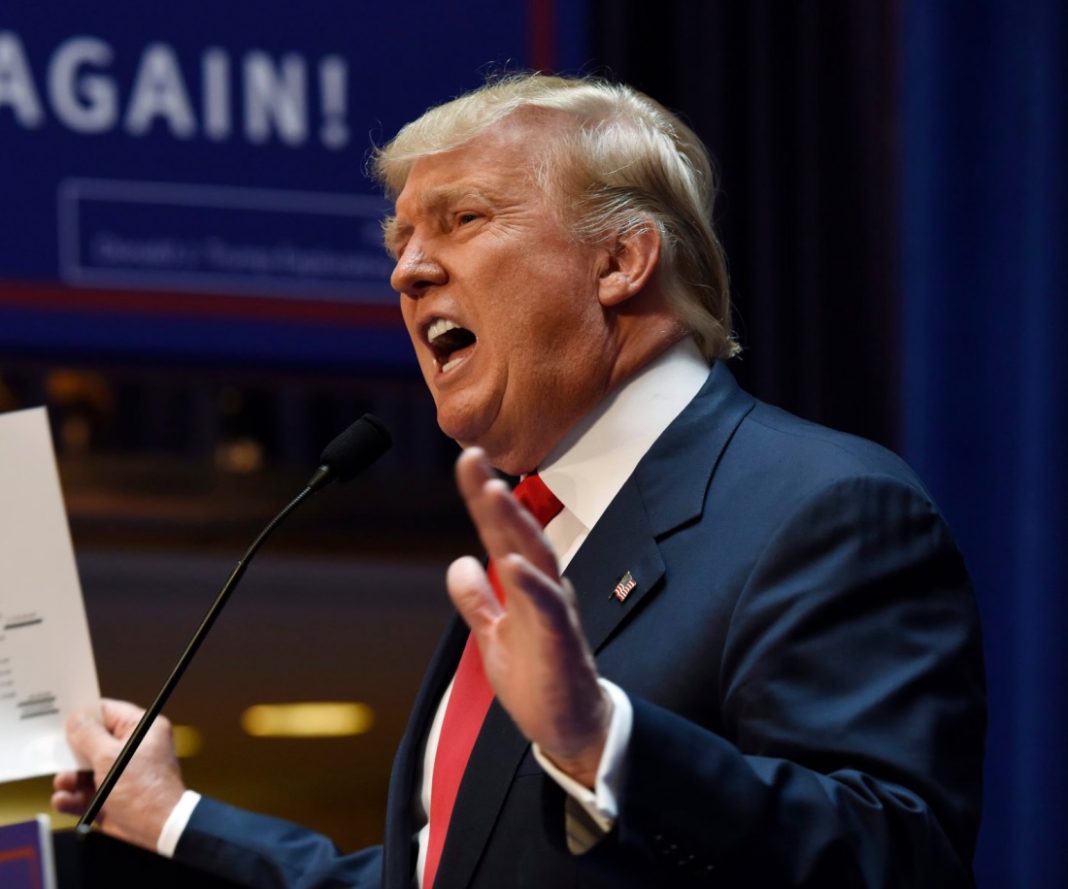
President Donald Trump issued a series of threats after the strikes, warning Iran against retaliating.
“If the failed Nation of Iran retaliates for this very justified attack, they will be hit again at a much harder and higher level, but it will not be the biggest attack of them all, that is waiting in the wings,” Trump wrote on Truth Social.
He added: “When it is over, there will be very little left of the Islamic Republic of Iran!”
In an interview with Fox News, Trump said further Iranian retaliation would bring an even stronger American response.
“If they retaliate, they’ll be hit much harder. And if they do it again, they’ll be no longer. They don’t stop. They’re crazy and they’re stupid,” he said.
Trump also said the United States had struck an Iranian radar site after allowing Iran to rebuild it.
“They tried to rebuild their radar because they can’t see anything. We waited until it was almost built and then we hit it,” he said.
He added that he did not believe an agreement with Tehran would be reliable and said the administration had already given Iran multiple opportunities.
Iran threatens retaliation
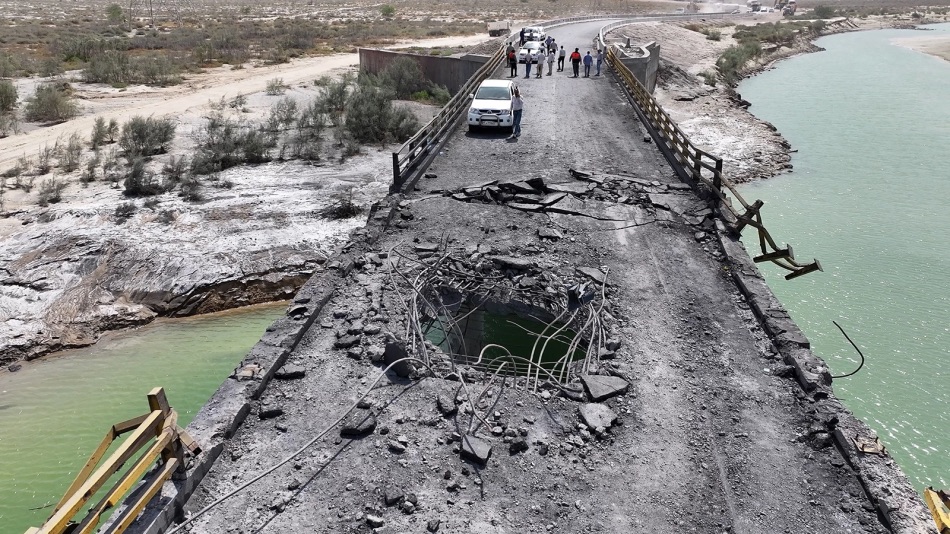
Iranian authorities reported explosions in Bandar Abbas, Sirik, Jask and Qeshm after the American strikes.
The Islamic Republic News Agency quoted a senior security official in Sistan and Baluchestan Province as saying that Iranian authorities were investigating the incident, including its potential damage.
Iranian officials also issued warnings that the American operation would be answered.
Tasnim News Agency quoted Revolutionary Guards spokesman Brigadier General Hossein Mohebbi as saying: “Severe punishment awaits the aggressors, America will regret its new attacks.”
Tasnim also carried a statement attributed to an unnamed Iranian military official saying that Iranian forces would respond to attacks on the country and its interests.
The Iranian Armed Forces General Staff and Khatam al-Anbiya Central Headquarters issued a joint statement warning that the military would deliver “crushing blows on the despicable and wicked American enemy.”
Iranian media subsequently circulated images purporting to show missile launches against American targets. Reports also claimed that an American MQ-9 Reaper drone had been shot down. Those claims were not independently established in the material provided.
Iranian state broadcaster Islamic Republic of Iran Broadcasting reported that American strikes had hit locations it described as non-military, including a wedding ceremony in Sirik and a fishmeal factory in Qeshm.
Those reports had not been independently verified.
Economic pressure accompanies military action
The latest American strikes came alongside a renewed effort by the Trump administration to use sanctions and other economic measures against Tehran.
Bessent told the G20 meeting in North Carolina that the United States intended to “economically asphyxiate this regime” and impose further sanctions.
The administration had previously emphasised economic pressure, including efforts to target Iran’s financial lifelines and compel Tehran to return to negotiations.
The renewed fighting has also raised concerns about energy supplies because of the strategic importance of the Strait of Hormuz, through which oil shipments pass.
Oil prices had already risen by roughly 7 per cent during the week, according to the material provided, and crude prices increased further after the latest strikes.
The national average price of regular petrol in the United States reached $4.10 a gallon on Tuesday, according to AAA, compared with $3.19 a gallon a year earlier. Crude oil prices had risen more than 50 per cent since the beginning of the year.
The conflict has also placed pressure on American military stockpiles of some advanced munitions. Public support for the war has remained limited, according to the material provided, creating potential political difficulties for Republicans ahead of the November midterm elections.
Washington issues Middle East travel warning
The State Department on Tuesday reissued a travel advisory covering the Middle East as the fighting intensified.
The department warned that conditions could worsen with little notice and urged Americans in the region to exercise increased caution.
It also warned of possible travel disruptions and the threat of attacks by Iran and Iran-backed groups against American interests, businesses and institutions abroad.
Similar warnings were issued by several American diplomatic missions, including those serving Israel, Jordan, Qatar and Iran.
The latest escalation followed American strikes on Larak Island in the Strait of Hormuz. Iran’s Revolutionary Guards had vowed to respond to that attack.
Iranian missiles were also launched towards American facilities in Jordan and were intercepted, while authorities in the United Arab Emirates said an Iranian drone had been brought down over Emirati waters.
The exchanges have widened the military confrontation between Washington and Tehran even as the Trump administration pursues sanctions intended to pressure Iran back to the negotiating table.