
The next technology investment cycle is already taking shape. Artificial intelligence remains at its centre, but the money is spreading into the infrastructure, software and machines needed to make the technology useful at scale.
Global information-technology spending is expected to reach $6.37 trillion in 2026, up 14.2 per cent from 2025, according to Gartner. The research firm said data-centre systems and infrastructure-as-a-service are among the fastest-growing areas as companies expand their computing capacity for AI.
Investment managers are also pointing to a broader AI value chain. BlackRock said the expansion of AI is increasing demand for computing, power and critical materials while creating opportunities in areas including robotics and health care.
Five technology themes stand out.

1. AI Infrastructure
The most immediate opportunity remains the physical machinery behind artificial intelligence.
Data centres require processors, memory, servers, networking equipment and increasingly sophisticated power and cooling systems. Gartner expects data-centre systems spending to record the largest growth among major IT categories in 2026, rising 55.8 per cent.
The spending is already translating into higher demand for equipment manufacturers. Dell Technologies raised its 2026 forecasts on September 1 after reporting strong demand for AI-optimised servers. The company now expects its fiscal 2027 AI-server revenue to reach $74 billion, compared with an earlier projection of $60 billion.
Nvidia remains a central supplier of the computing hardware used to train and operate advanced AI systems. The company forecast 70 per cent revenue growth for its next fiscal year in August, while reporting second-quarter data-centre revenue of $89 billion, more than double the figure from a year earlier.
But the investment opportunity extends beyond the best-known chip companies.
Networking, optical components, memory and data-storage technologies are increasingly important as computing systems become larger. A Deutsche Bank analyst said on September 1 that networking was emerging as a potential bottleneck in AI infrastructure and highlighted companies supplying optical and networking equipment.

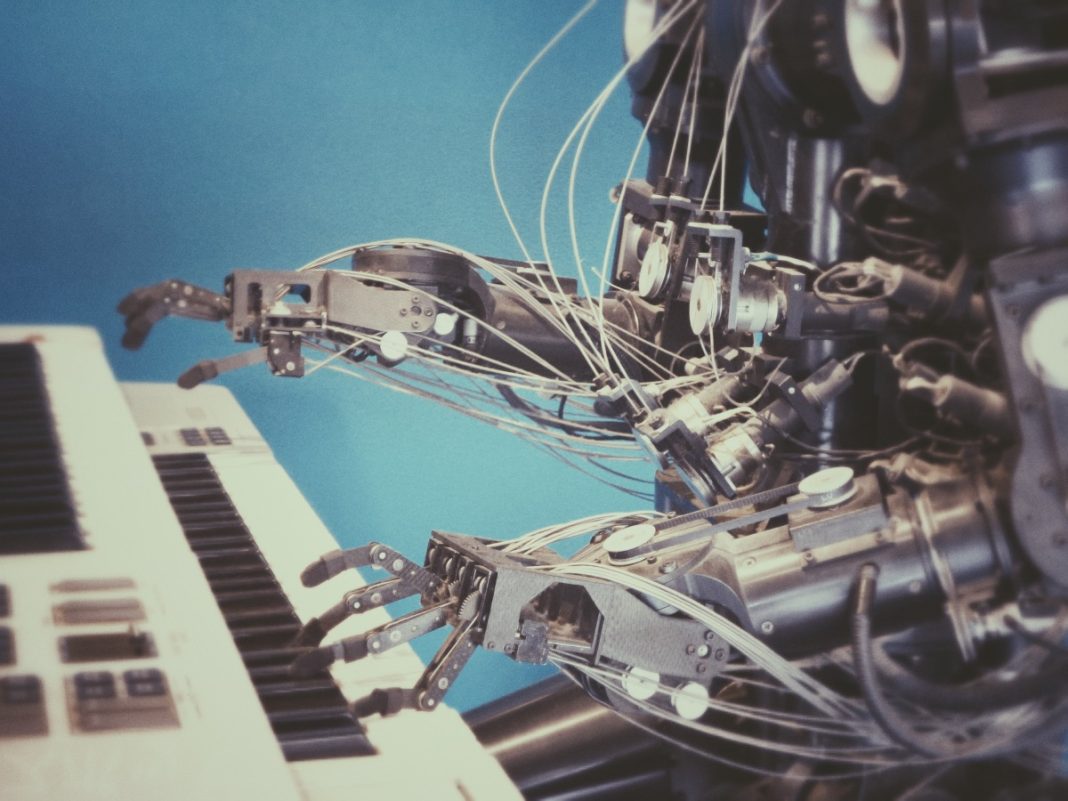
2. Physical AI and Robotics
The next stage of artificial intelligence is moving beyond screens.
Gartner has identified physical AI as one of its 10 strategic technology trends for 2026. The category includes robots, drones and intelligent equipment capable of interacting with the physical world.
Deloitte has similarly identified physical AI and robotics as one of five technology trends likely to reshape organisations over the following 18 to 24 months.
The investment case is broader than robot manufacturers. Physical AI requires sensors, processors, specialised software, communications systems and machines capable of translating digital decisions into physical actions.
BlackRock has identified robotics among the areas where emerging AI capabilities could affect everyday life and investment opportunities.

3. AI Agents and Enterprise Software
Generative AI began largely as a tool for producing text, images and code. The emerging enterprise market is moving towards systems that can perform sequences of tasks.
Gartner lists multiagent systems among its strategic technology trends for 2026. Such systems allow multiple AI agents to work together on complex processes, while domain-specific language models are designed for specialised industries and applications.
That shift could broaden the market for companies developing software around AI rather than competing to build the largest general-purpose model.
Businesses will need tools that connect AI systems with existing applications, manage access to information and coordinate automated workflows.
The broader enterprise market is already expanding. Gartner expects worldwide IT-services spending to exceed $1.87 trillion in 2026, including application implementation, managed services and infrastructure services.

4. Cybersecurity
More connected systems create more opportunities for attackers, making cybersecurity another technology market tied directly to the expansion of AI.
Gartner has placed pre-emptive cybersecurity and AI security platforms among its strategic technology trends for 2026. It also identifies digital provenance — systems for establishing the origin and history of digital information — as an emerging area.
The threat is not limited to technology companies.
On September 1, energy companies were facing increased cyber risks as attackers used AI to identify vulnerabilities in increasingly connected electricity infrastructure, according to Reuters. The expansion of digital systems in power generation and distribution has increased the number of potential entry points for attacks.
That creates demand for security software, monitoring systems and technologies designed specifically for AI-enabled environments.
5. Power and Electrification
AI requires electricity, and the rapid expansion of computing is making power infrastructure part of the technology investment story.
BlackRock said rising demand for AI computing was intensifying requirements for power and critical materials and exposing bottlenecks in the supply chain.
The relationship between technology and energy is becoming increasingly direct. Data centres need reliable electricity, while power networks themselves are becoming more digital and therefore more dependent on cybersecurity.
The result is a technology investment theme that reaches into areas traditionally considered part of the energy and industrial sectors.
The Technology Cycle Is Broadening
The common thread across these five areas is that artificial intelligence is no longer confined to the companies developing models.
It is increasing demand for computing infrastructure, creating new applications for robotics, changing enterprise software, increasing the need for cybersecurity and placing additional pressure on electricity systems.
Gartner described the expansion of AI computing capacity as the largest infrastructure project it has assessed, while BlackRock said the AI value chain was continuing to expand as adoption deepened.
For investors, that means the technology cycle is becoming broader. The companies positioned to benefit may include chipmakers and software developers, but also manufacturers of servers, networking equipment, security systems and other infrastructure required to support an increasingly AI-dependent economy.
That expansion is already visible in corporate spending, venture capital and public-sector technology programmes.
The next technology boom, in other words, is not being built around a single product.
It is being built around an ecosystem.