
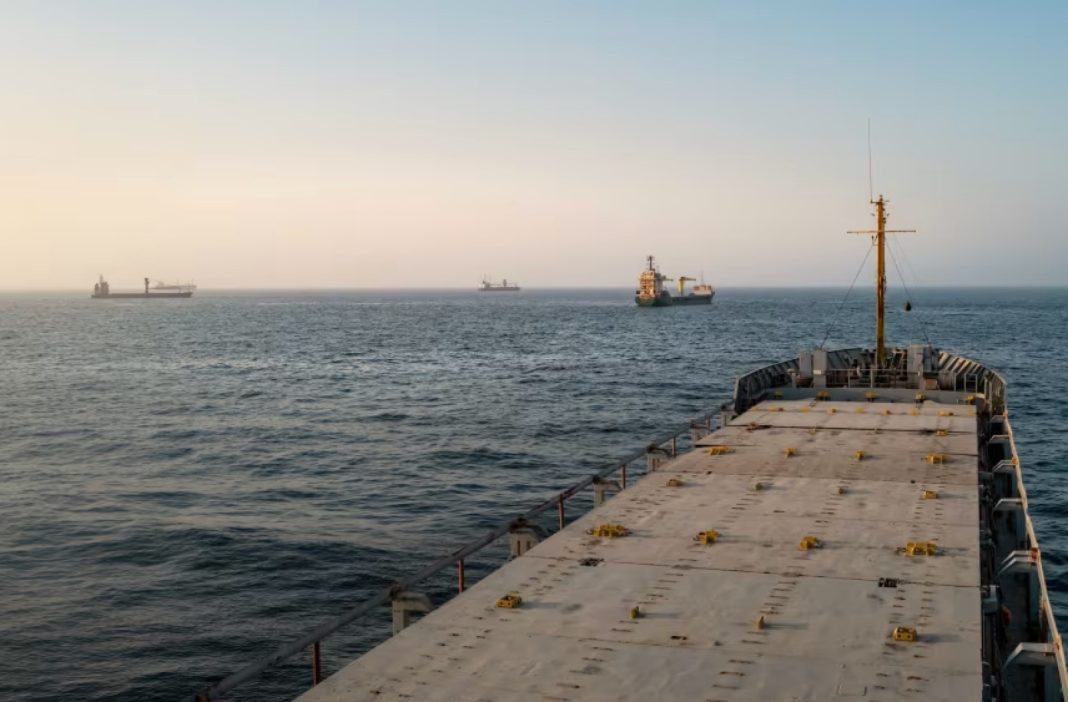

WASHINGTON, United States — The United States military said it carried out strikes on Iranian military targets near the Strait of Hormuz.
US strikes Iran targets on Friday, June 26, 2026, after what American officials described as an Iranian attack on commercial shipping the previous day.
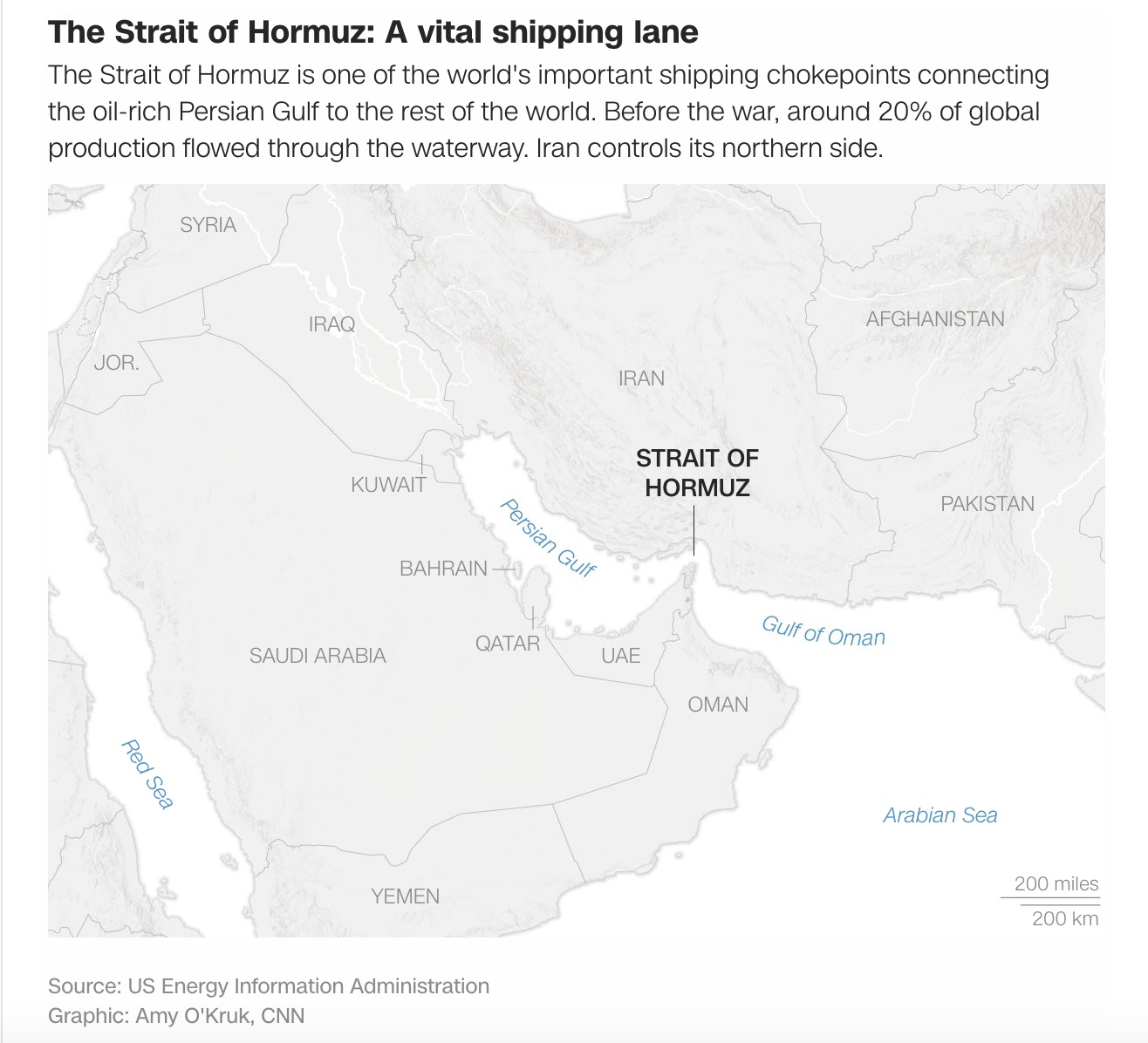
The strikes followed Tehran’s attack on a commercial vessel close to the strategic waterway, an episode that placed a fragile ceasefire under renewed strain.
United States Central Command said aircraft hit Iranian missile and drone storage sites as well as coastal radar facilities.
“US aircraft struck Iranian missile and drone storage locations and coastal radar sites,” CENTCOM said. “The unwarranted aggression against commercial shipping by Iranian forces clearly violated the ceasefire.”
CENTCOM released video on Friday night that it said showed one of the strikes on Iranian targets.
A United States official told CNN that the strikes did not, for now, signal a return to large-scale combat operations.
 US Strikes Iran Targets After Ceasefire Dispute
The American response came after President Donald Trump accused Iran of violating the ceasefire agreement by launching drones at commercial vessels transiting the Strait of Hormuz.
“The Islamic Republic of Iran shot at least four One Way Attack Drones at Ships transversing the Strait of Hormuz. One of the Drones solidly hit the upper deck of a large and very expensive Cargo Carrying Ship,” Trump wrote on Truth Social.
“Damage was done, but the Ship was able to proceed on its way,” he wrote. “We knocked down three other Drones. Obviously, this is a foolish violation of our Ceasefire Agreement.”
Later on Friday, Trump said the incident showed Iran still retained some military capability after months of conflict with the United States.
“We still have a fight. They have some capability, not much. They’re not winning or anything, but they have some capability; they can still shoot,” Trump told a gathering of conservative Christians in Washington, D.C.
“Nobody saw it coming,” he added, referring to the Iranian strike. “And it hit a ship and did some damage. Can’t do that stuff.”
Asked in the Oval Office whether Iran would face consequences, Trump declined to give details.
“You’ll find out,” he told reporters.
Vance Says Violence Will Be Met With Violence
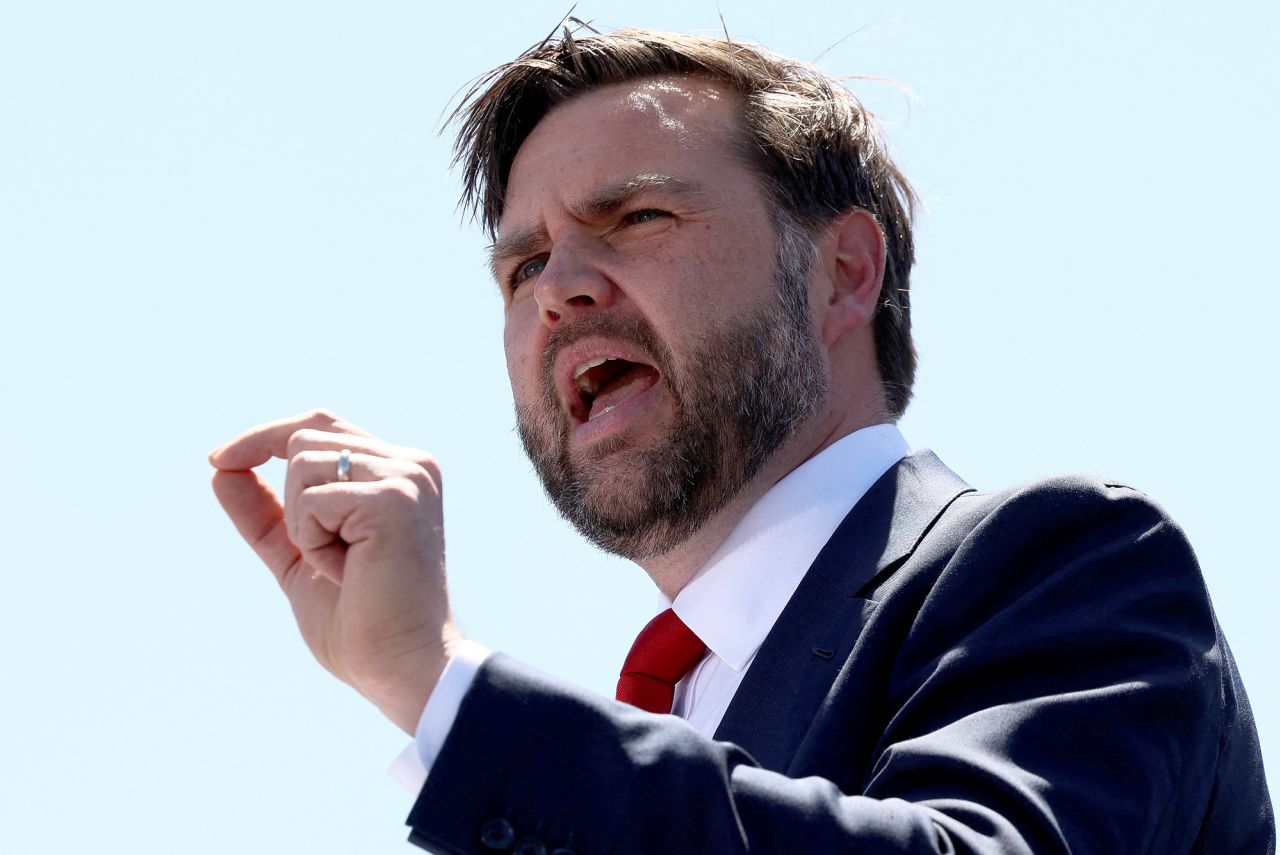
Vice President JD Vance, who took a leading role in negotiating the agreement with Iran announced last week, defended the American response.
“Iran signed a ceasefire agreement. We have honored it. If they have disagreements about how the MOU is being applied, they can pick up the phone,” Vance posted on X alongside CENTCOM’s announcement.
“But violence will be met with violence.”
Iran signed a ceasefire agreement. We have honored it. If they have disagreements about how the MOU is being applied, they can pick up the phone.
But violence will be met with violence. https://t.co/VWnBS1PWaV
— JD Vance (@JDVance) June 26, 2026
Iran’s Islamic Revolutionary Guard Corps said it had targeted United States military positions in the region in response to the American strikes, according to Iranian state media reported by Press TV.
The United States military has not confirmed such attacks.
The exchange marked the first major test of the agreement reached between Washington and Tehran to reopen the Strait of Hormuz and begin deeper negotiations over Iran’s nuclear programme.
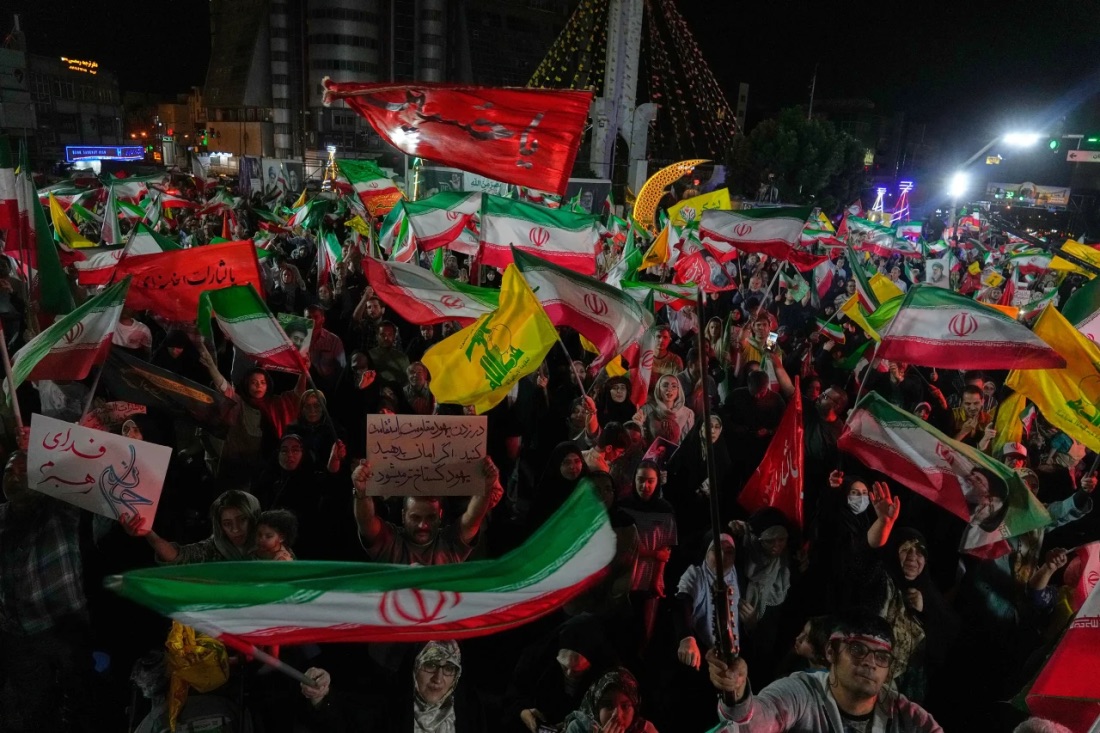
Tensions Continue Over Strait of Hormuz
The ceasefire agreement required shipping traffic through the strait to return to prewar levels, but the arrangement did not spell out detailed conditions for how that would be achieved.
Iran has treated control of the waterway as leverage in negotiations.
On Thursday, the Islamic Revolutionary Guard Corps warned that safe passage would be granted only to vessels using routes declared to Iran.
The United States has insisted that the strait remain open and toll-free. Tehran has maintained that it has the right to charge vessels passing through the waterway.
The United States dropped its blockade of Iranian ports after the agreement was signed.
The United Kingdom Maritime Trade Operations, which monitors maritime traffic in the region, said the cargo vessel was hit on its starboard side by an unknown projectile, damaging the bridge. No casualties or environmental impact were reported.
The incident underscored the continuing difficulties in restoring traffic through one of the world’s most important maritime routes, even after Washington and Tehran agreed to step back from broader hostilities.