
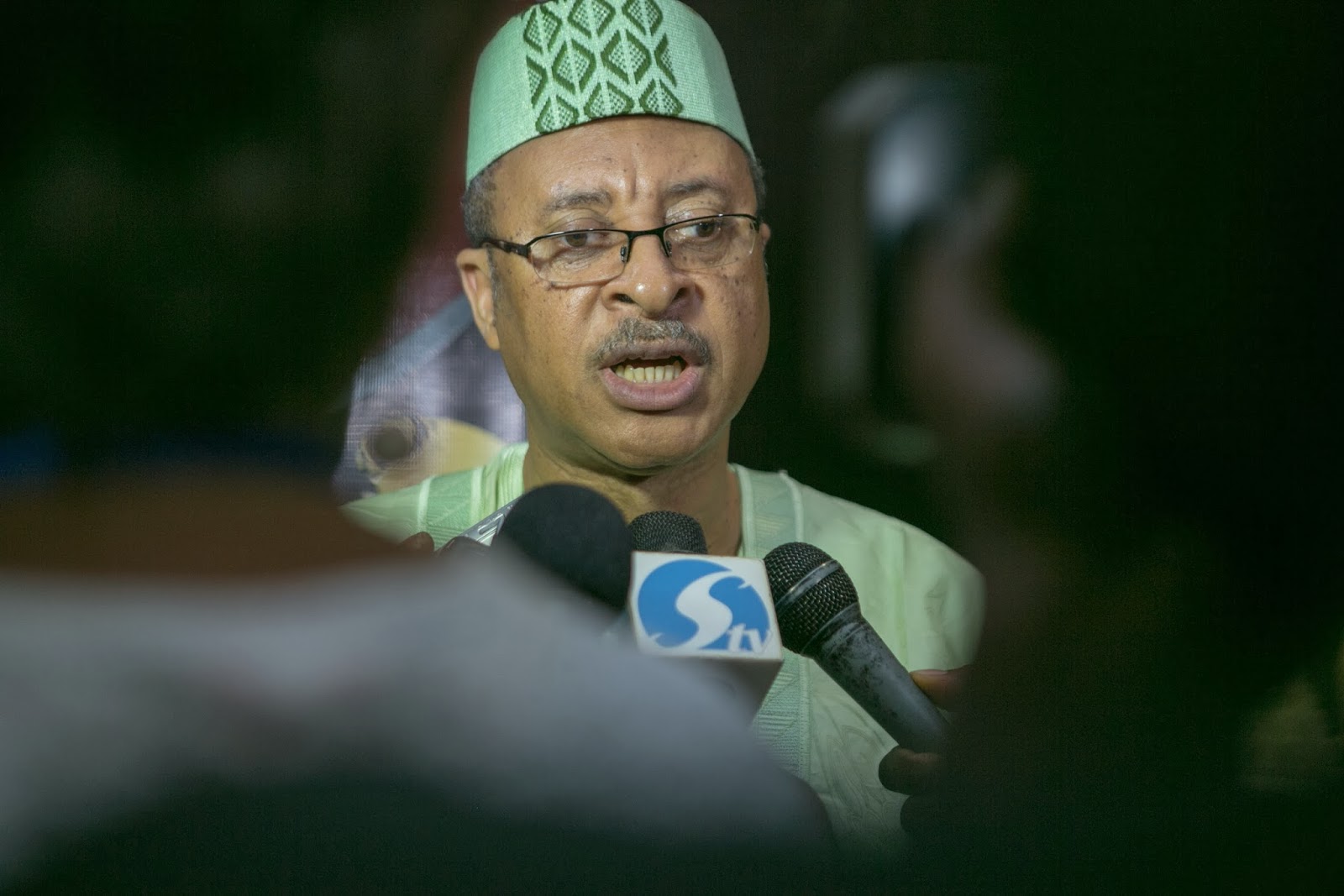

ABUJA, Nigeria — Eight opposition figures are to be invited to private negotiations aimed at choosing a single presidential candidate for Nigeria’s 2027 election.
The Movement for Credible Elections announced on Wednesday, September 16, 2026, that political economist Pat Utomi would lead the process ahead of a planned opposition strategy meeting in Ibadan.
The commission expects to complete the consultations within two weeks.
The movement said every participating aspirant and political party would be required to promise in advance that it would respect the outcome and support the candidate eventually selected.
The initiative seeks to produce a common challenger to President Bola Tinubu and the governing All Progressives Congress in the presidential election.
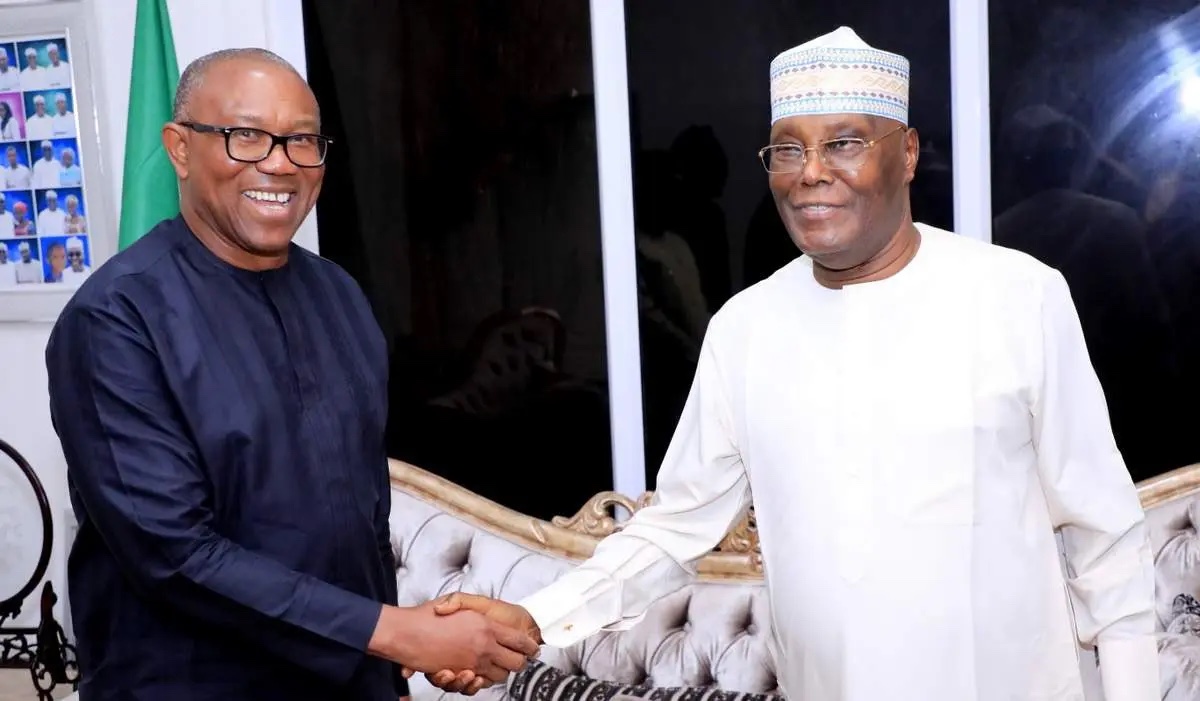
Eight Opposition Figures Shortlisted
The politicians expected to be approached are Atiku Abubakar of the African Democratic Congress, Peter Obi of the Nigeria Democratic Congress, Adewole Adebayo of the Social Democratic Party, Seyi Makinde of the Allied People’s Movement, Donald Duke of the People’s Redemption Party, Sandy Onor of the Peoples Democratic Party, Peter Agada of the Young Progressives Party, and Omoyele Sowore of the African Action Congress.
The list was disclosed by the movement’s media coordinator, James Ezema.
The candidates and leaders of their parties will meet separately with the commission before the proposed tactical session in Ibadan.
MCE said the discussions would be conducted behind closed doors to protect the negotiations from people it described as “political mercenaries and jobbers” seeking to obstruct the initiative.
The movement said previous opposition alliances had encountered difficulties when political actors who supported a united front were required to agree on who should lead it.
MCE Sets Criteria for Candidate
The group said the selection process would be governed by transparency, credibility, fairness, due process, and equal treatment of the participating aspirants.
It said the candidates would be assessed on “national acceptability, competence, integrity, leadership profile, political electability, policy orientation, commitment to democratic institutions,” as well as their capacity to unite the country and work with different social groups.
The commission will also consider each candidate’s understanding of Nigeria’s political and democratic challenges, including constitutional questions.
MCE said the parties and aspirants would collectively determine the rules governing the negotiations and the terms under which the successful candidate would receive their endorsement. It added that it would facilitate the process rather than impose a nominee.
“The Nigerian people deserve more than a coalition of political personalities,” the movement said.
It added that any alliance presented to voters should rest on ideas, competence, shared values, and a defined national programme.
The process is expected to produce both a consensus presidential candidate and a common governance agenda addressing insecurity, economic hardship, unemployment, poverty, education, healthcare, energy, electoral integrity, constitutional reform, institutional decline, and the cost of government.
MCE said reaching such an agreement would require participants to make personal sacrifices, accommodate competing interests, and recognise that no opposition party could confront the governing party effectively on its own.
Earlier Coalition Efforts
The latest initiative follows a separate appeal issued in August by a group of 100 Nigerians known as G100.
The group urged opposition leaders to subordinate personal ambitions to an electoral agreement built around one candidate, a common programme, and a coordinated strategy.
G100 appealed to political figures including Abubakar, Obi, Makinde, Bala Mohammed, Seriake Dickson, Rotimi Amaechi, Rabiu Kwankwaso, and Rauf Aregbesola. It later consulted the ADC, APM, NDC, PDP, PRP, and SDP about a possible framework for cooperation.
Utomi will be joined in the new consultations by Maryam Ciroma, Modupe Adelaja, Solomon Dalung, Uche Onyeagocha, Olusegun Mayegun, Sam Amadi, Mike Iginni, Barbara Etim James, Olawale Okunniyi, and Adum Ter Alex, among others.
MCE urged the shortlisted aspirants and political parties to enter the negotiations with an open mind and place the country’s democratic future above their individual interests.