
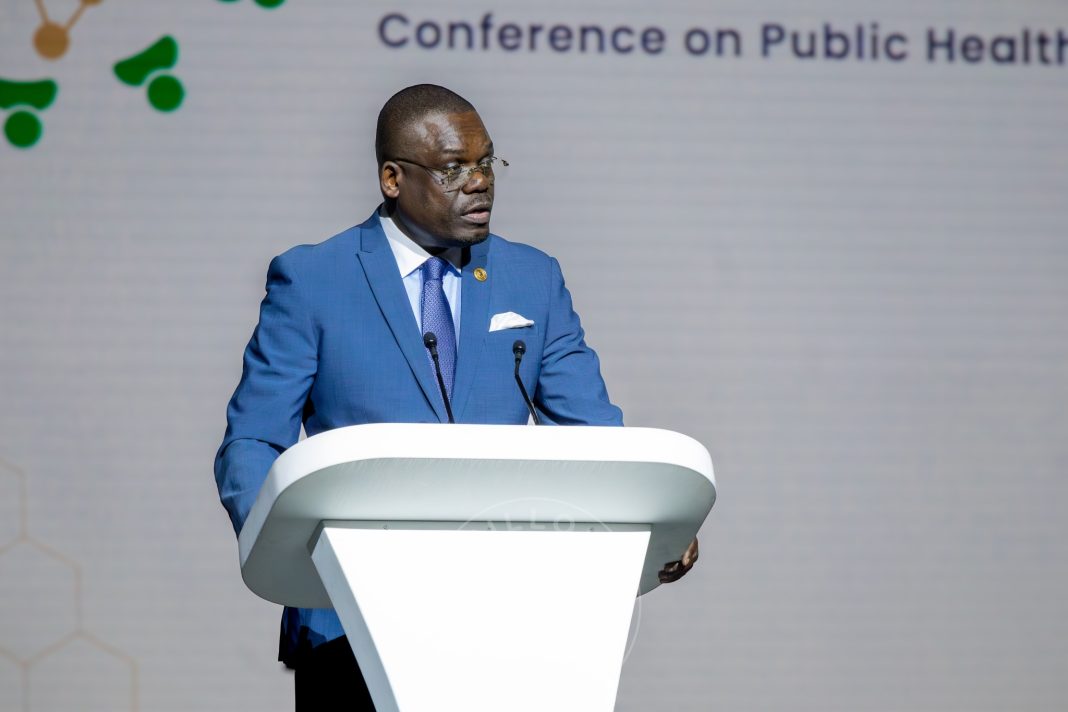

KAMPALA, Uganda — Health ministers and international public health officials from across Africa convened in the Ugandan capital on Tuesday, May 26, 2026, committing to a unified regional response to the Bundibugyo strain of Ebola, which has now spread across the Democratic Republic of the Congo and Uganda and placed neighbouring South Sudan on heightened alert.
The high-level ministerial meeting was convened by the Director General of the Africa Centres for Disease Control and Prevention, Dr Jean Kaseya, and brought together the health ministers of the DRC, Uganda and South Sudan alongside representatives of the World Health Organisation, UNICEF and the United Nations Population Fund.
Confirmed cases have reached 96, with 11 confirmed deaths.
A further 867 suspected cases and 204 suspected deaths remain under investigation across the two affected countries.
‘A regional, even continental issue’
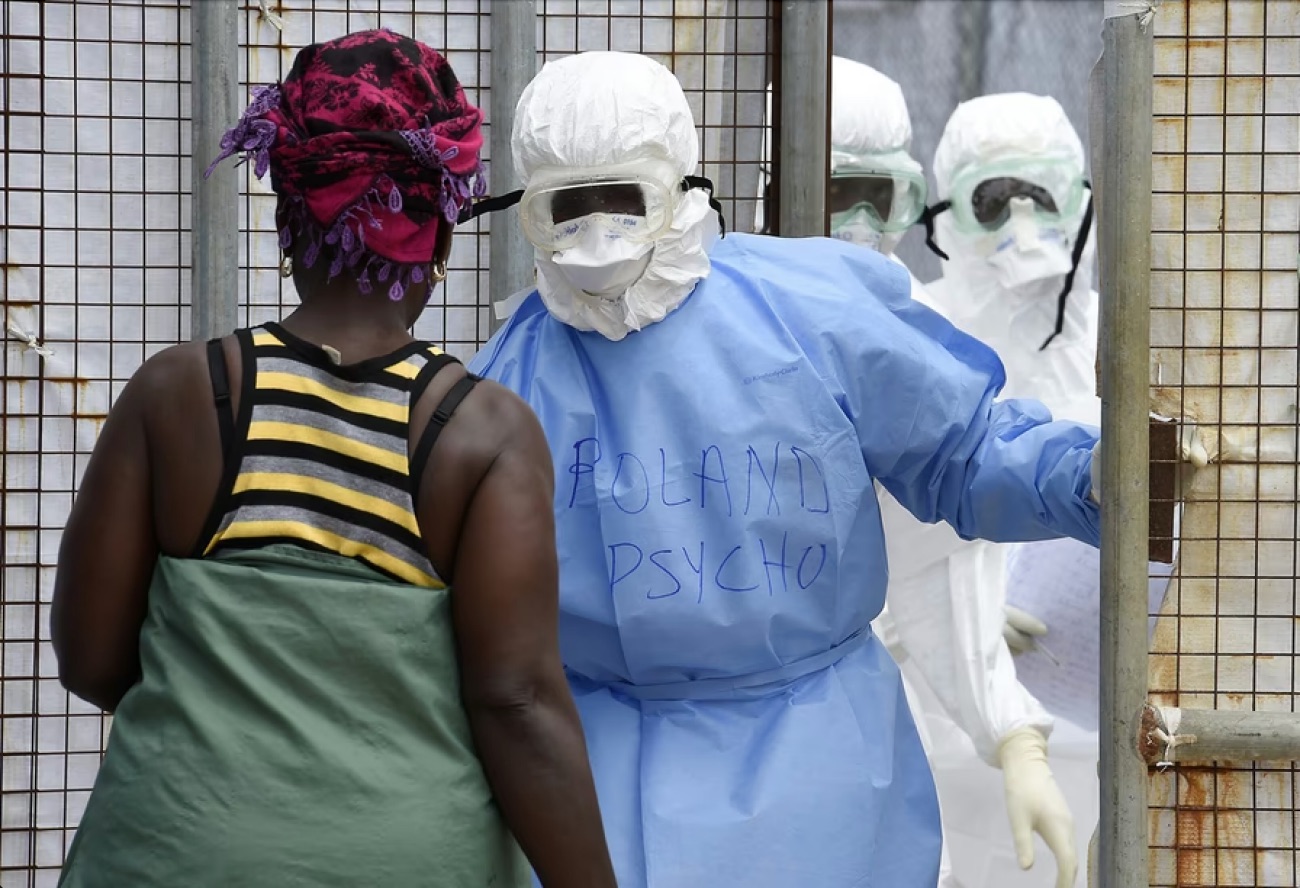
Officials were unequivocal that the outbreak could not be treated as a problem confined to any single country.
Dr Kaseya drew an explicit parallel with the early days of the Covid-19 pandemic, warning that complacency at the regional level had proven costly before.
“This outbreak is not a DRC issue, it is a regional issue,” he said.
“Those who believe that it is a DRC issue will be surprised, as it was during COVID. We need to take it as a regional, even continental issue, and deal with that.”
The Emergency Director at WHO’s Africa regional office, Dr Marie Roseline Belizaire, underscored that the scale of the outbreak exceeded what any single government or agency could manage alone.
“No single agency, no single country can respond to this magnitude of outbreak alone,” she said.
“Coordination, solidarity and collaboration are critical to this response.”
Access and laboratory constraints
The DRC’s health minister, Dr Roger Kamba, acknowledged that the response had been slowed in its early phase by both security conditions and diagnostic shortcomings.
“The delay was due to the fact that the laboratory in Bunia could not detect the Bundibugyo strain, and it was necessary to send the samples to Kinshasa,” he said.
Kamba added that the DRC government was pursuing diplomatic and mediation channels to secure access to areas under the control of the M23 armed group, so that Ebola response activities could continue unimpeded across all affected territories.
Leaders noted that the Bundibugyo strain presents a particular challenge because no approved vaccines or therapeutics currently exist for it, in contrast to the better-resourced response options available for other Ebola strains.
Intense cross-border movement and insecurity in the affected region were identified as further compounding factors.
A unified command structure
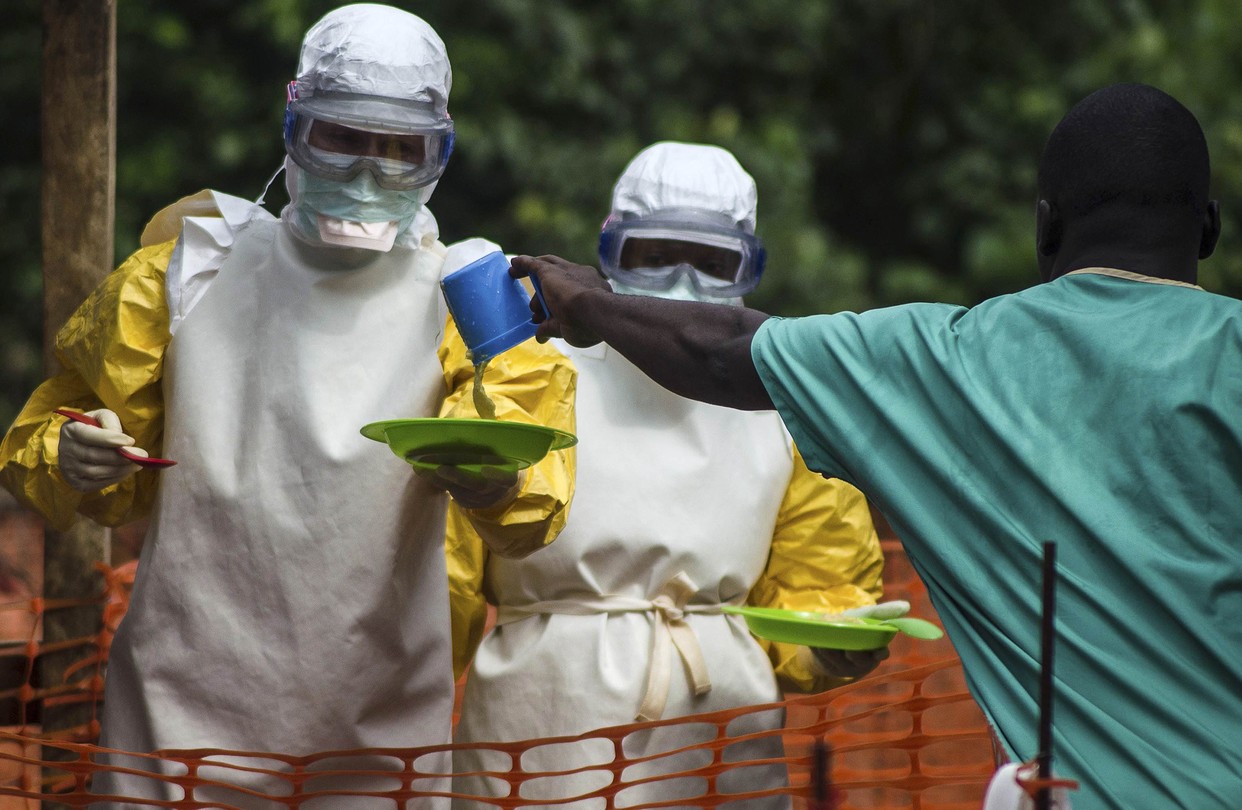
The meeting endorsed a continental response framework operating on a “one team, one plan, one budget and one implementation model” basis, to be coordinated jointly by Africa CDC and WHO through a continental Incident Management Support Team.
Uganda’s President Yoweri Museveni offered to host the team in Kampala.
Agreed measures include strengthened cross-border surveillance and early warning systems, harmonised public health protocols at formal and informal border crossings, expanded laboratory and diagnostic capacity, and reinforced infection prevention and control.
Women bearing the heaviest burden
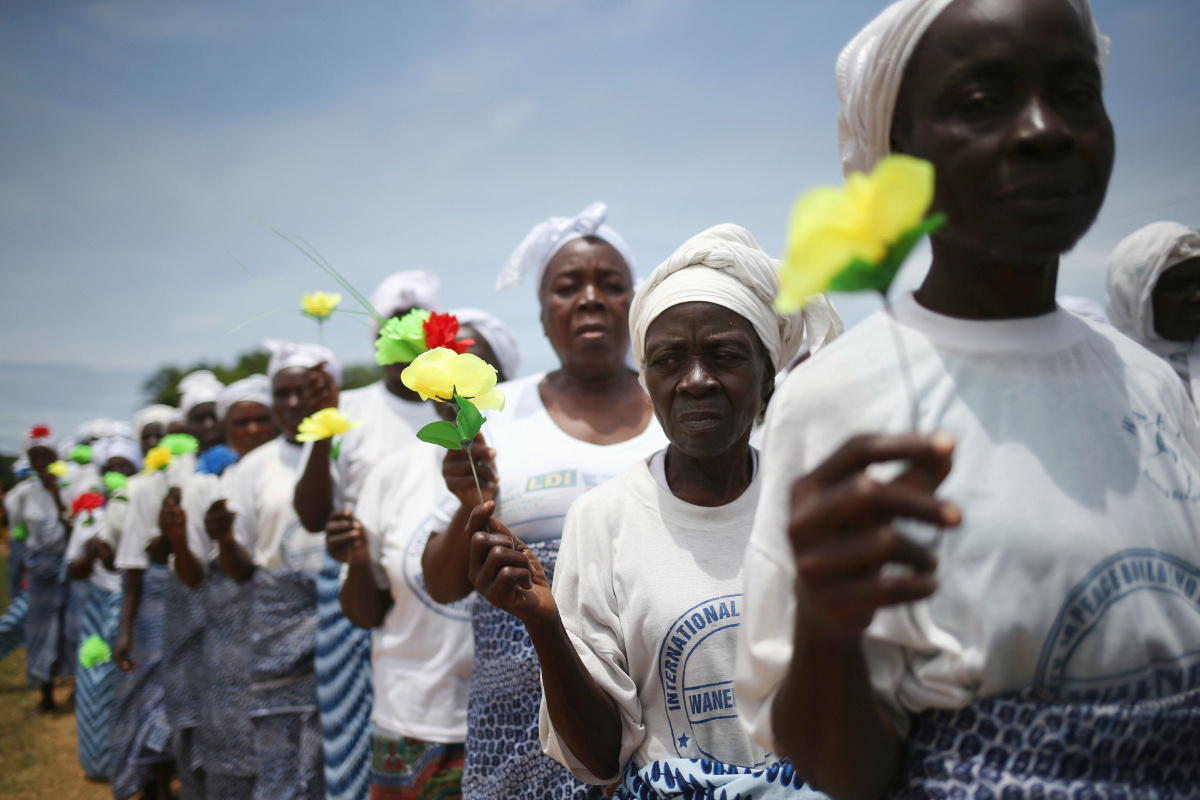
Partners drew attention to the disproportionate toll the outbreak has taken on women.
The UNFPA’s regional director, Lydia Zigomo, said women accounted for more than 60 per cent of infections recorded so far, a pattern she attributed to their role as primary caregivers both within households and on the frontlines of the health response.
“Mainly that’s because they’re frontline responders. At the home level, they’re the ones nursing sick people,” Zigomo said.
UNICEF’s regional director, Etleva Kadilli, called for the protection of essential services — health, nutrition, education and child protection — throughout the response.
“Maintaining essential services – health, nutrition and protection, especially for children, girls and women – is going to be paramount,” she said.
Funding needs
Preliminary estimates put the cost of response operations in the DRC and Uganda at approximately 264 million US dollars, with a further 54 million dollars needed to bolster preparedness in neighbouring high-risk countries, including South Sudan.
Dr Kaseya cautioned, however, that the figures had yet to be finalised as partners consolidated their needs into a joint plan and budget.