


There are Americans who live from what they earn, and Americans who live partly from what they own. They may hold similar qualifications and receive comparable salaries. Yet one depends on the next paycheque, while the other also benefits from a rising home value, retirement investments, business equity, or inherited assets.
Over time, the difference becomes an economic chasm. A salary must be earned repeatedly. An asset can appreciate while its owner sleeps, produce income, provide collateral, absorb emergencies, and pass to another generation. One household sells its time; the other increasingly has money working alongside it. This is America’s ownership divide.
America plainly has an income problem: millions are poorly paid, and asset building cannot make inadequate wages sufficient. But the deeper divide is between people who own appreciating assets and people who must continually pay to use assets owned by somebody else.
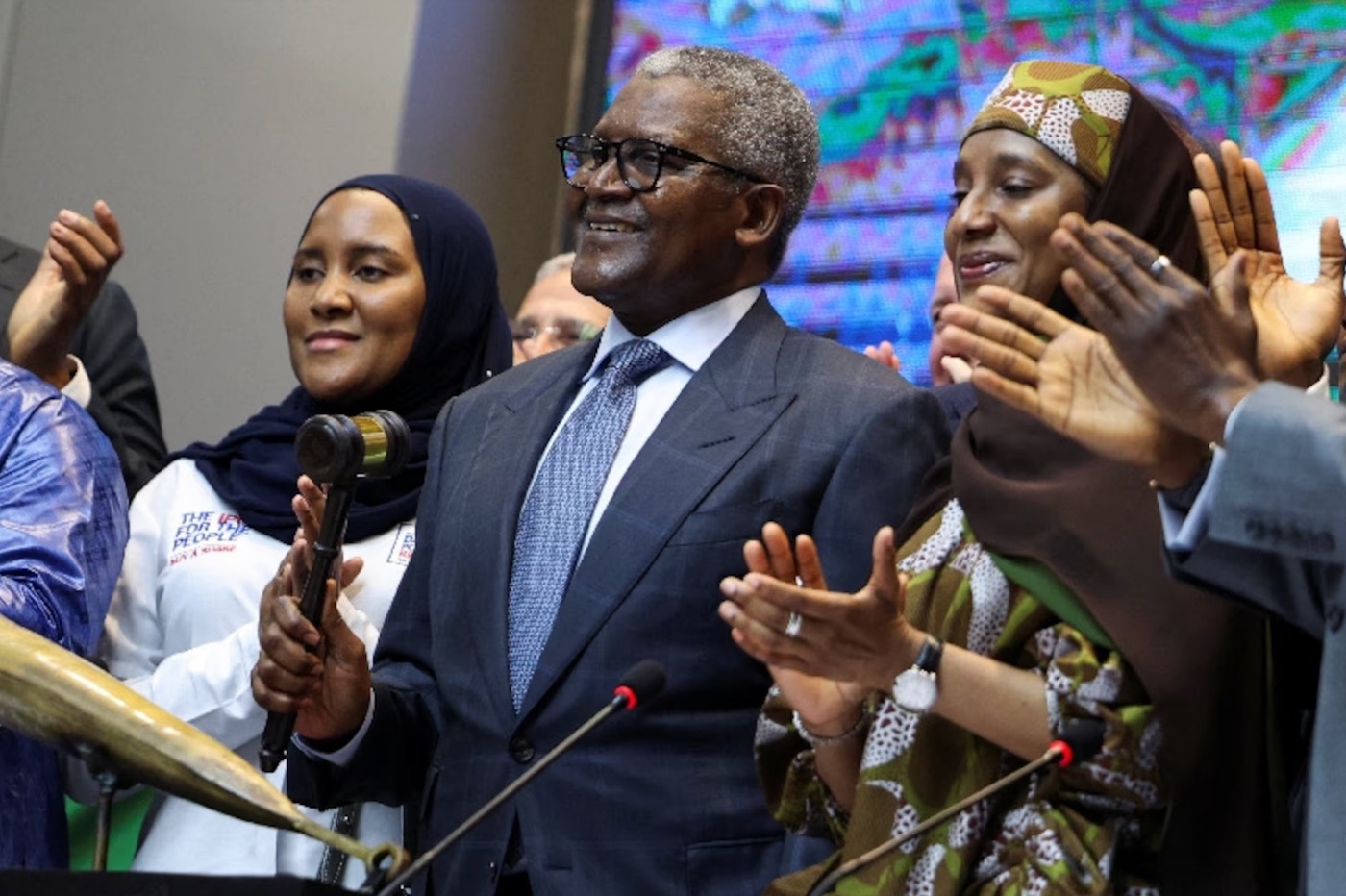
Income Pays the Bills. Ownership Changes the Future
Income is a flow: wages, fees, interest, or profits received over time. Wealth is a stock: homes, shares, businesses, land, and other assets, minus debts. Income determines what a household can consume today. Wealth determines how long it can withstand unemployment, illness, or an unexpected bill, and what opportunities it can finance tomorrow.
Federal Reserve figures show that the bottom half of American households owns less than 3 per cent of the country’s wealth. The wealthiest tenth owns 59 per cent, while the top 0.1 per cent alone owns 15 per cent. Reinvested returns compound; those without assets begin each year largely where the previous one ended.
Two families with equal incomes can therefore have radically different security. One can draw upon a home, investments, or family wealth. The other may carry student debt, pay rent, and have no cushion. A pay rise benefits both, but does not erase the balance-sheet advantage.

Why Better Wages Cannot Do All the Work
Raising pay remains indispensable. Workers cannot save what they do not earn, and ownership policies will fail if housing, healthcare, food, and childcare consume nearly every dollar. Yet wages alone struggle to catch assets whose prices are also rising.
An owner participates in appreciation. A non-owner encounters it as a higher purchase price, a larger deposit, or increased rent. The same growth becomes a balance-sheet gain for one household and a new barrier for another.
The goal is not to replace income with speculation, but to ensure that work leads gradually to a durable stake through safe, broad, long-term ownership.

Housing Is an Unequal Escalator
Homeownership has long been the principal asset-building mechanism for American families. In the second quarter of 2026, the national rate was 65 per cent, according to the Census Bureau. That figure conceals people locked out by high prices, limited supply, expensive borrowing, and the absence of family assistance.
Housing policy must address affordability and ownership. Building more homes matters because subsidies in a severely restricted market can push prices higher. Reforming exclusionary zoning, permitting denser construction where demand is strong, and converting underused property can relieve that pressure.
Supply alone will not overcome the initial wealth barrier. Assistance for first-generation buyers, shared-equity programmes, and community land trusts can lower entry costs while preserving part of ownership’s long-term benefit, without handing households unsustainable debt.
Renting should remain a secure choice. Not every household should buy, and a home can lose value or become a burden. The injustice is a system that denies renters stability while offering few alternative ways to accumulate assets.

Give Workers a Stake in What They Build
The workplace is another place to broaden ownership. Employees create the products, relationships, systems, and reputation that give a company value, yet most receive only wages. When productivity rises or a business is sold, the largest rewards flow to shareholders.
Profit-sharing, broad-based employee equity, co-operatives, and employee buyouts can connect work to wealth. When small-business owners retire, selling to employees can preserve jobs and institutional knowledge while allowing workers to acquire an asset they understand.
Such plans must supplement fair pay. They should not concentrate a worker’s entire financial life in one company: losing both a job and one’s savings is doubled exposure. Diversification, transparent valuations, and low fees are essential.
Retirement policy offers another route. In March 2025, only 72 per cent of private-industry workers had access to workplace retirement benefits, according to the Bureau of Labor Statistics. Portable accounts, automatic enrolment, and public matches for lower-paid workers would reduce administrative barriers and allow small contributions to compound over decades.

Let Every Child Begin With Capital
America treats ownership largely as a reward acquired after success. A fairer system would make modest capital part of every child’s economic beginning.
Federally seeded child investment accounts are a step towards that principle. But equal deposits can produce unequal outcomes if affluent families add far more. A stronger design would be automatic, universal, and progressively funded, with larger contributions for children from households holding little wealth.
The advantage is time. Modest sums can grow over 18 years, providing a foundation for education, a home deposit, retirement, or a regulated business investment. Such accounts recognise that inheritance already shapes opportunity; policy would ensure that some children do not begin with capital while others begin only with bills.

Who Will Own the Age of Artificial Intelligence?
The question is becoming urgent as artificial intelligence spreads. New technologies can raise productivity, but their rewards depend on who owns the models, computing infrastructure, data, and companies. The Federal Reserve has warned that AI investment returns could accrue mainly to a small number of owners if the sector becomes highly concentrated.
ALSO READ: Who Controls AI? Inside the Global Battle to Shape Humanity’s Future [MUST READ]
Training workers is necessary, but skills do not confer a claim on profits. Broad pension participation, employee equity, vigorous competition, and transparently governed public investment funds could give more households indirect ownership. Otherwise, society may celebrate higher productivity while many workers experience it chiefly as insecurity.
Ownership Cannot Replace Economic Dignity
An ownership agenda must not excuse weak wages, precarious employment, or reduced public services. A family struggling to buy food cannot compound money it does not have, and nobody should need risky investments to obtain basic security.
The durable answer is both income and ownership: adequate pay for the present, services that prevent catastrophe, and accessible assets that build independence. Income allows people to live. Ownership helps them plan, withstand shocks, exercise choice, and transfer opportunity.
America’s central economic question is whether the people whose labour builds the economy will own a meaningful part of it. A broadly prosperous society cannot consist indefinitely of a small class that accumulates and a much larger class that pays. The next American dream must offer more than the chance to earn. It must offer a genuine stake.




