


The brain depends on a continuous supply of oxygen, energy and nutrients. It also relies on healthy blood vessels to deliver them. This means that eating for better brain health is not simply about finding foods that supposedly improve memory. It is about protecting circulation, controlling blood pressure and blood sugar, maintaining brain cell membranes and reducing the damage associated with chronic inflammation.
“Superfood” has no scientific definition, and no ingredient can prevent dementia or make someone noticeably more intelligent. The evidence is stronger for dietary patterns that combine vegetables, berries, beans, whole grains, nuts, fish and unsaturated fats.
The Mediterranean and MIND diets are frequently associated with slower cognitive decline in observational research. Yet a major three-year clinical trial found that the MIND diet did not produce greater cognitive improvements than a comparison diet involving modest calorie reduction. The lesson is one of useful potential, not certainty.
These 12 foods for better brain health can contribute to a balanced pattern that supports the brain throughout life.

1. Oily Fish
Salmon, sardines, mackerel and herring supply EPA and DHA, two important omega 3 fatty acids. DHA is a major structural component of brain cell membranes, while EPA and DHA participate in processes that regulate inflammation and circulation.
The body can make limited amounts of these fats from the plant based omega 3 known as ALA, but the conversion is inefficient. The National Institutes of Health therefore identifies fish and seafood as the principal dietary sources of EPA and DHA.
Oily fish is best grilled, baked or added to soups rather than deep fried. People who do not eat fish can obtain ALA from walnuts, chia seeds, flaxseeds and rapeseed oil.
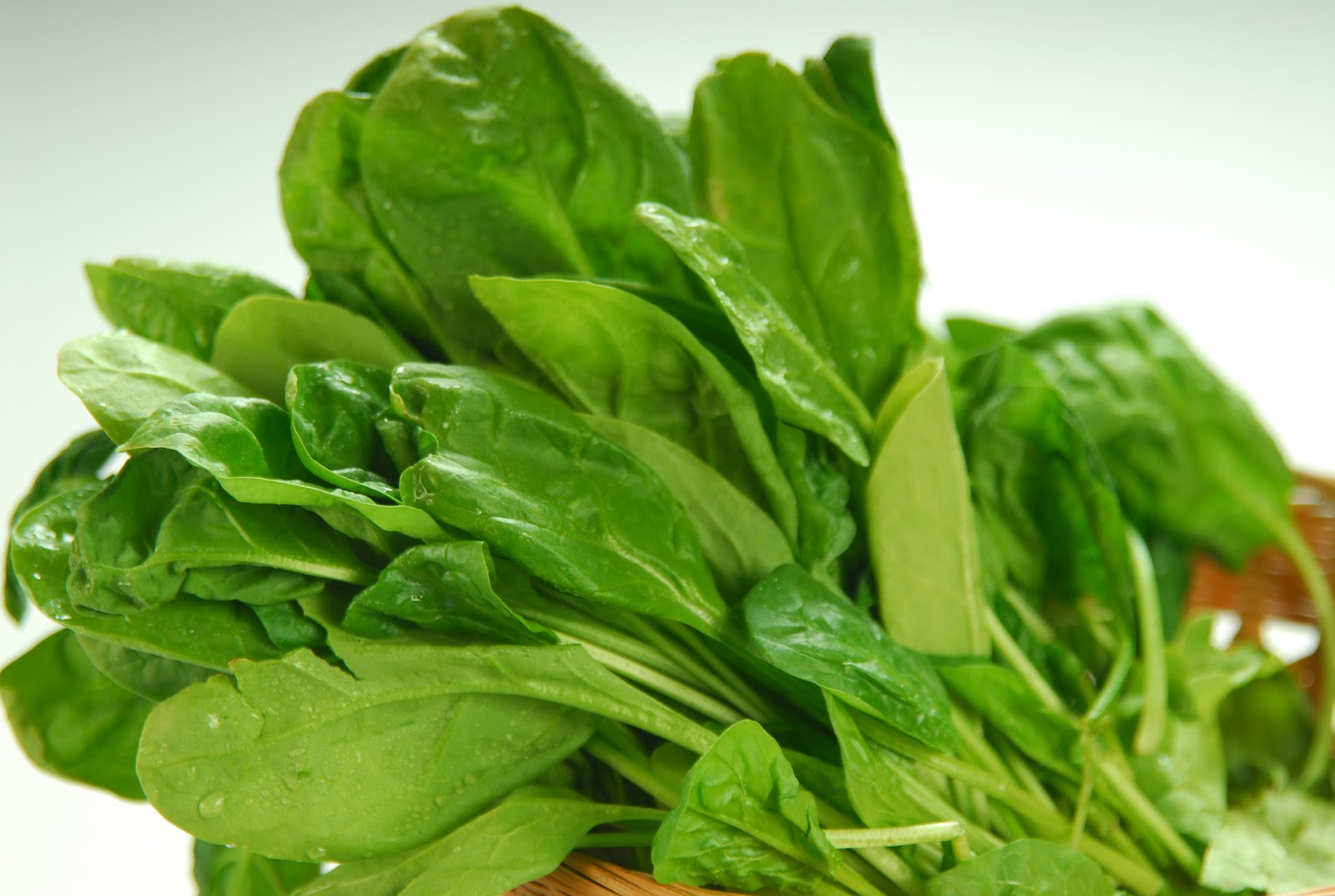
2. Dark Leafy Vegetables
Spinach, kale, collard greens and other dark leafy vegetables contain folate, vitamin K, beta carotene, lutein and vitamin E. These nutrients support processes ranging from DNA production to antioxidant defence.
Leafy vegetables may also protect the brain indirectly by helping to improve the overall quality of the diet. Replacing refined or heavily processed side dishes with greens increases fibre and micronutrient intake without adding large amounts of salt, sugar or saturated fat.
Research supported by the National Institute on Aging has linked diets rich in leafy vegetables and other plant foods with fewer signs of Alzheimer’s related changes in the brain, although this does not prove that greens alone produced the difference.

3. Berries
Blueberries, strawberries, blackberries and raspberries contain anthocyanins and other flavonoids. These plant compounds give berries their vivid colours and can influence antioxidant activity, inflammation and blood vessel function.
Their value may come from protecting the vascular system that supplies the brain rather than directly “boosting” memory. Berries are also useful substitutes for sweets because they provide natural sweetness with fibre and relatively little added sugar.
Fresh and frozen berries are both nutritious. Unsweetened frozen varieties may be more affordable and can be added to oats, plain yoghurt or smoothies.
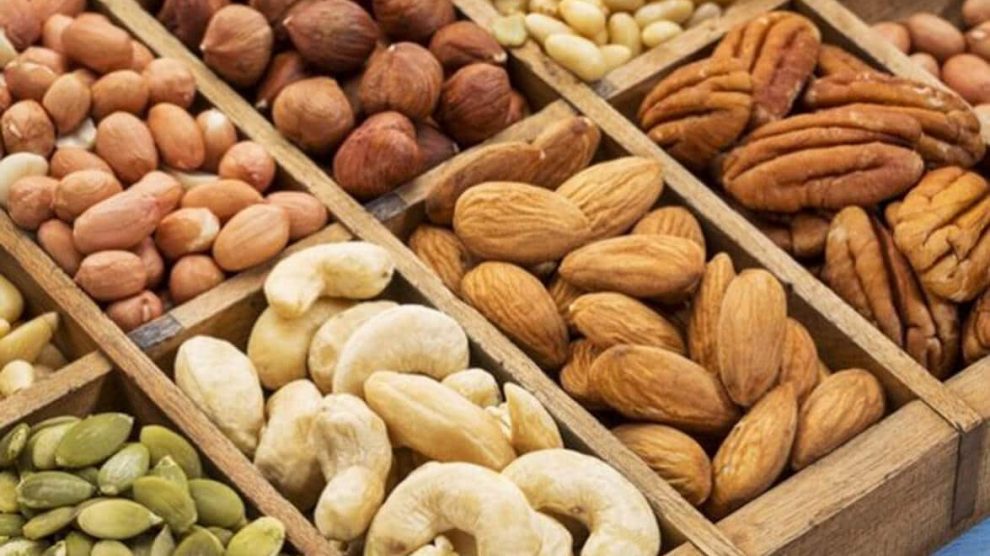
4. Walnuts and Other Nuts
Walnuts provide ALA omega 3 fat, while almonds, hazelnuts and peanuts supply vitamin E, protein and unsaturated fats. Vitamin E contributes to the protection of cell membranes from oxidative damage.
Nuts also help support cardiovascular health when they replace foods rich in saturated fat or refined carbohydrates. This matters because conditions that damage blood vessels, including hypertension and diabetes, can also threaten cognitive health.
A small handful is usually sufficient. Salted, sugar coated or heavily flavoured nuts can introduce more sodium and sugar than expected.
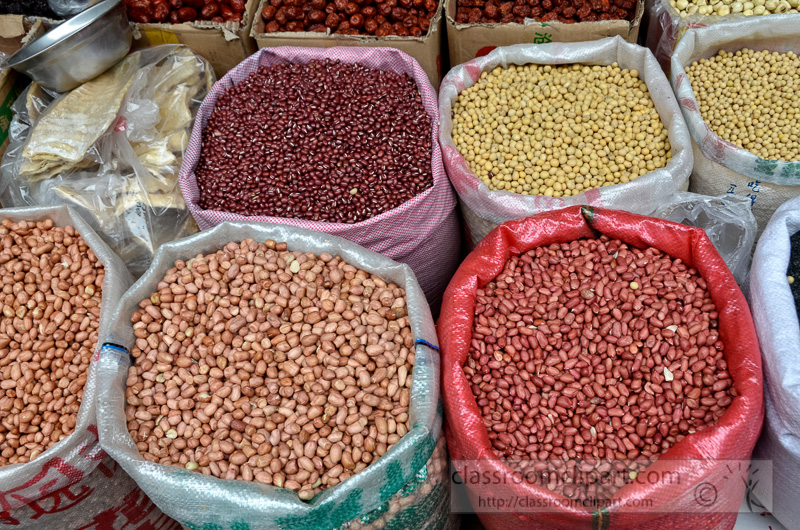
5. Beans and Lentils
Beans, lentils, chickpeas and black eyed peas combine complex carbohydrates, protein, folate, iron and fibre. The brain requires glucose for energy, but it benefits from a stable supply rather than repeated sharp rises and falls in blood sugar.
The fibre and protein in legumes slow digestion, helping meals provide steadier energy. They may also assist with cholesterol and blood sugar control, thereby protecting the blood vessels on which the brain depends.
Legumes are particularly valuable because they can replace some processed meat and refined carbohydrate dishes without making meals nutritionally incomplete.
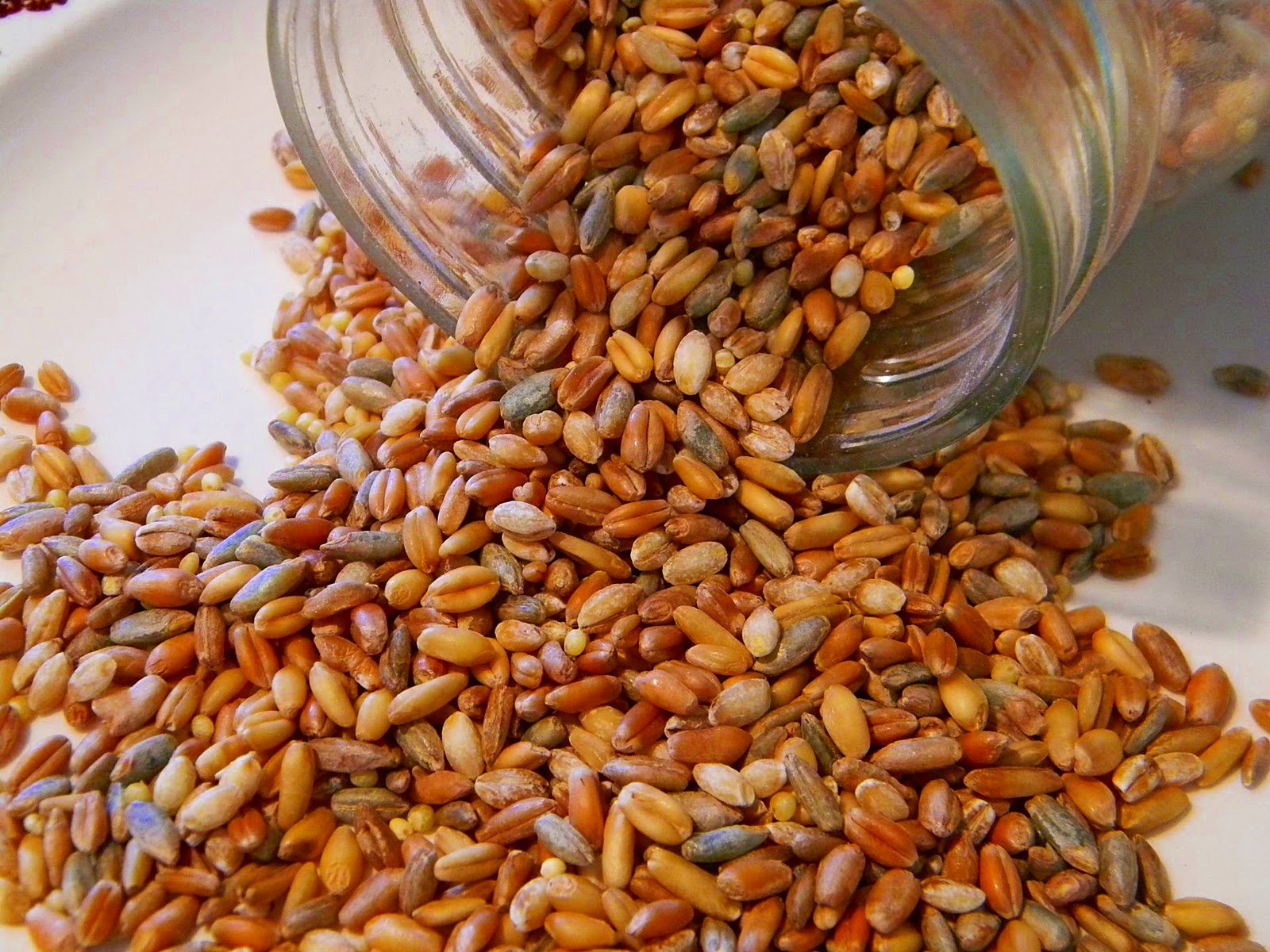
6. Whole Grains
Oats, brown rice, wholemeal bread, barley and millet provide fibre, B vitamins and carbohydrates that are digested more gradually than highly refined grains.
The brain cannot store substantial quantities of fuel, so it depends on the bloodstream for energy. Whole grains do not improve concentration instantly, but they can help reduce the dramatic blood sugar fluctuations that sometimes contribute to fatigue and difficulty concentrating.
The word “whole” matters. Brown colour alone does not prove that bread or cereal contains an intact grain. The ingredients should list a whole grain near the beginning.

7. Eggs
Eggs are a notable source of choline, an essential nutrient the body uses to make cell membrane components and acetylcholine, a chemical messenger involved in memory, attention and muscle control.
The National Institutes of Health notes that choline is necessary for the structural integrity of cells. Eggs also provide protein, vitamin B12 and selenium.
Eating more choline does not automatically produce better memory, especially when a person already receives enough. Eggs are useful because they place several important nutrients in one affordable food, not because they act as a cognitive medicine.

8. Extra Virgin Olive Oil
Olive oil is rich in monounsaturated fat and contains polyphenols, particularly when it is minimally refined. Its greatest benefit may come from replacing butter, shortening and other fats high in saturated fat.
An observational study reported by the National Institute on Aging associated regular olive oil consumption with a lower risk of death related to dementia. Observational research cannot establish cause and effect, since people who use olive oil may have other healthy habits.
Olive oil remains energy dense. It should be used sensibly in cooking and dressings rather than consumed by the spoonful.
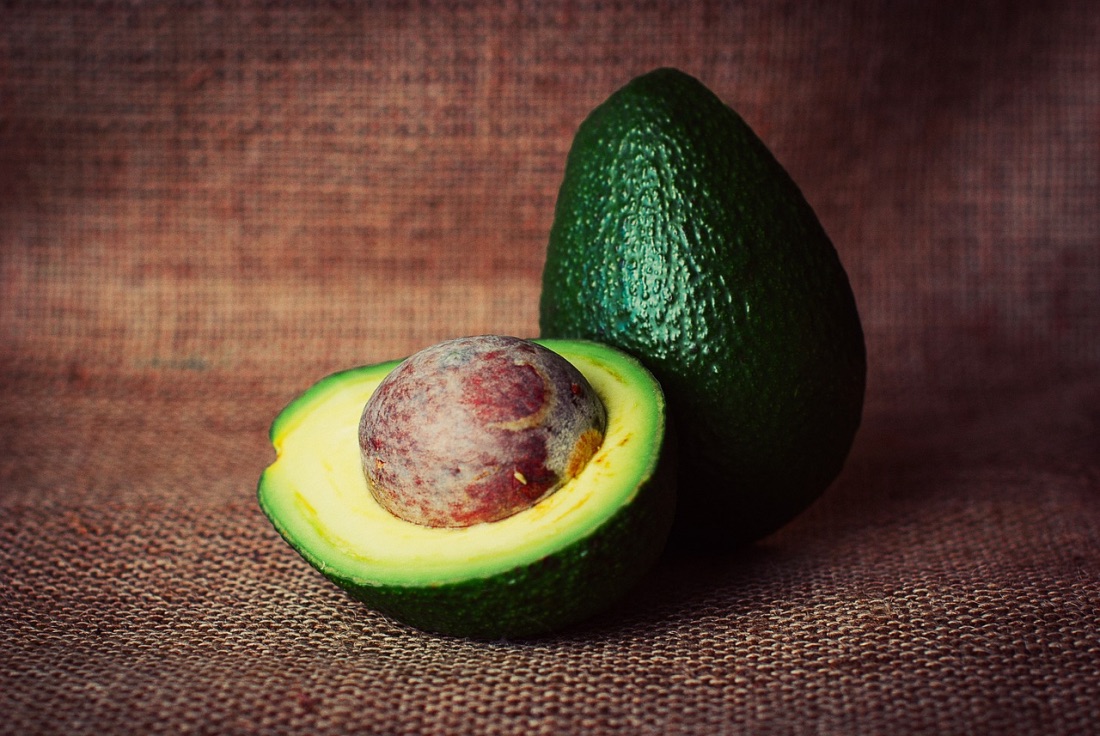
9. Avocados
Avocados provide monounsaturated fats, folate, potassium, vitamin E and fibre. These nutrients support cardiovascular health, which is closely connected to brain health.
Potassium contributes to normal blood pressure regulation, while unsaturated fats can improve the quality of a meal when they replace saturated fats. Avocado also helps the body absorb fat soluble carotenoids from vegetables.
Its role is supportive rather than extraordinary. Avocado can be replaced by nuts, seeds or healthy plant oils when it is expensive or unavailable.

10. Broccoli and Other Cruciferous Vegetables
Broccoli, cauliflower, cabbage and Brussels sprouts provide vitamin C, folate, fibre and plant compounds called glucosinolates. They also supply some choline.
These vegetables help strengthen the nutritional pattern surrounding the brain. Their fibre supports metabolic and cardiovascular health, while their vitamins participate in cellular maintenance and antioxidant defence.
Light steaming can preserve more vitamin C than prolonged boiling, but the healthiest preparation is ultimately the one that makes vegetables enjoyable enough to eat regularly.
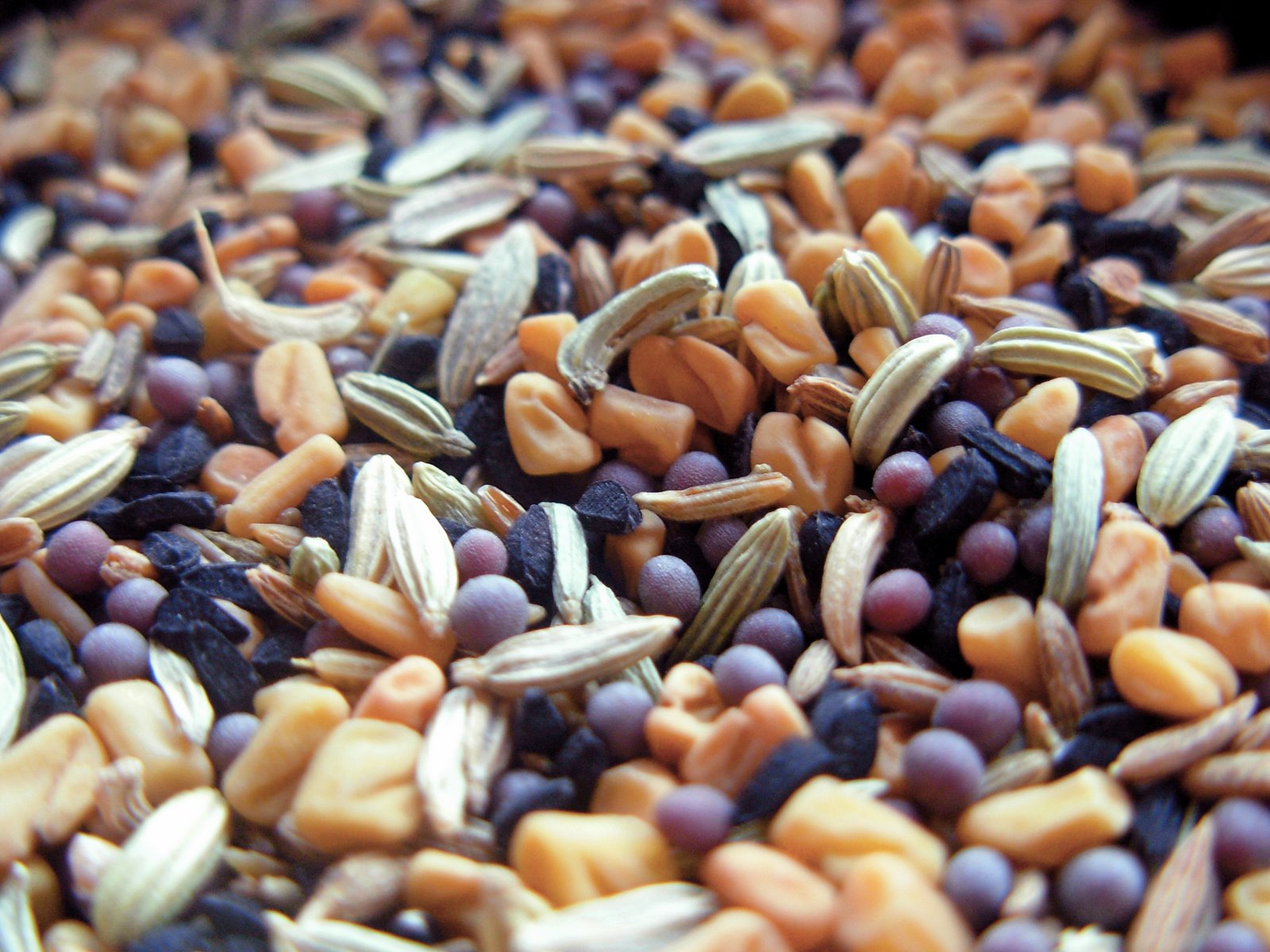
11. Seeds
Pumpkin, sunflower, flax and chia seeds contain different combinations of vitamin E, magnesium, zinc, iron and healthy fats. Flax and chia are especially rich in ALA omega 3 fat.
Magnesium and zinc participate in numerous reactions involving nerves and cellular communication. Deficiency can impair normal function, but consuming excessive amounts through supplements does not provide additional brain power and may cause harm.
Ground flaxseed is easier for the body to digest than whole flaxseed. Seeds can be sprinkled over oats, vegetables or plain yoghurt rather than eaten in large quantities.

12. Cocoa Rich Dark Chocolate
Cocoa contains flavanols that may support the function of blood vessels and blood flow. Dark chocolate with a high cocoa content generally contains more of these compounds and less sugar than milk chocolate.
The evidence does not justify treating chocolate as a dementia prevention strategy. Many chocolate products contain substantial amounts of sugar, saturated fat and calories, while flavanol content varies considerably.
A small portion of cocoa rich chocolate can be a sensible alternative to a more heavily sweetened dessert. Adding large quantities to an existing diet would cancel much of that advantage.

The Pattern Matters More Than the List
The most useful way to eat for better brain health is to combine these foods rather than search for one exceptional ingredient. A meal of grilled fish, beans, leafy vegetables and whole grains offers a wider range of nutrients than any supplement marketed for memory.
What the diet limits also matters. Frequent consumption of highly processed foods, excess salt, sugary drinks and large amounts of saturated fat can contribute to hypertension, diabetes and cardiovascular disease. Those conditions can damage the brain’s blood supply over time.
Diet is only one part of cognitive health. The World Health Organisation also emphasises physical activity, avoiding tobacco and harmful alcohol use, maintaining social and mental engagement, managing blood pressure and cholesterol, and addressing hearing loss.
The Bottom Line
Better brain health is built through repeated habits, not occasional servings of fashionable ingredients. Oily fish provides long chain omega 3 fats. Eggs contribute choline. Vegetables, berries, nuts and seeds supply protective plant compounds, while beans and whole grains support steadier energy and cardiovascular health.
None can guarantee protection from cognitive decline. Together, however, they form a practical eating pattern that supports the brain, the heart and the blood vessels connecting them.