

ABUJA, Nigeria — Nigeria’s anti-corruption commission has uncovered two additional fictitious government agencies during an investigation into a man accused of operating an unauthorised presidential investment council from federal offices.
The Independent Corrupt Practices and Other Related Offences Commission said Adeniyi Matthew Adeyemi had no government appointment and that the organisation he presented as the Presidential Foreign Intervention Promotion Council had never been legally established.
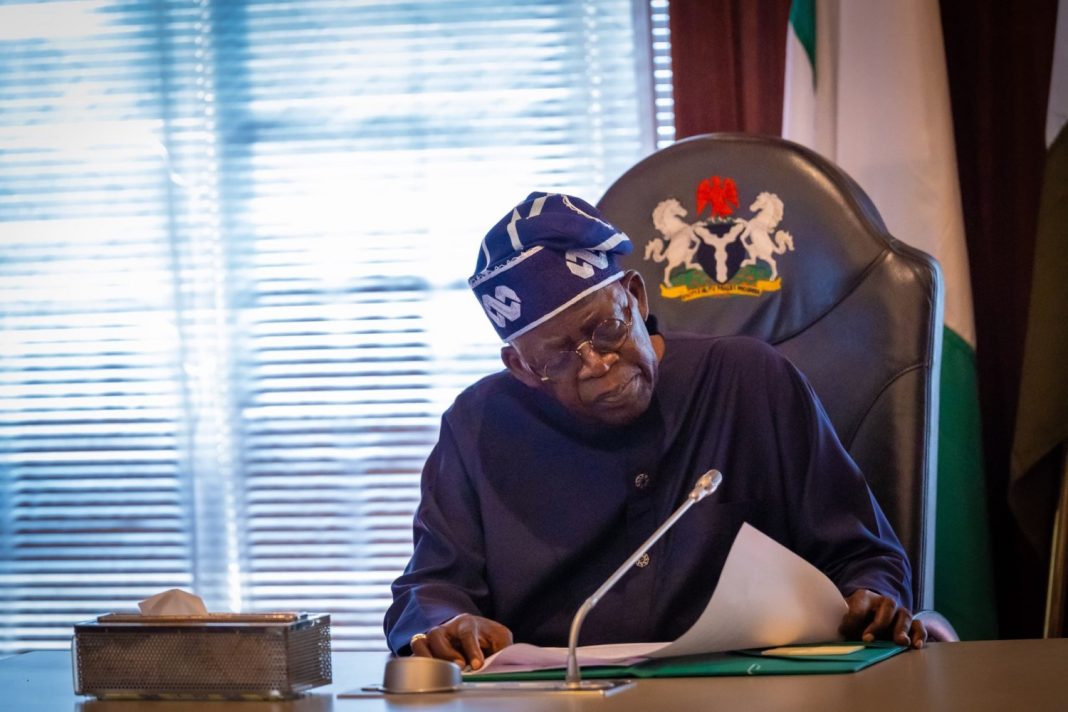
Dr Musa Adamu Aliyu, chairman of the ICPC, disclosed the findings on Thursday, August 6, 2026, after submitting an interim investigation report to President Bola Tinubu at the Presidential Villa in Abuja.
Aliyu said investigators had also identified entities styled as the FCT Investment Promotion Agency and the Foreign Investment Promotion Agency.
The organisations were allegedly supported with fabricated legal instruments and used to establish bank accounts.
“These agencies were created using forged legislative instruments and were used to open bank accounts for illegal activities,” Aliyu said.
The findings broaden an investigation that began with questions over how an organisation without statutory or executive authority obtained access to government facilities and presented itself to public institutions as a legitimate federal body.
Appointment and Establishment Documents Were Forged
Adeyemi described himself as the director-general of the Presidential Foreign Intervention Promotion Council, commonly referred to as PFIPC.
The ICPC said its investigation found no evidence that the Federal Government appointed him to that position.
The commission also found that neither the Presidential Foreign Investment Promotion Council nor the later-named Presidential Foreign Intervention Promotion Council was created by legislation, an executive order or another valid government instrument.
According to Aliyu, an appointment letter presented as proof of Adeyemi’s authority was forged. Other documents used to support the council’s claim to government status were also found to be invalid.
The ICPC said Adeyemi initially operated under the name Presidential Foreign Investment Promotion Council before substituting the word “Intervention” for “Investment.”
Investigators believe the alteration was intended to give the organisation a wider appearance of authority, including an expanded role in revenue generation.
No court has determined Adeyemi’s guilt in relation to the ICPC’s latest findings.
The commission said it was preparing criminal charges as the investigation continued.
Former Presidential Council’s Office Was Taken Over
The organisation operated from premises previously used by the Presidential Economic Advisory Council, an official body that had ceased functioning.
Aliyu said the PFIPC took possession of the former council’s offices and appropriated materials and instruments associated with it.
The location allowed the organisation to appear credible when dealing with government officials and members of the public, according to the interim report.
Investigators said the operators used that appearance of legitimacy to engage in impersonation, false representation and other unauthorised activities.
The case has raised questions about how an organisation without legal recognition was able to occupy federal office space, interact with public agencies and obtain administrative assistance.
The ICPC said gaps in verification procedures and poor coordination among some government bodies created opportunities that were exploited by the operators.
Bank Accounts Opened for Fictitious Bodies
The two additional organisations uncovered during the investigation were allegedly created through documents designed to resemble valid legislative instruments.
Aliyu said those papers were then presented to financial institutions to support the opening of accounts in the names of the fictitious agencies.
The commission did not disclose how much money moved through the accounts or identify the financial institutions involved.
It also did not say whether any individuals or private organisations made payments to the entities after being led to believe they were dealing with legitimate government agencies.
Aliyu said the investigation had not found that the Federal Government approved or released funds to the PFIPC or the former Presidential Economic Advisory Council office used by the organisation.
“The investigation found no funds were approved or disbursed for the fake PFIPC/PEAC, and there were no weaknesses in the State House or CBN system,” he said.
The finding distinguished the conduct under investigation from any authorised release of federal money by the Presidency or the Central Bank of Nigeria.
Public Officials Face Further Scrutiny
The interim report identified officials from several federal institutions whose conduct allegedly helped the organisations operate.
The affected institutions include the Office of the Secretary to the Government of the Federation, the Office of the Head of the Civil Service of the Federation, the Office of the Accountant-General of the Federation, the Budget Office and the National Information Technology Development Agency.
The ICPC has not publicly named the individual officers.
It was also not immediately clear whether investigators believed the officials knowingly collaborated with Adeyemi or failed to carry out the checks required by their positions.
The commission recommended administrative sanctions against public officers found to have facilitated the organisations’ activities through action, negligence or failure to follow established procedures.
It also proposed reforms intended to strengthen verification systems, internal controls and communication among federal ministries, departments and agencies.
Those measures are expected to make it more difficult for individuals to use forged documents to obtain official recognition, office space or access to government financial processes.
Commission Preparing Criminal Charges
Aliyu emphasised that the document presented to Tinubu was not the commission’s final report.
“The report is interim and the investigation continues to uncover more details to file criminal charges against Adeyemi and his collaborators,” he said.
The ICPC is expected to examine the creation of the additional agencies, the bank accounts opened in their names and the roles of officials who processed documents connected to them.
Investigators will also have to determine whether the organisations obtained money, contracts, services or other benefits through their representations.
The commission said prosecution had been recommended for Adeyemi, while other people found to have knowingly participated could also face charges.
Any criminal allegations arising from the investigation will require proof in court, where the defendants will be entitled to respond.
Tinubu Receives Interim Findings
Aliyu said Tinubu had taken note of the commission’s discoveries and expressed support for transparency and accountability in resolving the case.
The submission of the report places the investigation before the Presidency while the ICPC completes the criminal phase of its work.
The case has exposed the potential consequences of weak verification within government, particularly when public officers accept appointment letters, legal instruments or agency documents without confirming their origin.
It has also demonstrated how access to official premises can give an unauthorised organisation an appearance of legitimacy.
The ICPC said its investigation would continue until it had established the extent of the operation, identified those responsible and prepared the necessary charges.