
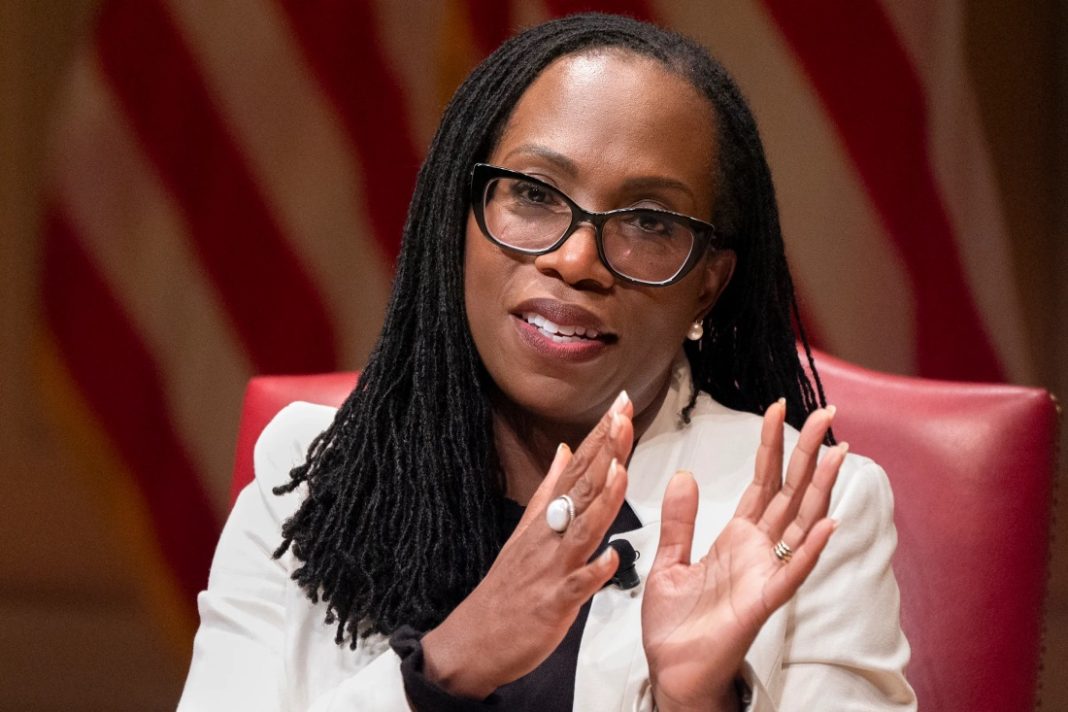

WASHINGTON, United States — Justice Ketanji Brown Jackson has criticised the US Supreme Court for what she described as an increasingly expansive use of its emergency docket, warning that rapid interventions in cases still moving through lower courts risk damaging public confidence in the judiciary.
Speaking on Thursday, September 24, 2026, at the University of the District of Columbia David A. Clarke School of Law, Jackson said the court had become less restrained in granting emergency relief, particularly in politically contentious cases.
“Our modern methods are not serving the court or the country well,” Jackson said, according to Courthouse News Service.
The remarks, delivered during the law school’s 31st annual Joseph L. Rauh Jr. Lecture, represented one of Jackson’s most extensive public criticisms of the way the court handles emergency applications.
Jackson Calls for Greater Restraint
The Supreme Court’s emergency docket allows the justices to act quickly on requests for temporary relief before a case has completed the ordinary appeals process.
Such decisions generally occur without full briefing or oral arguments, and some orders provide little or no explanation of the court’s reasoning.
Jackson argued that intervention at such an early stage should remain exceptional.
“If we’re not careful, the emergency docket can and will become an end-run around the standard review process, a special avenue that certain privileged litigants can use selectively,” she said.
She questioned why some parties should receive accelerated access to the Supreme Court while other litigants wait for their cases to move through the established judicial process.
Jackson said previous courts had traditionally exercised greater restraint when considering requests to interrupt proceedings before lower courts had reached final decisions.
She cited the late Justice Antonin Scalia as an example of a justice who had imposed a demanding standard on parties seeking such relief.
The current Supreme Court, Jackson said, “has been noticeably less restrained, especially with respect to pending cases that involve controversial matters,” according to The Washington Post.
Trump Administration Cases Feature Prominently
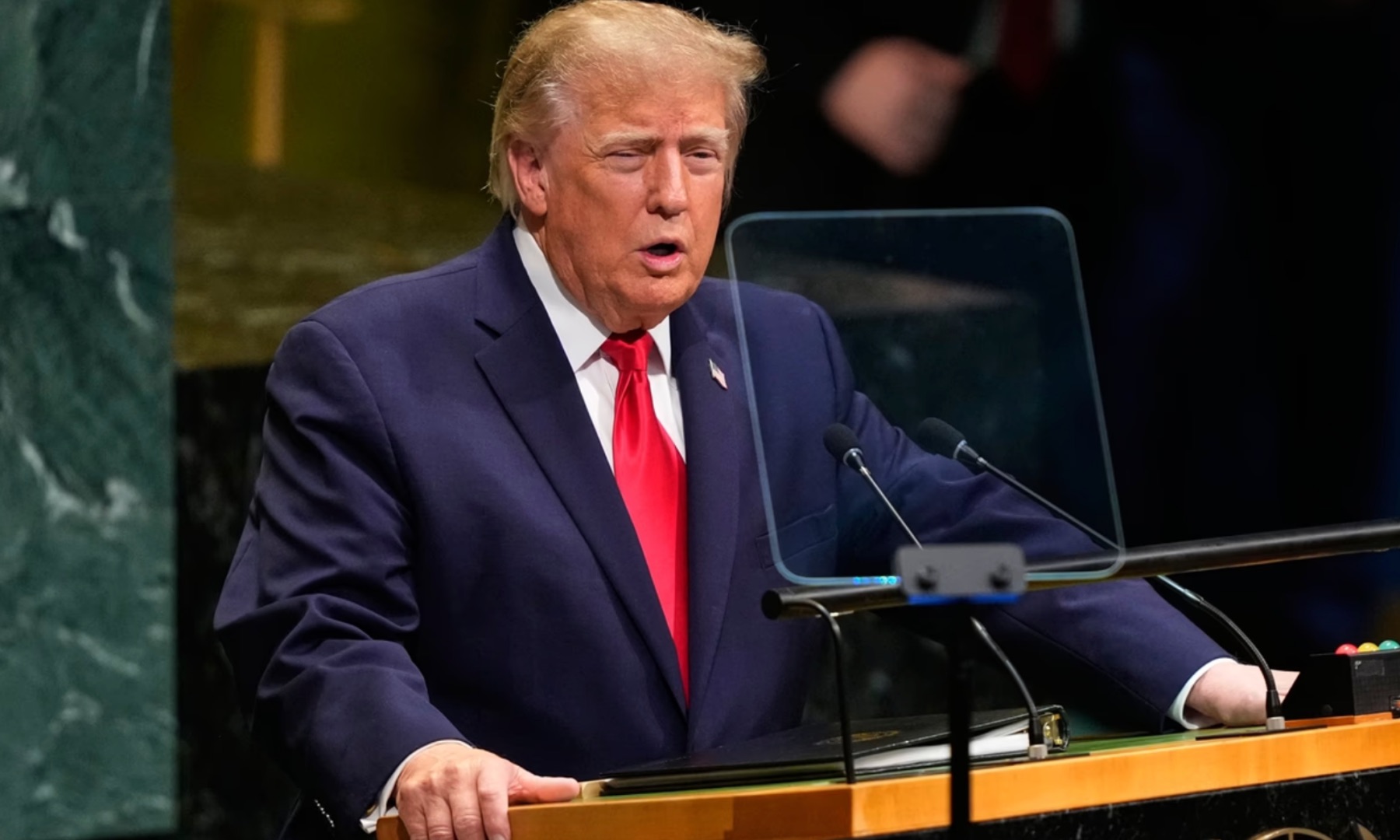
Jackson referred to several recent emergency rulings involving President Donald Trump’s administration.
The court has used emergency orders to allow the administration to proceed, at least temporarily, with actions including substantial reductions at the Education Department, the cancellation of federal grants, and broader latitude for immigration agents conducting investigative stops.
Jackson also acknowledged cases in which the court has rejected requests from the Trump administration.
Those included a decision preventing Trump from deploying the National Guard to Chicago and a more recent order blocking his administration’s proposed restrictions on mail-in voting.
Her criticism therefore focused on the court’s procedures and standards for emergency intervention rather than solely on which party prevailed.
Justice Elena Kagan has previously said the court has improved the amount of explanation accompanying some emergency orders.
The emergency docket has nevertheless remained a source of disagreement among the justices and legal scholars over how frequently the Supreme Court should intervene before lower-court proceedings are completed.
Jackson Warns of Damage to Public Confidence
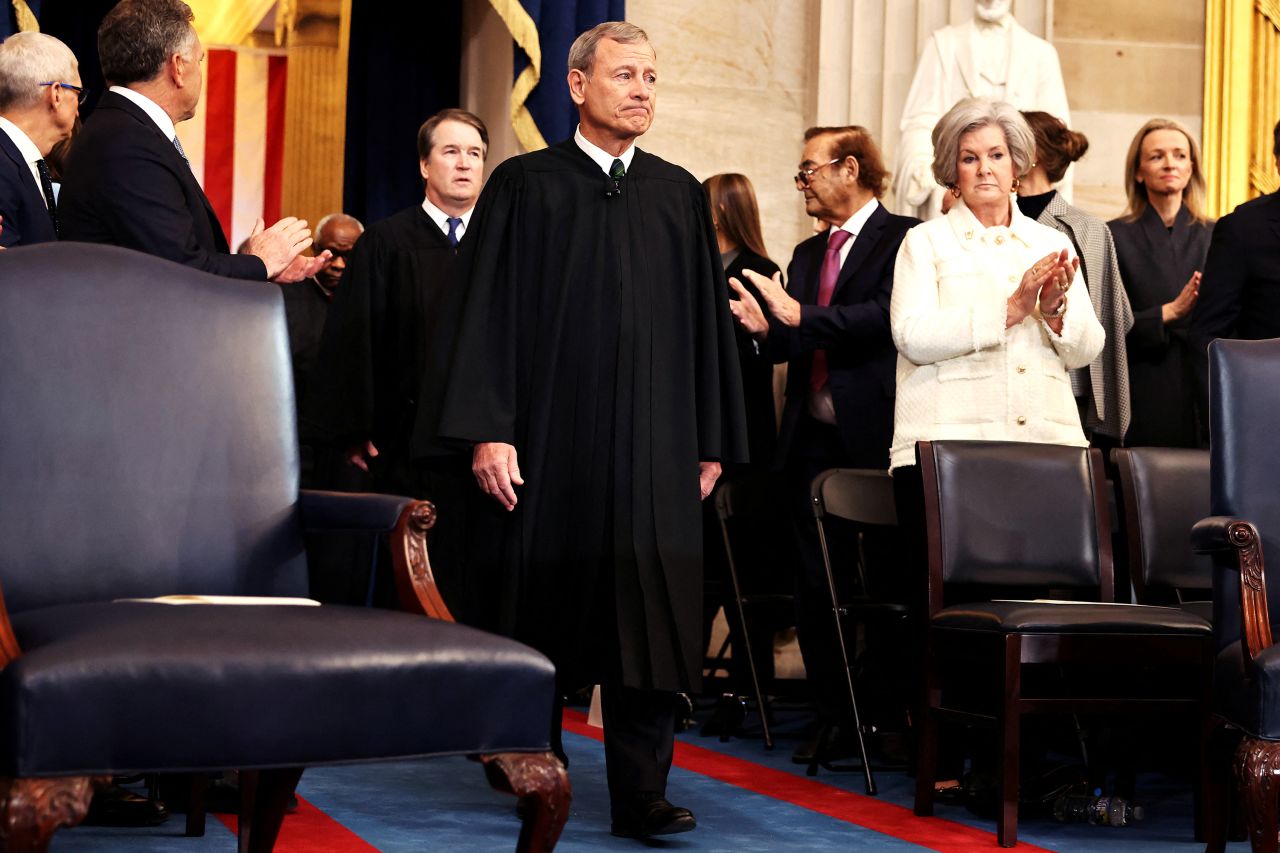
Jackson said decisions issued without a full explanation could undermine confidence in the judiciary when they produce immediate consequences for people affected by government action.
“We cannot expect the public to have faith in our judicial system if, without clear explanation, we are consistently green-lighting harmful acts that do real damage to litigating plaintiffs,” she said.
She proposed that the court give greater weight to whether a genuine emergency exists before considering the likely merits of the underlying legal dispute.
Under the approach she described, applicants would first have to demonstrate that waiting for the normal appeals process would cause an imminent harm that could not later be remedied.
Jackson has repeatedly criticised the court’s emergency procedures in her written dissents.
In an August 2025 opinion, she described the majority’s approach as “Calvinball jurisprudence,” invoking the fictional game from the comic strip Calvin and Hobbes in which the rules continually change.
Her latest remarks came shortly before the Supreme Court begins a new term and as the justices continue to receive emergency applications involving major disputes over immigration, elections, executive authority, and other federal policies.