
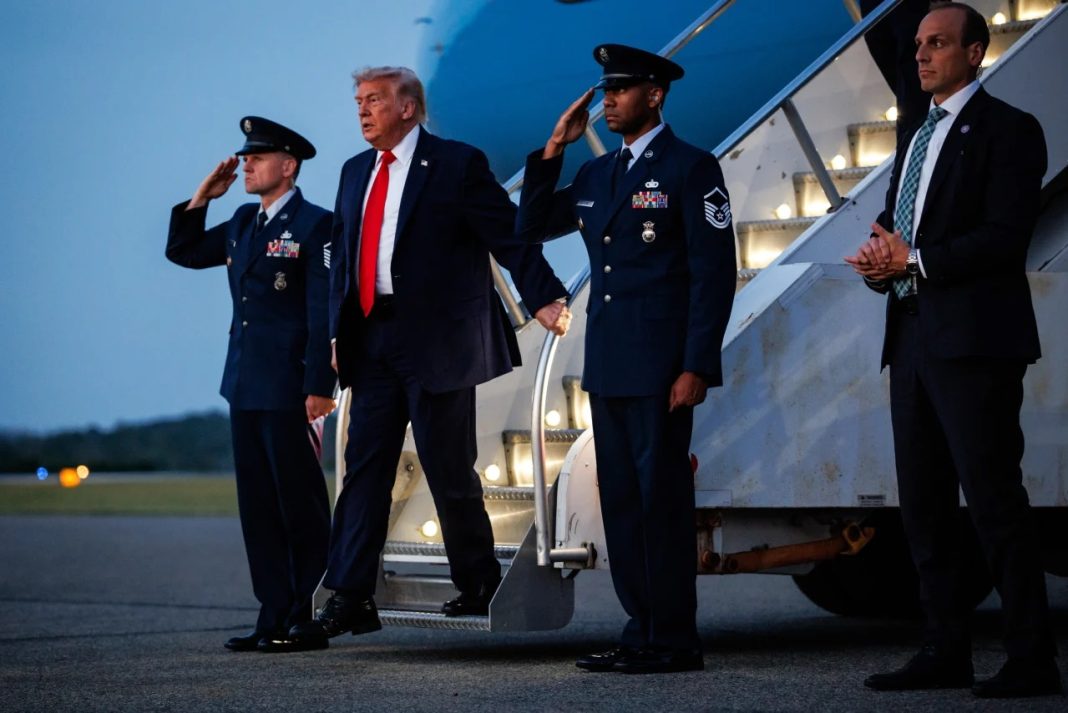

DUBAI, United Arab Emirates — President Donald Trump said on Tuesday, June 9, 2026, that Iran was responsible for downing an American military helicopter near the Strait of Hormuz.
According to the US president, the United States “must” respond, escalating tensions a day after Iran and Israel exchanged fire in the most serious breach yet of the fragile ceasefire in the ongoing war.
The two crew members of the AH-64 Apache attack helicopter survived after spending approximately two hours in the water and were rescued by an unmanned drone boat.
This is the first known drone rescue at sea conducted by the American military, according to Captain Tim Hawkins, a spokesman for United States Central Command.
Trump, speaking to journalists in New York on Monday night, said the pilots were uninjured.
The helicopter crashed at approximately 3:30 a.m. local time Tuesday off the coast of Oman while on patrol, Central Command said.
Military officials have not disclosed a cause, and the incident is under investigation.
The drone vessel used in the rescue, a 24-foot craft called a Corsair manufactured by Saronic Technologies, was assigned to the Navy’s Task Force 59, established in 2021 as the Navy’s first uncrewed and artificial intelligence unit, focused on maritime security in the Middle East.
Negotiations and Hard-Line Positions
Despite the escalating military incidents, Trump expressed fresh optimism about the prospect of a deal with Iran, saying there was “a good chance” of signing an agreement within “two or three days,” though he offered no specific basis for that assessment.
He has repeatedly predicted a deal was imminent in the two months since an initial ceasefire was agreed.
“We’re very close to having a very, very good, strong, powerful deal,” Trump said, while cautioning against renewed bombing.
“If we do the bombing, you know, a lot of people are going to be killed. Who wants to do that? I don’t.”
Mediators led by Pakistan have been working for weeks to bridge the gap between the two sides.
The United States is pressing Iran to surrender its stockpile of highly enriched uranium, believed to have been buried in the aftermath of American airstrikes during a 12-day war in 2025.
Iran has rejected that demand, calling instead for sanctions relief and the release of frozen assets before any final agreement, a condition Trump has refused.
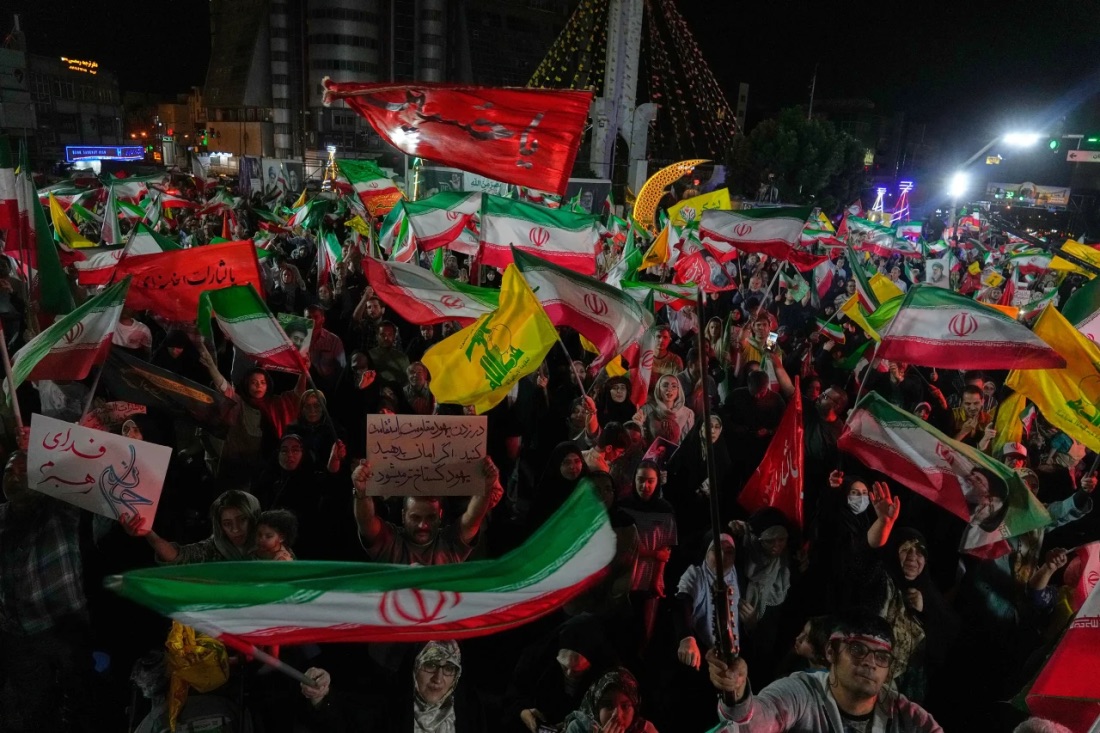
Iranian parliament Speaker Mohammad Bagher Qalibaf struck a more sceptical tone on Monday, saying Trump’s public statements on a possible deal “contradicted the agreed-upon sections” and suggested the United States was “neither seeking a ceasefire nor dialogue.”
Lebanon Front
The conflict in Lebanon continued to complicate diplomatic efforts.
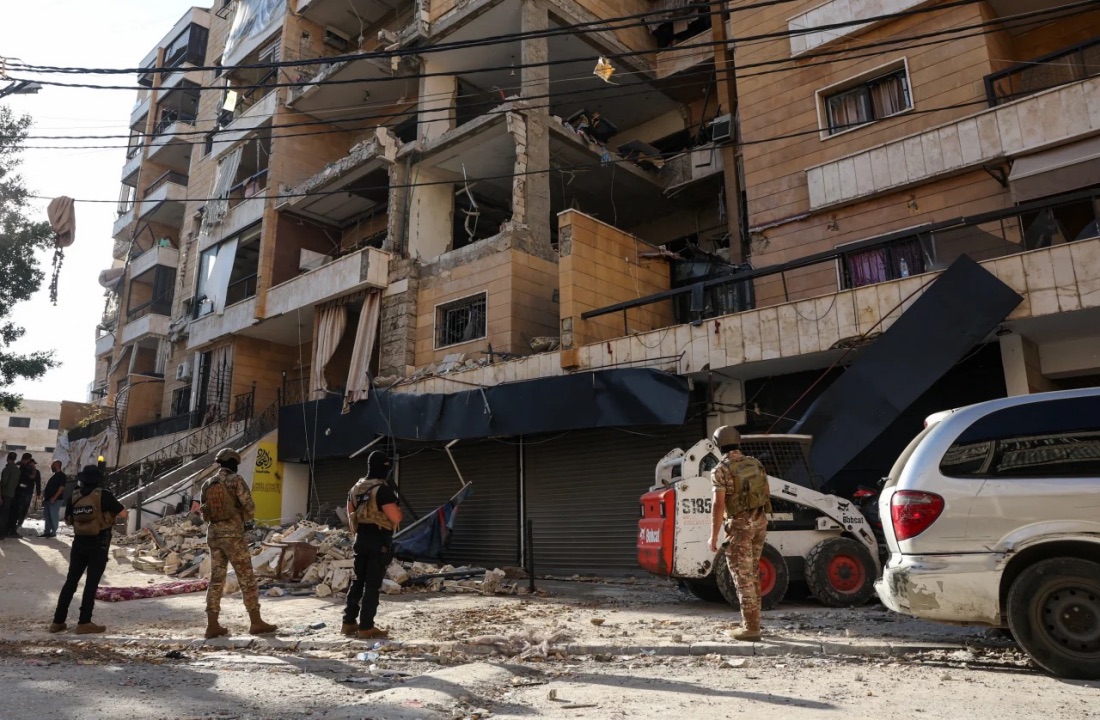
The Israeli military on Monday issued an evacuation warning for Tyre, Lebanon’s southern port city, including its Christian quarter, which had previously been spared from airstrikes.
Israeli military Arabic-language spokesman Avichay Adraee posted on X that the military “will have to act against their terrorist activities in the neighbourhood soon.”
Lebanon’s army chief, General Rodolphe Haykal, travelled to Pakistan on Tuesday and met with Field Marshal Asim Munir, Pakistan’s army chief and a central figure in the Iran-United States talks.
Lebanon’s government has taken an increasingly firm stance toward Hezbollah but has been unable to disarm the powerful militia.
Hezbollah on Tuesday thanked Iran for attacking Israel “in defense of our Lebanese people,” and suggested the Lebanese government use the moment to strengthen ties with Tehran.
Iranian state television reported that Israeli attacks had killed at least two members of Iran’s air-defence units.
The broader conflict, which began on 28 February when the United States and Israel launched strikes on Iran, has rattled the global economy, pushed up energy prices and driven up the cost of basic goods including food.