
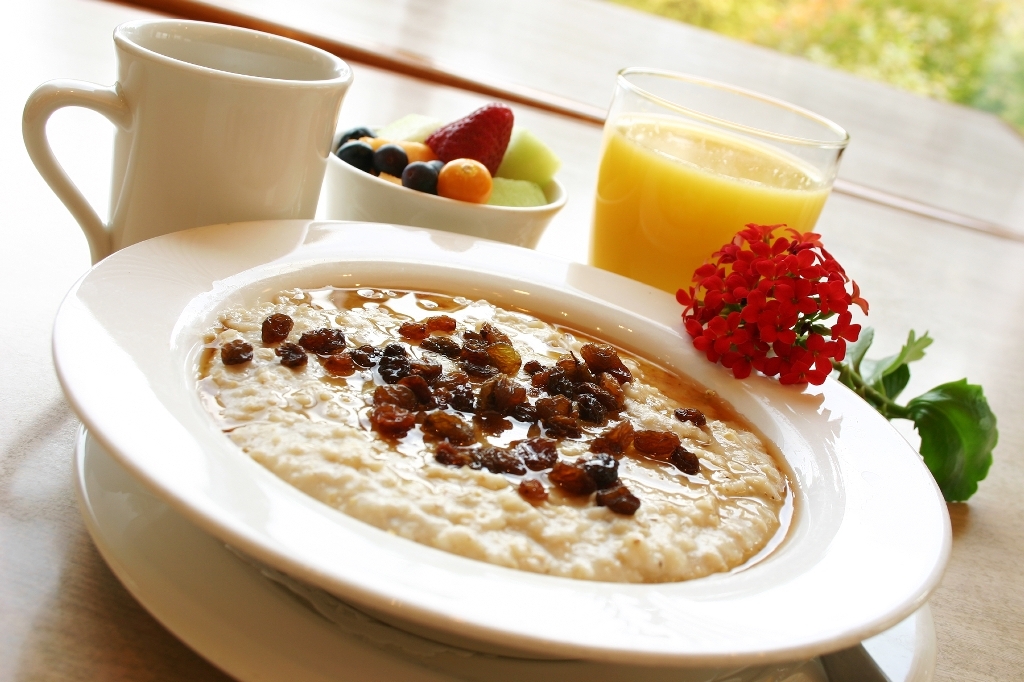

Healthy food can still be too much food.
That sentence sounds almost rude in a culture that has taught people to divide meals into moral categories: clean or dirty, good or bad, virtuous or guilty. But the body is more practical than our slogans. It cares about nutrients, yes, but it also cares about quantity, balance, timing and total energy intake.
A food can be nourishing and still contribute to weight gain when portions quietly expand. Almonds are healthy. Avocados are healthy. Olive oil is healthy. Whole grains, smoothies, yoghurt, hummus and protein bars can all have a place in a sensible diet. But none of them is exempt from the basic truth that excess energy, consumed consistently over time, can be stored by the body.
The point is not to fear these foods. The point is to understand them. Here are 12 healthy foods that can support the body beautifully — but can also lead to weight gain when eaten without attention.
1. Nuts
Nuts are among the most nutritious snack foods available. Almonds, walnuts, cashews, pistachios and peanuts provide healthy fats, protein, fibre, minerals and antioxidants.
The problem is not the nut. It is the handful that becomes five handfuls.
Nuts are calorie-dense because they are naturally rich in fat. That fat is mostly the healthier kind, but it still carries energy. A small serving can be helpful and satisfying. Eating directly from a large bag while watching television or working at a desk can quickly become more than intended.
The better approach is simple: portion them before eating. A small handful is usually enough.
2. Nut Butter
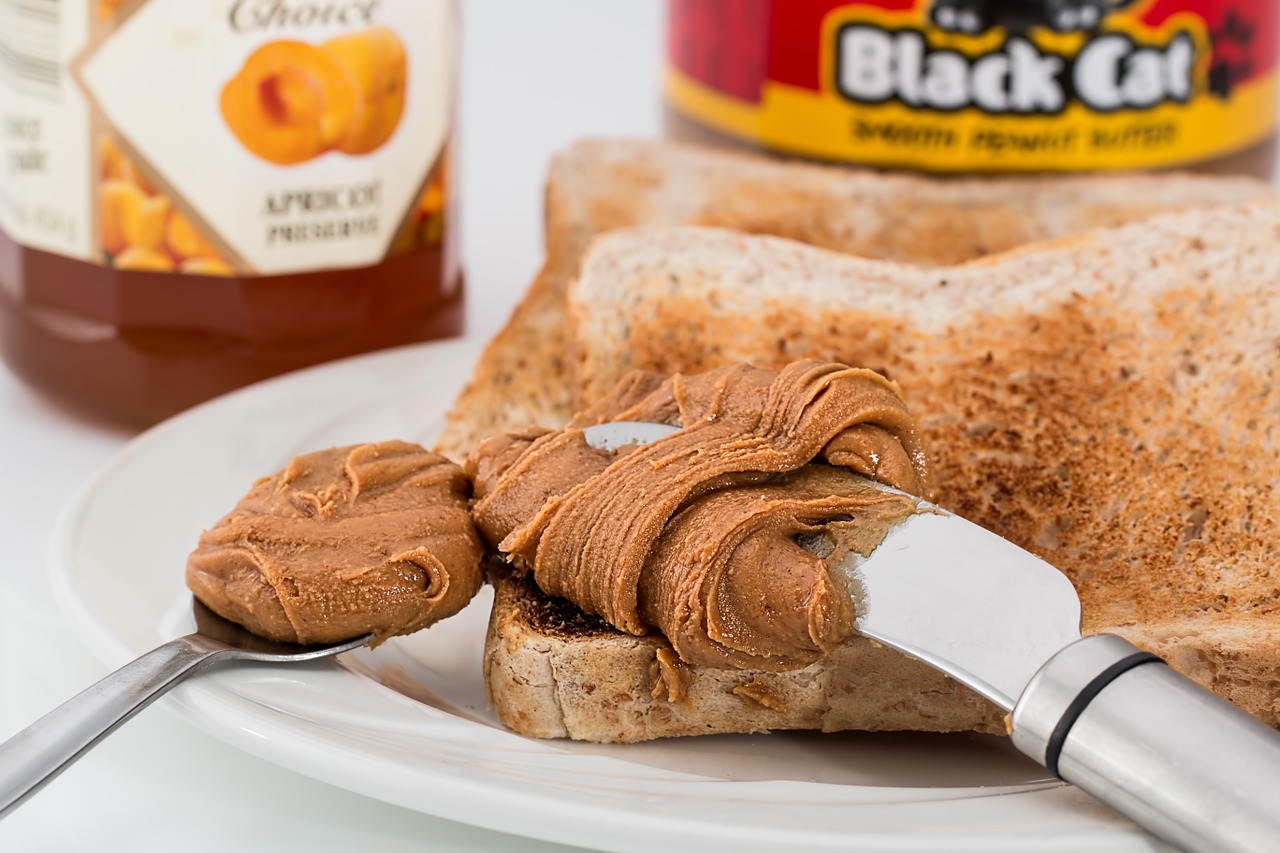
Peanut butter, almond butter and cashew butter can be excellent additions to meals. They bring flavour, healthy fats and some protein.
But they are easy to underestimate. A spoonful can become three. A light spread can become a thick layer. A smoothie with nut butter, banana, milk, honey and oats can move from snack to meal without anyone noticing.
Choose versions with minimal added sugar and oils where possible. Use nut butter as an ingredient, not as something to eat endlessly from the jar.
3. Avocado
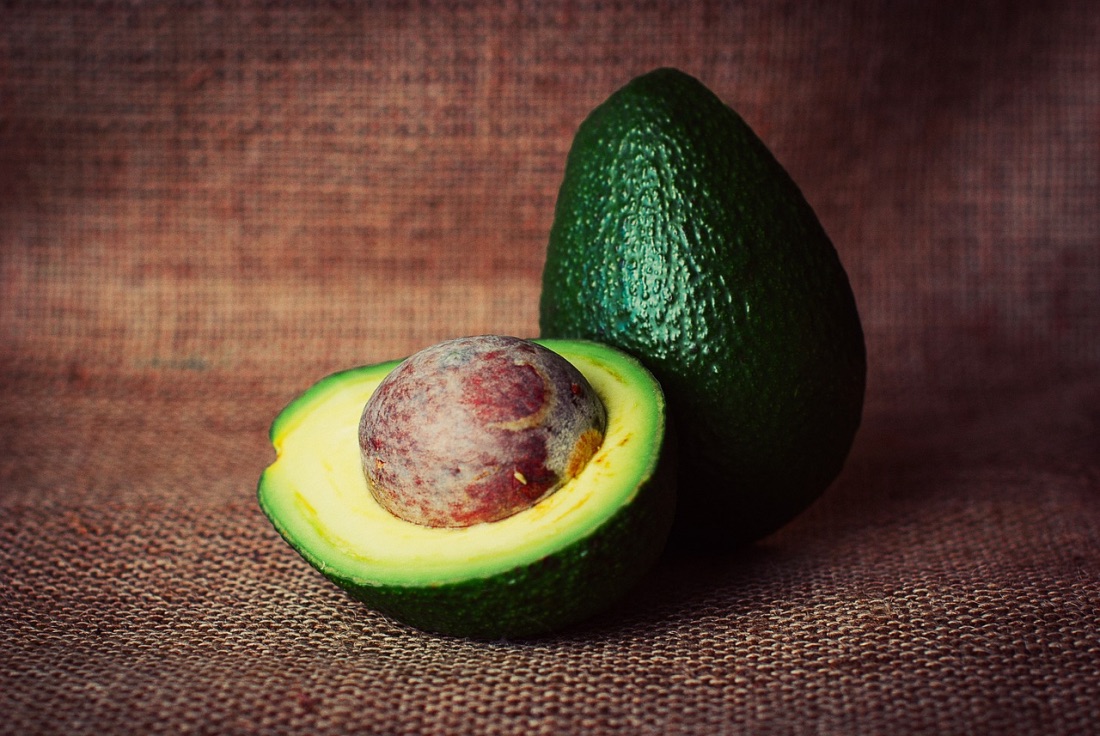
Avocado deserves much of its good reputation. It contains fibre, potassium and heart-friendly unsaturated fats. It can make meals more filling and satisfying.
But avocado is not a free food. One whole avocado can add significant energy to a meal, especially when paired with toast, eggs, cheese, oil, mayonnaise or creamy dressings.
The solution is not to abandon avocado. It is to treat it as a fat source. If a meal already contains oil, cheese, nuts or fatty fish, a smaller portion of avocado may be enough.
4. Olive Oil
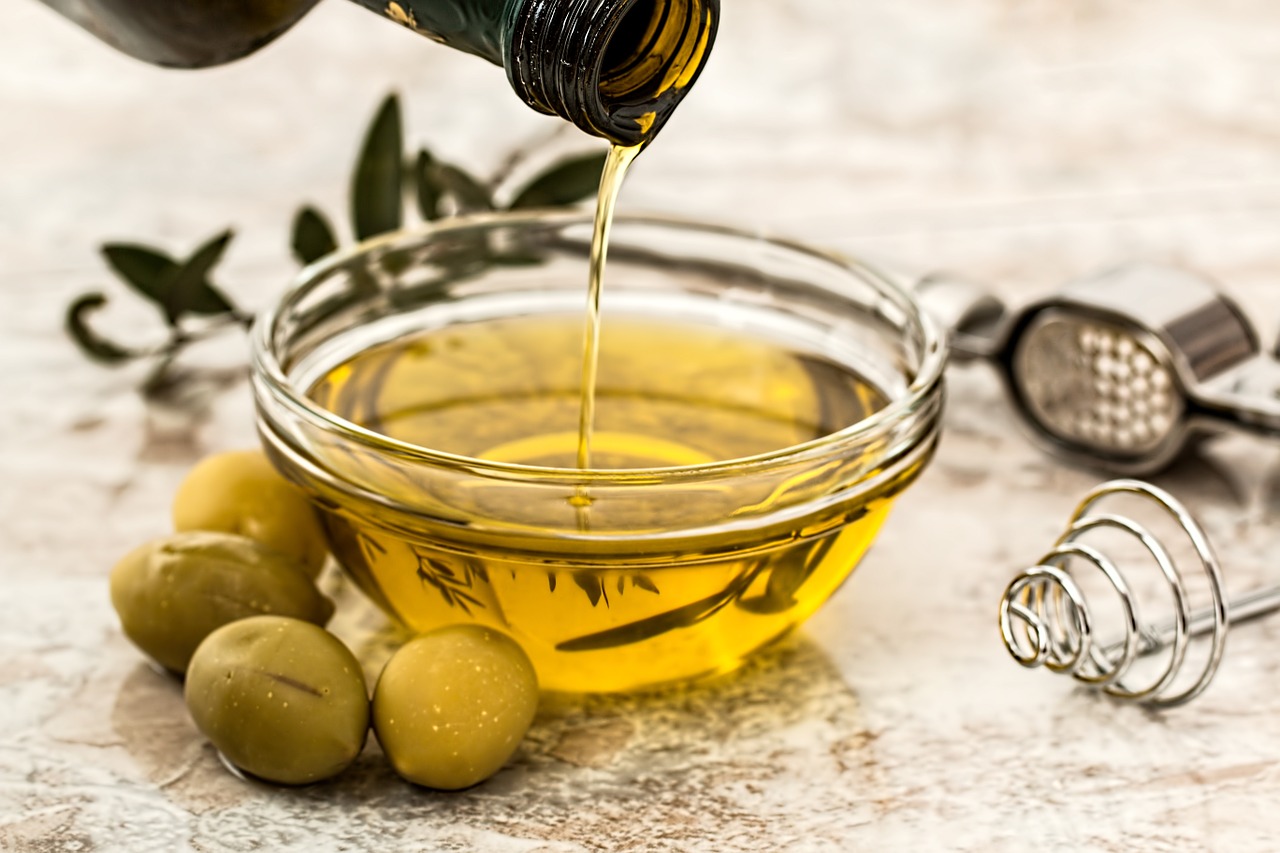
Olive oil is one of the great staples of healthy eating. It is central to the Mediterranean diet and widely valued for its unsaturated fats and flavour.
But oil is concentrated energy. A generous drizzle can add more than people realise. The danger is greatest when oil is poured freely into pans, salads, dips and roasted vegetables without measuring.
A salad can begin as a light meal and become surprisingly heavy when covered with oil, cheese, croutons, seeds and creamy dressing.
Use olive oil with respect. It is healthy, but it is not weightless.
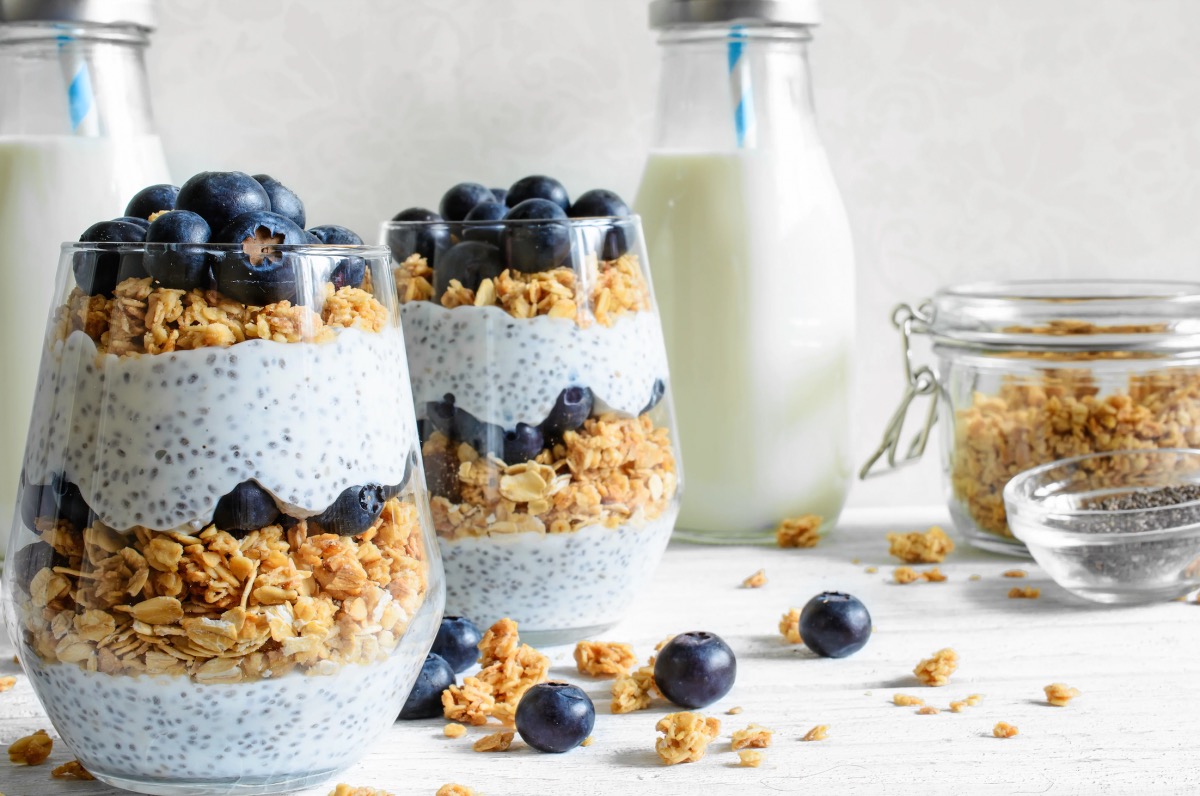
5. Granola
Granola sounds wholesome, and sometimes it is. It may contain oats, nuts, seeds and dried fruit. But many versions are also rich in added sugars, syrups and oils.
The serving size is often smaller than the bowl people actually pour.
Granola is best treated as a topping rather than the whole meal. Sprinkle it over plain yoghurt or fruit. Do not assume that a large bowl of granola is automatically lighter than cereal simply because it looks more natural.
Health branding can be persuasive. The nutrition label is more honest.
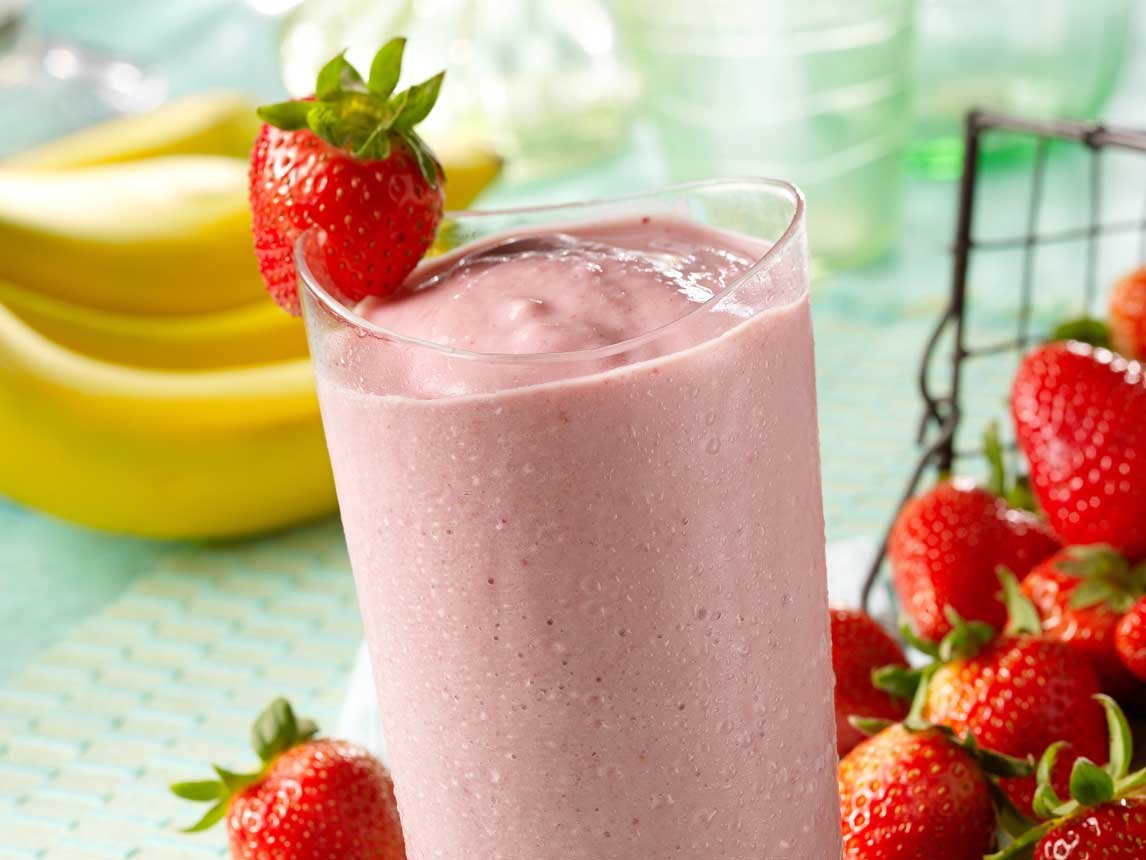
6. Smoothies
Smoothies can be a smart way to consume fruit, vegetables, yoghurt, seeds and protein. They can also become dessert in a glass.
The risk is that liquid calories often feel less substantial than solid food. A person may drink a large smoothie containing banana, mango, dates, peanut butter, yoghurt, honey and milk, then still eat a full meal soon afterwards.
A balanced smoothie should have a purpose. Is it breakfast? A post-workout meal? A snack? Build it accordingly. Include protein and fibre, limit added sweeteners and avoid turning every healthy ingredient in the kitchen into one drink.
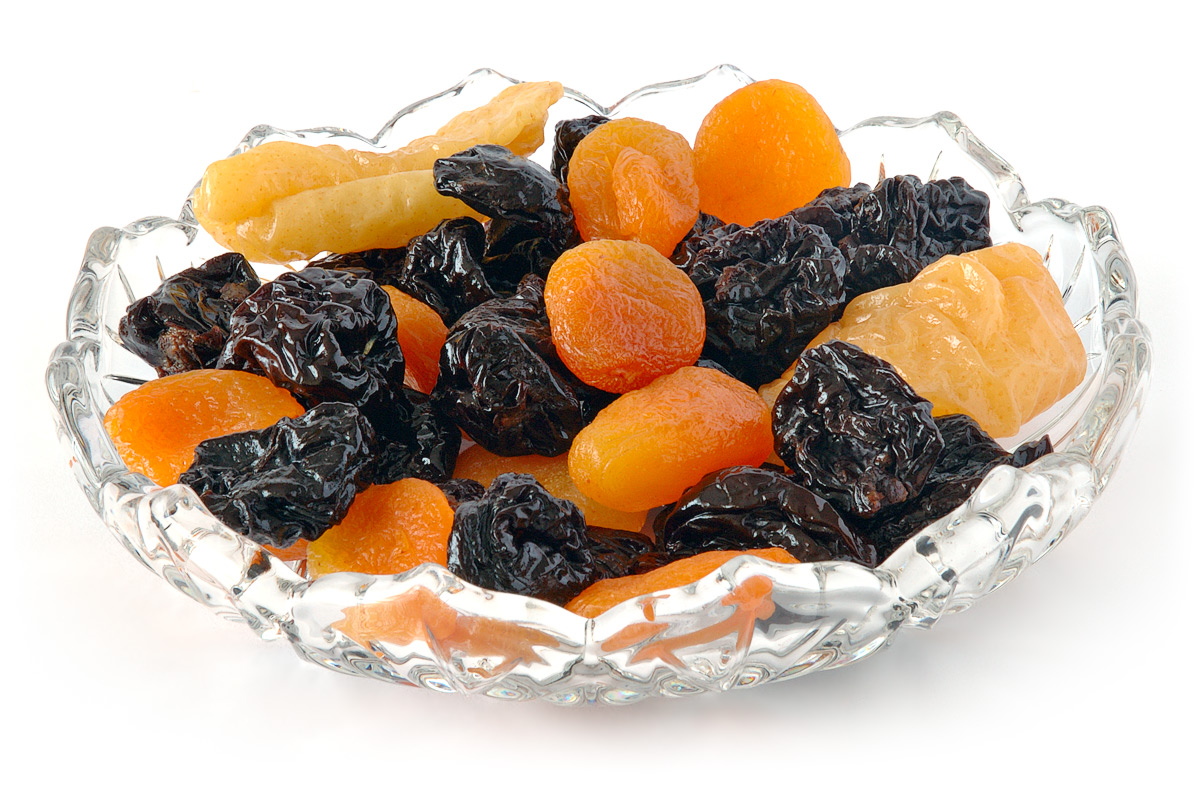
7. Dried Fruit
Dried fruit can provide fibre, minerals and natural sweetness. Raisins, dates, figs, apricots and prunes are useful in small amounts.
But drying removes water, which concentrates the fruit. This makes dried fruit much easier to overeat than fresh fruit. A person may comfortably eat several dates or handfuls of raisins, while the fresh equivalent would feel more filling.
Dried fruit works best as an accent: in oats, yoghurt, salads or trail mix. When eaten alone, portions can creep quickly.
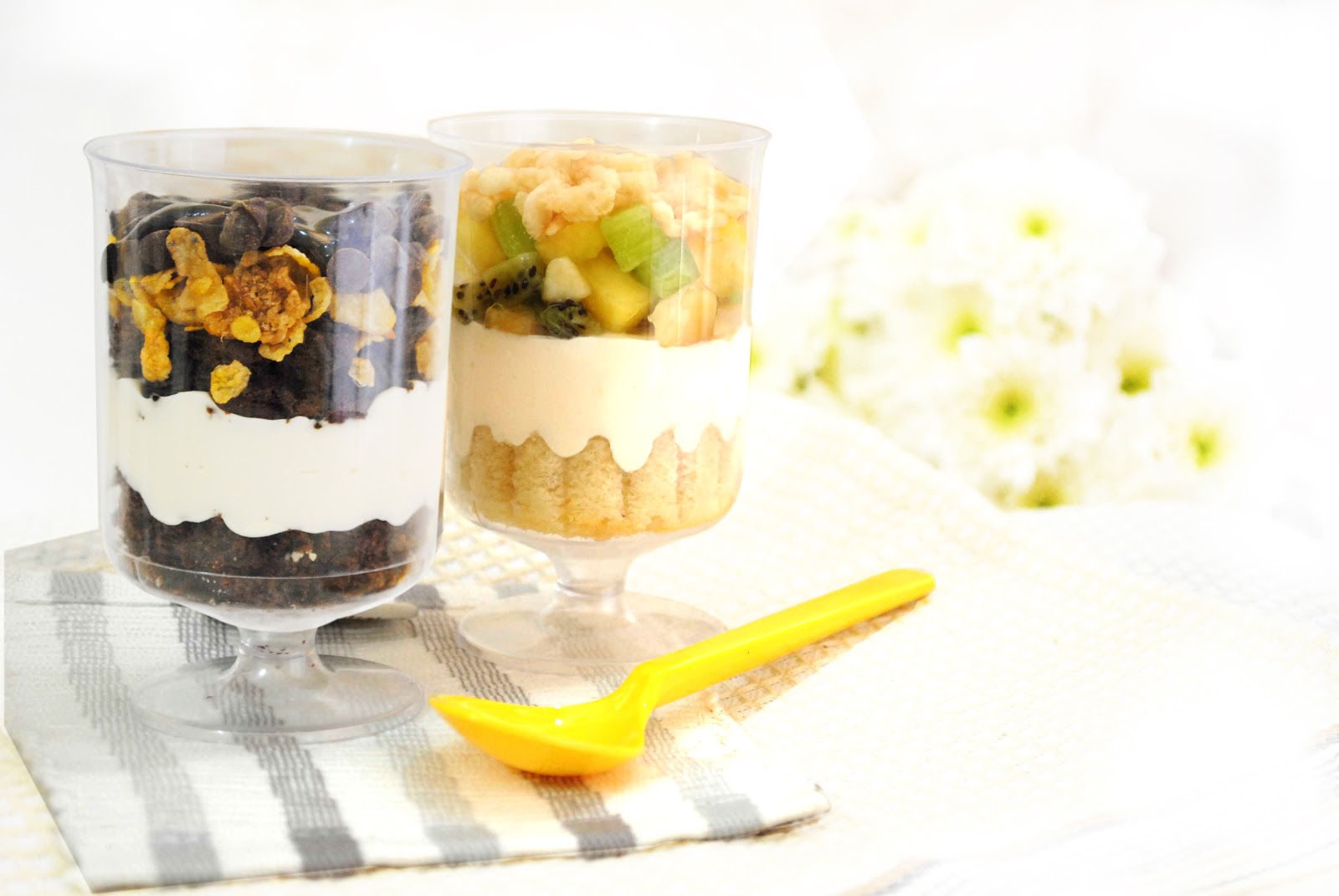
8. Yoghurt Parfaits
Plain yoghurt can be a healthy source of protein, calcium and probiotics. The trouble often begins with what is added to it.
A parfait made with sweetened yoghurt, granola, honey, dried fruit, chocolate chips and nut butter may look like a wellness breakfast but behave more like a dessert.
Choose plain yoghurt when possible, then add fruit and a modest topping. Greek yoghurt can be especially filling because of its protein content. The goal is balance, not a bowl disguised by good intentions.
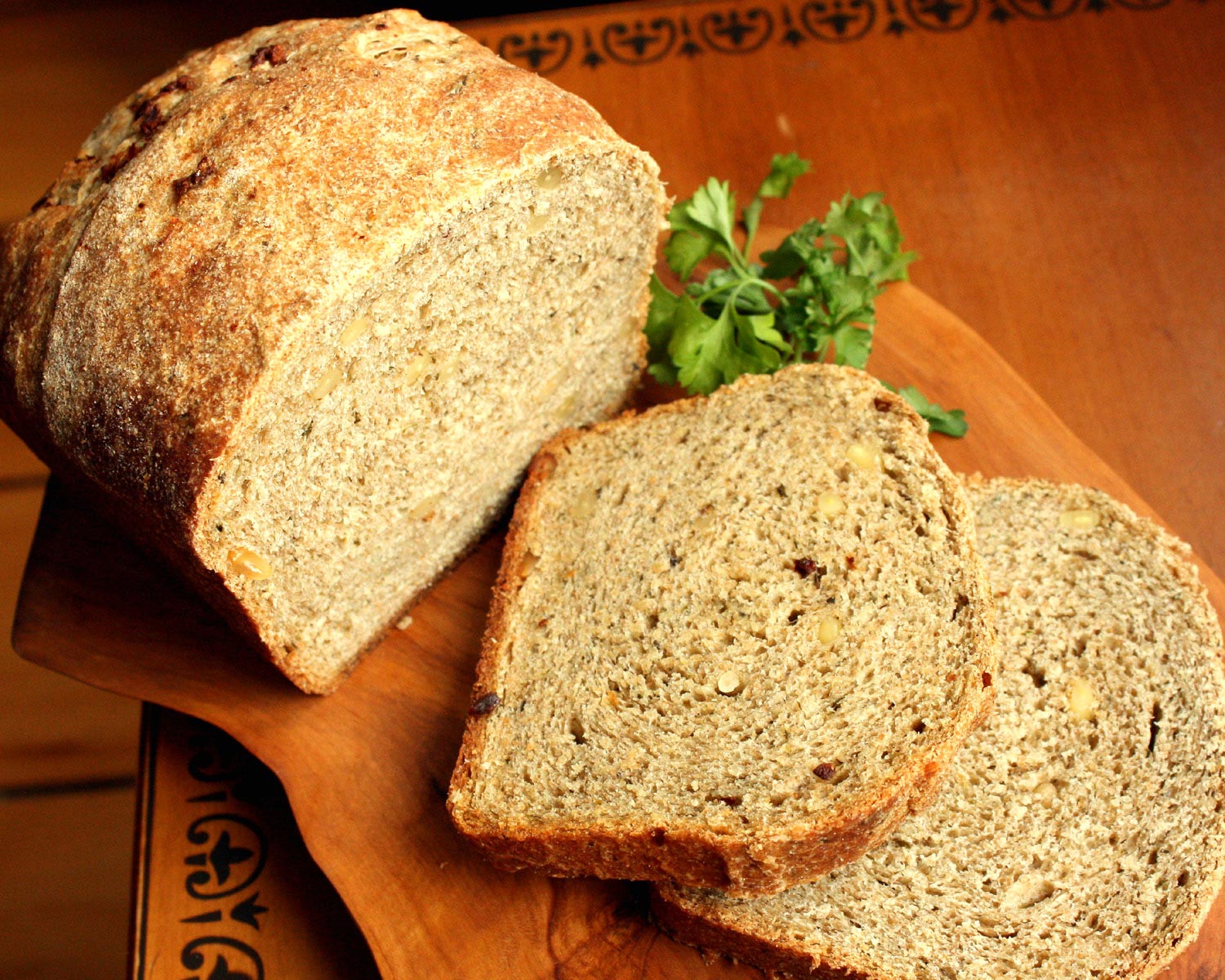
9. Wholegrain Bread and Wraps
Wholegrain bread, pita, tortillas and wraps can be better choices than heavily refined alternatives because they may provide more fibre and nutrients.
But “wholegrain” does not cancel portion size. Two large wraps, thick spreads, cheese, avocado, sauces and processed meats can turn a simple lunch into a large meal.
Bread is not the enemy. Mindless stacking is.
A helpful rule is to pay attention to what the bread is carrying. The filling often matters as much as the bread itself.
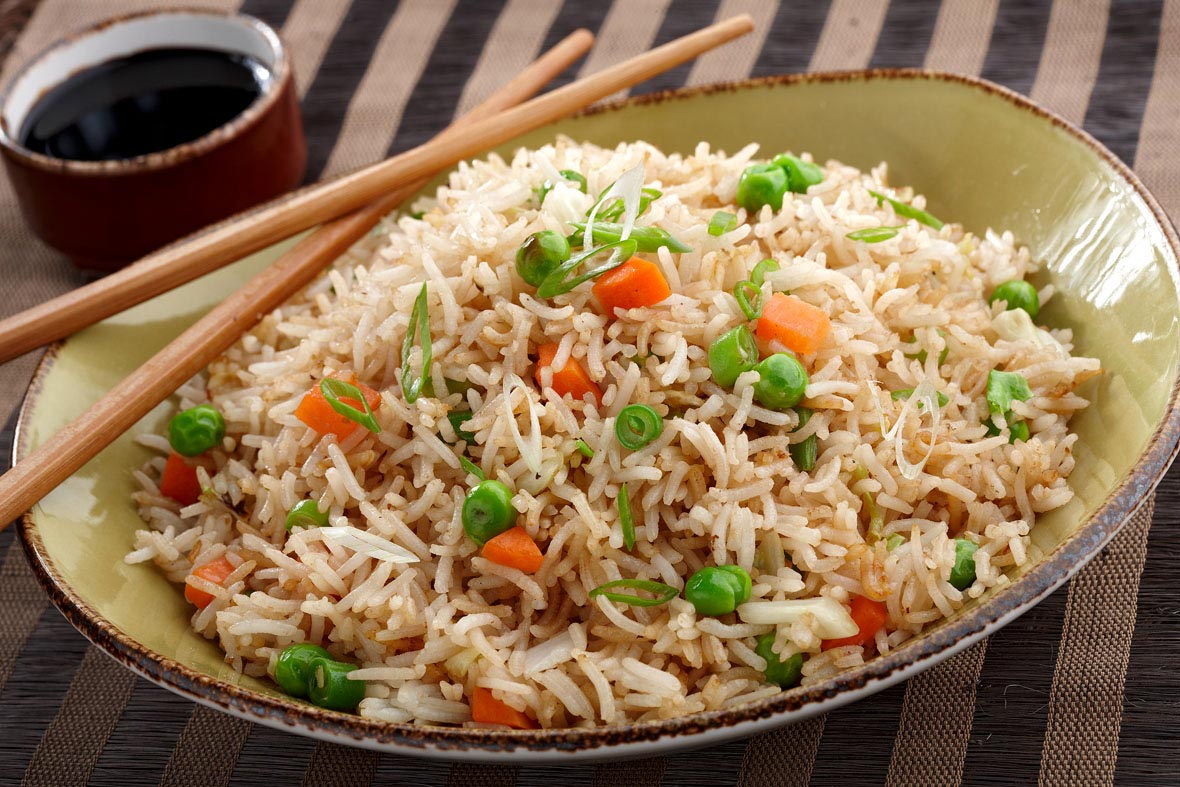
10. Rice, Quinoa and Other Healthy Grains
Brown rice, quinoa, oats, bulgur and other grains can support a balanced diet. They provide energy, fibre and important nutrients.
But cooked grains are easy to overserve, especially when they sit beneath stews, sauces, beans, meat, fish or vegetables. A plate can become grain-heavy before anyone notices.
The answer is not to fear carbohydrates. The body needs them, especially for active lives. The answer is proportion. Build the plate around vegetables, protein and a sensible serving of grains rather than allowing the grain to dominate everything else.
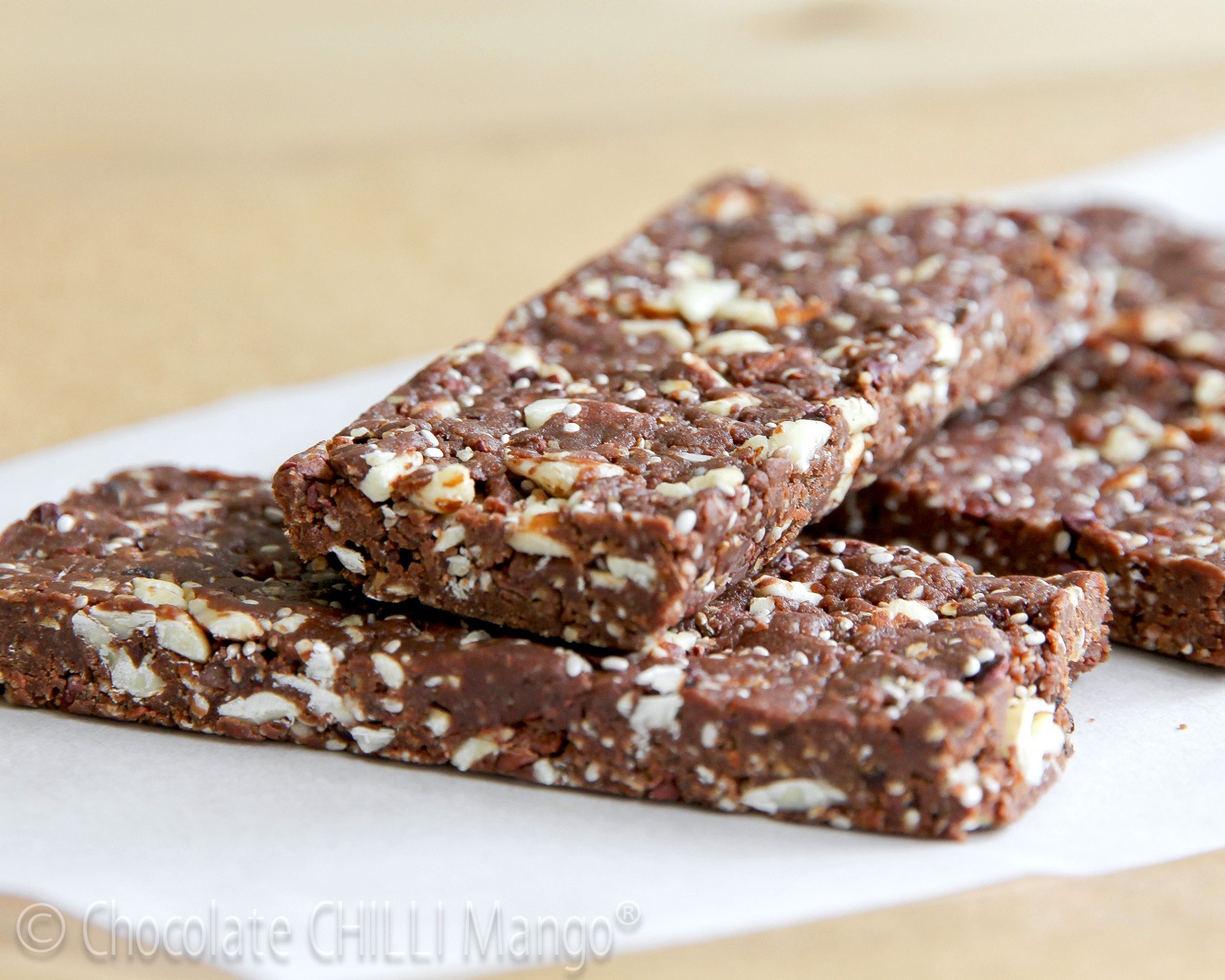
11. Protein Bars and Protein Shakes
Protein is important for muscle repair, satiety and overall health. But many protein bars and shakes are closer to convenience foods than simple nutrition.
Some contain added sugars, chocolate coatings, syrups, oils and more calories than expected. Others are useful after exercise or during a busy day, but unnecessary on top of full meals.
Protein products should solve a real problem. If you cannot eat a proper meal, they may help. If they are simply added to an already adequate diet, they may quietly increase total intake.
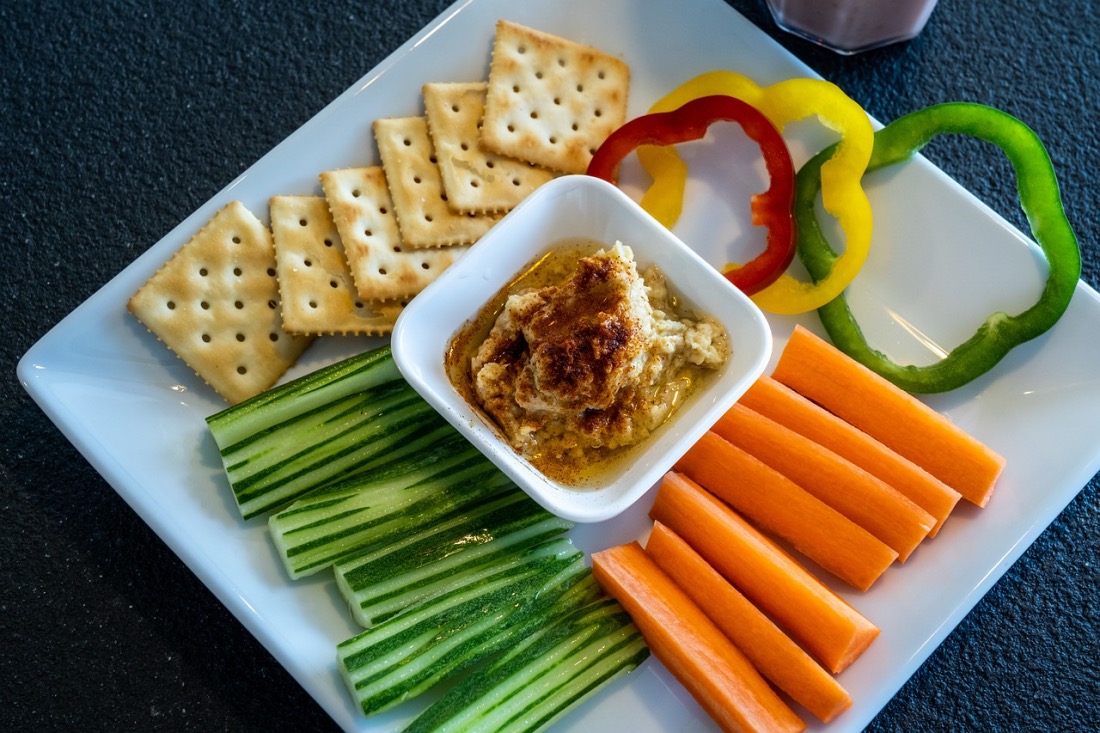
12. Hummus
Hummus is made from chickpeas, tahini, olive oil, lemon and garlic. It can be a nutritious dip, rich in flavour and more useful than many creamy processed spreads.
But hummus is often eaten with pita chips, crackers, bread or large portions of oil. The dip may be healthy, but the full snack can become much larger than planned.
Pair hummus with vegetables such as carrots, cucumbers and peppers. Use it as a spread in moderation. Enjoy it, but do not confuse “plant-based” with “impossible to overeat”.
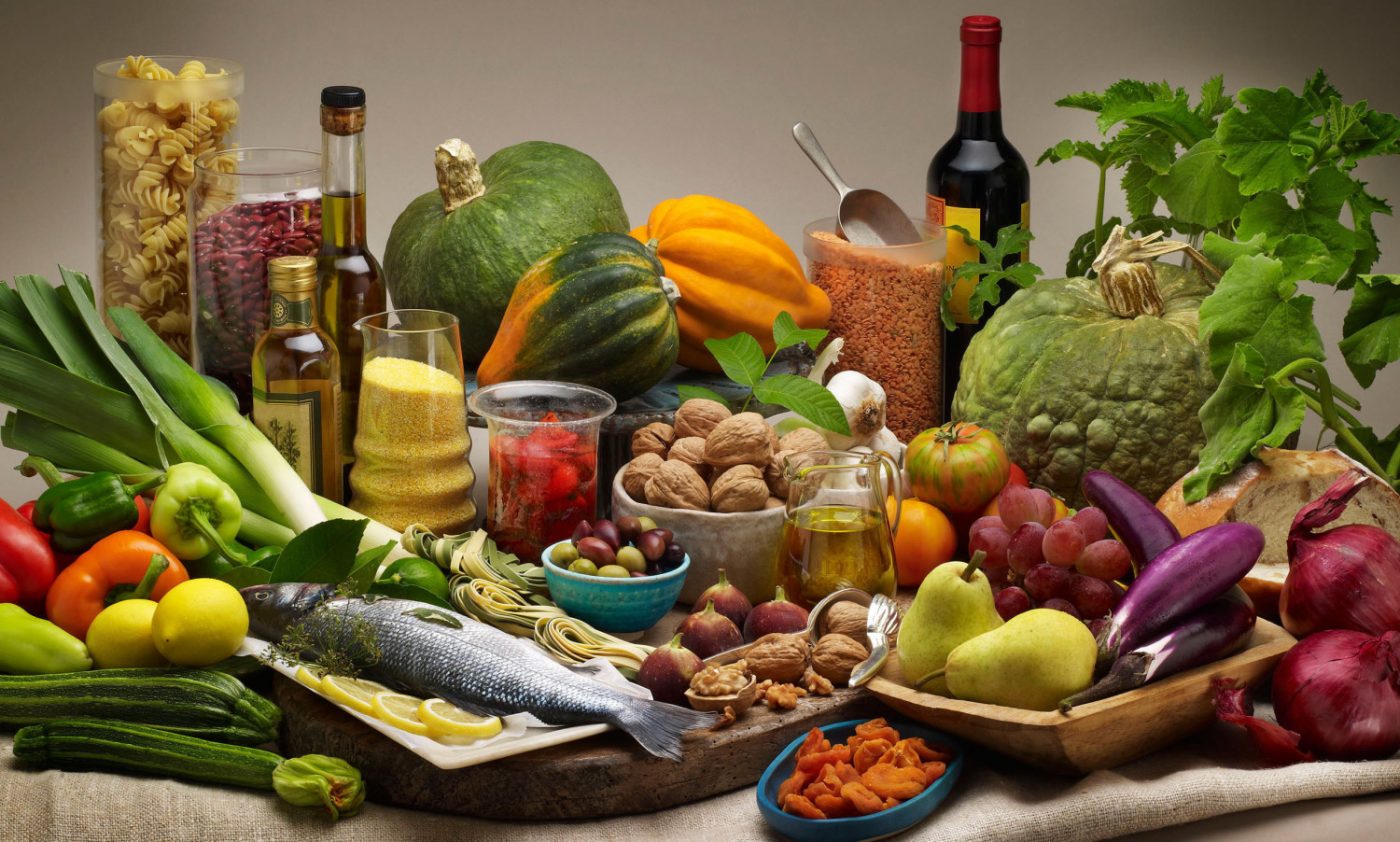
The Real Lesson: Health Is Not Only About Ingredients
The foods on this list are not bad foods. Many of them are excellent. The issue is the health halo — the belief that once a food is labelled healthy, quantity no longer matters.
A better way to eat is not built on fear. It is built on awareness.
Ask simple questions. Am I eating this because I am hungry, or because it is in front of me? Is this a snack or a full meal? Did I add three sources of fat without noticing? Am I drinking calories that do not satisfy me? Does this portion match my activity level and appetite?
Healthy eating is not punishment. It is stewardship. It allows room for pleasure, culture, convenience and nourishment.
The goal is not to make food smaller and smaller. The goal is to make choices more conscious. Because even the healthiest foods work best when they are eaten with balance.