


LAGOS, Nigeria — The Nigeria Labour Congress rejected a new petrol-price increase. The labour union asked the Federal Government why more Nigerian crude was not being supplied to the Dangote Petroleum Refinery after three gantry-price increases in eight days.
Benson Upah, the NLC’s acting general secretary, on Tuesday, September 1, 2026, described the latest increase as avoidable and unacceptable.
He said it would compound the financial pressure on workers and other Nigerians already confronting higher food, transport and household expenses.
“This adds to the increasing difficulties of the average Nigerian for whom life has been Hobbesian,” Upah said.
He questioned the justification for raising petrol prices while international oil prices were falling and Nigeria’s crude production was increasing.
“The latest increase is avoidable and unacceptable in light of falling prices in the international market and our local capacity to sell more crude oil to Dangote. Why are we not doing so?” Upah asked.
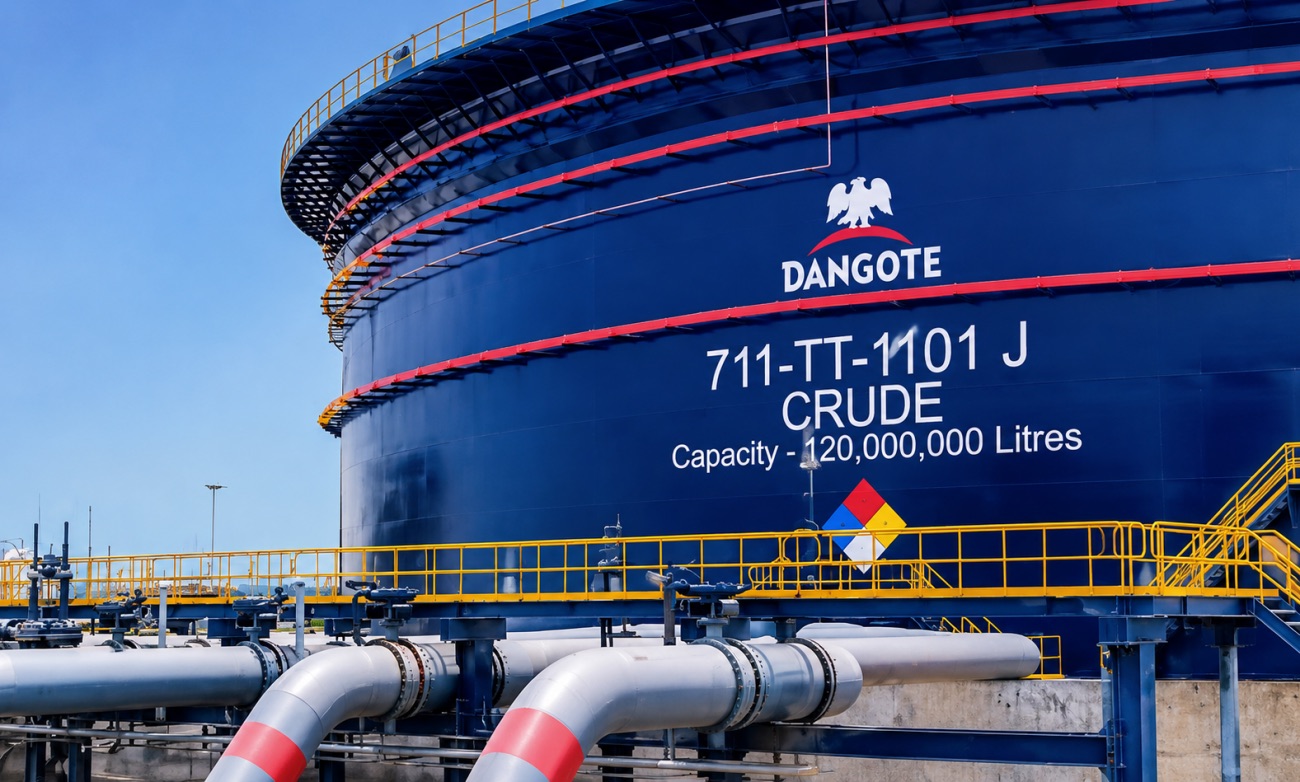
Crude-Supply Figures Draw Scrutiny
The refinery can process about 650,000 barrels of crude each day.
Reuters has reported that imported crude accounts for between 30 and 40 per cent of the oil it processes, despite Nigeria’s position as a crude-producing country.
Figures from the Nigerian Upstream Petroleum Regulatory Commission show that domestic producers offered the refinery 68.1 million barrels during the second quarter of 2026.
The facility had indicated that it required 63 million barrels but accepted 52.6 million.
The figures mean the volume accepted was 15.5 million barrels below what producers offered and 10.4 million barrels short of the refinery’s stated requirement.
Issues surrounding pricing, commercial conditions, crude quality, transportation and delivery have featured in the continuing disagreement over supplies to domestic refiners.
Nigeria’s average crude production increased from 1.55 million barrels a day in the first quarter of 2026 to 1.72 million barrels a day in the second quarter, according to official figures cited in the reporting.

Three Increases in Eight Days
The latest adjustment raised the refinery’s gantry price by ₦65, from ₦1,200 to ₦1,265 a litre.
Three days earlier, the price had risen from ₦1,185 to ₦1,200. The sequence began on August 21, when the refinery increased the price from ₦1,165 to ₦1,185.
Together, the three changes added ₦100 to the refinery price, an increase of 8.6 per cent over eight days.
Retail prices have also risen as fuel marketers account for transportation, distribution and other operating expenses.
Petrol was selling for about ₦1,310 a litre in some parts of Lagos and Ogun States. Prices in some northern states and other areas farther from the refinery had reached at least ₦1,350, while some locations were approaching ₦1,400.
Labour Cites Pressure on Households
Changes in petrol prices affect expenses beyond purchases at filling stations. Higher fuel costs can increase public transport fares and the expense of moving food, manufactured products and other goods.
Businesses that operate petrol-powered generators also face increased running costs, some of which can be reflected in the prices charged to consumers.
The NLC said workers were particularly exposed because earnings had not risen at the same rate as living expenses. It maintained that the removal of the petrol subsidy did not end the government’s responsibility for crude-supply arrangements, refinery utilisation, transportation infrastructure and national energy policy.
The labour organisation called on the Federal Government to explain why increased crude production and expanded domestic refining had not prevented further increases in the price paid by consumers.