
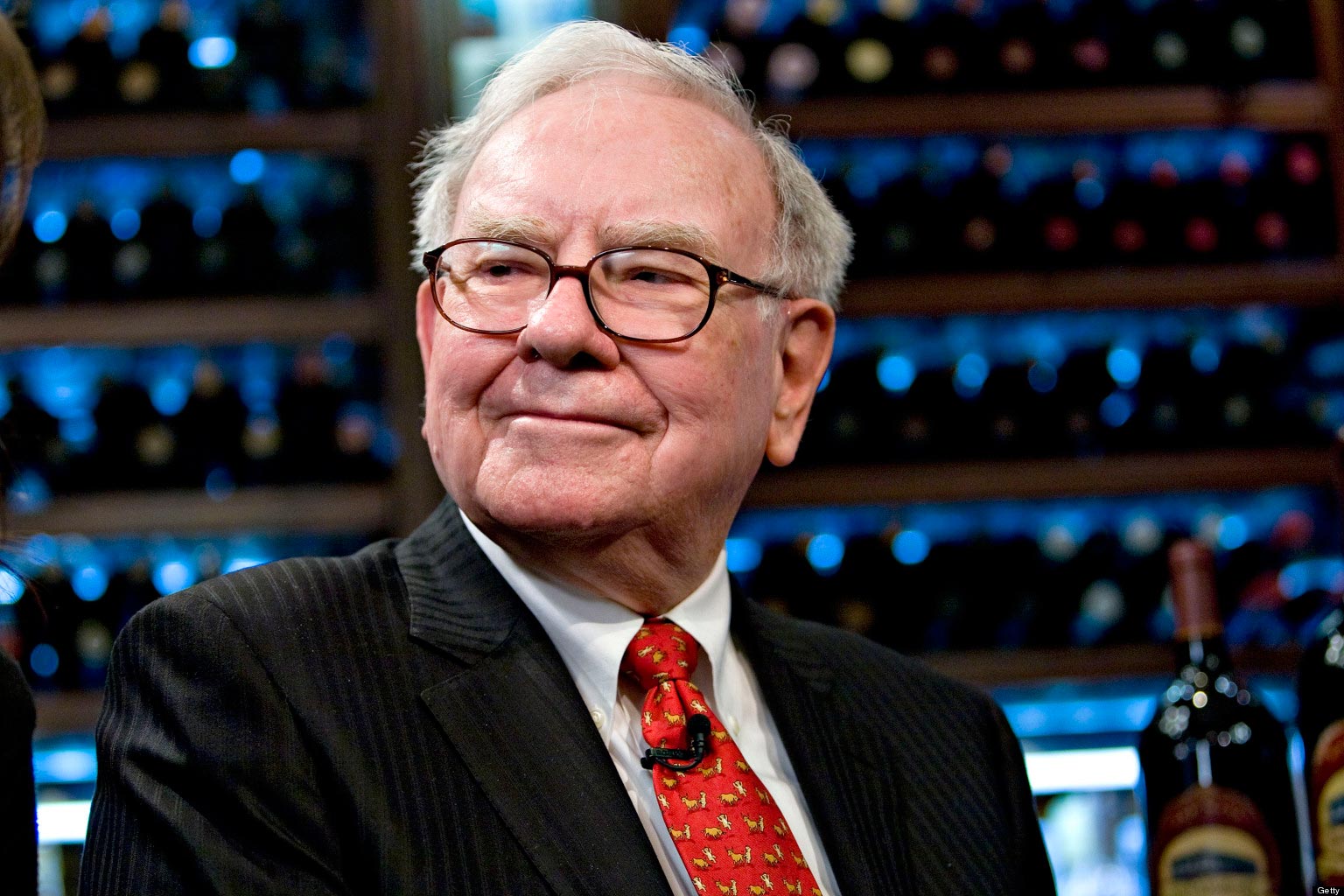

OMAHA, United States — Warren Buffett relinquished the chairmanship of Berkshire Hathaway on Friday, September 18, 2026, ending more than five decades in the post.
His son, Howard Buffett, will succeed him, while the elder Buffett remains a director and becomes chairman emeritus.
The change completes a transfer of authority that began when Warren Buffett left the chief executive’s position at the end of 2025.
Greg Abel, his chosen successor, now oversees Berkshire’s operations, while Howard Buffett assumes leadership of its board.
Berkshire shares were little changed following the announcement.

Buffett Praises Abel’s Leadership
Warren Buffett, 96, told shareholders that Abel’s performance as chief executive had surpassed his expectations.
He also acknowledged that his age had influenced his decision to surrender the chairmanship he had held since 1970.
“Father Time always wins,” Buffett wrote.
He expressed confidence in Berkshire’s prospects under its new leadership, saying that the company had reached a point at which he felt increasingly assured about its future.
Abel praised Buffett’s record at the company.
“Warren’s impact on Berkshire and its owners is without parallel in the history of American business,” he said.
Howard Buffett has served on Berkshire’s board since 1993. His appointment places responsibility for the board with a member of the Buffett family, while day-to-day management remains with Abel.
Warren Buffett will continue to serve on the board, preserving a formal role at the company even after giving up its two most senior positions.
From a Textile Company to a Corporate Giant
Buffett began purchasing shares in Berkshire Hathaway in 1962, when the business was a struggling textile manufacturer based in New Bedford, Massachusetts.
He gained control of the company in 1965 and later dissolved his investment partnership to make Berkshire his principal investment vehicle.
Under his leadership, Berkshire developed into a diversified group with businesses spanning insurance, rail transport, manufacturing, consumer goods, and food.
Its holdings include GEICO, Burlington Northern Santa Fe, Fruit of the Loom, and Dairy Queen.
Berkshire’s market value increased at an average annual rate of about 19 per cent during Buffett’s tenure, substantially exceeding the broader market’s performance.
His approach rested on purchasing businesses and shares that he considered undervalued, financially durable, and capable of producing returns over long periods.
That strategy earned him the nickname the “Oracle of Omaha” and made his annual communications with Berkshire shareholders widely followed by investors.
Buffett began his career in 1951 as a salesman at Buffett, Falk & Co., his father’s investment firm.
He later worked as a securities analyst at Graham-Newman Corporation in New York before returning to Omaha and establishing his own investment partnership in 1956.
Wealth, Giving, and Public Advocacy
Buffett’s success at Berkshire made him one of the world’s wealthiest people. His fortune stands at about $145 billion, according to the Bloomberg Billionaires Index.
Despite that wealth, he has remained associated with a comparatively modest lifestyle. He continued living in the Omaha house he purchased in 1958 for $31,500.
Buffett also became one of the most prominent philanthropists in the United States.
In 2010, he joined Bill Gates and Melinda French Gates in establishing the Giving Pledge, an initiative encouraging billionaires to donate at least half of their fortunes during their lifetimes or through their estates.
He has said that more than 99 per cent of his wealth will ultimately be distributed to charitable causes.
By 2025, organisations had received Berkshire shares from him worth a combined $60 billion.
Buffett has also advocated for higher taxes on wealthy Americans. He repeatedly argued that affluent investors should not pay a smaller proportion of their income in tax than middle-class workers.
A proposal known as the Buffett Rule, which sought a minimum effective tax rate of 30 per cent for people earning more than $1 million annually, became part of President Barack Obama’s 2012 re-election campaign but failed in the Senate.
His departure from the chairmanship leaves Berkshire with a leadership arrangement divided between Abel, who controls the company’s operations, and Howard Buffett, who will oversee its board.
Warren Buffett, meanwhile, retains a seat at the company he transformed from a declining textile concern into one of the world’s most valuable corporations.