
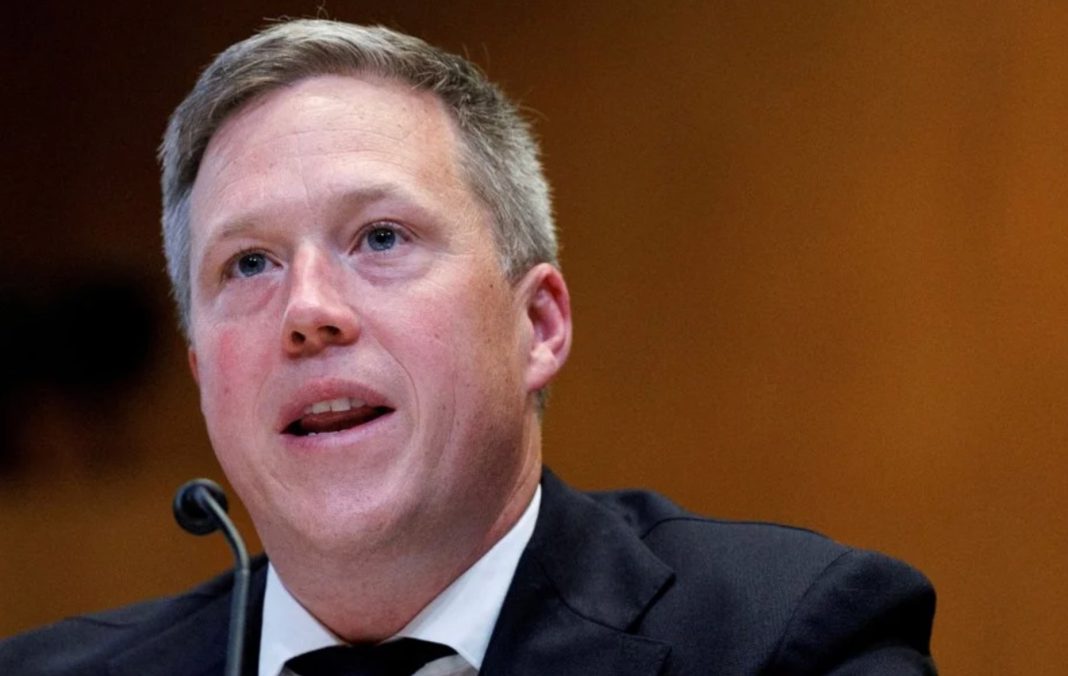

WASHINGTON, United States – U.S. Army Secretary Dan Driscoll is set to leave the Trump administration after the White House accepted his resignation, ending months of speculation over the future of one of the administration’s most prominent defense officials.
Driscoll is expected to step down in the coming days, according to a person familiar with the matter and a White House official.
His departure comes after months of reports that he was considering leaving the administration.
NBC News reported last week that Driscoll had told associates he wanted to depart by Labor Day. He also visited the White House recently for discussions about his future.
The Wall Street Journal was the first to report his resignation.
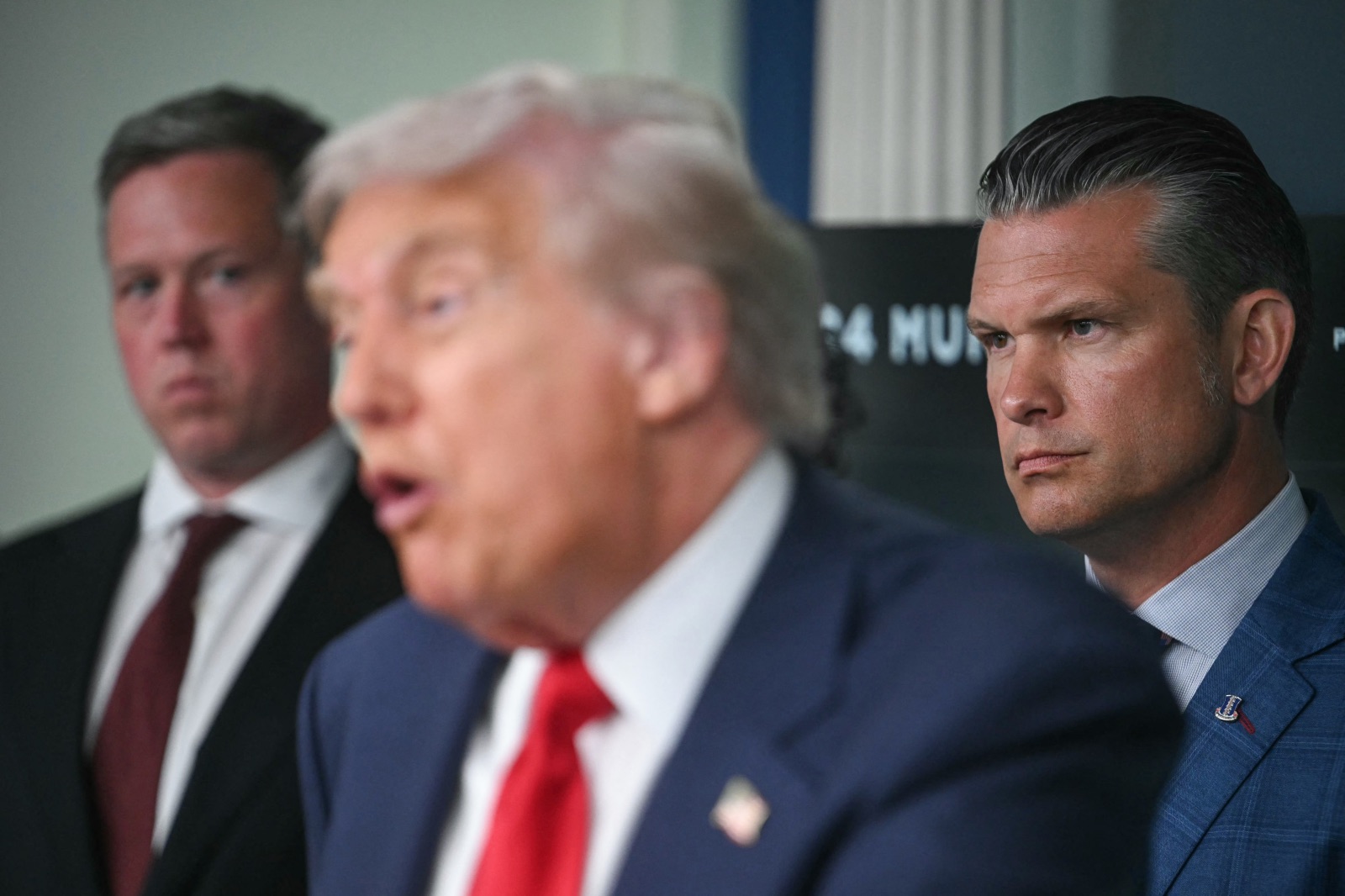
Driscoll’s Departure Adds to Pentagon Turnover
Driscoll, who has served as Army secretary since February 2025, is the latest senior official at the Pentagon to leave amid significant changes under Defense Secretary Pete Hegseth.
Navy Secretary John Phelan and Army Chief of Staff Gen. Randy George were pushed out earlier this year, while several other senior defense officials have also departed or faced changes to their positions.
Driscoll’s exit is particularly notable because he has maintained relationships across the Republican and Democratic parties and has been regarded positively by lawmakers from both sides.
He is also a close associate of Vice President JD Vance.
His resignation, however, follows disagreements with Hegseth over several issues involving the Army, including military transformation, readiness and senior officer promotions.
Disagreements Over Army Transformation
A person familiar with the matter said Driscoll had raised concerns about the administration’s approach to Army transformation and readiness.
The source said Driscoll was particularly concerned about Hegseth’s decision to remove senior generals who had been responsible for advancing some of those initiatives.
“Driscoll brought up concerns with the administration surrounding Army transformation and readiness and Hegseth’s blocking those efforts specifically by firing the generals who were responsible,” the source said.
Hegseth has also blocked the promotions of several senior Army officers, adding to tensions surrounding the leadership of the service.
Despite those disagreements, the White House publicly praised Driscoll’s tenure.
White House spokeswoman Anna Kelly described him as an effective leader who advanced President Donald Trump’s defense agenda.
“Secretary Driscoll has been highly effective in advancing President Trump’s agenda to Make America Strong Again at the Department of the Army by providing outstanding leadership during historic military operations, restoring an emphasis on readiness and lethality, assisting with negotiations between Russia and Ukraine, and more,” Kelly said.
“The United States Army is more powerful than ever thanks to his work alongside the Commander-in-Chief and Secretary of War,” she added.
Close to JD Vance
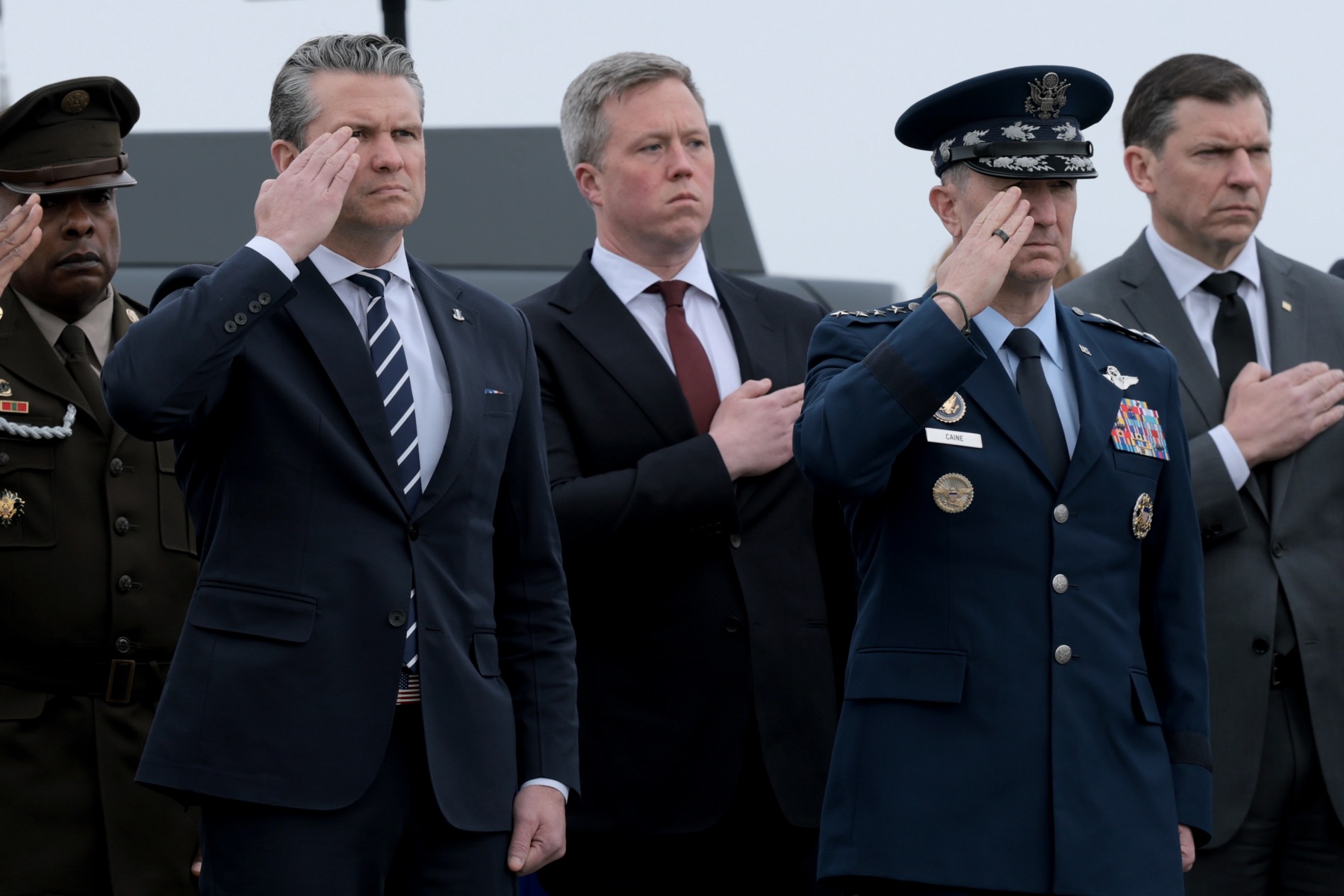
Driscoll’s relationship with Vance has been one of the defining features of his rise within the Trump administration.
Before becoming Army secretary, Driscoll had developed close ties with the vice president, and his appointment placed a relatively young political figure at the helm of one of the U.S. military’s largest services.
His tenure coincided with a major effort by the Trump administration to reshape the U.S. military around readiness, combat capability and what officials described as greater lethality.
Driscoll was also involved in diplomatic efforts connected to the Russia-Ukraine war.
His departure now leaves the administration facing another transition at a time when the Pentagon is undergoing sweeping personnel and policy changes.
No Immediate Successor Announced
The Army has not immediately announced who will replace Driscoll.
The Pentagon directed questions about his resignation to the Army, while the Army had not immediately issued a response to requests for comment.
Driscoll’s resignation is expected to take effect within days, bringing to an end his roughly 18-month tenure as Army secretary.
His departure will add another high-profile vacancy to a Defense Department that has experienced unusually significant turnover among its senior leadership since Trump returned to the White House.