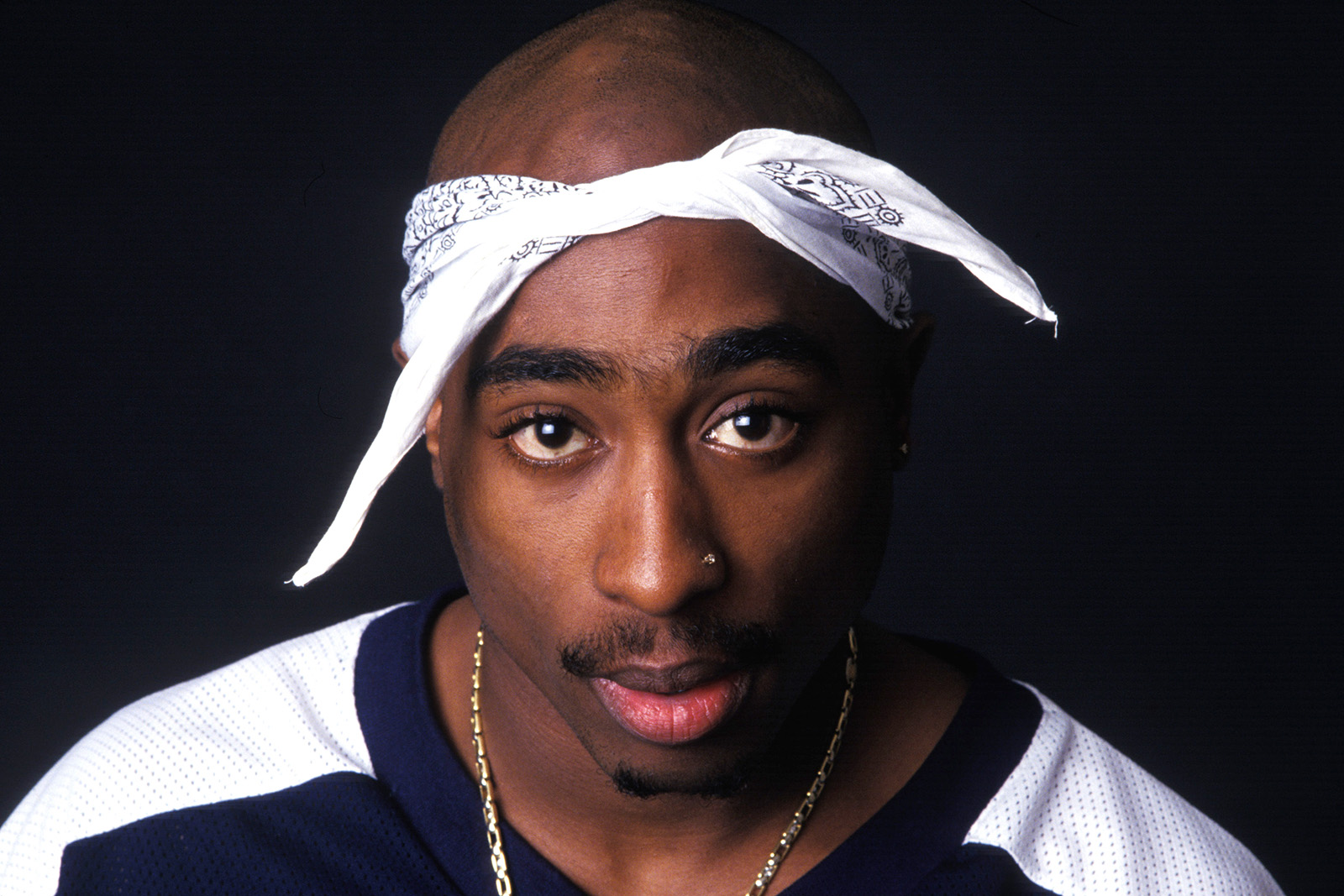


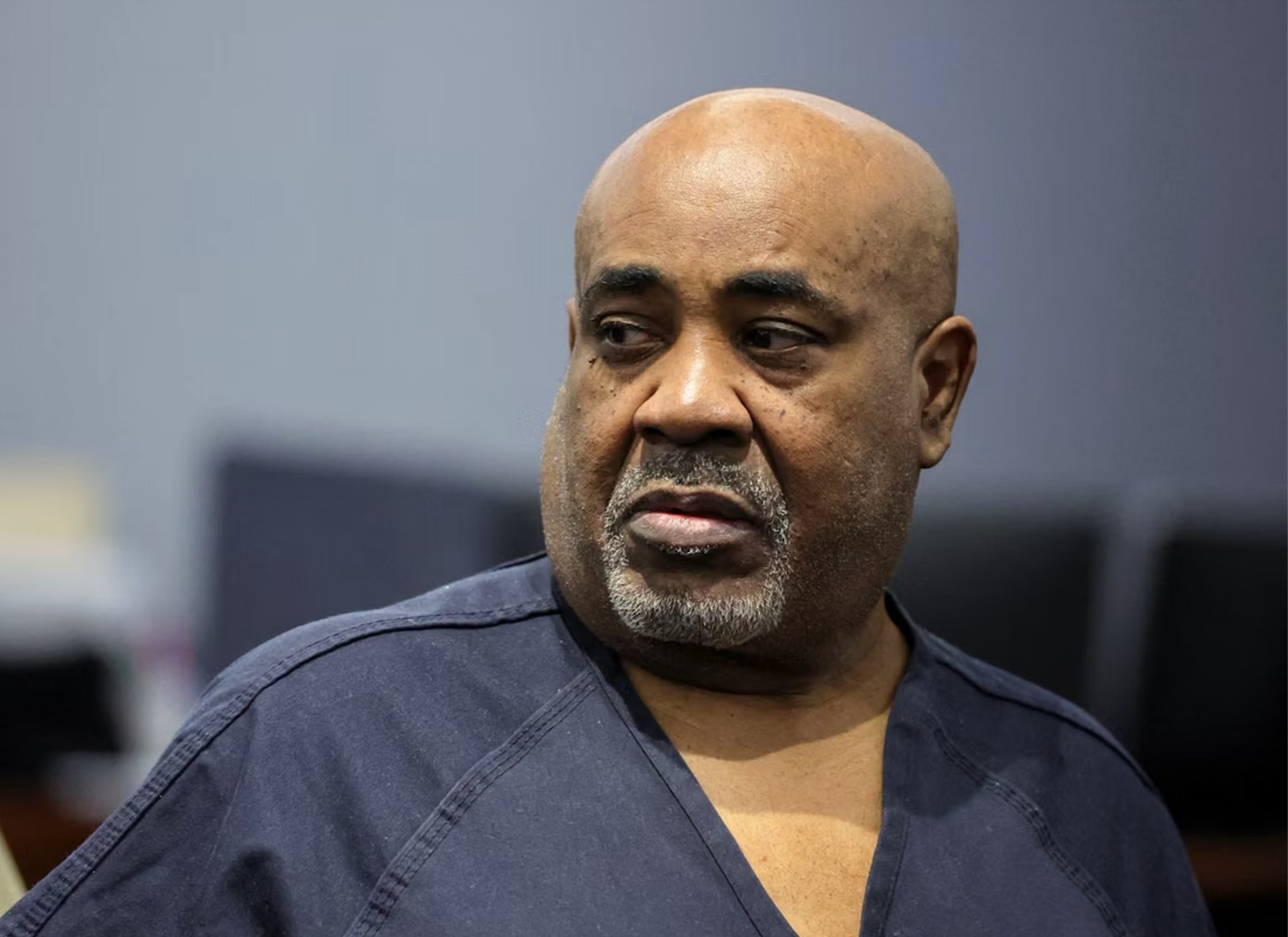
LAS VEGAS, United States — Duane “Keffe D” Davis was convicted Monday of first-degree murder in the 1996 killing of rapper Tupac Shakur, ending one of the most closely watched unsolved murder cases in American music.
A Las Vegas jury reached its verdict on Monday, August 31, 2026, after about three hours of deliberation.
Davis, a former gang leader, was the only person ever charged in connection with Shakur’s fatal shooting near the Las Vegas Strip.
Prosecutors accused Davis of organising the killing but did not allege that he was the person who fired the shots.
The jury found Davis guilty of first-degree murder with a deadly weapon with the intent to promote, further or assist a criminal gang.

Prosecutors Point to Davis’s Statements
The prosecution’s case rested largely on circumstantial evidence and statements Davis had made over the years about the events surrounding Shakur’s death.
During closing arguments, prosecutors portrayed Davis as the person who directed the operation and argued that his own accounts of the shooting amounted to admissions of his involvement.
A central piece of the prosecution’s case was Davis’s 2019 memoir, in which he recounted events surrounding the shooting.
Prosecutors argued that the account should be treated as an admission despite the book identifying a co-writer.
The prosecution also described Davis as the “shot caller” and argued that he and members of his crew had gone looking for Shakur.
Davis was charged with a single count of first-degree murder with a deadly weapon and the gang-related enhancement.
Defence Challenges Davis’s Own Account
Davis’s lawyers sought to undermine the credibility of their client’s accounts, arguing that his descriptions of the shooting were not reliable evidence.
The defence characterised the memoir’s account as “fiction” and challenged the prosecution’s reliance on statements Davis had made about the killing.
His lawyers also pointed to investigative records they said were missing and argued that the case lacked direct evidence establishing Davis’s role in Shakur’s death.
The defence’s position presented an unusual feature of the case: prosecutors relied on statements attributed to Davis while his own lawyers argued that he could not be trusted to tell the truth about the events.
Shakur Was Killed in Las Vegas
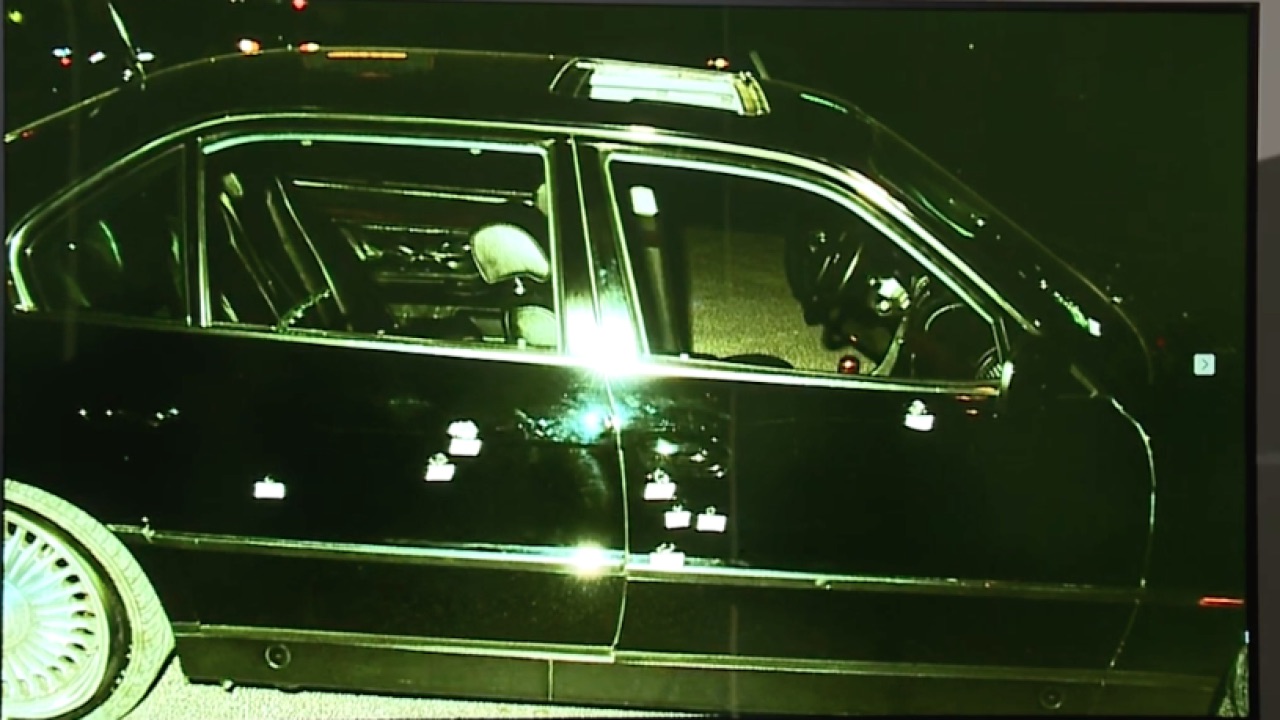
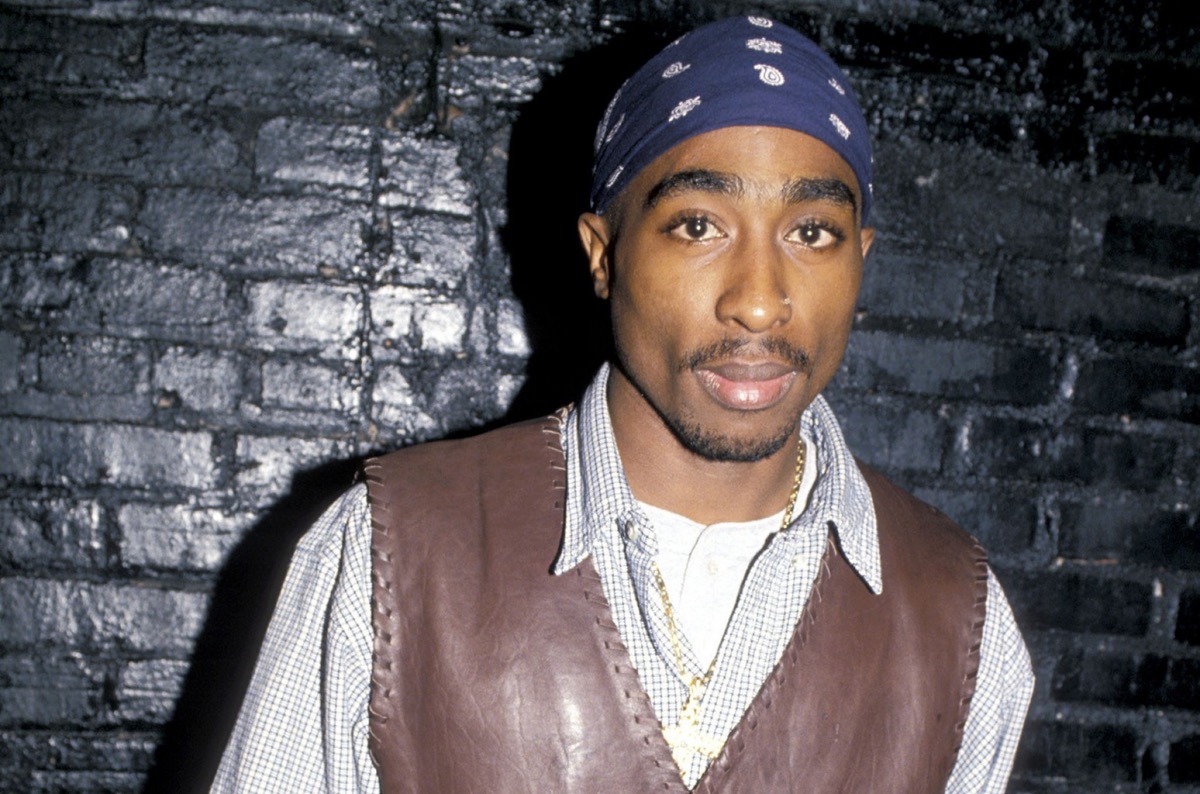
Shakur was fatally shot on September 7, 1996, while in Las Vegas to attend a Mike Tyson boxing match.
The shooting remained unresolved for nearly three decades before authorities charged Davis.
The trial began on August 10, 2026, 30 years after Shakur’s death. Davis’s case was centred on the allegation that he orchestrated the killing, rather than on an allegation that he personally fired the fatal shots.
The identity of the person who fired the shots was not established by the prosecution’s charge against Davis.

The Case Also Revisited Hip-Hop’s Other Unsolved Murder
The trial repeatedly brought up the 1997 killing of Christopher Wallace, the rapper known as The Notorious B.I.G. or Biggie Smalls.
Wallace was killed in Los Angeles less than seven months after Shakur’s death. Davis wrote in his memoir that he had been nearby when both men were killed.
Two witnesses who testified in Davis’s trial had originally been assigned to investigate Wallace’s death.
The connection between the two killings had been raised publicly soon after Wallace was killed, although the question of whether the murders were linked remained unresolved.
Davis Raises His Fist After Verdict
Davis appeared straight-faced as the verdict was read in court.
As he left the courtroom, he briefly raised his fist while looking towards the audience.
The conviction makes Davis the only person to have been charged in Shakur’s 1996 killing.
Shakur’s family members, including his sister, Sekyiwa “Set” Shakur, and his stepbrother, Mopreme Shakur, had attended proceedings during the trial.
The case had remained unresolved for nearly 30 years before the conviction.