
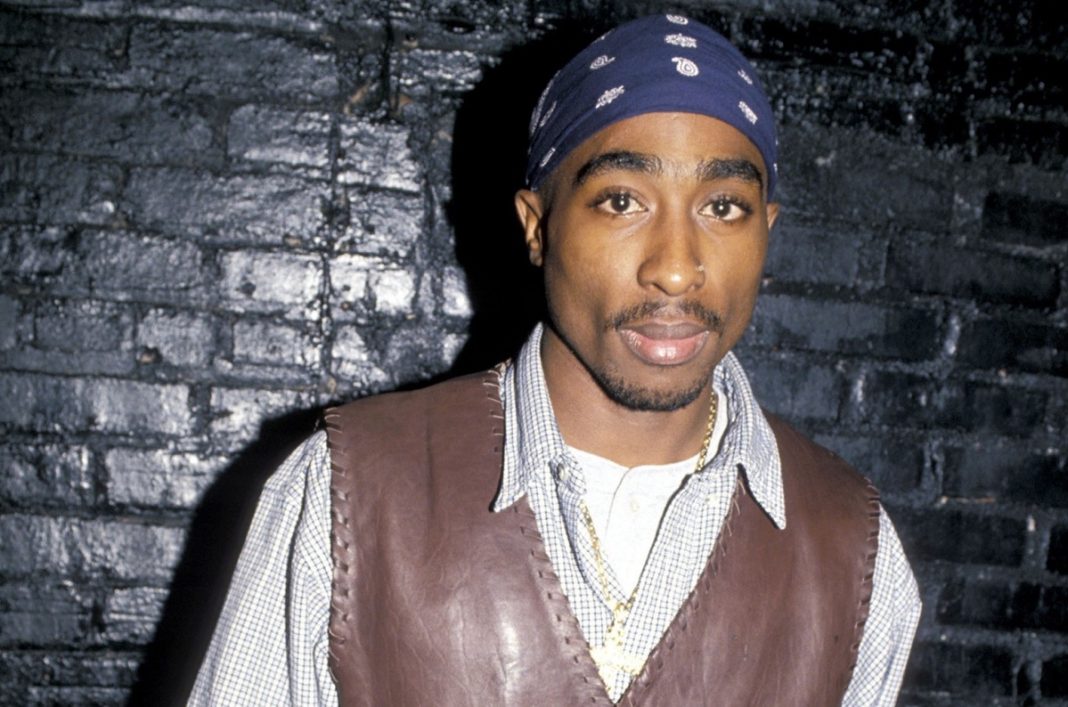

LAS VEGAS, United States — Nearly three decades after Tupac Shakur was fatally shot on a Las Vegas street, prosecutors are preparing to put their first murder case before a jury, built largely around the words of a man who spent years publicly describing his own proximity to the crime.
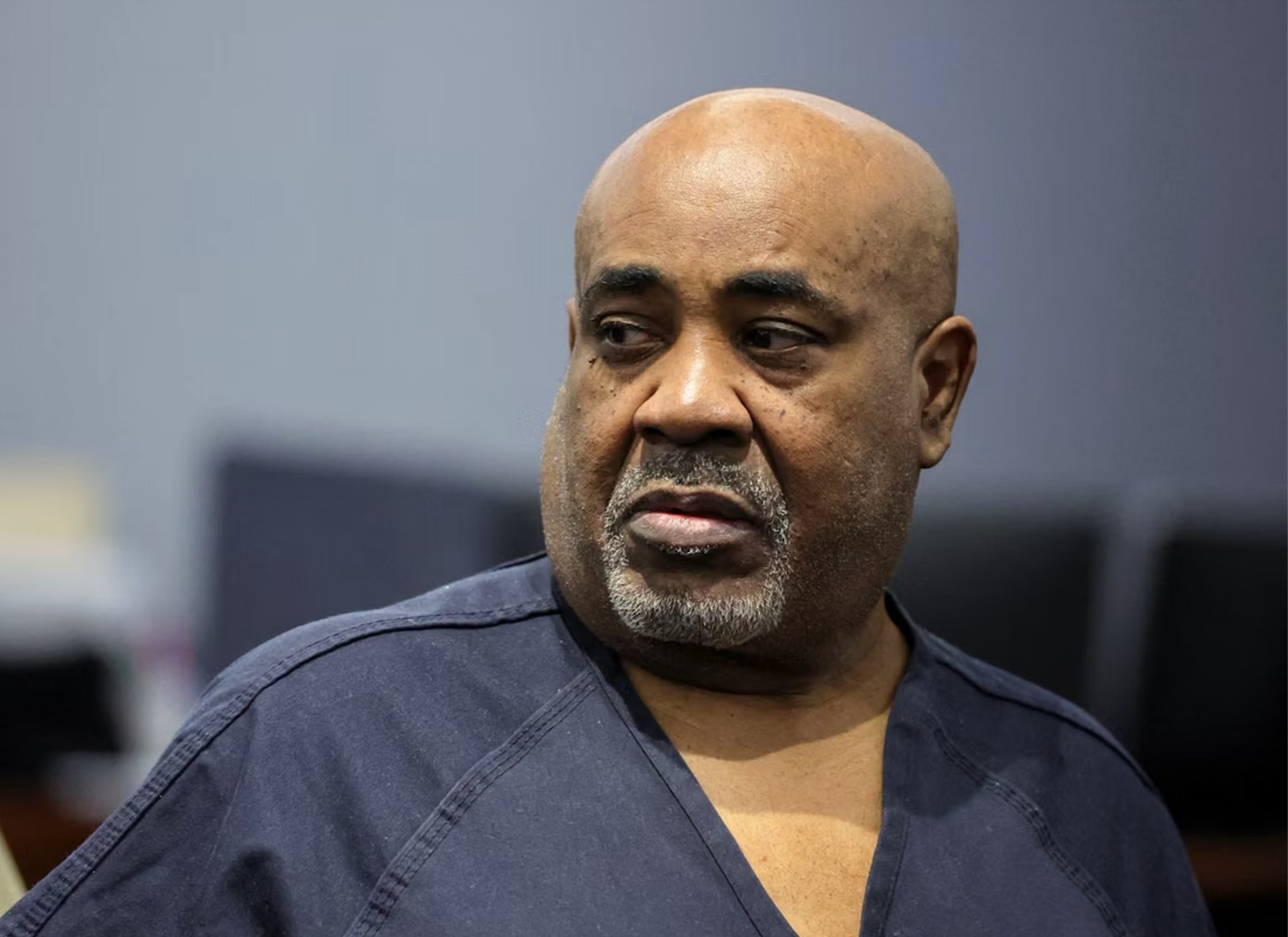
A 16-member jury of six men and 10 women was selected on Thursday, August 13, 2026, for the trial of Duane “Keffe D” Davis, the former South Side Compton Crips leader accused of helping organise the attack that killed one of hip-hop’s most influential artists.
Davis, 63, has pleaded not guilty to murder with a deadly weapon with the intent to promote, further or assist a criminal gang.
Opening statements are scheduled for Monday in Clark County District Court. The trial is expected to run for about a month.
Davis is not accused of firing the shots that killed Shakur.
Prosecutors instead intend to prove that he helped set the attack in motion and supplied the gun used by someone else inside the white Cadillac from which the fatal shots were fired.
Under Nevada law, a person can be convicted of murder without personally pulling the trigger if prosecutors prove that the defendant knowingly assisted in the crime.
The Case May Turn on Davis’s Own Words
For years, the absence of a prosecution in Shakur’s killing encouraged theories about who was responsible and why no one had been charged.
The eventual case against Davis developed in an unusual way.
Rather than being driven by newly discovered forensic evidence, prosecutors are relying heavily on statements Davis made about the shooting long after it happened.
He discussed the case with investigators, appeared in interviews and later published a memoir describing events surrounding Shakur’s death.
In those accounts, Davis placed himself inside the Cadillac involved in the attack and described obtaining a firearm before passing it towards the rear of the vehicle.
Prosecutors say those statements amount to powerful evidence that Davis participated in a retaliatory killing.
His lawyers have taken the opposite position.
The defence has argued that Davis embellished or fictionalised parts of his public accounts for commercial reasons and that statements made during an earlier law-enforcement interview were protected by assurances that he would not be prosecuted.
Judge Carli Kierny rejected attempts to keep both the memoir and a 2008 police interview away from the jury.
That ruling gives prosecutors access to evidence that could become central to the trial: Davis explaining the crime in his own voice.
A Fight Hours Earlier Is Central to Prosecutors’ Theory
Shakur was in Las Vegas for a Mike Tyson boxing match on the night he was shot.
After Tyson defeated Bruce Seldon at the MGM Grand, Shakur and members of his entourage encountered Orlando “Baby Lane” Anderson, Davis’s nephew and a member of the South Side Compton Crips.
Shakur and others were captured on casino surveillance footage attacking Anderson.
Prosecutors contend that the confrontation triggered an effort by Davis and his associates to retaliate.
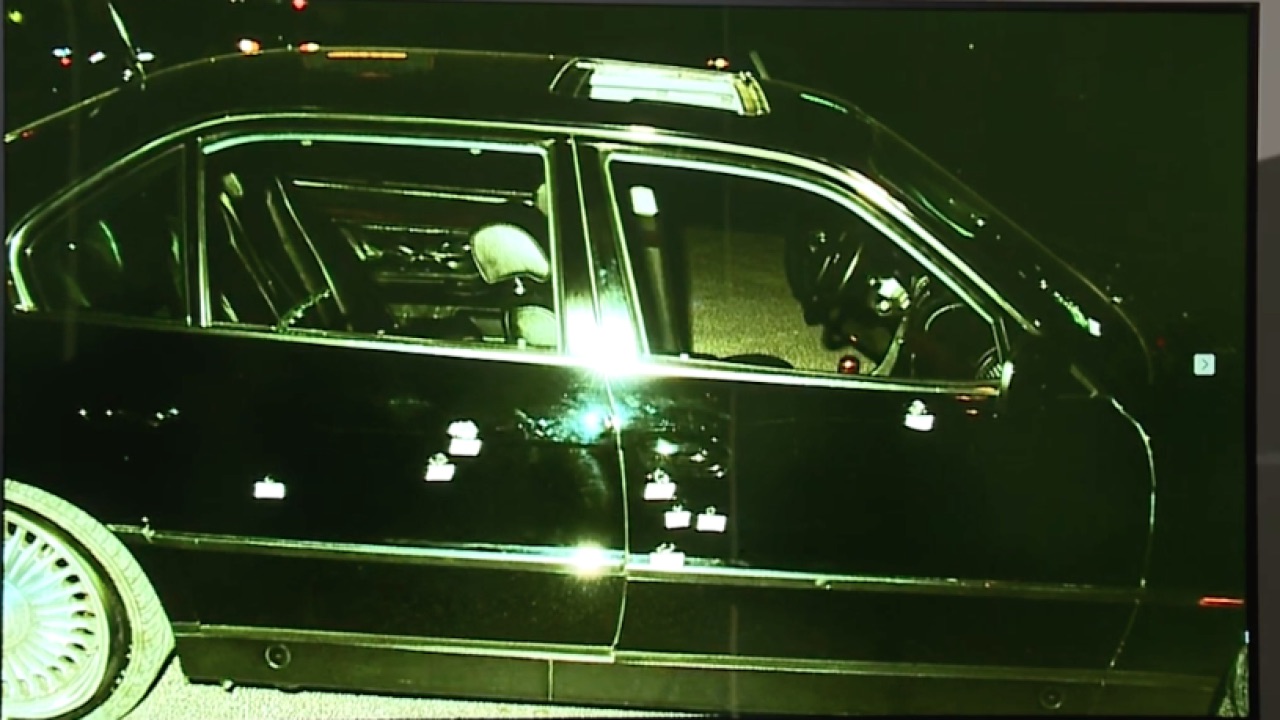
Later that night, Shakur left the hotel in a black BMW driven by Marion “Suge” Knight, the co-founder of Death Row Records.
The pair were travelling towards a nightclub where Shakur was expected to appear when they stopped at a traffic light near the Las Vegas Strip.
A white Cadillac pulled alongside the BMW.
Gunfire followed.
Shakur was struck several times. Knight was wounded but survived.
The 25-year-old rapper died in hospital six days later.
Four Men Were Allegedly Inside the Cadillac
Prosecutors have identified Davis as one of four men they believe were travelling in the Cadillac.
The others were Anderson, Deandrae “Freaky” Smith and Terrence “T-Brown” Brown.
All three died before Davis was charged.
Davis is therefore the only surviving person prosecutors say was inside the vehicle from which the shots were fired.
The state does not need to prove that he was the shooter to obtain a murder conviction.
Its case instead portrays Davis as the senior gang figure who participated in the search for Shakur after the casino confrontation and provided the weapon used in the attack.
Who actually fired the shots may remain unresolved even after the verdict.
Anderson was long regarded as a principal suspect and denied involvement before his death in an unrelated shooting in 1998.
Other testimony has identified Smith as the possible gunman.
Neither man was ever charged in Shakur’s death.
A Cold Case Revived Decades Later
The Las Vegas investigation struggled for years.
No murder weapon was recovered, witnesses were reluctant to cooperate and investigators were operating inside an environment shaped by street-gang rivalries and competing loyalties within the music industry.
The case eventually went cold.
Davis’s subsequent willingness to discuss the shooting changed that.
His interviews brought renewed attention to the investigation, while his 2019 memoir provided a detailed public account of his involvement with the South Side Compton Crips and the events surrounding Shakur’s death.
Police searched a Nevada home connected to Davis in 2023.
He was arrested later that year and indicted by a grand jury.
His prosecution became the first criminal case brought against anyone in connection with Shakur’s killing.
Defence Challenges Meaning of His Admissions
The trial is expected to focus heavily on whether Davis’s statements should be understood as admissions of criminal responsibility or the exaggerations of a former gang member profiting from a notorious unsolved murder.
His lawyers have argued that prosecutors lack physical evidence establishing that Davis ordered the killing.
They are also expected to challenge witnesses who did not personally observe crucial parts of the crime and to question the reliability of recollections formed almost 30 years ago.
The defence has maintained that Davis’s book contained fictionalised material and was produced with a co-author.
Kierny nevertheless ruled that the prosecution could introduce it after finding that Davis had publicly embraced the book’s account as truthful.
A separate attempt to exclude his 2008 interview with investigators also failed.
The competing interpretations create an unusual trial question: whether the public storytelling that helped sustain fascination with Shakur’s murder ultimately provided prosecutors with enough evidence to solve it.

Suge Knight Could Become Important Witness
Prosecutors expect to call between 35 and 45 witnesses, including people who saw Shakur shortly before the shooting and others connected to the gang and music circles surrounding the case.
One potentially important witness remains uncertain.
Knight was driving the BMW when Shakur was shot and is the only surviving person known to have been inside either of the two vehicles at the centre of the confrontation, apart from Davis.
He is currently serving a 28-year prison sentence in California in an unrelated case.
Knight has repeatedly indicated that he does not want to participate in Davis’s trial.
Davis’s attorney has suggested Knight could be helpful to the defence if he does testify.
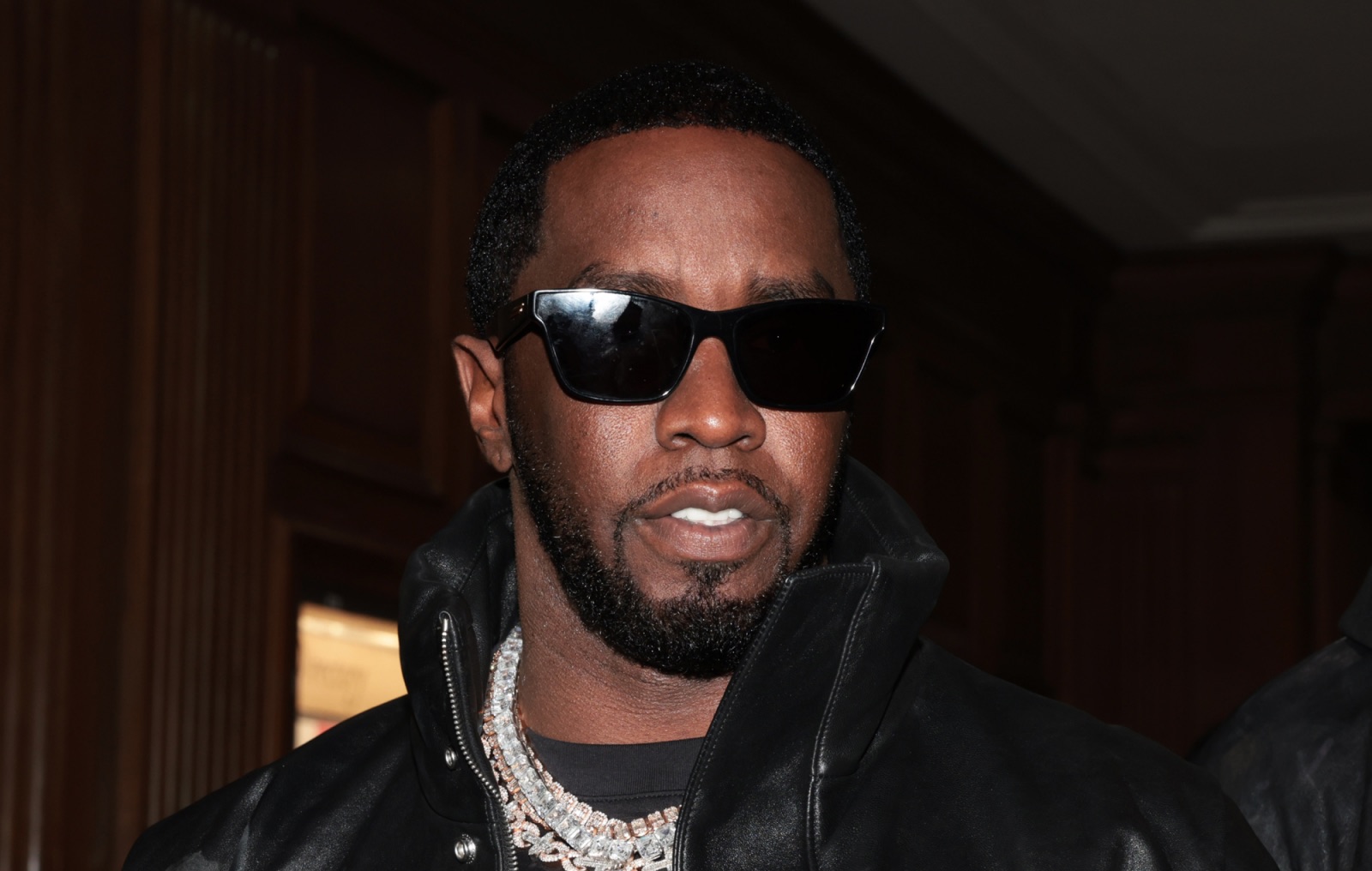
Sean “Diddy” Combs, whose Bad Boy Records label was a rival of Death Row during the turbulent period surrounding Shakur’s death, is not expected to be called as a witness.
Thirty Years of Speculation Reach a Jury
Shakur’s murder became inseparable from the mythology surrounding hip-hop in the 1990s.
His death came when his career was expanding rapidly across music and film and amid bitter personal, commercial and gang-linked conflicts within the rap industry.
His recordings continued to sell after his death, eventually exceeding 75 million worldwide, while songs including California Love, Dear Mama and Changes helped preserve his influence across subsequent generations.
The absence of a conviction also transformed his killing into one of American popular culture’s most discussed unsolved crimes.
That history now moves into a courtroom.
For Shakur’s relatives, the trial offers the first opportunity in almost 30 years to see a jury decide whether anyone bears criminal responsibility for the attack.