An athlete at the Commonwealth Games has revealed he was hospitalised and put into isolation for four days while he was tested for the deadly Ebola virus.
Cyclist Moses Sesay, from Sierra Leone in West Africa where hundreds are reported to have died from the flesh-eating virus, was admitted to hospital in Glasgow after feeling unwell and developing fever-like symptoms.
In action: Moses Sesay is pictured during the road race time trial at the Commonwealth Games [Photo Credit: Paul Terry/ Focus Images Limited]
However, he was later given the all-clear and on Thursday, July 31, 2014 competed in the road race time trial.
Last night, the 32-year-old said he and other athletes were scared of returning home because of Ebola and would try to remain in Britain until their special three-month visas for the Games expired.
Mr Sesay, who comes from the Rotifunk Moyamba area of Sierra Leone which has been hit by the disease, said: ‘I was sick, I felt tired and listless. All the doctors were in special suits to treat me – they dressed like I had Ebola. I was very scared.’
Speaking to the Daily Mirror, he continued: ‘I was admitted for four days and they tested me for Ebola.
‘It came back negative but they did it again and this time sent it to London where it was also negative.’
The father of one, who competed in the Games on his 32nd birthday, finished last in his race.
He had arrived in Glasgow among a team of two dozen competitors and officials the week before the Games and felt unwell last Thursday, the day after he attended the Opening Ceremony.
‘All of us are scared about going back,’ he said. ‘We have a three-month visa in our passports and if I have the opportunity, I will stay here until it ends.
It is scary over there. My mother is a medical nurse so she may have to treat people. My wife is also doing work in the medical field.’
A West African official last night denied a report that another member of the team, believed to be Mr Sesay’s room mate in the village, had gone missing or that others had been hospitalised.
Deadly: Medics carry a young girl who has been in contact with people infected with Ebola in Sierra Leone [Photo Credit: Sylvian Cherkaoul/Cosmos]
He said that officials in Glasgow were in contact with the High Commission in London over the timing of the team’s return and that they still planned to take part in the Closing Ceremony on Sunday, August 3, 2014.
No special precautions had been taken inside the athlete’s village and they were sharing facilities with other teams, he added.
It is the second Commonwealth Games that Mr Sesay, who trains in South Africa, has attended having competed in Delhi, India, four years ago.
Officials stressed there had been no positive tests for Ebola in Scotland but refused to comment on negative tests.
Ebola is a severe, often fatal illness, that affects humans as well as primates, including monkeys, gorillas and chimpanzees.
The virus is transmitted through close contact with the blood, secretions, organs or other bodily fluids of infected animals
Once a person becomes infected, the disease can spread through contact with a sufferer’s blood, urine, saliva, stools and semen.
The Ebola virus is fatal in 90 per cent of cases and there is no vaccine and no known cure.
Used to monitor number of Google Analytics server requests when using Google Tag Manager
1 minute
_gid
ID used to identify users for 24 hours after last activity
24 hours
_ga_
ID used to identify users
2 years
_gali
Used by Google Analytics to determine which links on a page are being clicked
30 seconds
_ga
ID used to identify users
2 years
__utmx
Used to determine whether a user is included in an A / B or Multivariate test.
18 months
__utmv
Contains custom information set by the web developer via the _setCustomVar method in Google Analytics. This cookie is updated every time new data is sent to the Google Analytics server.
2 years after last activity
__utmz
Contains information about the traffic source or campaign that directed user to the website. The cookie is set when the GA.js javascript is loaded and updated when data is sent to the Google Anaytics server
6 months after last activity
__utmc
Used only with old Urchin versions of Google Analytics and not with GA.js. Was used to distinguish between new sessions and visits at the end of a session.
End of session (browser)
__utmb
Used to distinguish new sessions and visits. This cookie is set when the GA.js javascript library is loaded and there is no existing __utmb cookie. The cookie is updated every time data is sent to the Google Analytics server.
30 minutes after last activity
__utmt
Used to monitor number of Google Analytics server requests
10 minutes
__utma
ID used to identify users and sessions
2 years after last activity
_gac_
Contains information related to marketing campaigns of the user. These are shared with Google AdWords / Google Ads when the Google Ads and Google Analytics accounts are linked together.
90 days
You can find more information in our Cookie Policy and .

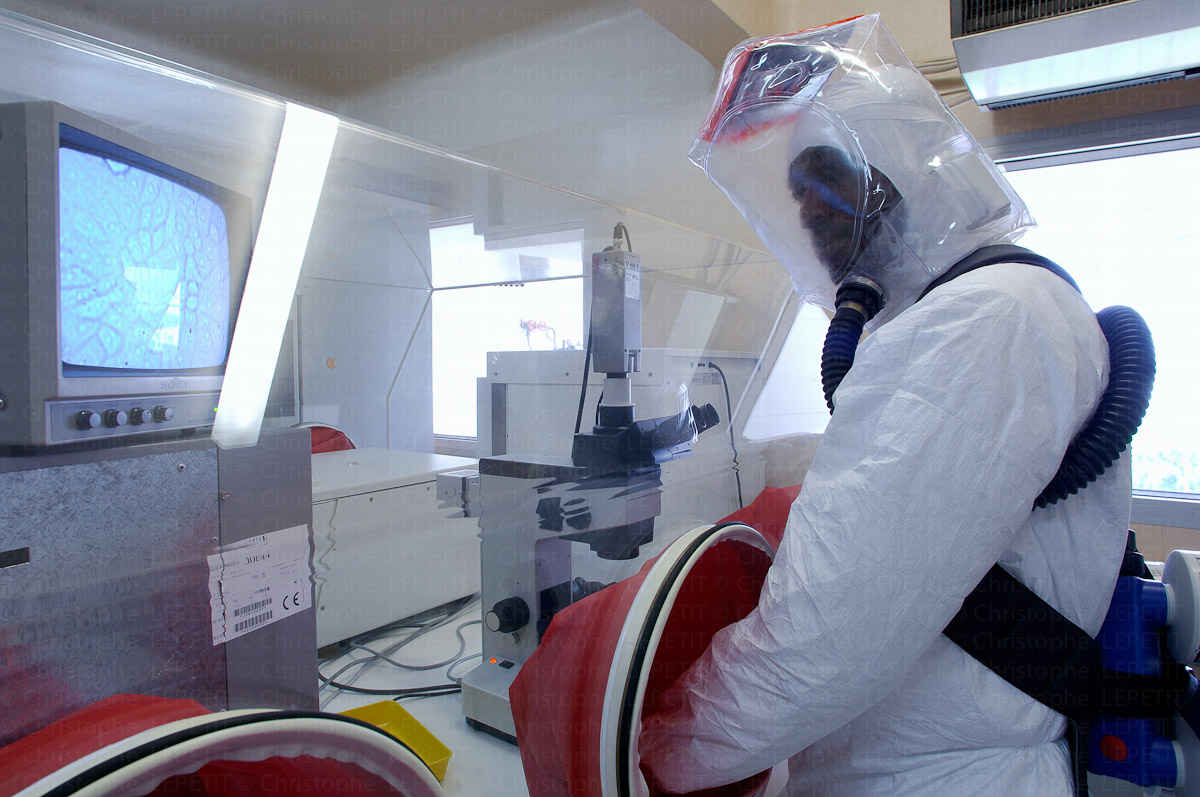

![In action: Moses Sesay is pictured during the road race time trial at the Commonwealth Games [Photo Credit: Paul Terry/ Focus Images Limited]](https://www.thetrentonline.com/wp-content/uploads/2014/08/sesay.jpg)
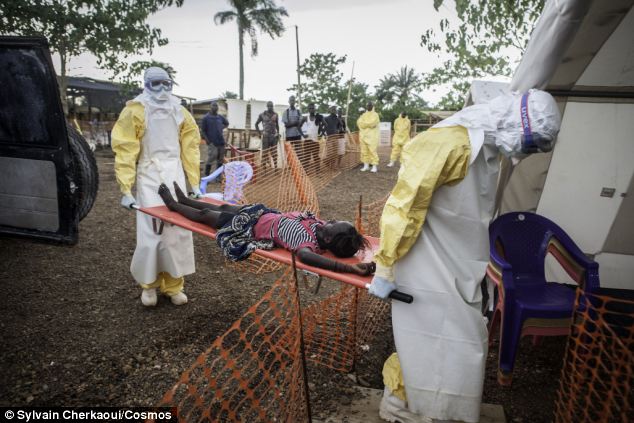 Deadly: Medics carry a young girl who has been in contact with people infected with Ebola in Sierra Leone [Photo Credit: Sylvian Cherkaoul/Cosmos]