
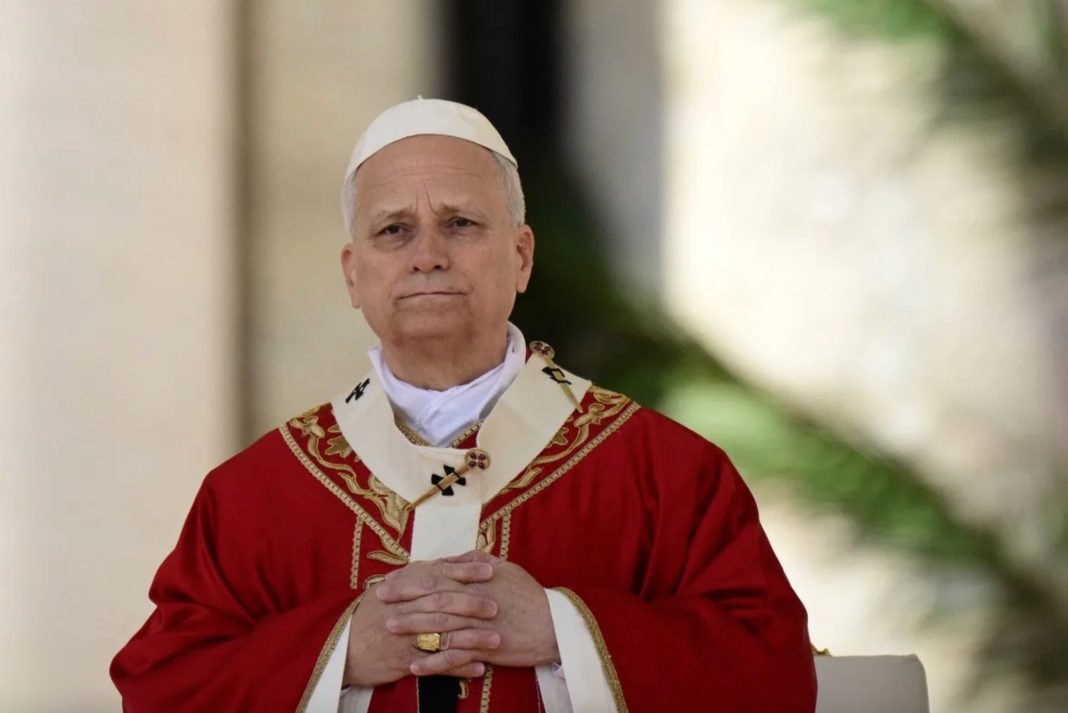

ROME, Italy — Pope Leo XIV has been diagnosed with lung cancer after undergoing surgery in Rome on Tuesday, October 13, 2026, during which doctors removed the lower lobe of his right lung, the Vatican announced.
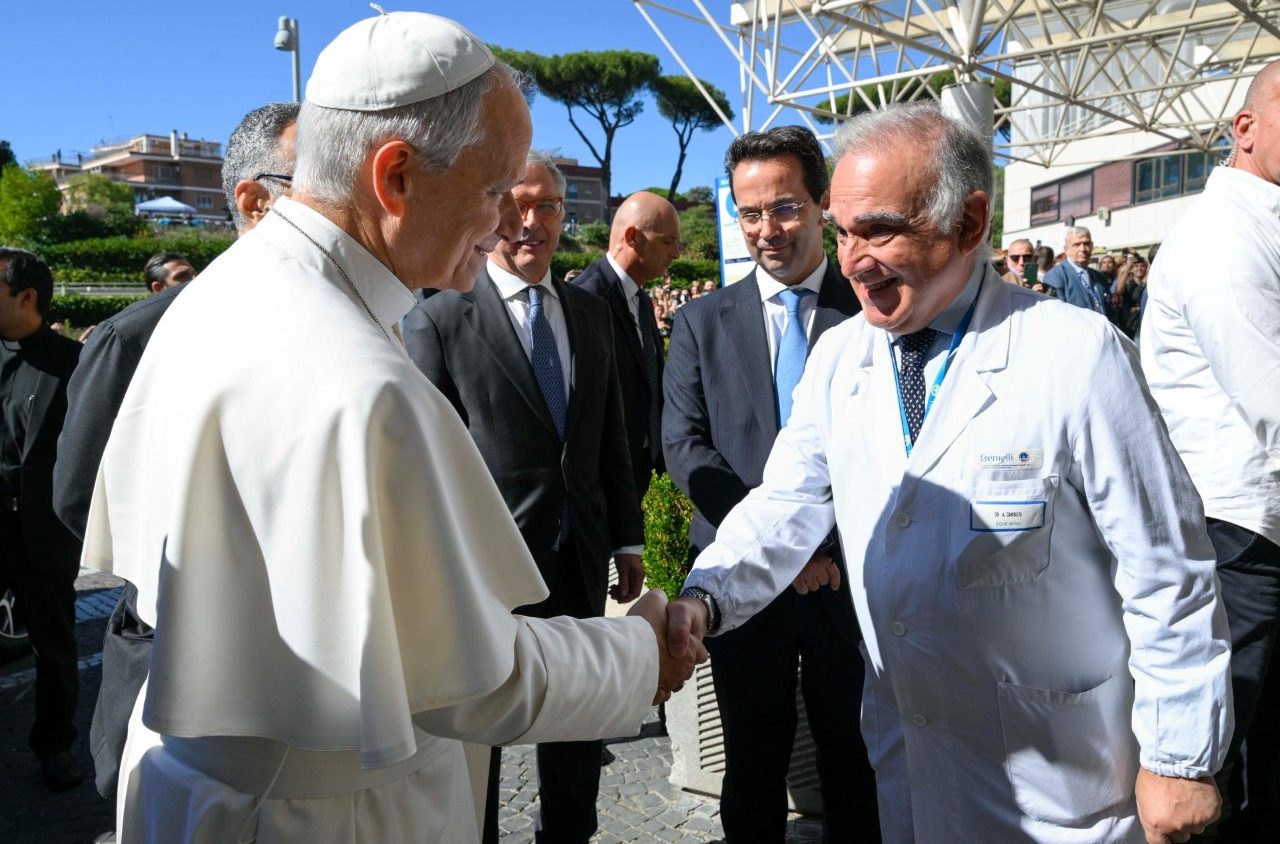
The 71-year-old pontiff underwent a 90-minute operation at the Agostino Gemelli University Hospital after medical examinations identified a small growth in his lung.
A tissue examination conducted during the procedure confirmed that the growth was lung adenocarcinoma, a form of cancer that develops in glandular cells and is the most common subtype of non-small cell lung cancer.
The diagnosis had been suspected following examinations conducted before the operation, according to a medical bulletin released by the Vatican.
The surgery was successful, and the Pope experienced no complications, doctors said.
“The intraoperative histological examination confirmed the diagnosis of lung adenocarcinoma, as suspected by the pre-operative tests,” the Vatican statement said.
The statement, issued by Dr Luigi Carbone and Professor Stefano Margaritora, confirmed that surgeons had removed an entire section of the Pope’s right lung rather than merely excising the small growth.
The operation was performed using a video-assisted technique, which allows surgeons to operate with the assistance of a miniature camera.
“The operation was successful and there were no complications,” the doctors said.
Leo regained consciousness normally after the procedure and was transferred to his hospital room on the 10th floor after a short period of observation.
The diagnosis represents the most serious publicly disclosed health challenge of his papacy, which began in May 2025.
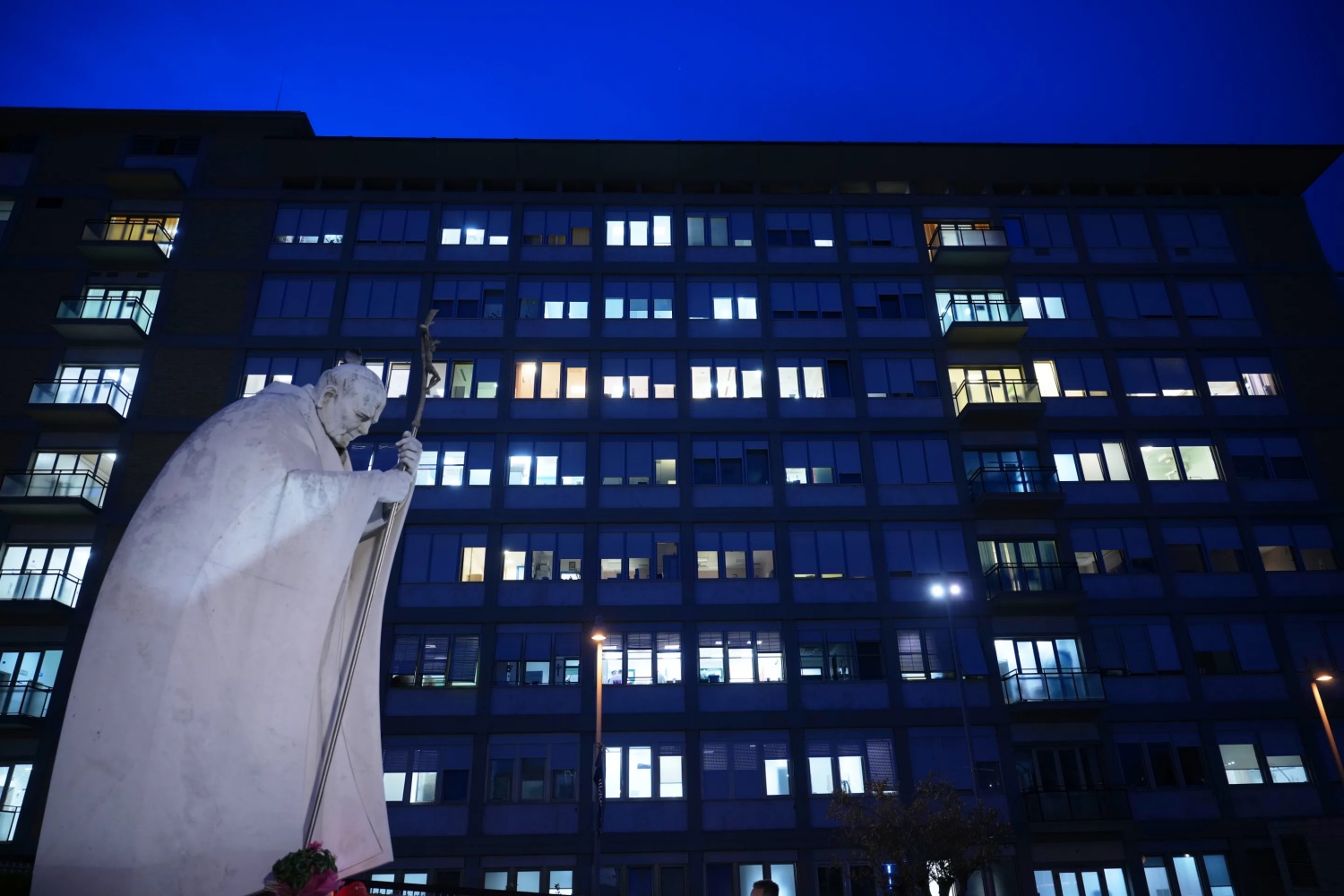
Doctors Remove Lower Lobe of Right Lung
The operation was led by Margaritora, the hospital’s chief thoracic surgeon, assisted by Professor Elisa Meacci, Dr Maria Teresa Congedo, and Dr Leonardo Petracca Caravella.
The anaesthesia team comprised Professor Massimo Antonelli, Dr Giovanni Punzo, and Dr Giuseppe Bello.
According to the Vatican, the Pope spent approximately three hours in the operating theatre, although the surgical procedure itself lasted about 90 minutes.
Surgeons performed a lobectomy, removing the lower lobe of his right lung to achieve what the medical bulletin described as a radical procedure.
The term generally refers to an operation intended to remove cancerous tissue completely, although the success of that objective can only be established through further examination.
The right lung consists of three lobes, while the left has two. Removing one lobe leaves the remaining lung tissue capable of continuing respiratory function.
Doctors have not disclosed the precise size of the tumour or whether cancer cells were found in surrounding tissue.
The Vatican has also not announced the results of examinations of the Pope’s lymph nodes, which are important in determining whether the disease has spread.
Those findings will help establish the cancer’s stage and whether additional treatment is necessary.
The Associated Press reported that Vatican officials were not yet discussing chemotherapy or other treatments pending the results of further tests.
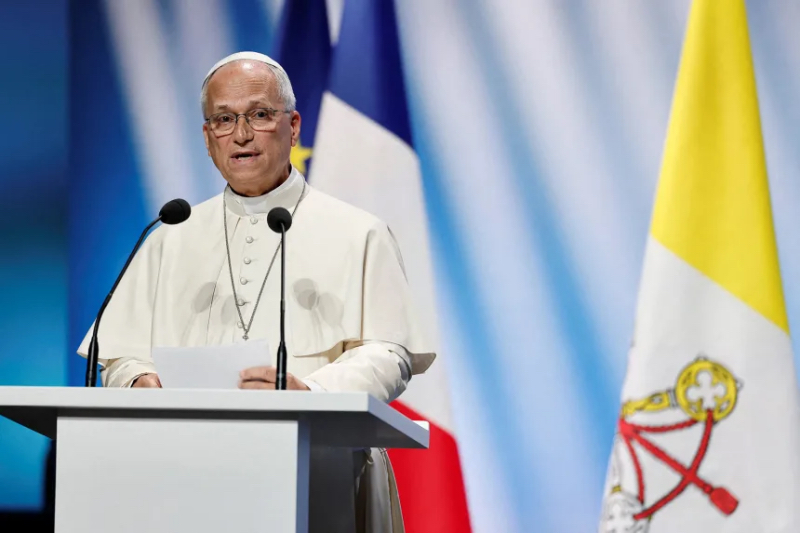
Cancer Diagnosis Follows Pope’s Unusual Public Disclosure
The cancer diagnosis comes two days after Leo surprised Catholics around the world by publicly revealing that doctors had discovered an abnormality in his lung.
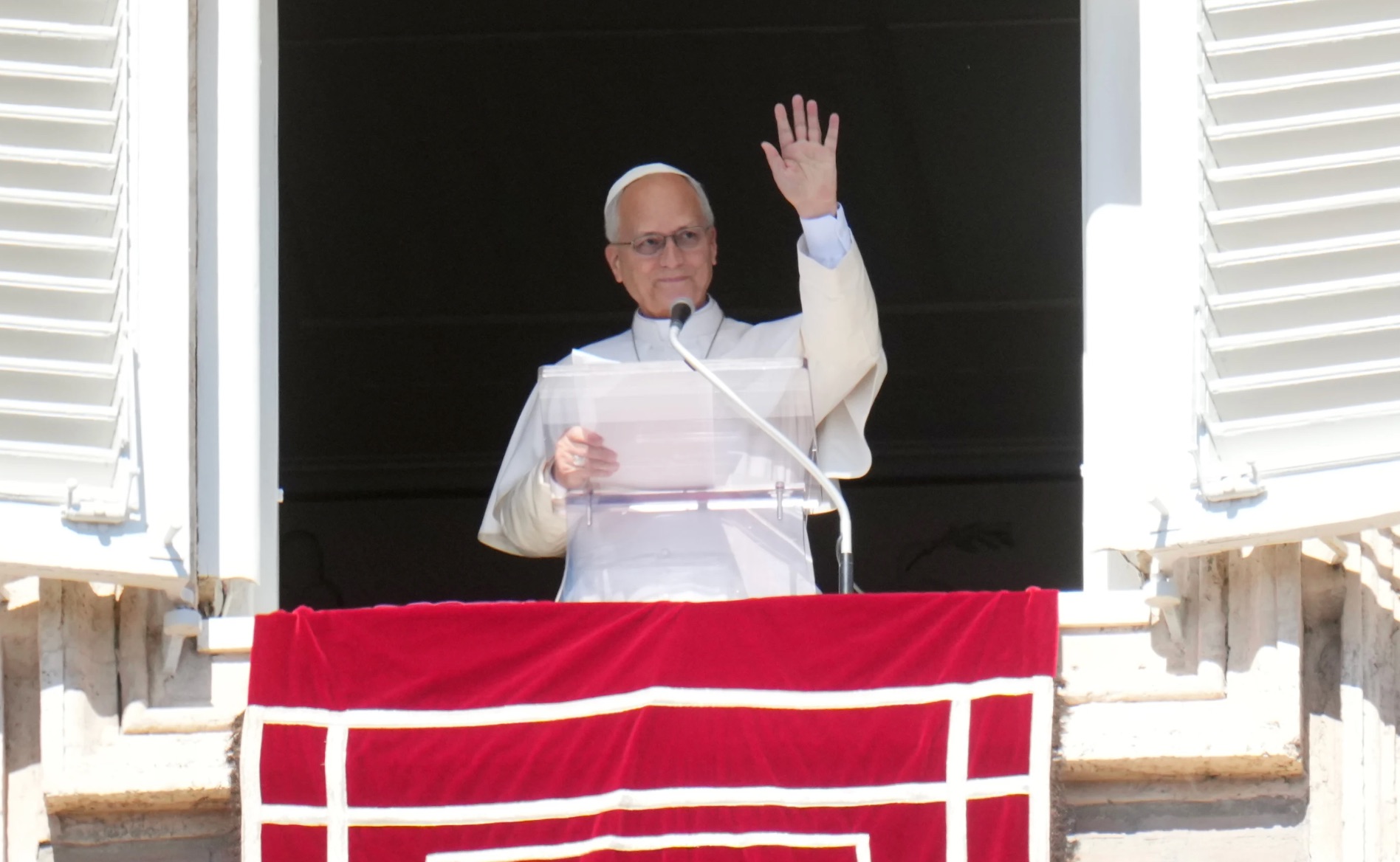
During his Sunday Angelus address in St Peter’s Square on October 11, the Pope announced that routine medical examinations had detected a small growth.
“It was detected at a very early stage and is well-localized,” he told worshippers.
He explained that doctors had advised surgery and that he had agreed to undergo the procedure.
“I thank you for your spiritual closeness and entrust myself to your prayers,” he said, according to the official Vatican transcript.
The announcement was unusual because the Vatican has historically maintained considerable secrecy about the medical conditions of reigning pontiffs.
Leo’s decision to discuss the discovery publicly, before undergoing surgery, was regarded as a significant departure from that tradition.
At the time, the Vatican had not publicly confirmed that the growth was cancerous.
The diagnosis was subsequently established during Tuesday’s operation, after tissue removed from the Pope’s lung was examined.
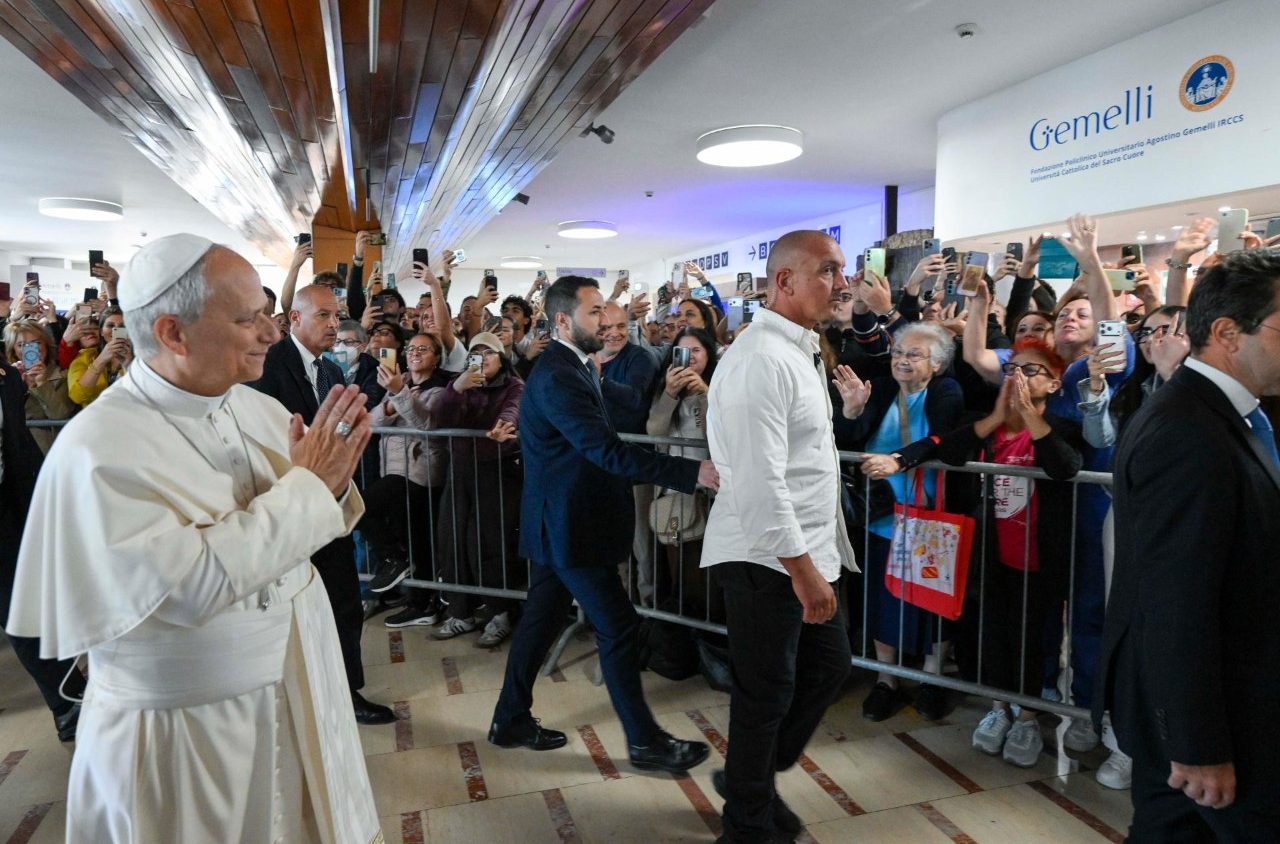
Before entering the hospital, Leo appeared calm and greeted well-wishers gathered to see him.
Cardinal Pietro Parolin, the Vatican’s secretary of state, said the Pope had approached the operation with composure despite the unexpected discovery.
Speaking to Italian broadcaster Rai News, Parolin described the announcement as having come unexpectedly and expressed hope that the early detection would improve the outcome.
What Is Lung Adenocarcinoma?
Lung adenocarcinoma is the most common form of non-small cell lung cancer, which accounts for most lung cancer diagnoses worldwide.
The disease originates in cells that produce mucus and other substances within the lungs.
It frequently develops in the outer regions of the lungs and can occur in people who have never smoked, although smoking remains a major risk factor for lung cancer generally.
The Vatican has not disclosed any cause or risk factor associated with the Pope’s diagnosis.
Unlike some other lung cancers, adenocarcinoma may develop relatively slowly and can sometimes be identified before it has spread beyond its original location.
When diagnosed at an early stage, surgical removal may offer the possibility of successful treatment.
However, doctors generally require detailed information about the tumour’s size, its involvement with nearby lymph nodes, and any spread to other parts of the body before establishing a patient’s prognosis.
According to the American Cancer Society, the staging process is central to determining which treatments are appropriate.
Dr Stephen Liu, a lung cancer specialist at Georgetown University’s Lombardi Comprehensive Cancer Center, told the Associated Press that adenocarcinoma was among the forms of lung cancer associated with more favourable outcomes, particularly when diagnosed early.
He cautioned, however, that doctors still needed to establish the extent of the Pope’s cancer.
Treatment options for lung adenocarcinoma can include surgery, chemotherapy, immunotherapy, and targeted medicines, depending on the stage of the disease and other clinical findings.
There is no indication that Leo will require any of those additional treatments.
His medical team has not released sufficient information to establish a definitive prognosis.
Pope Expected to Remain in Hospital for a Week
The Vatican said Leo was expected to remain at Gemelli Hospital for approximately seven days as he recovered from the operation.
His public audiences and other engagements have been cancelled until October 20.
The cancellation affects his regular Wednesday general audience and other scheduled activities requiring his personal participation.
Despite his hospitalisation, Leo remains the head of the Roman Catholic Church, which has approximately 1.4 billion members worldwide.
The Vatican has procedures allowing routine administrative work to continue during a pontiff’s illness, although certain decisions still require the Pope’s personal authorisation.
The immediate question concerns how quickly Leo will recover sufficient strength to resume his demanding schedule.
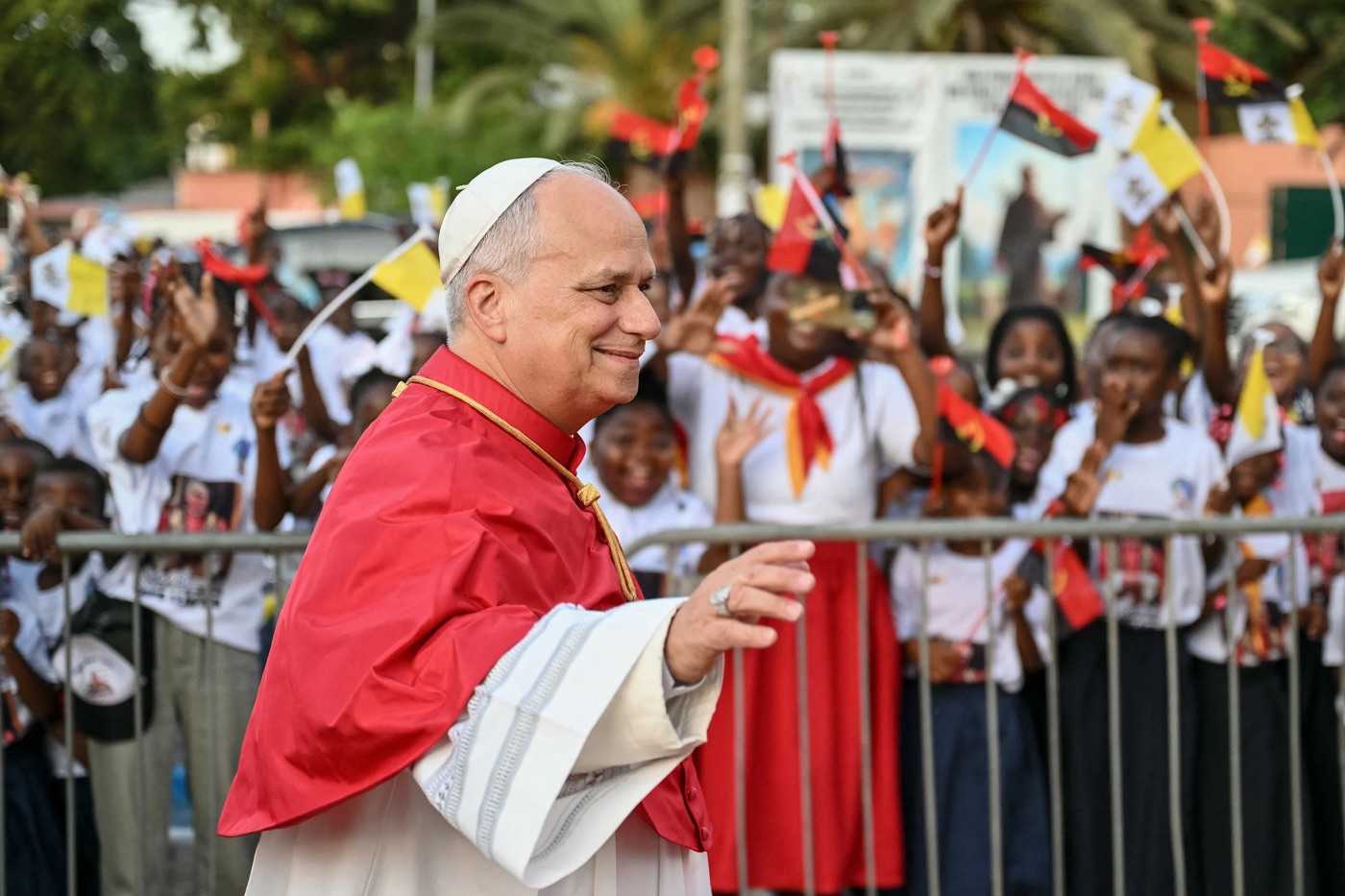
He is due to undertake an 11-day visit to South America beginning on November 6, with stops in Uruguay, Argentina, and Peru.
The itinerary is especially significant because of his longstanding ties to Peru, where he spent much of his life as a missionary and bishop before being appointed to senior leadership positions in Rome.
The Vatican has not announced changes to the journey, although the Pope’s ability to travel will depend on his recovery and the results of further medical examinations.
First Major Health Crisis of His Papacy
Born Robert Francis Prevost in Chicago on September 14, 1955, Leo became the first American pope when he was elected on May 8, 2025, following the death of Pope Francis.
Before becoming pontiff, he spent much of his clerical career in Peru, initially as an Augustinian missionary and later as bishop of Chiclayo.
He subsequently returned to Rome to lead the Vatican department responsible for selecting bishops before his election to the papacy.
Until this week’s announcement, Leo had been regarded as relatively healthy and physically active.
He is known to enjoy tennis and swimming and has maintained a demanding schedule of public appearances, religious celebrations, and international travel.
His only previously reported major hospitalisation occurred in 1985, when he contracted typhoid fever while serving as a young missionary in Peru.
In a biography published after his election, Leo described the illness as a defining experience that strengthened his commitment to remaining in Peru.
His current hospitalisation has also revived memories of the declining health of his predecessor, Pope Francis, who suffered repeated respiratory illnesses in the final years of his life.
Francis spent more than five weeks at Gemelli Hospital earlier in 2025 while being treated for pneumonia and other complications.
He died at the Vatican on April 21, 2025, aged 88.
Gemelli Hospital has treated several pontiffs, including Pope John Paul II, who underwent numerous procedures there during his papacy.
The institution maintains facilities and security arrangements specifically designed to accommodate a reigning pope.
Leo is recovering in a hospital room near the dedicated papal apartment, which is undergoing renovation.
Prayers as Vatican Awaits Further Medical Results
The Pope’s diagnosis has prompted prayers and messages of support from Catholics and religious leaders around the world.
At Gemelli Hospital on Tuesday evening, Cardinal Baldassare Reina, the vicar general of the Diocese of Rome, led prayers for the pontiff’s recovery.
Worshippers gathered in the hospital chapel as medical staff completed the operation and the Vatican prepared to release its findings.
The Vatican has indicated that additional updates on Leo’s condition will be provided as his recovery progresses.
For now, the medical bulletin offers two significant findings: the cancerous growth has been surgically removed, and the operation was completed without complications.
Whether the surgery alone will be sufficient treatment remains uncertain until doctors complete the remaining examinations.
The Pope’s immediate recovery and the results of those tests will determine the next stage of his medical care.




