
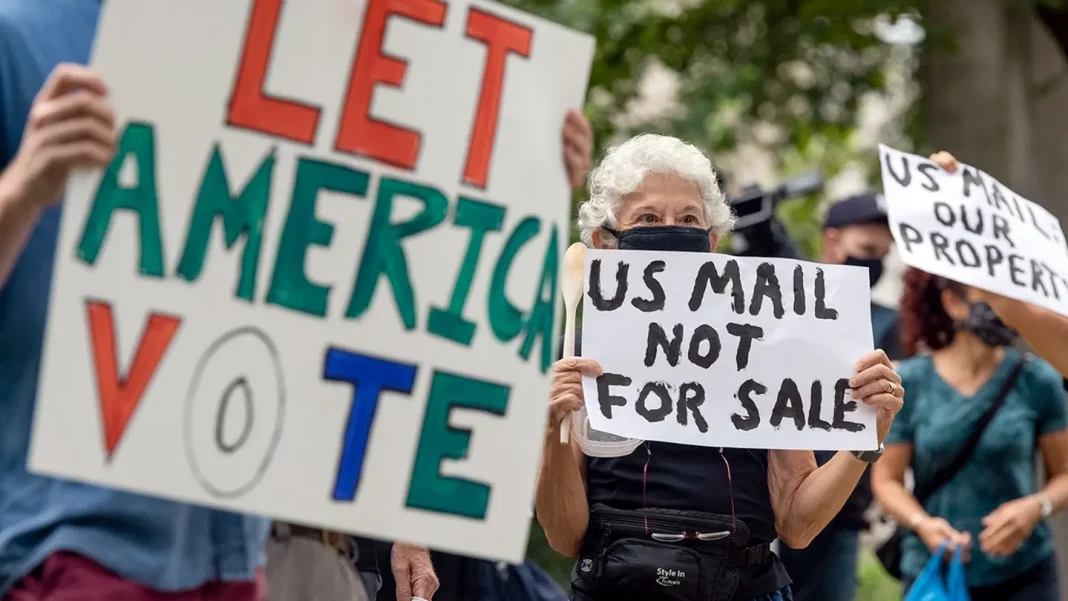

WASHINGTON, United States — The Supreme Court blocked President Donald Trump’s proposed restrictions on mail ballots on Monday, September 14, 2026.
The ruling prevented the changes from taking effect shortly before the midterm elections.
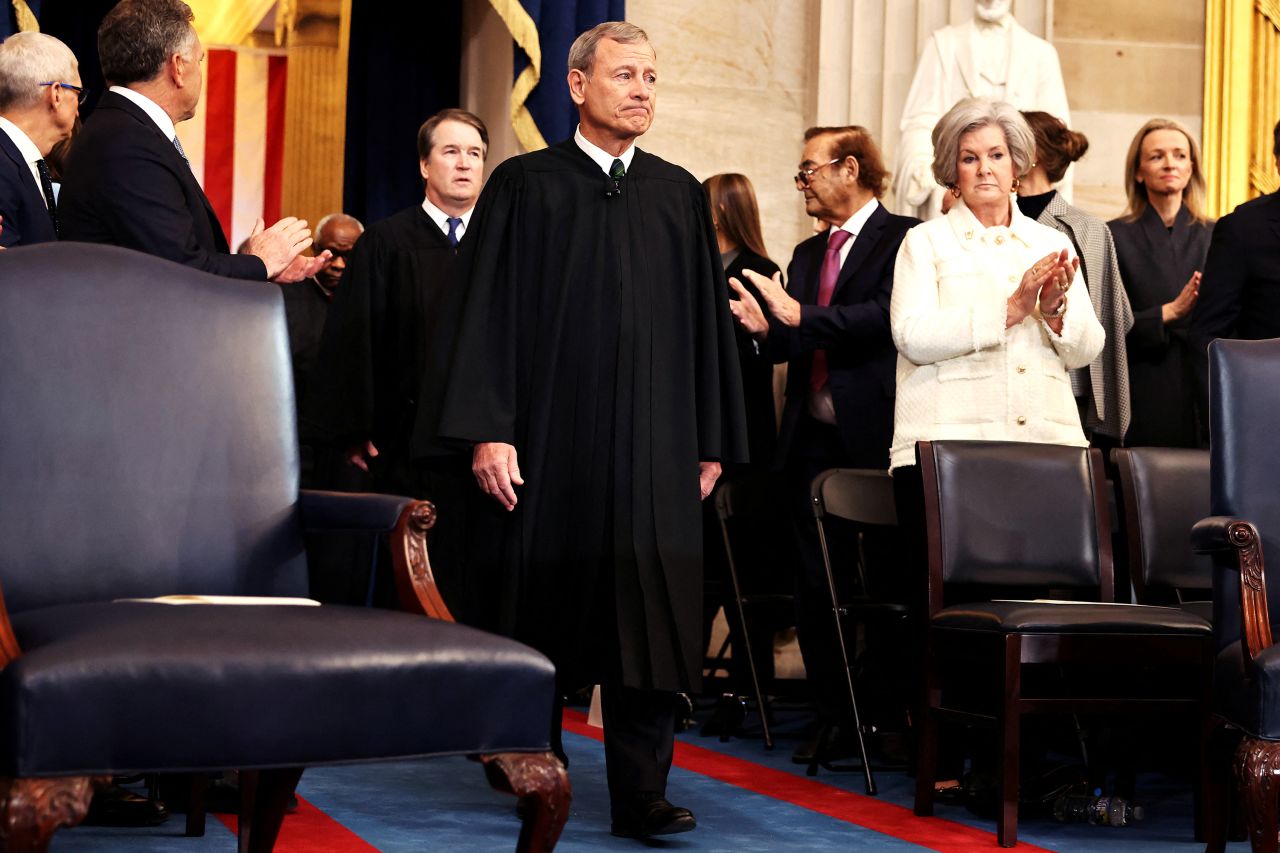
In a three-sentence, unsigned order, the court said the administration “is unlikely to succeed on the merits of its challenge”.
The majority also concluded that the potential consequences for voters outweighed the government’s interest in immediately enforcing the policy.
Justice Samuel Alito and Justice Clarence Thomas dissented.
Justice Brett Kavanaugh agreed that the rules should not take effect before the midterms, although he said the US Postal Service might have the legal authority to impose them at another time.
Kavanaugh wrote that “state and local election officials do not have sufficient time to reasonably implement the rule before the elections”.
Rules Election Officials Said They Could Not Carry Out
The plan would have required states to provide the Postal Service with lists of eligible voters.
Postal employees would have been prohibited from delivering ballots sent to people whose names did not appear on those lists.
States would also have been required to add tracking barcodes to ballot envelopes.
The policy further directed federal authorities to prioritise the prosecution of election officials who sent ballots to, or received them from, non-citizens and other ineligible voters.
The administration described the measures as limited changes intended to protect election security and ensure that ballots reached only eligible voters.
Democratic-led states, voting-rights organisations, and election administrators argued that the rules exceeded executive authority and could prevent lawful voters from receiving ballots.
Election officials from both political parties told the court that the requirements could not be introduced safely at such a late stage.
States would have been expected to upload extensive voter information to an online system that was not yet operational.
Officials also said ballot envelopes had already been purchased, while some states had begun distributing them.
Complying with the barcode requirement would therefore have required changes to materials already prepared for the election.
A Postal Service whistleblower raised additional concerns about the proposed system.
According to the whistleblower’s account, a defective barcode on one envelope could have caused an entire group of ballot mailings to be withheld, rather than only the affected envelope.
The whistleblower also described the development of the voter-data portal as rushed and warned that errors could result in ballots being delayed or withheld on a large scale.

A Third Emergency Appeal
The dispute reached the Supreme Court through its emergency docket after lower courts repeatedly stopped the policy.
The administration had previously persuaded the justices to allow the proposal to proceed temporarily on procedural grounds connected to the timing of an earlier lawsuit.
A lower federal court blocked the restrictions days later.
Judge Carl Nichols, a Trump appointee serving on the US District Court in Washington, became the latest judge to suspend the rules over the weekend.
The administration then returned to the Supreme Court for the third time seeking emergency intervention.
The Democratic-led states and voting-rights groups challenging the policy argued that the Constitution gives states and Congress authority over election procedures.
They said neither the White House nor the Postal Service could independently impose nationwide voting requirements of this kind.
Alito rejected the challengers’ practical objections as insufficient grounds for denying the administration’s application.
He said the Postal Service possessed broad authority to regulate mail and that the government had an interest in improving the identification of ballot correspondence.
“I take that problem very seriously, but it is not enough to convince me to deny the application,” Alito wrote of the implementation concerns raised by election officials.

Trump Criticises the Justices
Trump denounced the ruling in a Truth Social post the following morning, calling it “another bad decision from the United States Supreme Court”.
The president also criticised justices he had considered for appointment, saying they were “merely a shell of their original selves”.
Trump has repeatedly alleged that widespread fraud affects mail voting. The administration has not produced evidence of fraud on a scale capable of changing the outcome of the 2020 presidential election or another national contest.
Trump has nevertheless continued to cast his own ballots by mail.
Officials who challenged the restrictions welcomed the court’s decision. Colorado Secretary of State Jena Griswold, a Democrat, said Trump’s effort to change the procedures had failed.
California Attorney General Rob Bonta, also a Democrat, described the decision as a “victory for our democracy and a powerful affirmation of the rule of law”.
The ruling leaves existing mail ballot procedures in place for the midterm elections.
It does not definitively resolve whether the Postal Service could attempt similar changes before a future election with more time for states and local authorities to prepare.