
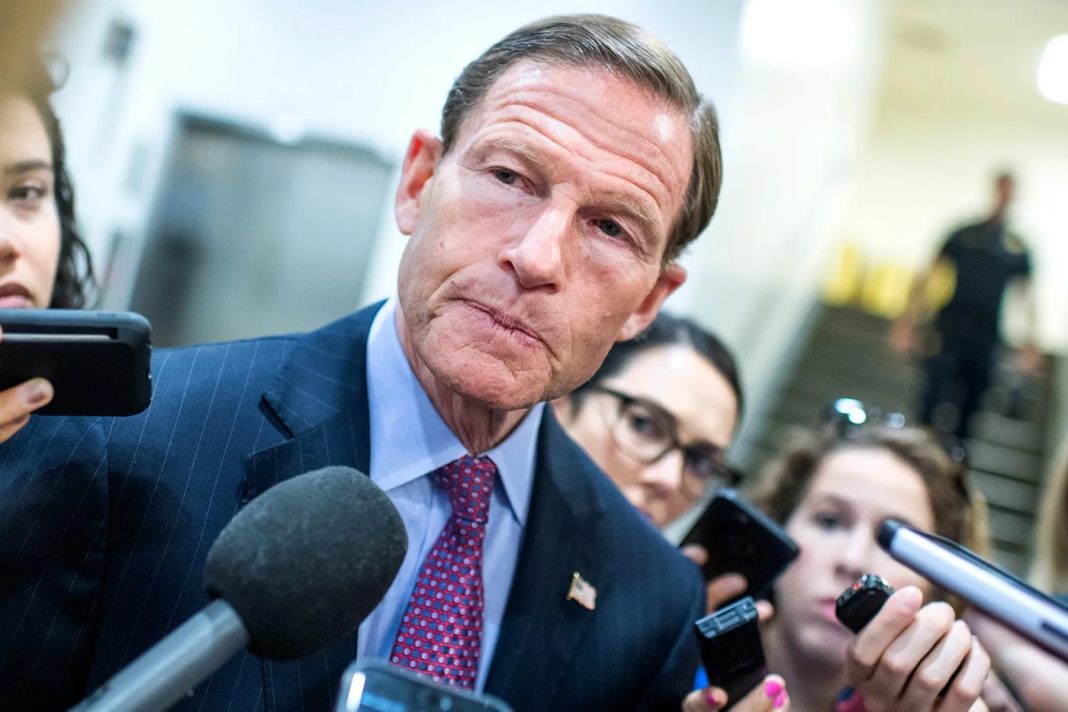

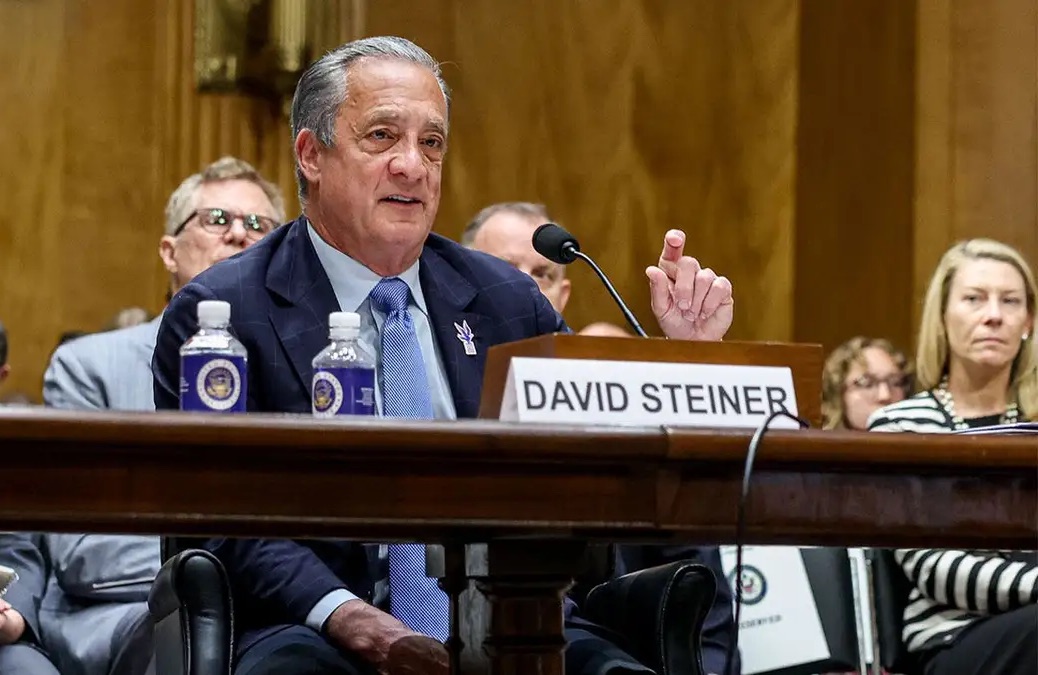
WASHINGTON, United States — Senator Richard Blumenthal sent an anonymous federal whistleblower’s complaint to Postmaster General David Steiner on Monday, August 31, 2026.
The official alleged that a new Postal Service system for screening mail ballots was inadequately tested and could disrupt voting in the midterm elections.
The complaint identified a feature that it said could prevent thousands of ballots from being mailed.
If one barcode in a batch of 10,000 ballots failed verification, according to the official, the portal would reject the entire consignment and return it to state election authorities.
The whistleblower, who is represented by the nonprofit organisation Whistleblower Aid, described the system’s development as a “rushed, chaotic, and fundamentally flawed process”.

A New Role for the Postal Service
President Donald Trump directed the creation of the system through an executive order signed in March.
The order instructed his administration to establish federal lists of citizens and called for the United States Postal Service to send mail ballots only to people who passed the proposed verification process.
The Postal Service has traditionally transported ballots between election officials and voters. It has not previously decided whether ballots authorised by state officials should enter the mail.
The federal government also has not maintained a central register containing every American citizen.
The new process would therefore give the Postal Service a function extending beyond its customary responsibility for carrying election mail.
The agency finalised a rule governing the proposed system in August. The rule would require election officials to upload information through the United States Federal Ballot Mail Portal before ballot packages were accepted for delivery.
A federal court has blocked implementation while challenges to the order’s constitutionality continue.
A subsequent court order allowed the government to keep developing the portal provided that states were not required to participate.
Complaint Questions Testing and Design
The whistleblower alleged that substantial work on the portal did not begin until June, leaving less than three months to prepare it for its planned release.
A project of similar scale would ordinarily require at least nine to 12 months, according to the complaint.
The official said the abbreviated schedule prevented the Postal Service from completing standard software testing and correcting technical problems before the proposed launch.
Workers involved in the development were concerned that the portal could crash, the complaint said. It also alleged that employees were instructed to continue working on the system while court orders preventing its implementation remained in force.
The complaint raised particular concerns about the system’s treatment of bulk mailings. A barcode might fail because of a scanning error or because a voter had moved or changed names.
Under the process described by the whistleblower, however, one failure would prevent every other ballot in the same batch from being mailed until election officials corrected the problem and submitted the consignment again.
Blumenthal, a Connecticut Democrat and member of the Senate Homeland Security and Governmental Affairs Committee, asked Steiner to provide further information about the portal.
He said the disclosure raised constitutional, technical and administrative concerns about changing the country’s mail-voting procedures shortly before an election.

White House Disputes Allegations
The White House rejected the whistleblower’s assessment.
“The process of building software to carry out this new verification check is neither complex nor unique for USPS since the Postal Service regularly uses bulk mailing and intelligent mail barcodes for a wide variety of large customers,” said Lauren Bis, a White House spokesperson.
A Postal Service spokesperson confirmed that the agency had received Blumenthal’s letter and was “carefully reviewing the concerns he and the whistleblower have raised”.
The agency said it had spent months developing the portal as a way for election officials to share lists of people receiving mail ballots. It described the system as part of its wider work to handle and deliver election mail securely and reliably.
The portal cannot be imposed on state election authorities while the court restrictions remain in place.
Its proposed use in the 2026 elections will depend on the outcome of the continuing litigation.